Atack John M, Srikhanta Yogitha N, Fox Kate L, Jurcisek Joseph A, Brockman Kenneth L, Clark Tyson A, Boitano Matthew, Power Peter M, Jen Freda E-C, McEwan Alastair G, Grimmond Sean M, Smith Arnold L, Barenkamp Stephen J, Korlach Jonas, Bakaletz Lauren O, Jennings Michael P
Institute for Glycomics, Griffith University, Gold Coast, Queensland 4222, Australia.
School of Chemistry and Molecular Biosciences, The University of Queensland, St Lucia, Brisbane, Queensland 4072, Australia.
Nat Commun. 2015 Jul 28;6:7828. doi: 10.1038/ncomms8828.
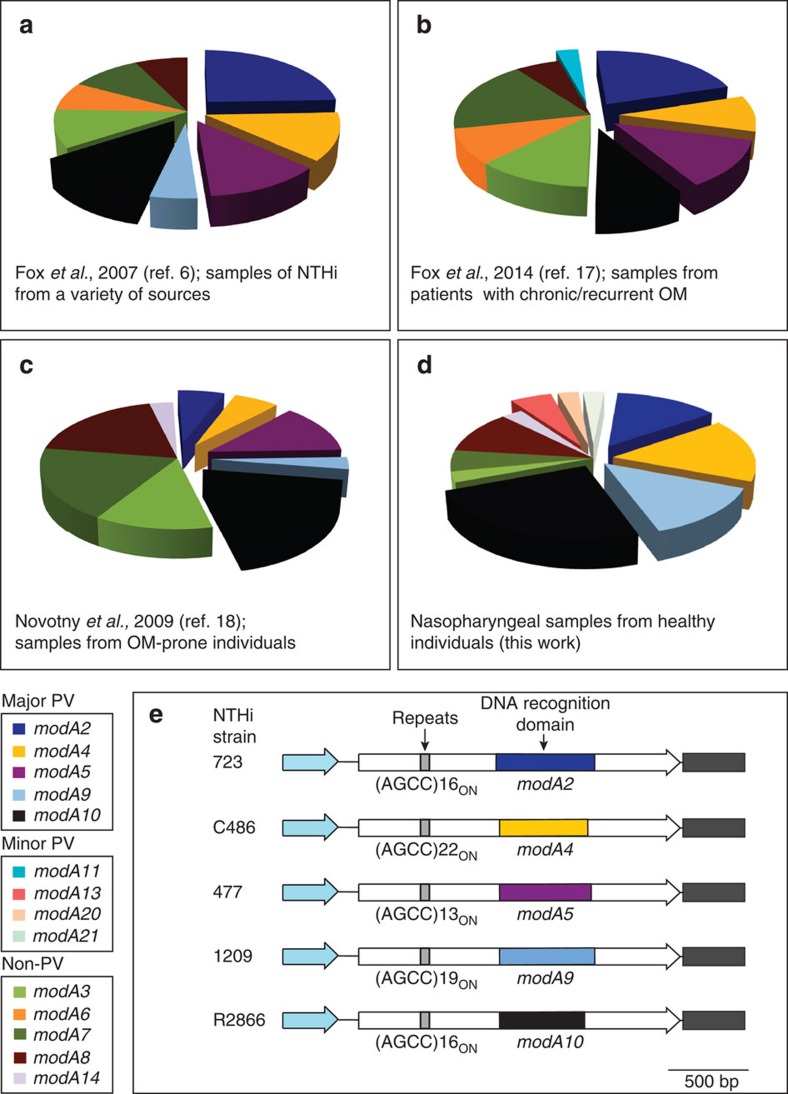
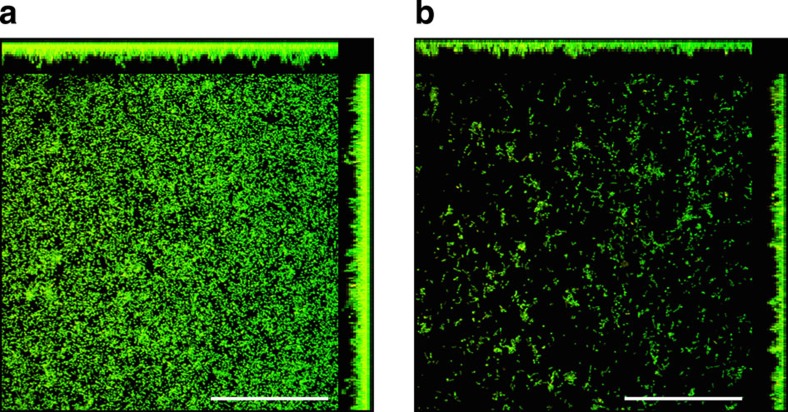
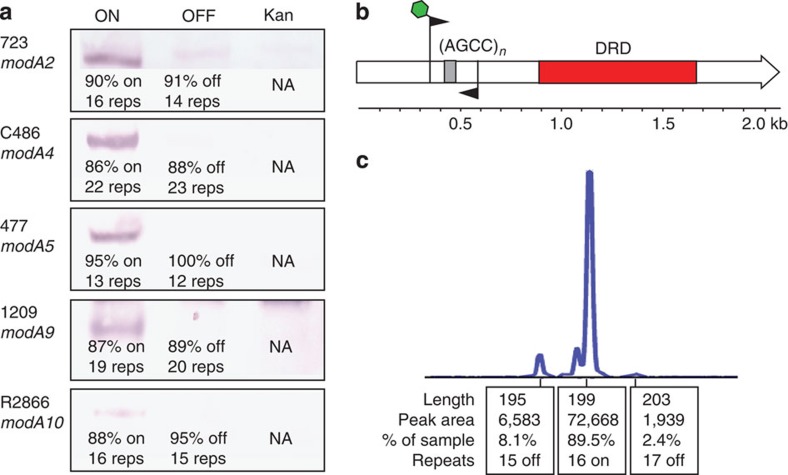
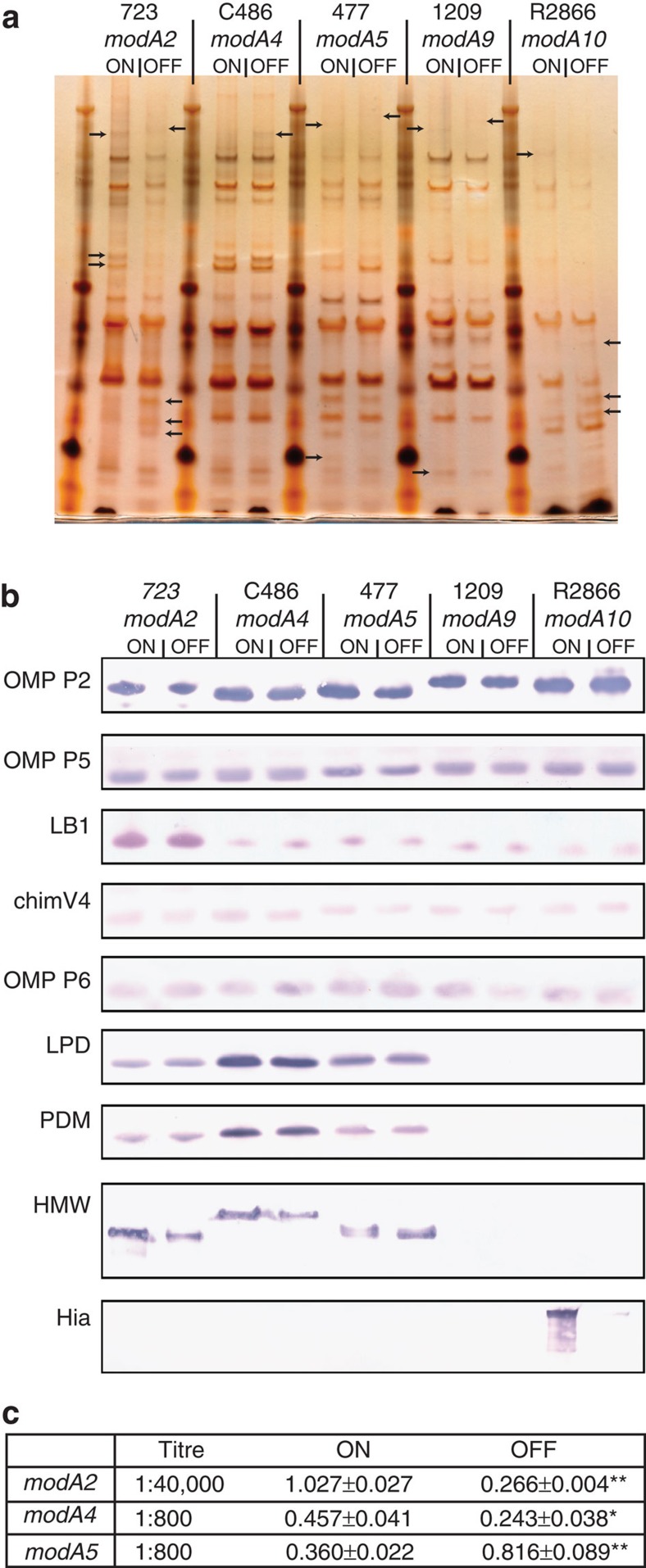
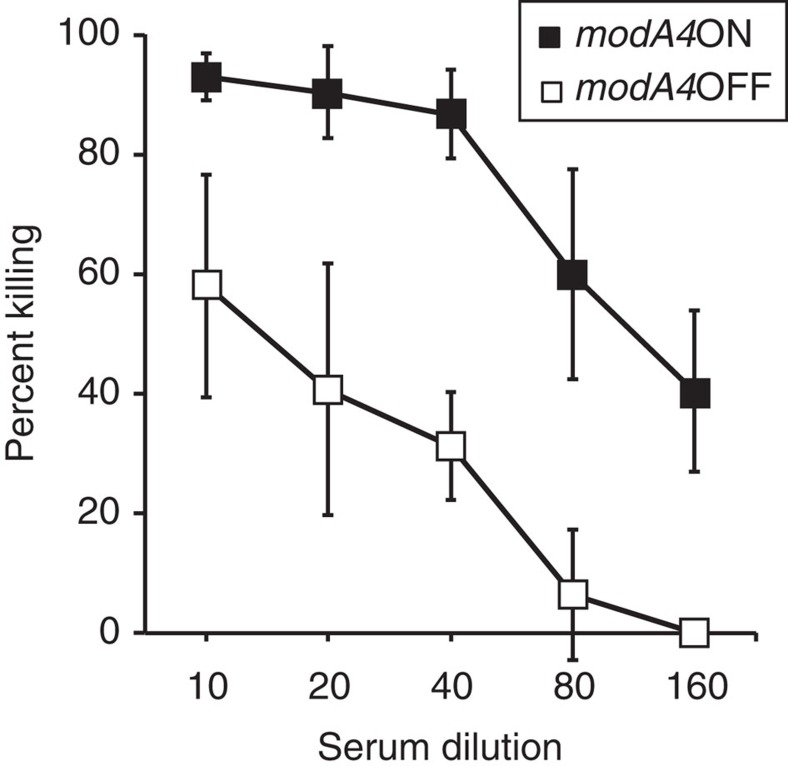
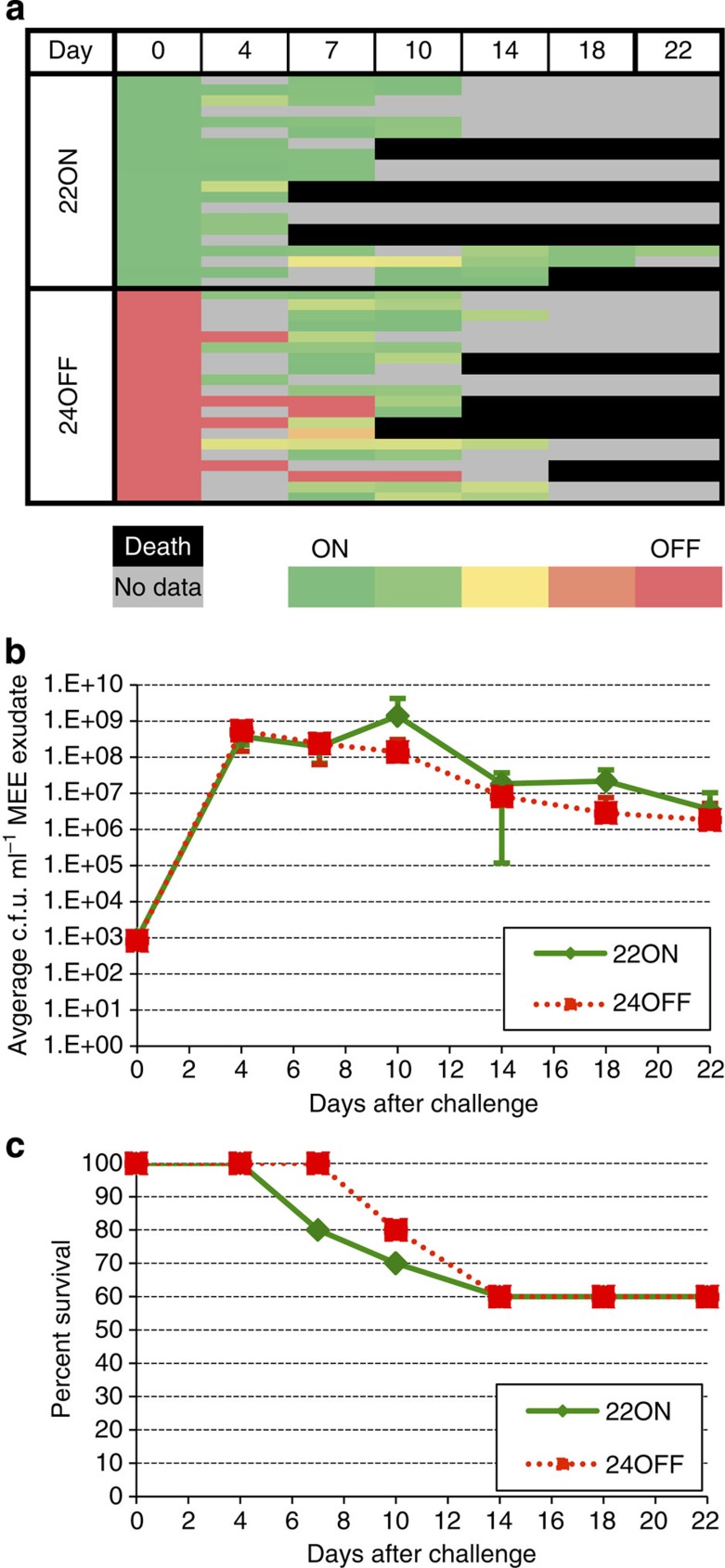
Non-typeable Haemophilus influenzae contains an N(6)-adenine DNA-methyltransferase (ModA) that is subject to phase-variable expression (random ON/OFF switching). Five modA alleles, modA2, modA4, modA5, modA9 and modA10, account for over two-thirds of clinical otitis media isolates surveyed. Here, we use single molecule, real-time (SMRT) methylome analysis to identify the DNA-recognition motifs for all five of these modA alleles. Phase variation of these alleles regulates multiple proteins including vaccine candidates, and key virulence phenotypes such as antibiotic resistance (modA2, modA5, modA10), biofilm formation (modA2) and immunoevasion (modA4). Analyses of a modA2 strain in the chinchilla model of otitis media show a clear selection for ON switching of modA2 in the middle ear. Our results indicate that a biphasic epigenetic switch can control bacterial virulence, immunoevasion and niche adaptation in an animal model system.
不可分型流感嗜血杆菌含有一种N(6)-腺嘌呤DNA甲基转移酶(ModA),其表达会发生相变(随机开启/关闭切换)。在接受调查的临床中耳炎分离株中,五个modA等位基因,即modA2、modA4、modA5、modA9和modA10,占比超过三分之二。在此,我们使用单分子实时(SMRT)甲基化组分析来鉴定所有这五个modA等位基因的DNA识别基序。这些等位基因的相变调节多种蛋白质,包括候选疫苗,以及关键的毒力表型,如抗生素耐药性(modA2、modA5、modA10)、生物膜形成(modA2)和免疫逃避(modA4)。在中耳炎的栗鼠模型中对modA2菌株进行的分析表明,中耳中modA2的开启存在明显的选择倾向。我们的结果表明,一种双相表观遗传开关可以在动物模型系统中控制细菌的毒力、免疫逃避和生态位适应。