Chang Kai-Ti, Anishkin Andriy, Patwardhan Gauri A, Beverly Levi J, Siskind Leah J, Colombini Marco
Department of Biology, University of Maryland, United States.
Department of Pharmacology and Toxicology, University of Louisville, United States.
Biochim Biophys Acta. 2015 Oct;1848(10 Pt A):2374-84. doi: 10.1016/j.bbamem.2015.07.013. Epub 2015 Jul 26.
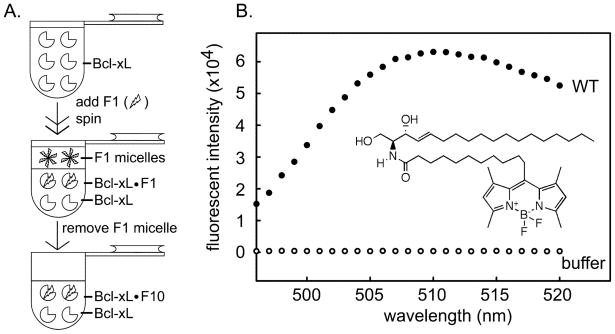
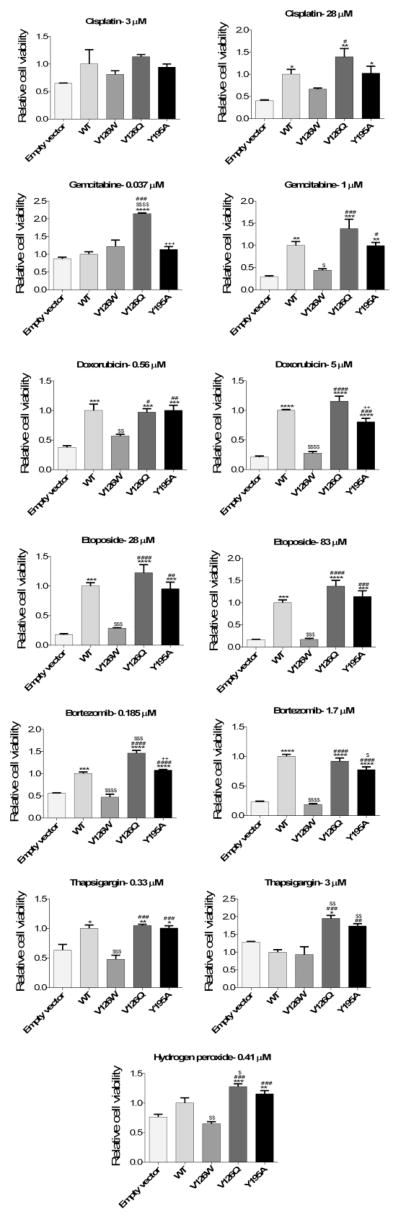
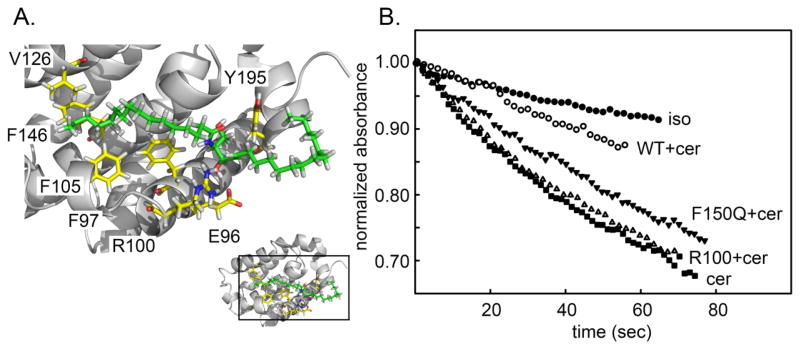
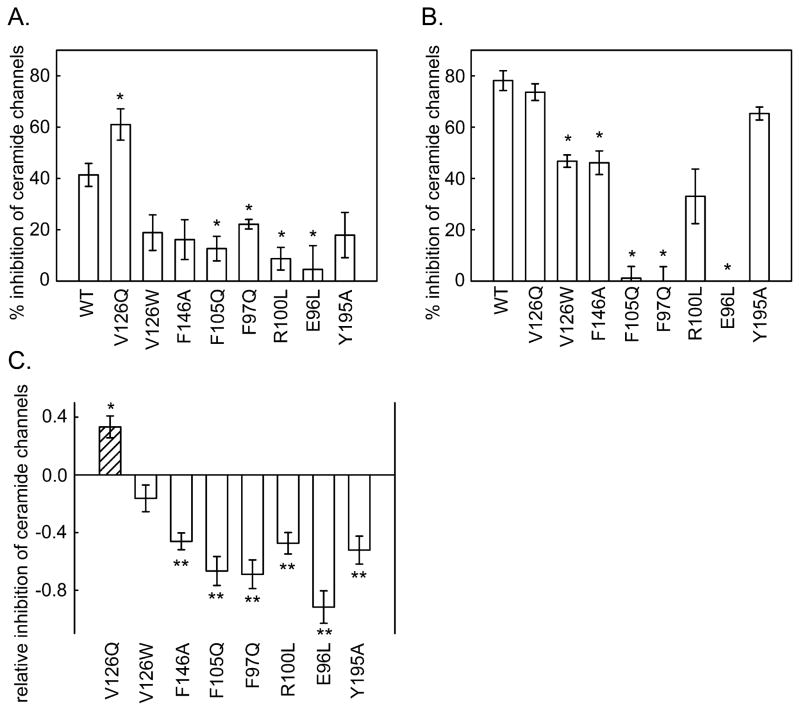
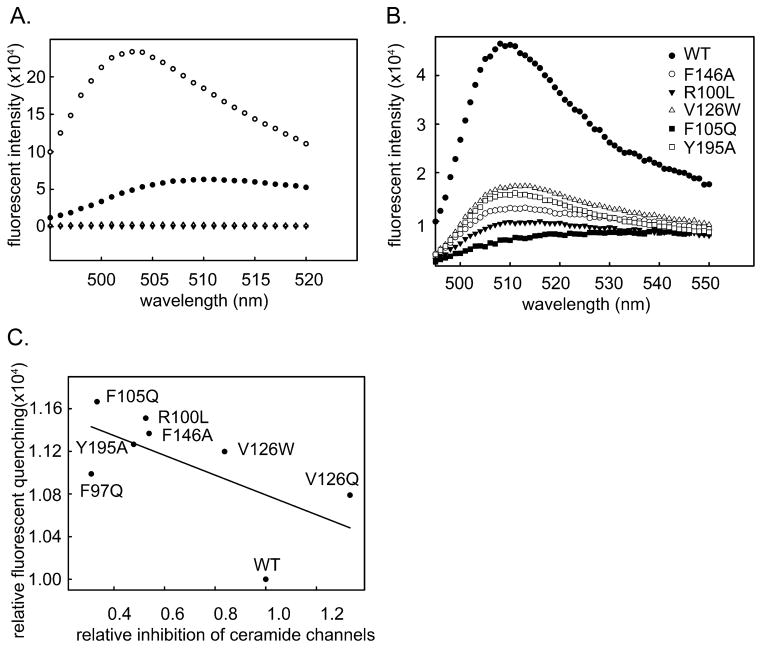
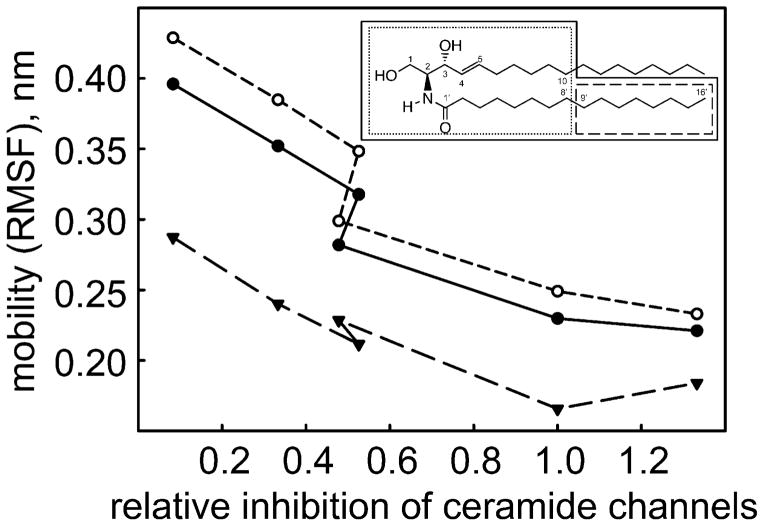
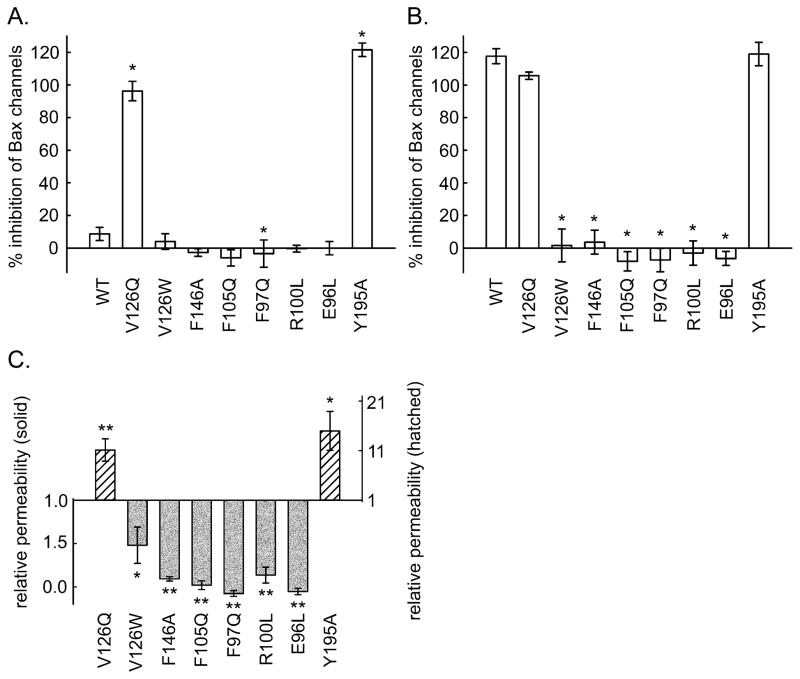
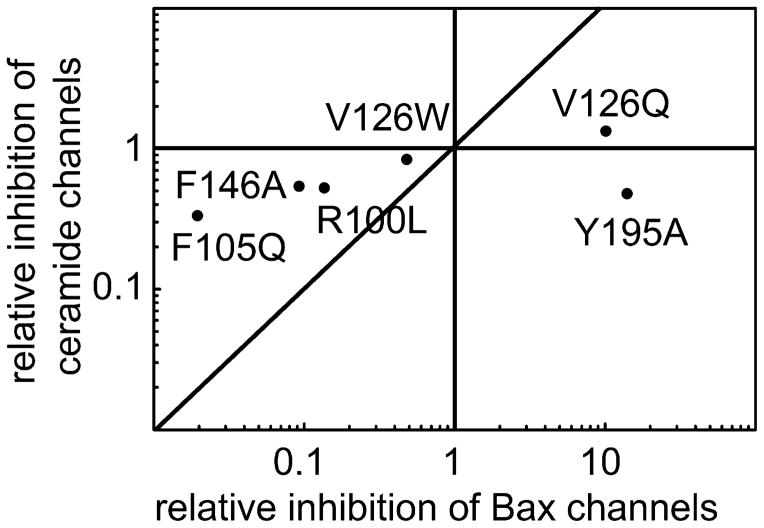
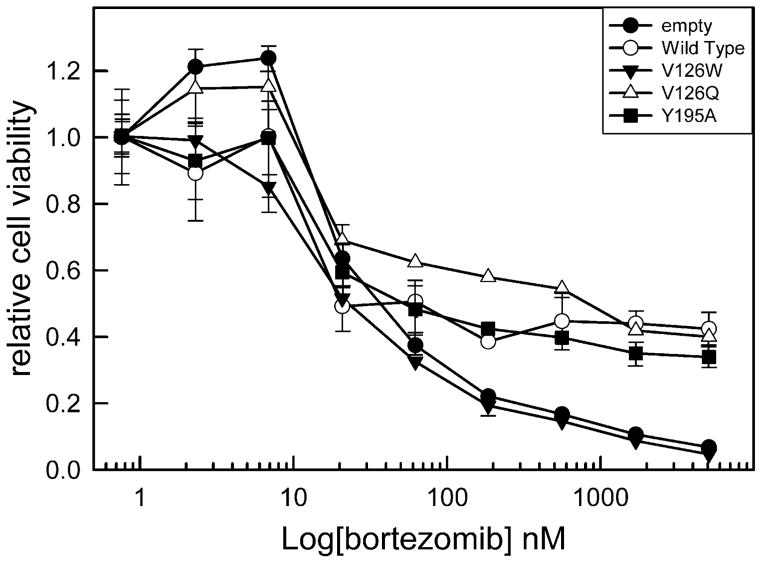
Ceramide is a bioactive sphingolipid involved in mitochondrial-mediated apoptosis. Our data suggest that ceramides directly regulate a key initiation step in apoptosis: mitochondrial outer membrane permeabilization (MOMP). MOMP allows release of intermembrane space proteins to the cytosol, inducing the execution of the cell. Ceramides form channels in planar phospholipid membranes and outer membranes of isolated mitochondria, channels large enough to facilitate passage of proteins released during MOMP. Bcl-xL inhibits MOMP in vivo and inhibits the formation of ceramide channels in vitro. However the significance of Bcl-xL's regulation of ceramide channel formation within cells was untested. We engineered Bcl-xL point mutations that specifically affect the interaction between ceramide and Bcl-xL to probe the mechanism of ceramide channel regulation and the role of ceramide channels in apoptosis. Using these mutants and fluorescently-labeled ceramide, we identified the hydrophobic groove on Bcl-xL as the critical ceramide binding site and regulator of ceramide channel formation. Bcl-xL mutants with weakened interaction with ceramide also have reduced ability to interfere with ceramide channel formation. Some mutants have similar altered ability to inhibit both ceramide and Bax channel formation, whereas others act differentially, suggesting distinct but overlapping binding sites. To probe the relative importance of these channels in apoptosis, Bcl-xL mutant proteins were stably expressed in Bcl-xL deficient cells. Weakening the inhibition of either Bax or ceramide channels decreased the ability of Bcl-xL to protect cells from apoptosis in a stimulus-dependent manner. These studies provide the first in vivo evidence for the role of ceramide channels in MOMP.
神经酰胺是一种参与线粒体介导的细胞凋亡的生物活性鞘脂。我们的数据表明,神经酰胺直接调节细胞凋亡中的一个关键起始步骤:线粒体外膜通透性改变(MOMP)。MOMP允许膜间隙蛋白释放到细胞质中,从而诱导细胞的死亡。神经酰胺在平面磷脂膜和分离的线粒体的外膜中形成通道,这些通道足够大,能够促进MOMP过程中释放的蛋白通过。Bcl-xL在体内抑制MOMP,并在体外抑制神经酰胺通道的形成。然而,Bcl-xL对细胞内神经酰胺通道形成的调节作用的重要性尚未得到验证。我们设计了特异性影响神经酰胺与Bcl-xL之间相互作用的Bcl-xL点突变,以探究神经酰胺通道调节的机制以及神经酰胺通道在细胞凋亡中的作用。使用这些突变体和荧光标记的神经酰胺,我们确定了Bcl-xL上的疏水凹槽是关键的神经酰胺结合位点和神经酰胺通道形成的调节因子。与神经酰胺相互作用减弱的Bcl-xL突变体干扰神经酰胺通道形成的能力也降低。一些突变体对抑制神经酰胺和Bax通道形成具有相似的改变能力,而其他突变体则表现出不同的作用,表明存在不同但重叠的结合位点。为了探究这些通道在细胞凋亡中的相对重要性,Bcl-xL突变蛋白在Bcl-xL缺陷细胞中稳定表达。减弱对Bax或神经酰胺通道的抑制会以刺激依赖的方式降低Bcl-xL保护细胞免受细胞凋亡的能力。这些研究为神经酰胺通道在MOMP中的作用提供了首个体内证据。