Wang Min, Zhang Xiaona, Liu Ji-Hong
Key Laboratory of Horticultural Plant Biology (MOE), College of Horticulture and Forestry Science, Huazhong Agricultural University, 430070, Wuhan, China.
BMC Genomics. 2015 Jul 29;16(1):555. doi: 10.1186/s12864-015-1629-7.
Trifoliate orange (Poncirus trifoliata (L.) Raf.) is extremely cold hardy after a full acclimation; however the underlying molecular mechanisms underlying this economically valuable trait remain poorly understood. In this study, global transcriptome profiles of trifoliate orange under cold conditions (4 °C) over a time course were generated by high-throughput sequencing.
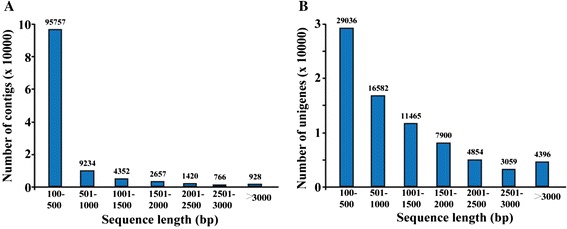
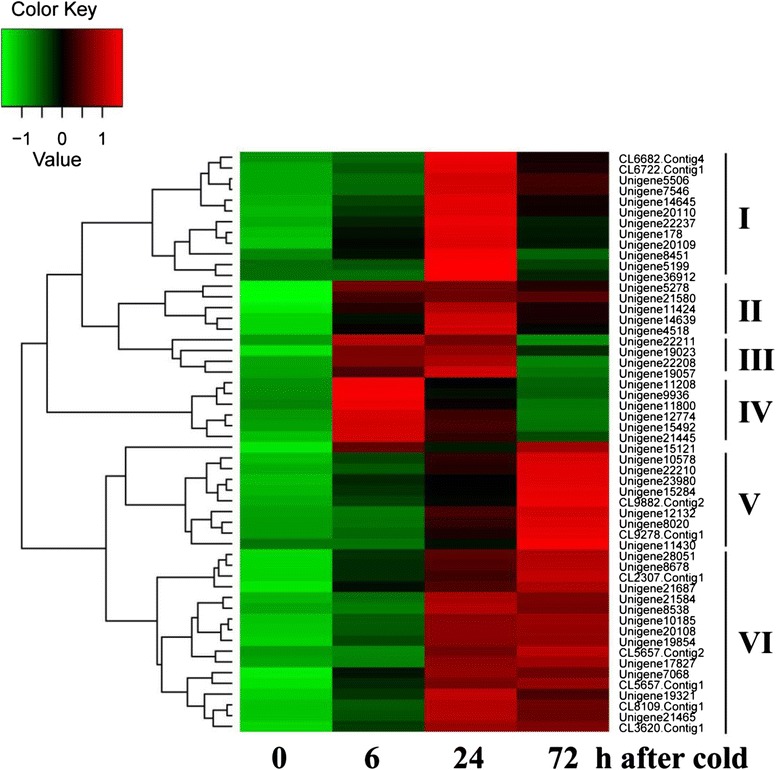
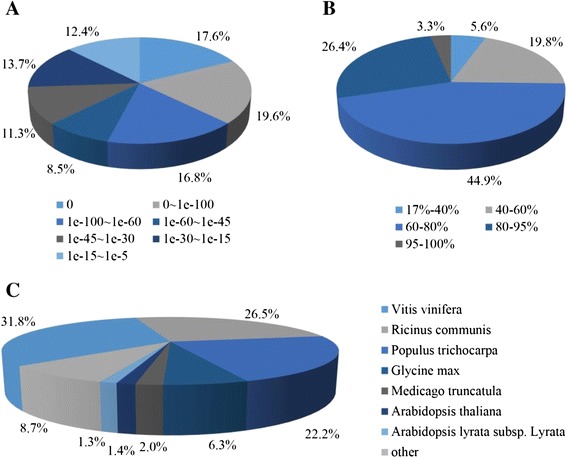
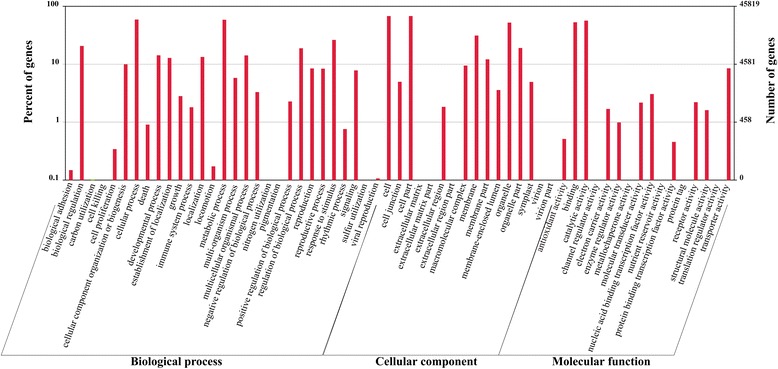
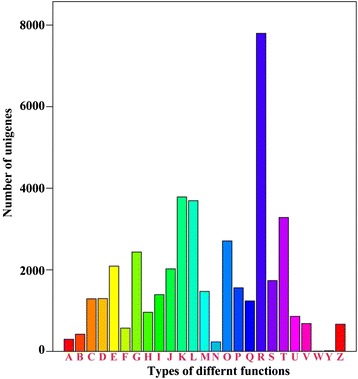
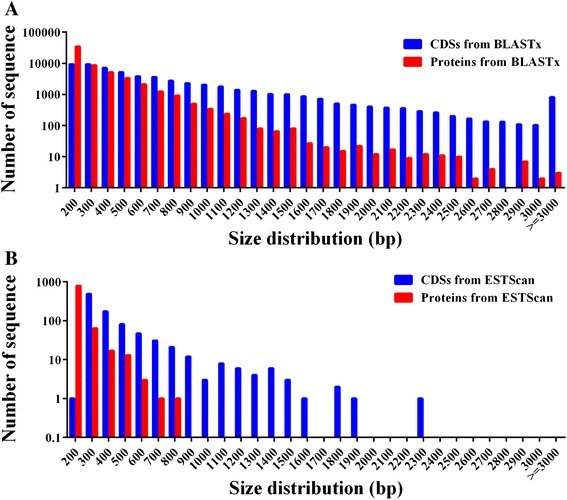
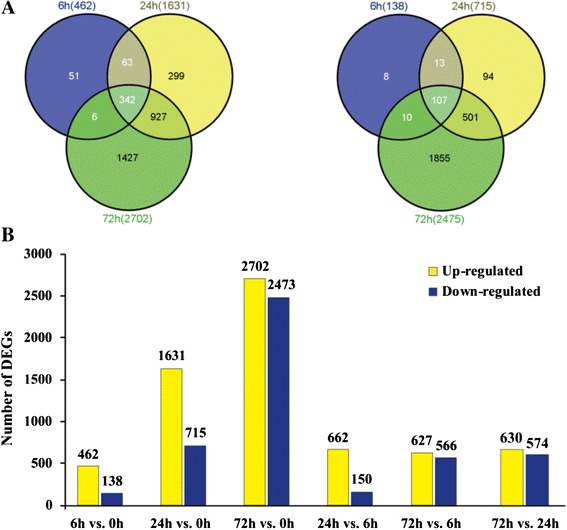
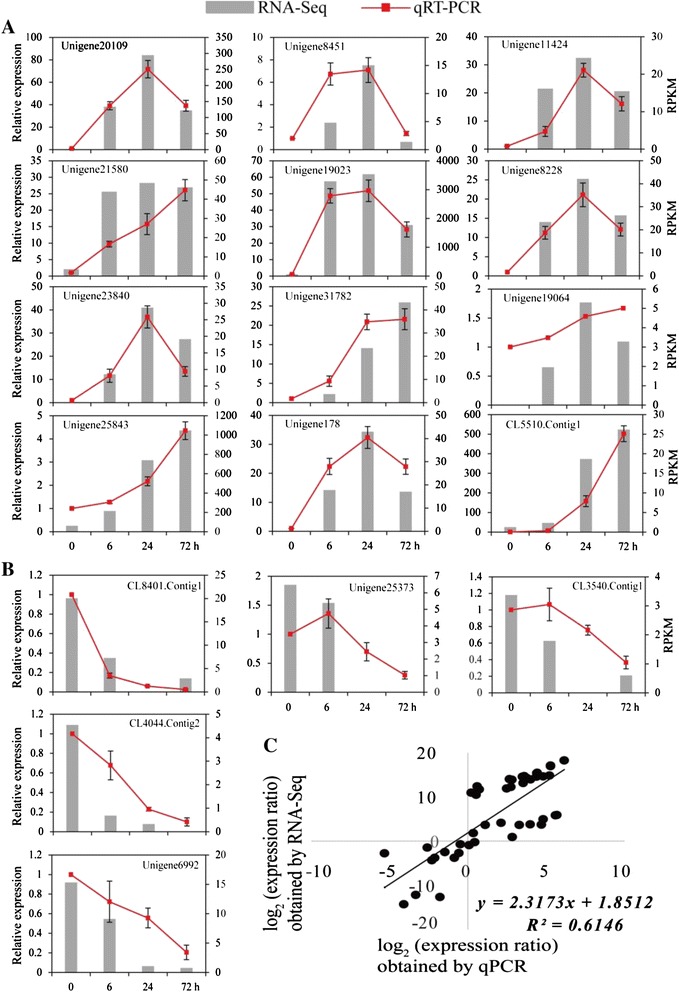
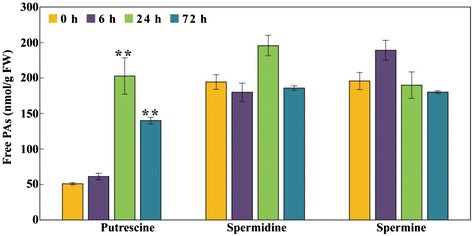
More than 68 million high-quality reads were produced and assembled into a non-redundant data of 77,292 unigenes with an average length of 1112 bp (N50 = 1778 bp). Of these, 23,846 had significant sequence similarity to known genes and these were assigned to 61 gene ontology (GO) categories and 25 clusters of orthologous groups (COG) involved in 128 KEGG pathways. Sequences derived from cold-treated and control plants were mapped to the assembled transcriptome, resulting in the identification of 5549 differentially expressed genes (DEGs). These comprised 600 (462 up-regulated, 138 down-regulated), 2346 (1631 up-regulated, 715 down-regulated), and 5177 (2702 up-regulated, 2475 down-regulated) genes from the cold-treated samples at 6, 24 and 72 h, respectively. The accuracy of the RNA-seq derived transcript expression data was validated by analyzing the expression patterns of 17 DEGs by qPCR. Plant hormone signal transduction, plant-pathogen interaction, and secondary metabolism were the most significantly enriched GO categories amongst in the DEGs. A total of 60 transcription factors were shown to be cold responsive. In addition, a number of genes involved in the catabolism and signaling of hormones, such as abscisic acid, ethylene and gibberellin, were affected by the cold stress. Meanwhile, levels of putrescine progressively increased under cold, which was consistent with up-regulation of an arginine decarboxylase gene.
This dataset provides valuable information regarding the trifoliate orange transcriptome changes in response to cold stress and may help guide future identification and functional analysis of genes that are importnatn for enhancing cold hardiness.
枳(Poncirus trifoliata (L.) Raf.)在完全驯化后具有极强的耐寒性;然而,对于这一具有经济价值的性状背后的分子机制仍知之甚少。在本研究中,通过高通量测序生成了枳在低温条件(4°C)下随时间变化的全局转录组图谱。
产生了超过6800万个高质量读数,并组装成一个包含77292个单基因的非冗余数据集,平均长度为1112 bp(N50 = 1778 bp)。其中,23846个与已知基因具有显著的序列相似性,并被分配到61个基因本体(GO)类别和25个直系同源群(COG)簇,涉及128条KEGG通路。将来自冷处理和对照植物的序列映射到组装的转录组上,从而鉴定出5549个差异表达基因(DEG)。这些基因分别包括来自冷处理6小时、24小时和72小时样本的600个(462个上调,138个下调)、2346个(1631个上调,715个下调)和5177个(2702个上调,2475个下调)基因。通过qPCR分析17个DEG的表达模式,验证了RNA-seq衍生转录本表达数据的准确性。植物激素信号转导、植物 - 病原体相互作用和次生代谢是DEG中最显著富集的GO类别。共有6个转录因子显示出对低温有响应。此外,一些参与激素分解代谢和信号传导的基因,如脱落酸、乙烯和赤霉素,受到冷胁迫的影响。同时,腐胺水平在低温下逐渐升高,这与精氨酸脱羧酶基因的上调一致。
该数据集提供了关于枳响应冷胁迫时转录组变化的有价值信息,并可能有助于指导未来对增强耐寒性重要基因的鉴定和功能分析。