Brennecke Philip, Reyes Alejandro, Pinto Sheena, Rattay Kristin, Nguyen Michelle, Küchler Rita, Huber Wolfgang, Kyewski Bruno, Steinmetz Lars M
1] Department of Genetics, Stanford University, School of Medicine, California, USA. [2] Stanford Genome Technology Center, Stanford University, California, USA.
European Molecular Biology Laboratory, Genome Biology Unit, Heidelberg, Germany.
Nat Immunol. 2015 Sep;16(9):933-41. doi: 10.1038/ni.3246. Epub 2015 Aug 3.
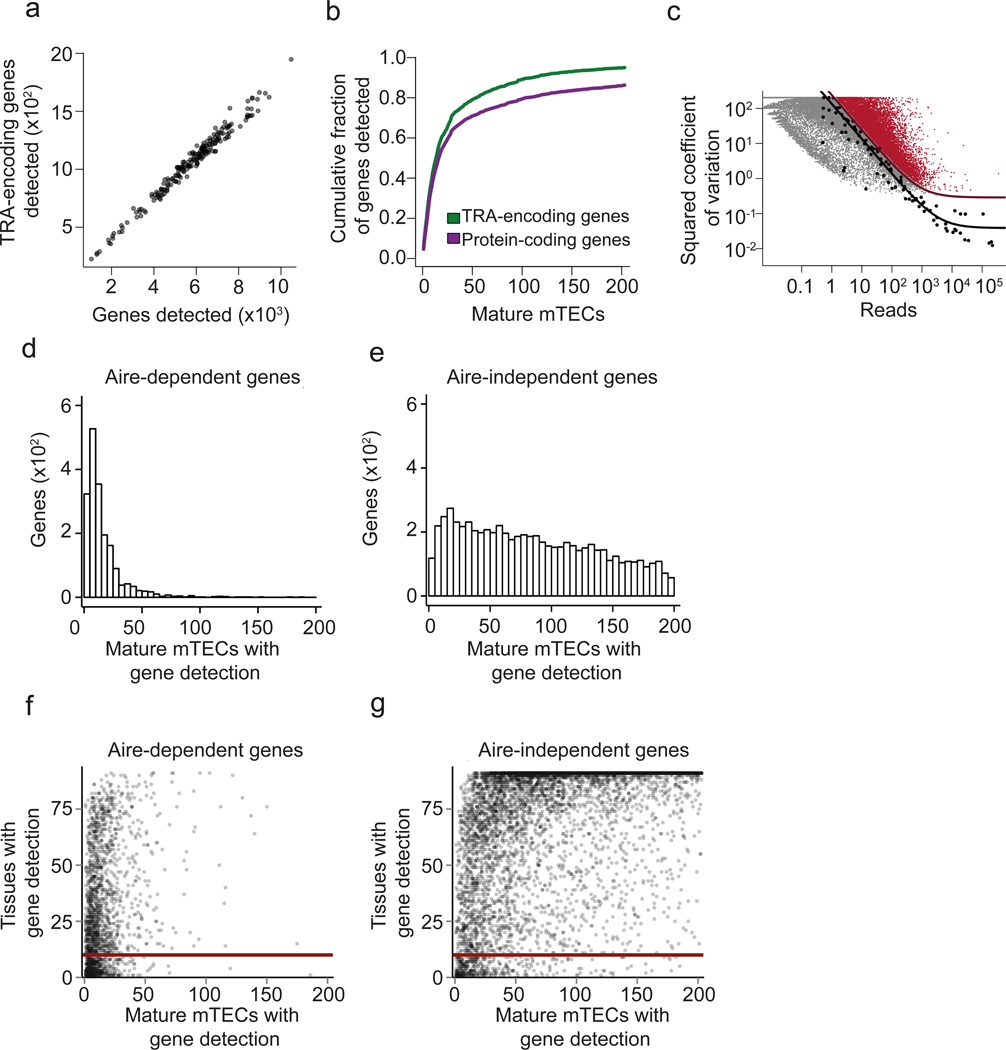
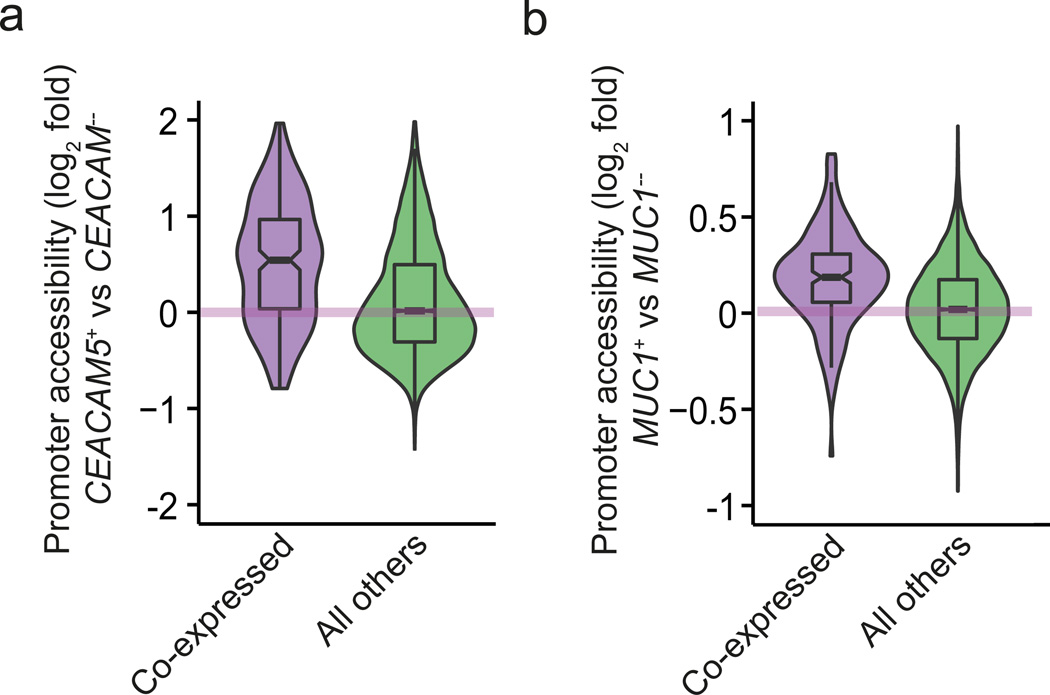
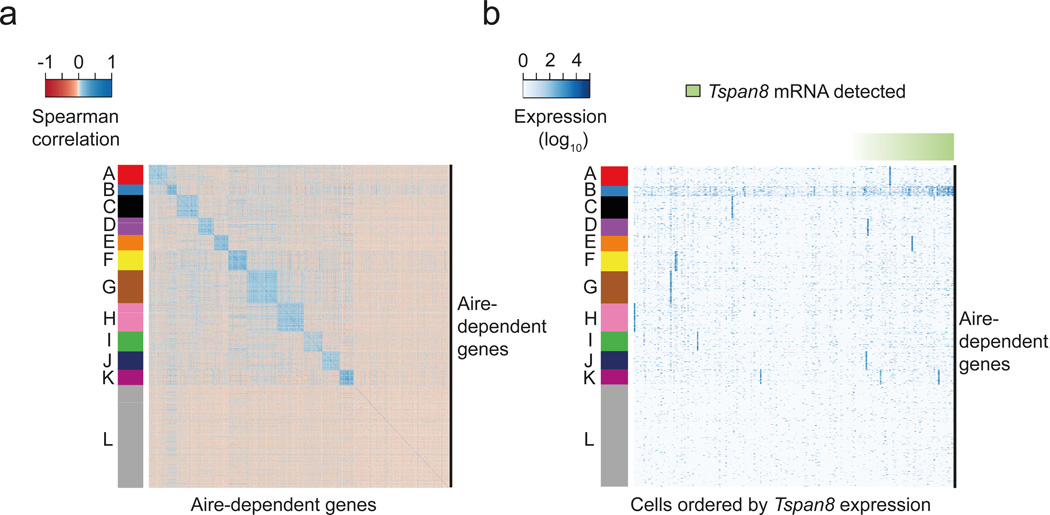
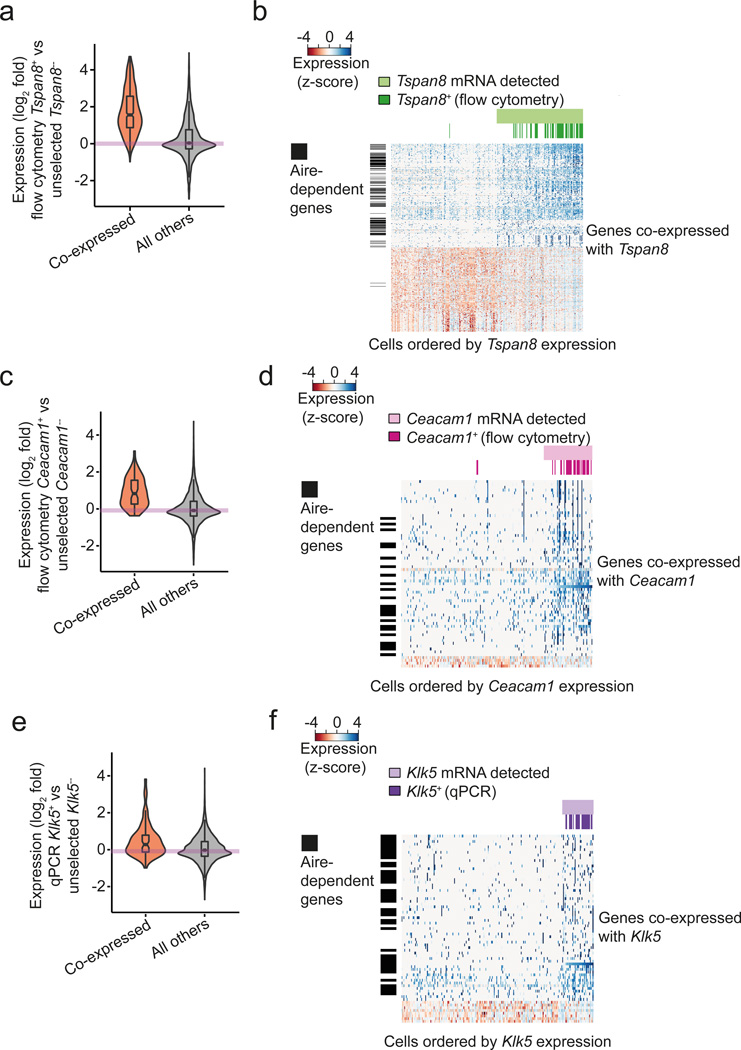
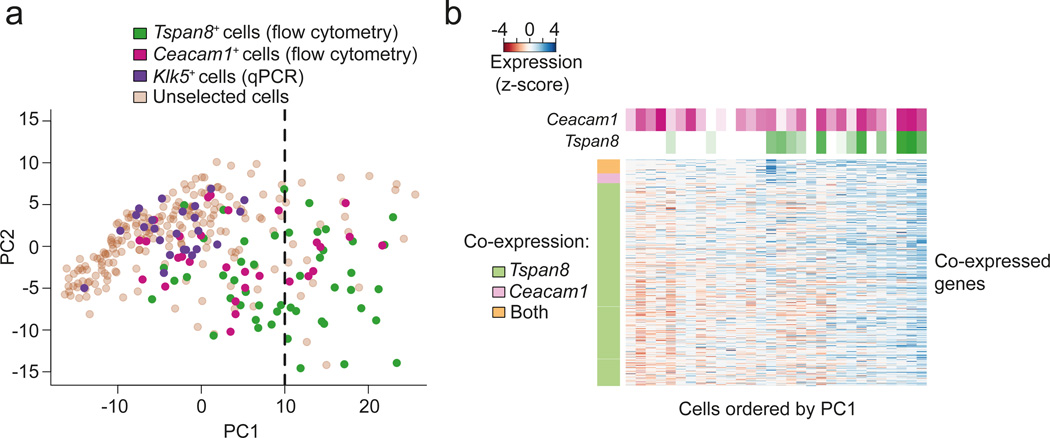
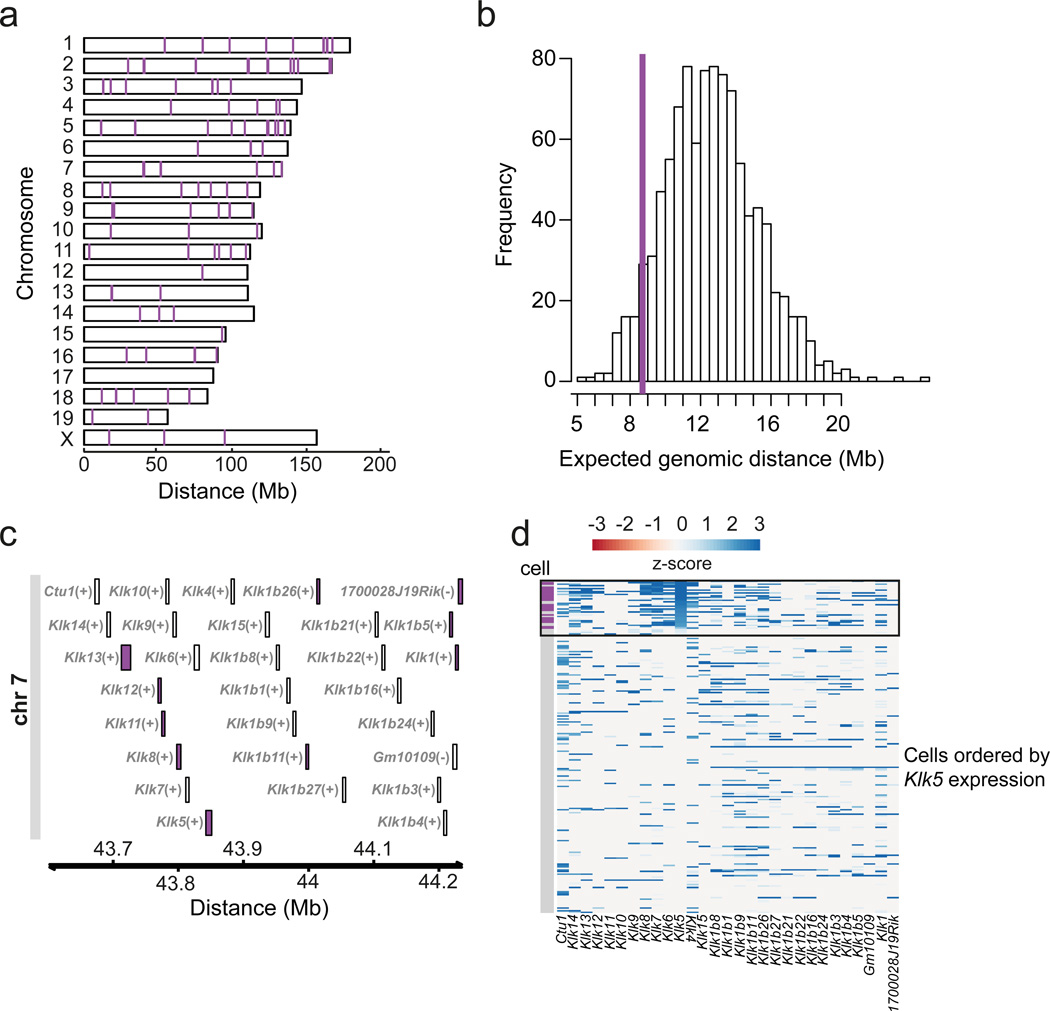
Expression of tissue-restricted self antigens (TRAs) in medullary thymic epithelial cells (mTECs) is essential for the induction of self-tolerance and prevents autoimmunity, with each TRA being expressed in only a few mTECs. How this process is regulated in single mTECs and is coordinated at the population level, such that the varied single-cell patterns add up to faithfully represent TRAs, is poorly understood. Here we used single-cell RNA sequencing and obtained evidence of numerous recurring TRA-co-expression patterns, each present in only a subset of mTECs. Co-expressed genes clustered in the genome and showed enhanced chromatin accessibility. Our findings characterize TRA expression in mTECs as a coordinated process that might involve local remodeling of chromatin and thus ensures a comprehensive representation of the immunological self.
组织限制性自身抗原(TRA)在髓质胸腺上皮细胞(mTEC)中的表达对于诱导自身耐受和预防自身免疫至关重要,每种TRA仅在少数mTEC中表达。目前对于这一过程在单个mTEC中如何调控以及在群体水平如何协调,使得多样的单细胞模式加起来能如实地呈现TRA,仍知之甚少。在此,我们利用单细胞RNA测序获得了众多反复出现的TRA共表达模式的证据,每种模式仅存在于一部分mTEC中。共表达基因在基因组中聚集,并显示出增强的染色质可及性。我们的研究结果表明,mTEC中TRA的表达是一个协调过程,可能涉及染色质的局部重塑,从而确保免疫自身的全面呈现。