Wray Tyler B, Merrill Jennifer E, Monti Peter M
Center for Alcohol and Addiction Studies, Brown University, Providence, Rhode Island.
Alcohol Res. 2014;36(1):19-27.
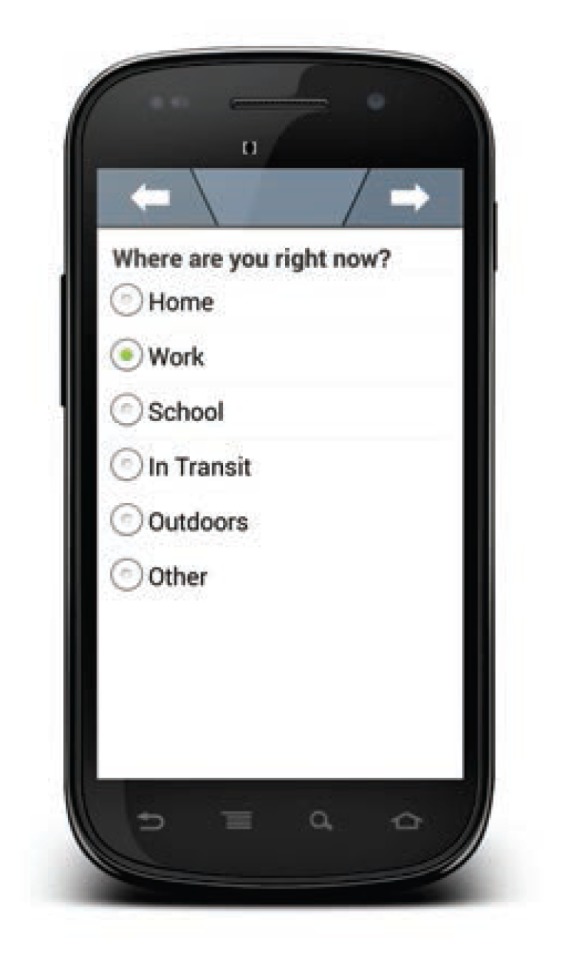
Ecological momentary assessment (EMA) has afforded several important advances in the field of alcohol research, including testing prominent models of alcohol abuse etiology in "high resolution." Using high-tech methods for signaling and/or assessment, such as mobile electronic diaries, personal data assistants, and smartphones, EMA approaches potentially can improve understanding of precipitants of drinking, drinking patterns, and consequences. For example, EMA has been used to study complex drinking patterns and dynamic predictors of drinking in near-real time. Compared with other methods, EMA can better sample and capture changes in these phenomena that occur in relatively short time frames. EMA also has several potential applications in studying the consequences of alcohol use, including physical, interpersonal, behavioral, and legal problems. However, even with all these potential capabilities, EMA research in the alcohol field still is associated with some limitations, including the potential for measurement reactivity and problems with acceptability and compliance. Despite these limitations, electronically based EMA methods are versatile and are capable of capturing data relevant to a variety of momentary influences on both alcohol use and consequences. Therefore, it will be exciting to fully realize the potential of future applications of EMA technologies, particularly if the associated costs can be reduced.
生态瞬时评估(EMA)在酒精研究领域取得了多项重要进展,包括以“高分辨率”测试酒精滥用病因的突出模型。通过使用诸如移动电子日记、个人数据助理和智能手机等高科技信号和/或评估方法,EMA方法有可能增进对饮酒诱因、饮酒模式及后果的理解。例如,EMA已被用于近乎实时地研究复杂的饮酒模式和饮酒的动态预测因素。与其他方法相比,EMA能够更好地对这些在相对较短时间内发生的现象进行抽样和捕捉。EMA在研究酒精使用后果方面也有若干潜在应用,包括身体、人际、行为和法律问题。然而,即便具备所有这些潜在能力,酒精领域的EMA研究仍存在一些局限性,包括测量反应性的可能性以及可接受性和依从性方面的问题。尽管存在这些局限性,基于电子的EMA方法用途广泛,能够捕捉与对酒精使用及其后果的各种瞬时影响相关的数据。因此,充分实现EMA技术未来应用的潜力将会令人兴奋,尤其是如果相关成本能够降低的话。