Xue Chuan, Shtylla Blerta, Brown Anthony
Department of Mathematics, Ohio State University, Columbus, Ohio, United States of America.
Department of Mathematics, Pomona College, Claremont, California, United States of America.
PLoS Comput Biol. 2015 Aug 18;11(8):e1004406. doi: 10.1371/journal.pcbi.1004406. eCollection 2015 Aug.
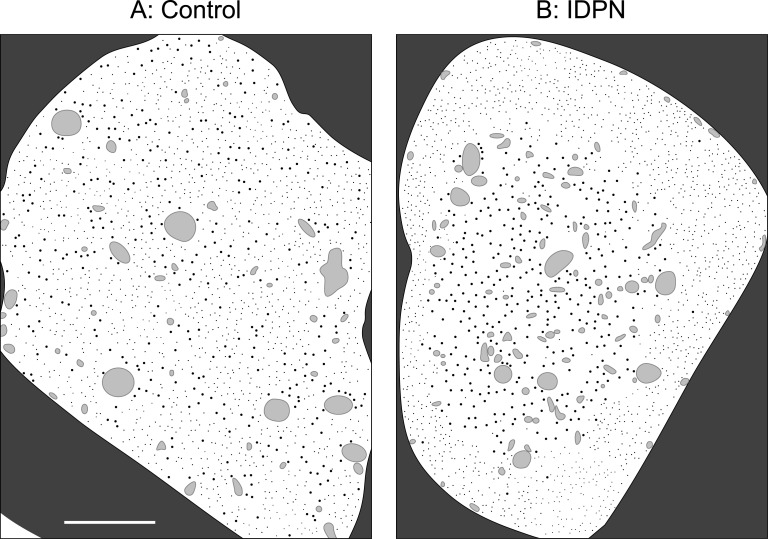
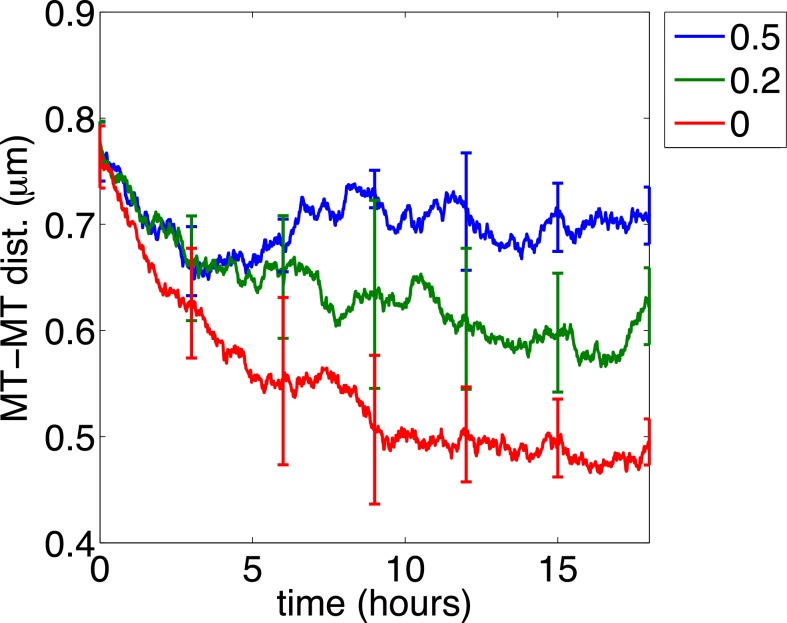
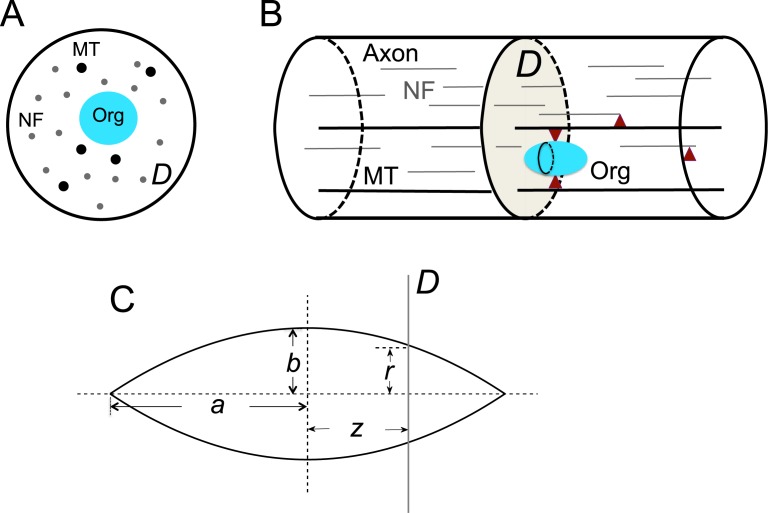
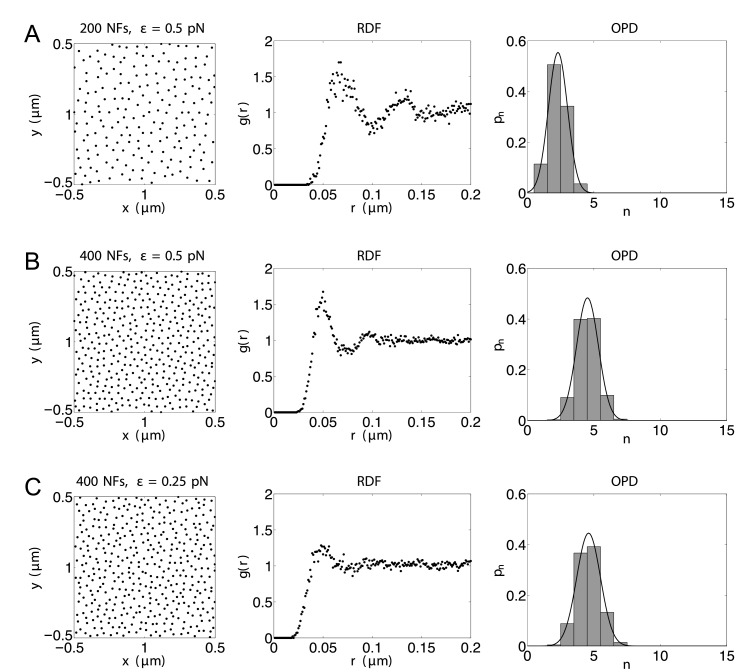
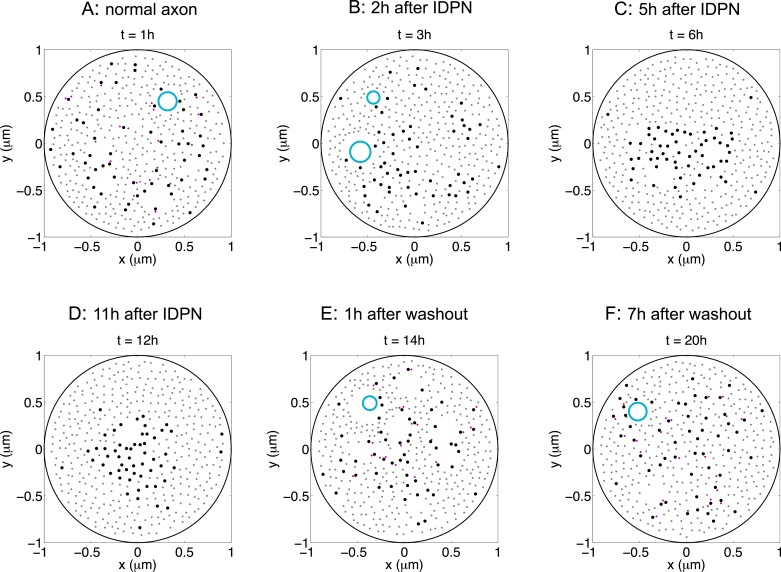
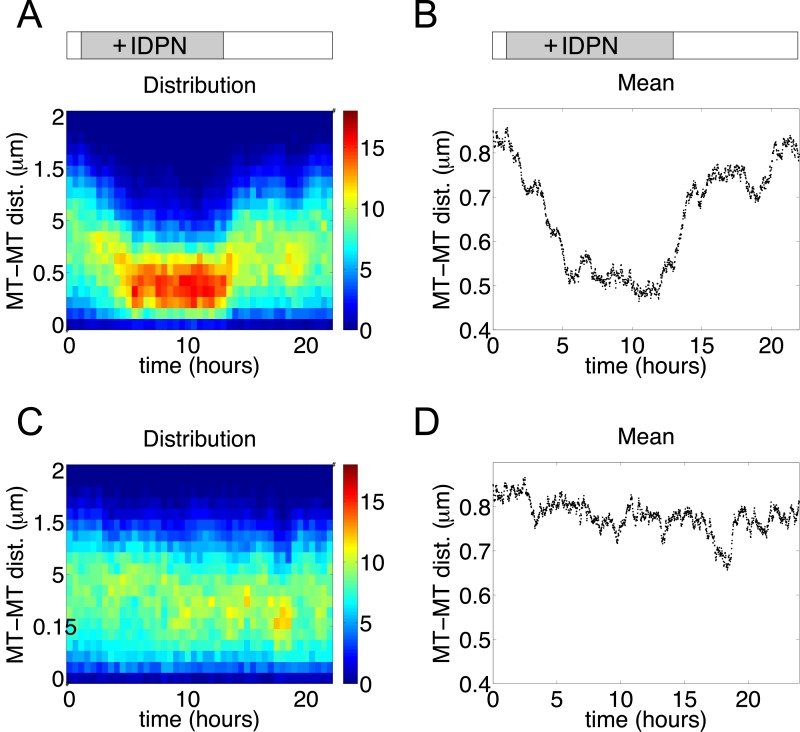
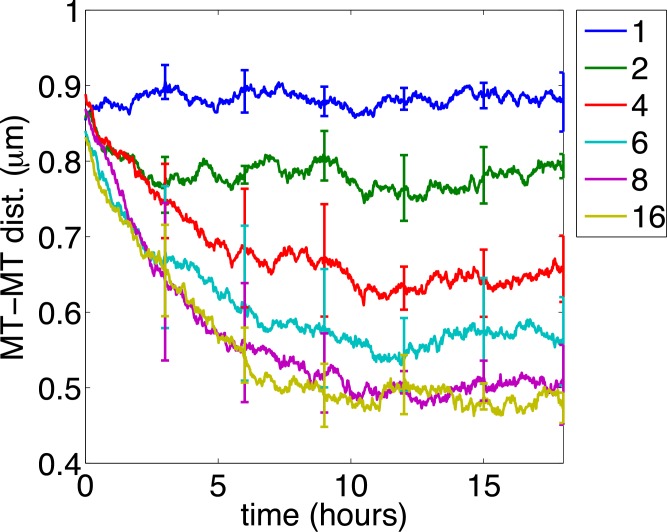
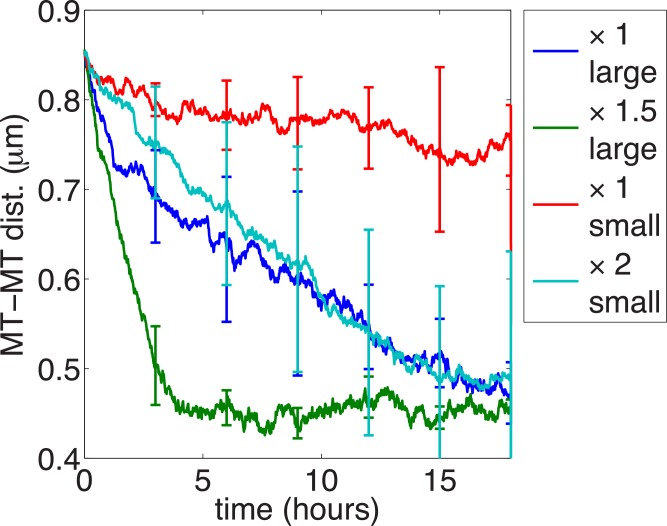
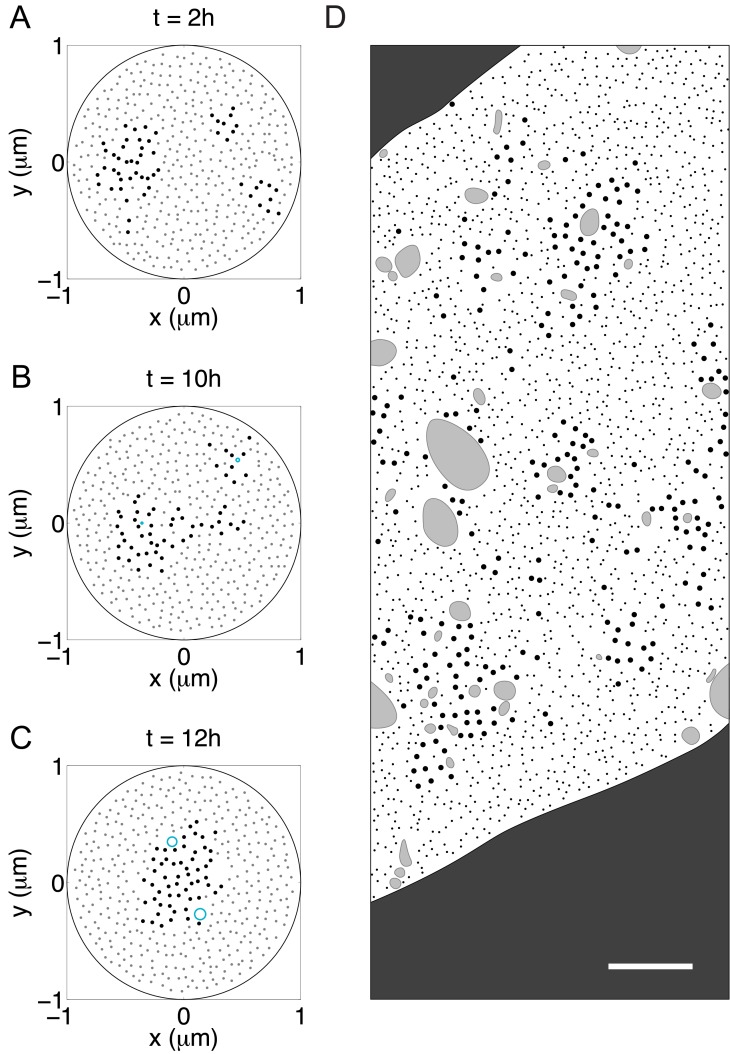
The organization of the axonal cytoskeleton is a key determinant of the normal function of an axon, which is a long thin projection of a neuron. Under normal conditions two axonal cytoskeletal polymers, microtubules and neurofilaments, align longitudinally in axons and are interspersed in axonal cross-sections. However, in many neurotoxic and neurodegenerative disorders, microtubules and neurofilaments segregate apart from each other, with microtubules and membranous organelles clustered centrally and neurofilaments displaced to the periphery. This striking segregation precedes the abnormal and excessive neurofilament accumulation in these diseases, which in turn leads to focal axonal swellings. While neurofilament accumulation suggests an impairment of neurofilament transport along axons, the underlying mechanism of their segregation from microtubules remains poorly understood for over 30 years. To address this question, we developed a stochastic multiscale model for the cross-sectional distribution of microtubules and neurofilaments in axons. The model describes microtubules, neurofilaments and organelles as interacting particles in a 2D cross-section, and is built upon molecular processes that occur on a time scale of seconds or shorter. It incorporates the longitudinal transport of neurofilaments and organelles through this domain by allowing stochastic arrival and departure of these cargoes, and integrates the dynamic interactions of these cargoes with microtubules mediated by molecular motors. Simulations of the model demonstrate that organelles can pull nearby microtubules together, and in the absence of neurofilament transport, this mechanism gradually segregates microtubules from neurofilaments on a time scale of hours, similar to that observed in toxic neuropathies. This suggests that the microtubule-neurofilament segregation can be a consequence of the selective impairment of neurofilament transport. The model generates the experimentally testable prediction that the rate and extent of segregation will be dependent on the sizes of the moving organelles as well as the density of their traffic.
轴突细胞骨架的组织是轴突正常功能的关键决定因素,轴突是神经元的细长突起。在正常情况下,两种轴突细胞骨架聚合物,即微管和神经丝,在轴突中纵向排列,并散布在轴突横切面中。然而,在许多神经毒性和神经退行性疾病中,微管和神经丝相互分离,微管和膜性细胞器聚集在中央,神经丝则移位到周边。这种明显的分离在这些疾病中神经丝异常过度积累之前就已出现,而神经丝积累又反过来导致轴突局部肿胀。虽然神经丝积累表明神经丝沿轴突运输受损,但它们与微管分离的潜在机制在30多年来一直 poorly understood。为了解决这个问题,我们开发了一个随机多尺度模型,用于描述轴突中微管和神经丝的横截面分布。该模型将微管、神经丝和细胞器描述为二维横截面中相互作用的粒子,并基于发生在秒或更短时间尺度上的分子过程构建。它通过允许这些货物的随机到达和离开,纳入了神经丝和细胞器在该区域的纵向运输,并整合了这些货物与由分子马达介导的微管之间的动态相互作用。该模型的模拟表明,细胞器可以将附近的微管拉到一起,并且在没有神经丝运输的情况下,这种机制会在数小时的时间尺度上逐渐将微管与神经丝分离,类似于在中毒性神经病变中观察到的情况。这表明微管-神经丝分离可能是神经丝运输选择性受损的结果。该模型产生了一个可通过实验验证的预测,即分离的速率和程度将取决于移动细胞器的大小及其运输密度。