Hu An, Huang Jing-Juan, Li Rui-Lin, Lu Zhao-Yang, Duan Jun-Li, Xu Wei-Hua, Chen Xiao-Ping, Fan Jing-Ping
Department of Otolaryngology, Gongli Hospital, Second Military Medical University, Pudong New Area, Miaopu Road 219, Shanghai, 200135, China.
Department of Cardiology, Shanghai Chest Hospital, Shanghai Jiaotong University, Huaihai Xi Road 241, Xuhui District, Shanghai 200030, China.
Sci Rep. 2015 Aug 24;5:13429. doi: 10.1038/srep13429.
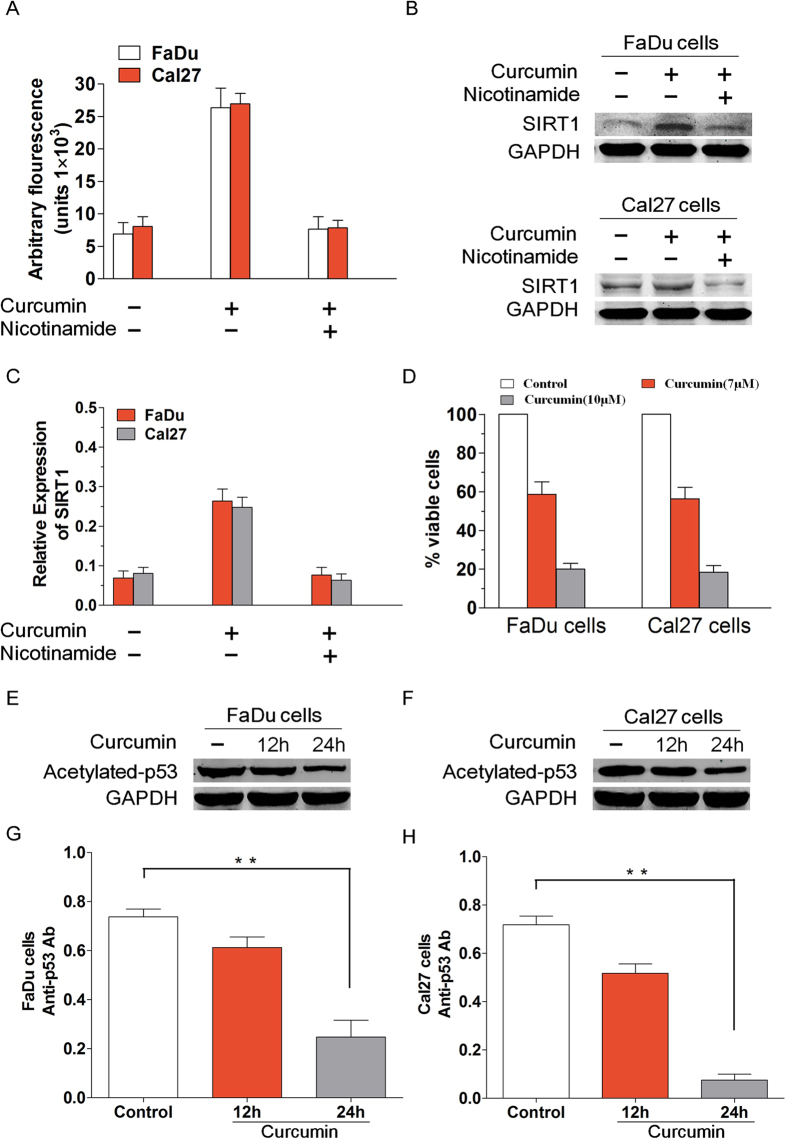
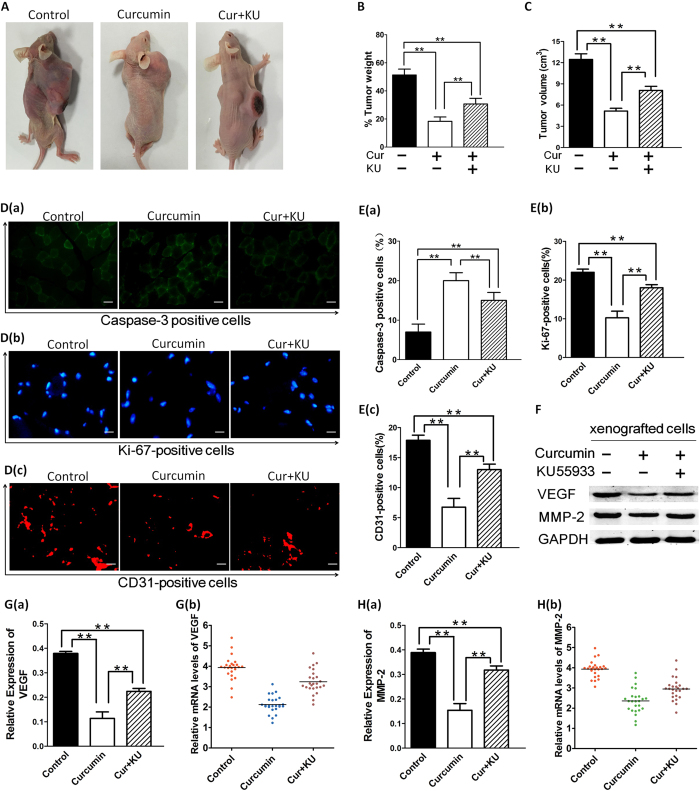
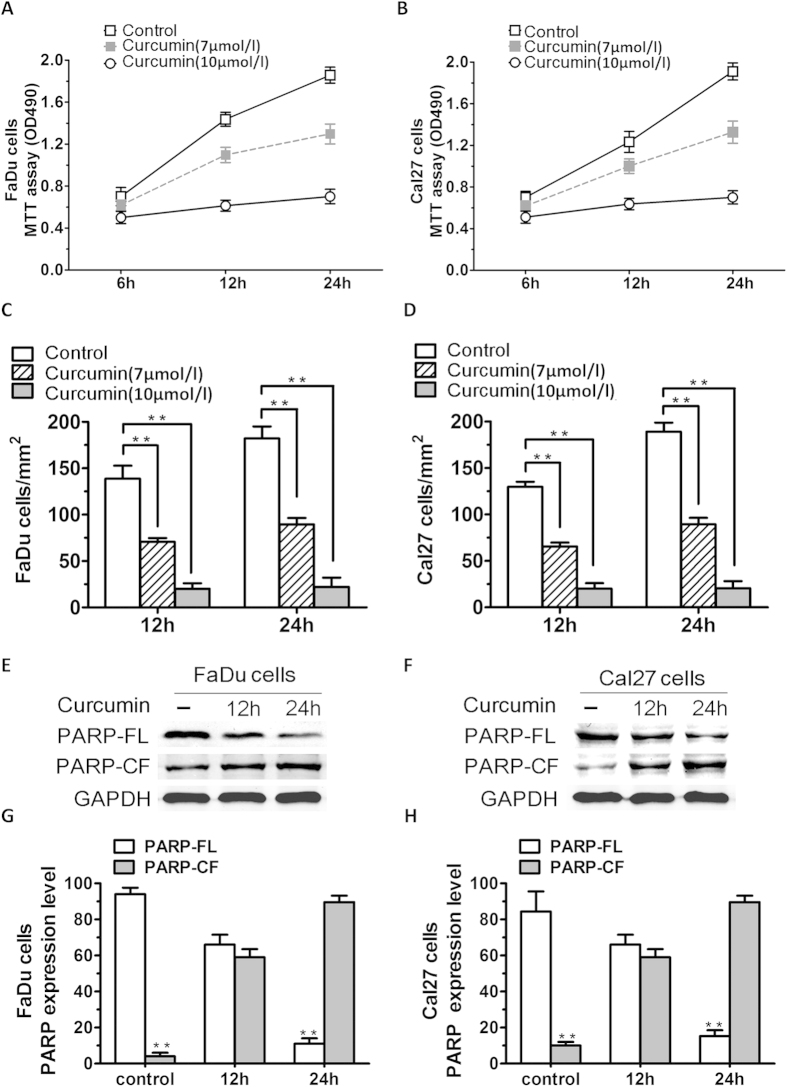
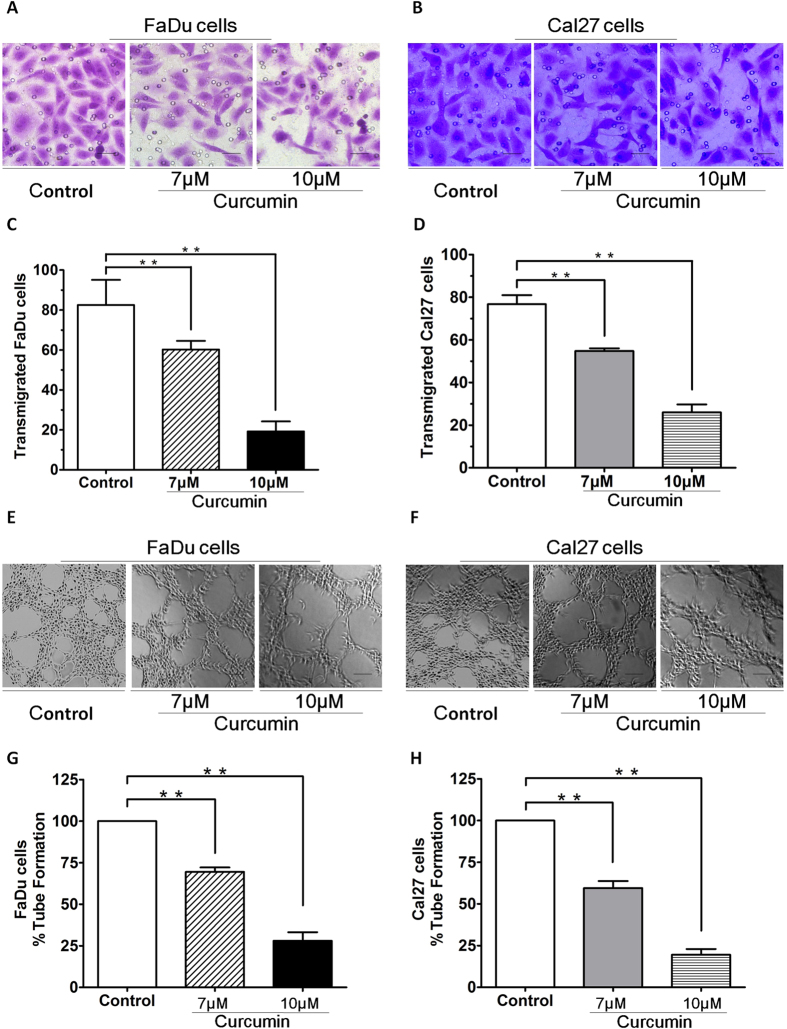
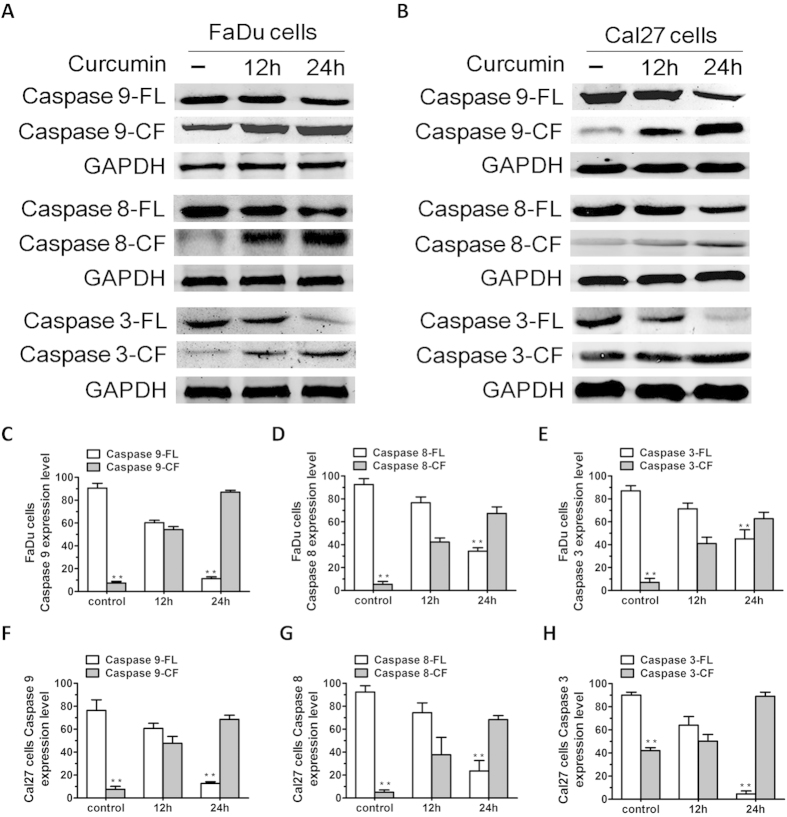
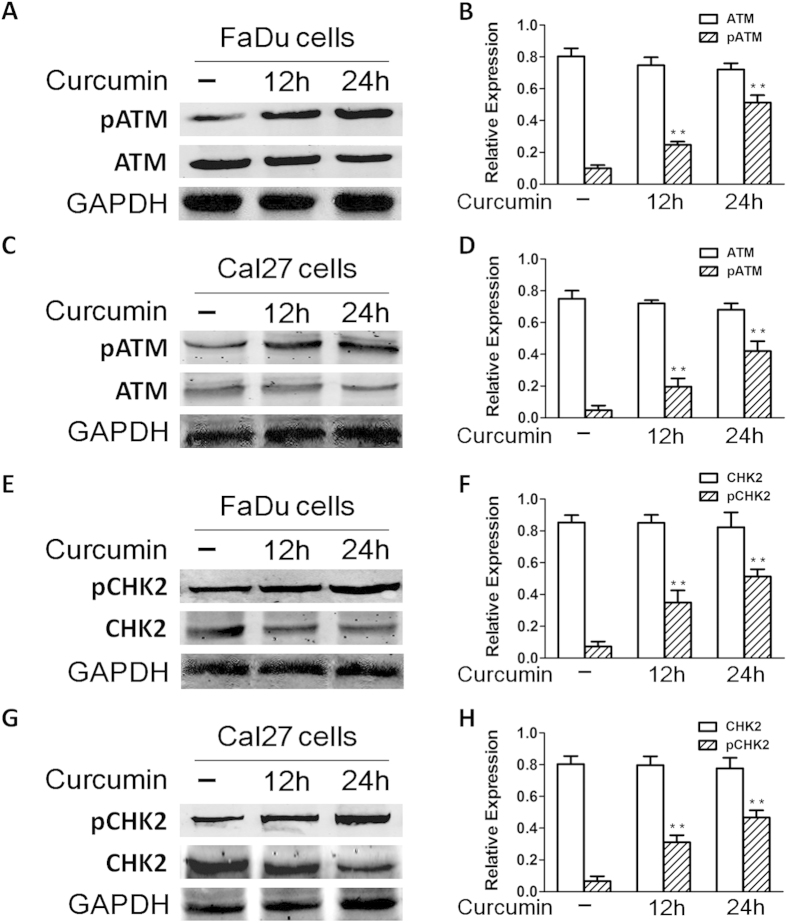
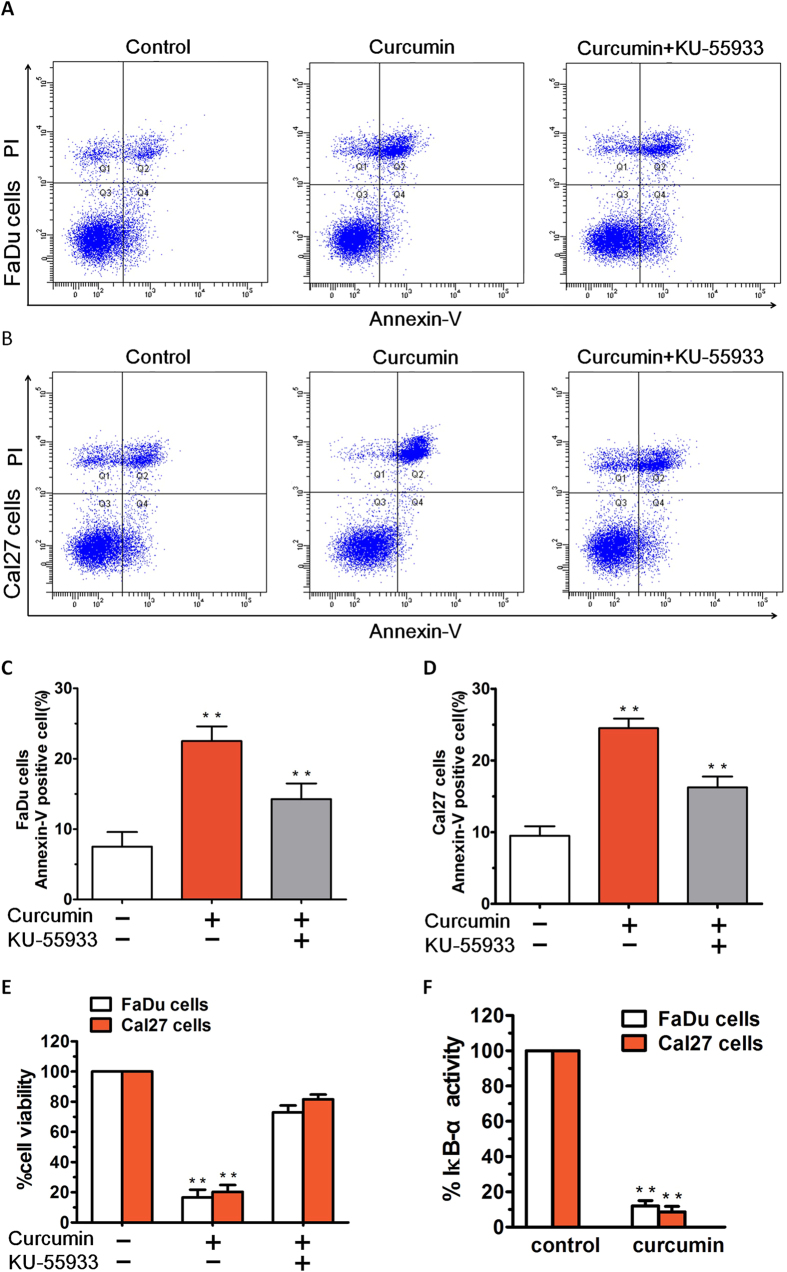
SIRT1 is one of seven mammalian homologs of Sir2 that catalyzes NAD(+)-dependent protein deacetylation. The aim of the present study is to explore the effect of SIRT1 small molecule activator on the anticancer activity and the underlying mechanism. We examined the anticancer activity of a novel oral agent, curcumin, which is the principal active ingredient of the traditional Chinese herb Curcuma Longa. Treatment of FaDu and Cal27 cells with curcumin inhibited growth and induced apoptosis. Mechanistic studies showed that anticancer activity of curcumin is associated with decrease in migration of HNSCC and associated angiogenesis through activating of intrinsic apoptotic pathway (caspase-9) and extrinsic apoptotic pathway (caspase-8). Our data demonstrating that anticancer activity of curcumin is linked to the activation of the ATM/CHK2 pathway and the inhibition of nuclear factor-κB. Finally, increasing SIRT1 through small molecule activator curcumin has shown beneficial effects in xenograft mouse model, indicating that SIRT1 may represent an attractive therapeutic target. Our studies provide the preclinical rationale for novel therapeutics targeting SIRT1 in HNSCC.
SIRT1是Sir2的七种哺乳动物同源物之一,可催化依赖烟酰胺腺嘌呤二核苷酸(NAD⁺)的蛋白质去乙酰化反应。本研究的目的是探讨SIRT1小分子激活剂对抗癌活性及其潜在机制的影响。我们检测了一种新型口服药物姜黄素的抗癌活性,姜黄素是传统中药姜黄的主要活性成分。用姜黄素处理FaDu和Cal27细胞可抑制其生长并诱导凋亡。机制研究表明,姜黄素的抗癌活性与头颈部鳞状细胞癌(HNSCC)迁移的减少以及通过激活内源性凋亡途径(半胱天冬酶-9)和外源性凋亡途径(半胱天冬酶-8)相关的血管生成的减少有关。我们的数据表明,姜黄素的抗癌活性与ATM/CHK2途径的激活以及核因子-κB的抑制有关。最后,通过小分子激活剂姜黄素增加SIRT1在异种移植小鼠模型中显示出有益效果,表明SIRT1可能是一个有吸引力的治疗靶点。我们的研究为针对HNSCC中SIRT1的新型治疗方法提供了临床前理论依据。