Jacovetti Cécile, Matkovich Scot J, Rodriguez-Trejo Adriana, Guay Claudiane, Regazzi Romano
Department of Fundamental Neurosciences, University of Lausanne, Lausanne 1005, Switzerland.
Department of Internal Medicine, Center for Pharmacogenomics, Washington University School of Medicine, St Louis, Missouri 63110, USA.
Nat Commun. 2015 Sep 2;6:8084. doi: 10.1038/ncomms9084.
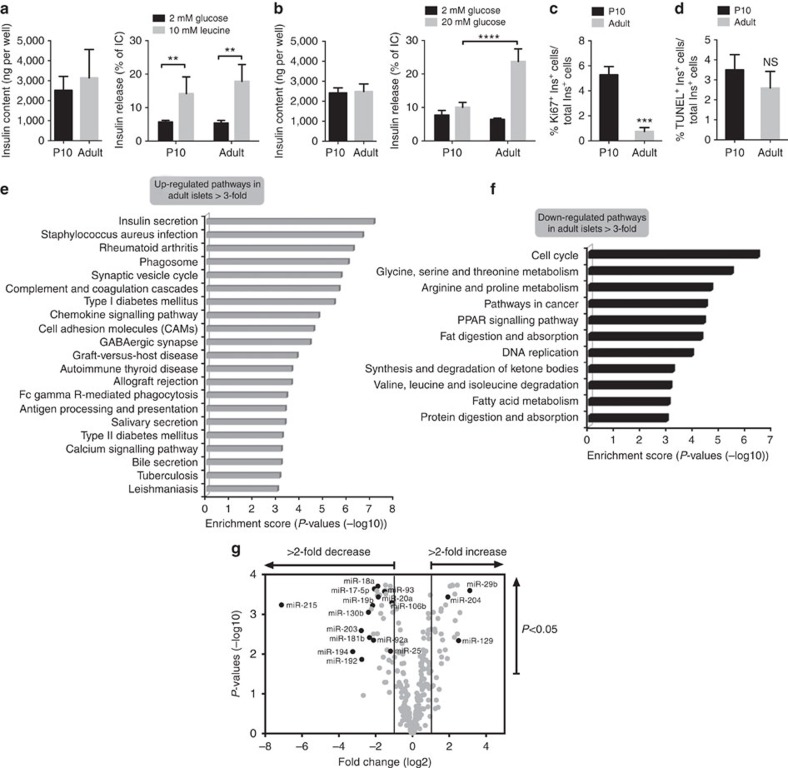
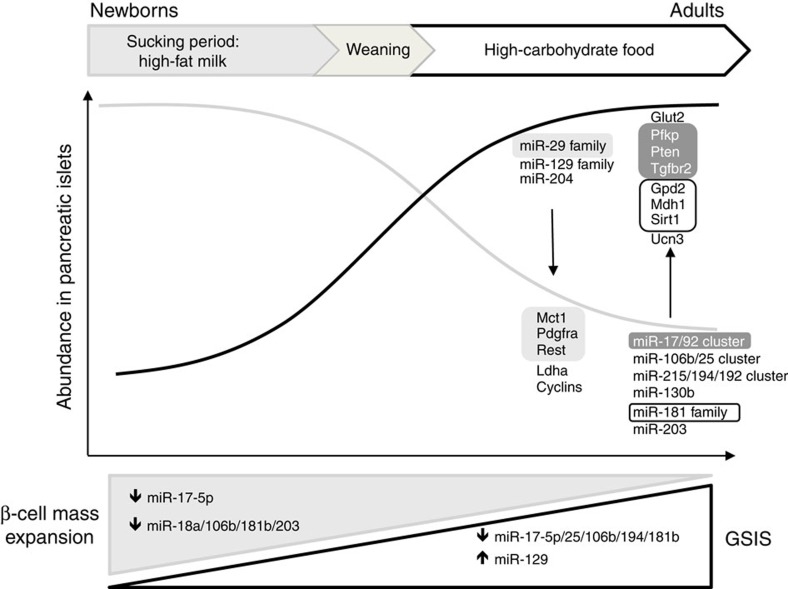
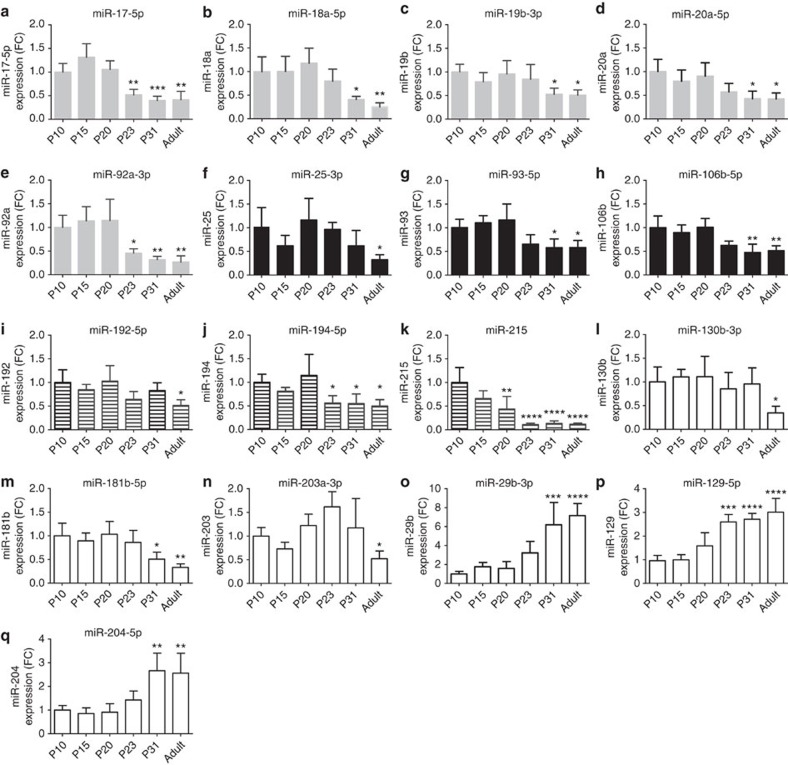
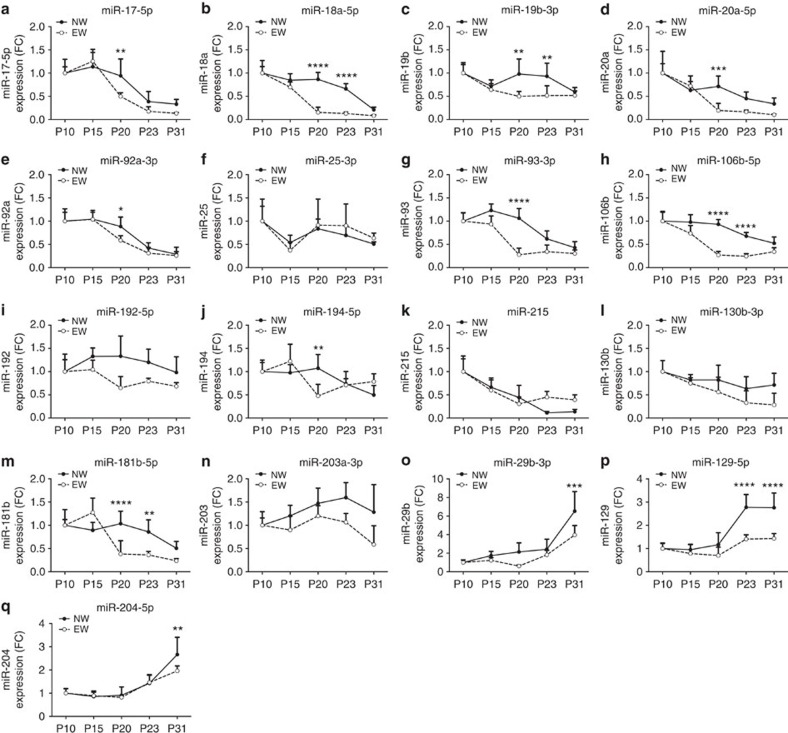
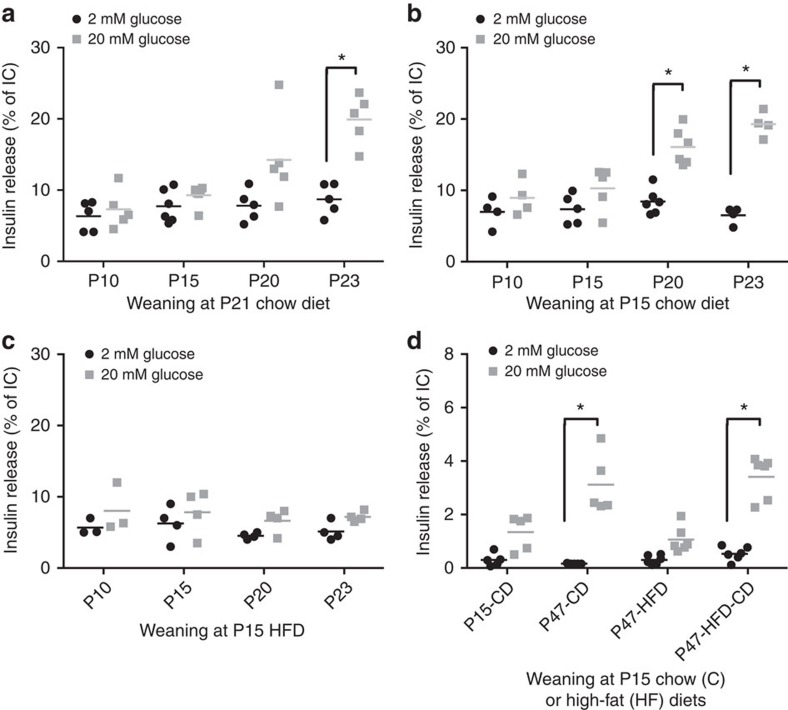
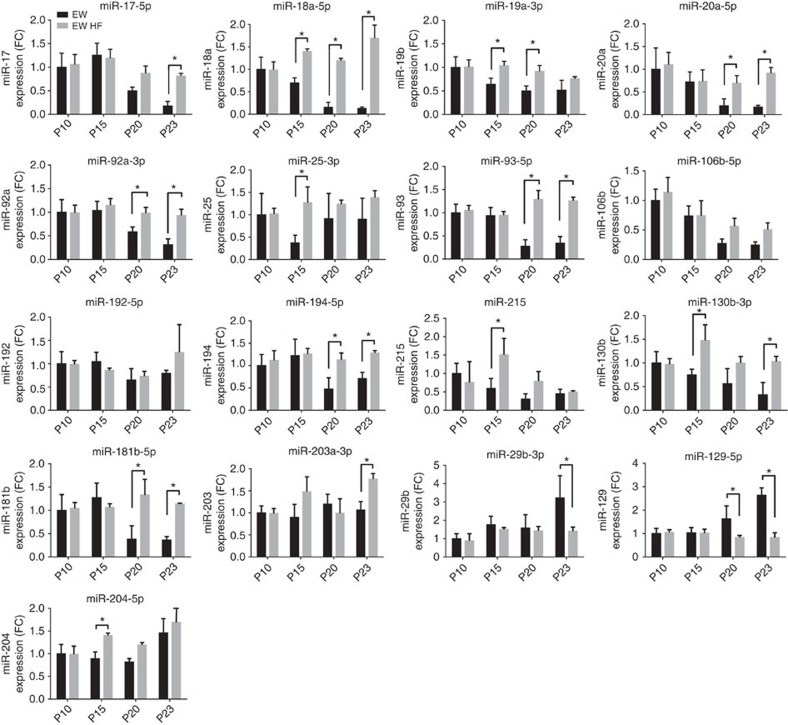
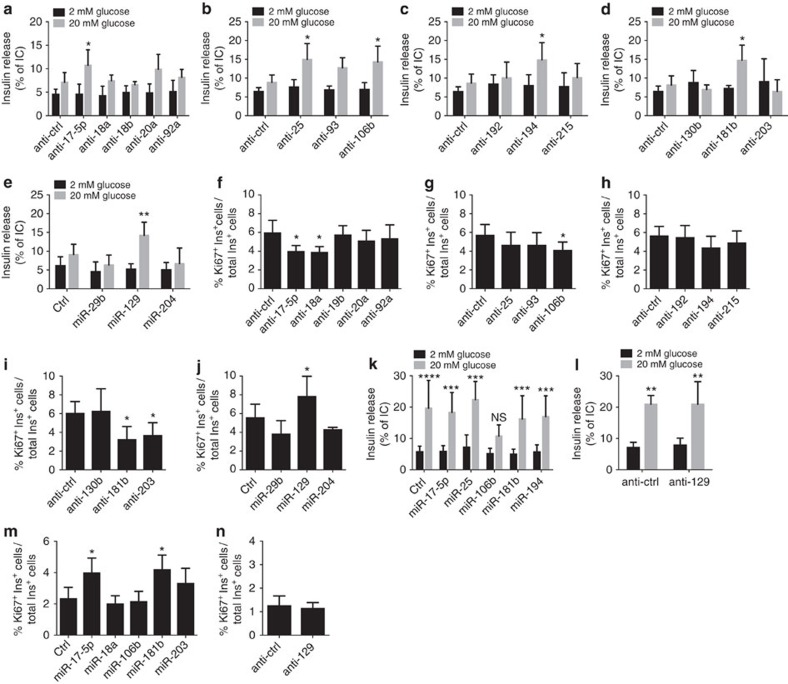
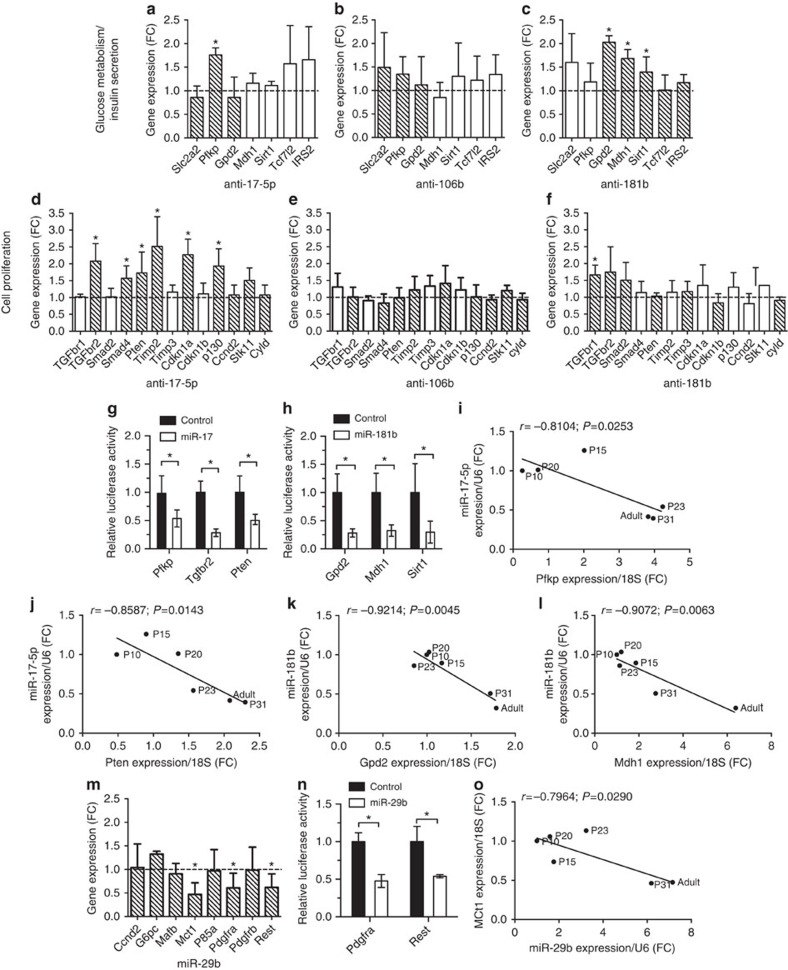
Glucose-induced insulin secretion is an essential function of pancreatic β-cells that is partially lost in individuals affected by Type 2 diabetes. This unique property of β-cells is acquired through a poorly understood postnatal maturation process involving major modifications in gene expression programs. Here we show that β-cell maturation is associated with changes in microRNA expression induced by the nutritional transition that occurs at weaning. When mimicked in newborn islet cells, modifications in the level of specific microRNAs result in a switch in the expression of metabolic enzymes and cause the acquisition of glucose-induced insulin release. Our data suggest microRNAs have a central role in postnatal β-cell maturation and in the determination of adult functional β-cell mass. A better understanding of the events governing β-cell maturation may help understand why some individuals are predisposed to developing diabetes and could lead to new strategies for the treatment of this common metabolic disease.
葡萄糖诱导的胰岛素分泌是胰腺β细胞的一项基本功能,在2型糖尿病患者中该功能会部分丧失。β细胞的这一独特特性是通过一个尚不清楚的产后成熟过程获得的,该过程涉及基因表达程序的重大改变。我们在此表明,β细胞成熟与断奶时发生的营养转变所诱导的微小RNA表达变化有关。当在新生胰岛细胞中模拟这种情况时,特定微小RNA水平的改变会导致代谢酶表达的转变,并促使细胞获得葡萄糖诱导的胰岛素释放能力。我们的数据表明,微小RNA在产后β细胞成熟以及成年功能性β细胞量的决定中起着核心作用。更好地理解控制β细胞成熟的事件,可能有助于理解为何有些人易患糖尿病,并可能带来治疗这种常见代谢疾病的新策略。