Gómez-Laich Agustina, Yoda Ken, Zavalaga Carlos, Quintana Flavio
Instituto de Biología de Organismos Marinos (IBIOMAR-CENPAT), Consejo Nacional de Investigaciones Científicas y Técnicas (CONICET), Boulevard Brown 2915, Puerto Madryn (U9120ACD), Chubut, Argentina.
Graduate School of Environmental Studies, Nagoya University, Furo-cho, Chikusa-ku, Nagoya 464-8601, Japan.
PLoS One. 2015 Sep 14;10(9):e0136980. doi: 10.1371/journal.pone.0136980. eCollection 2015.
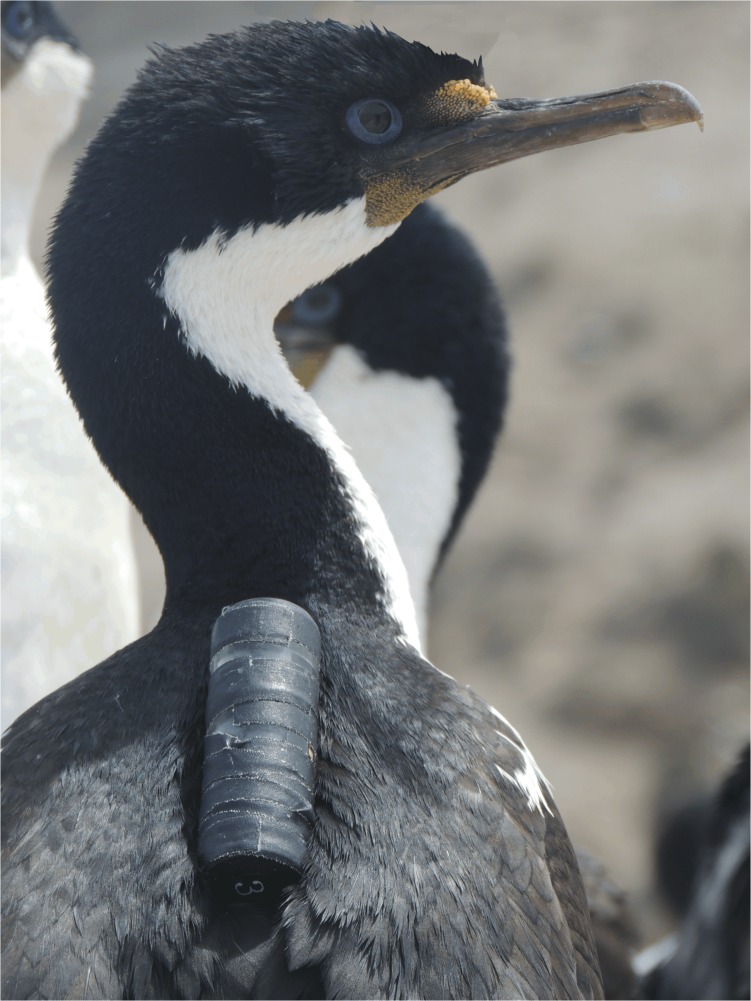
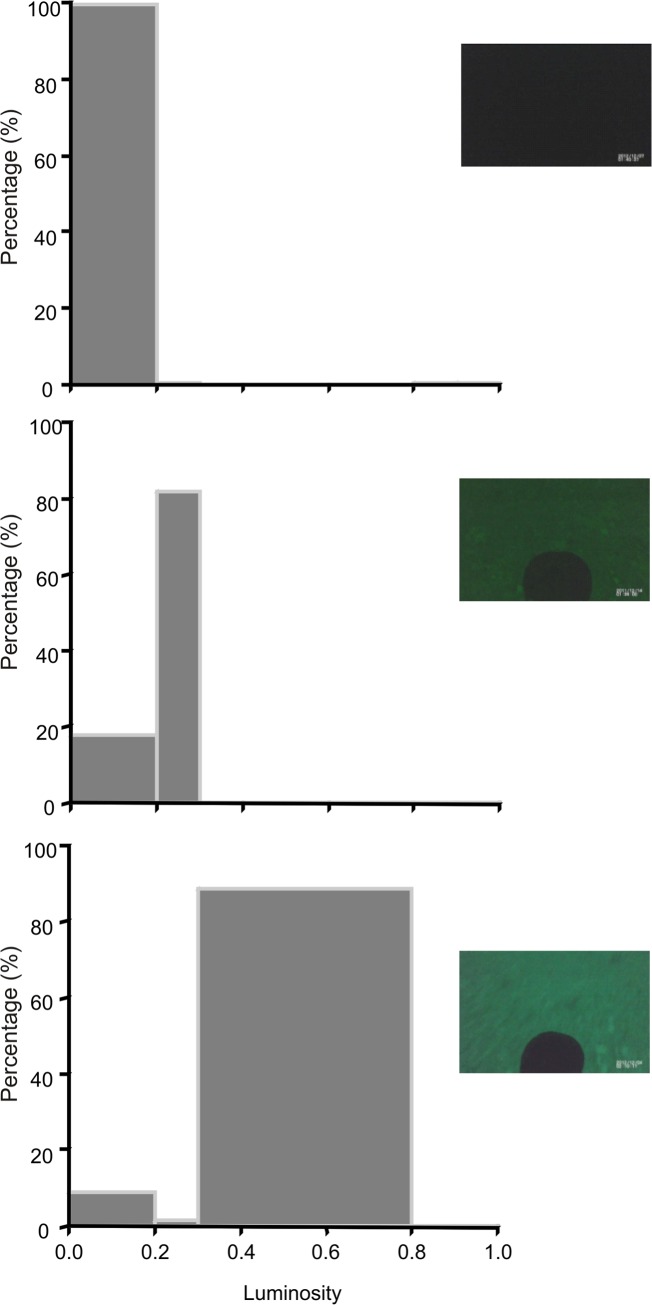
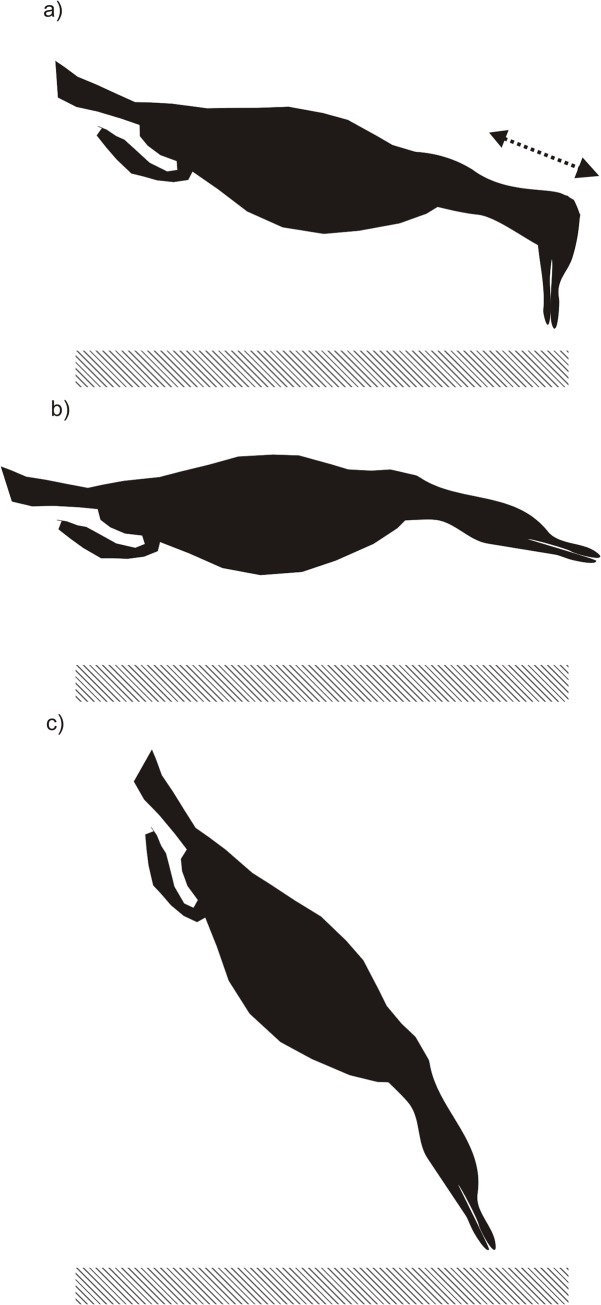
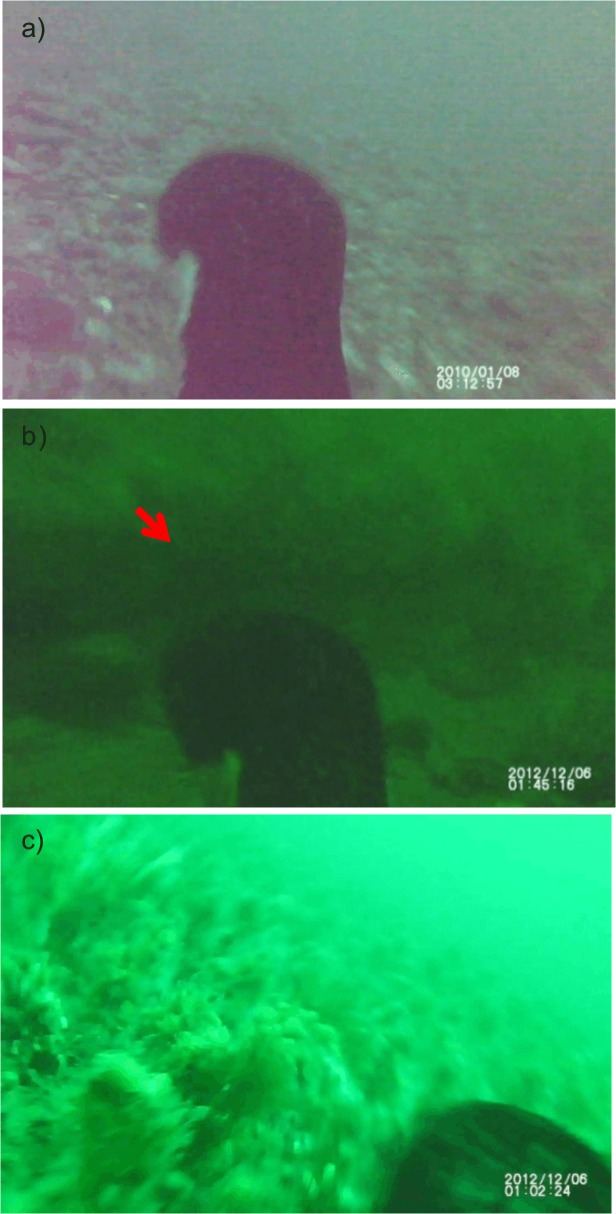
During the last few years, the development of animal-borne still cameras and video recorders has enabled researchers to observe what a wild animal sees in the field. In the present study, we deployed miniaturized video recorders to investigate the underwater foraging behavior of Imperial cormorants (Phalacrocorax atriceps). Video footage was obtained from 12 animals and 49 dives comprising a total of 8.1 h of foraging data. Video information revealed that Imperial cormorants are almost exclusively benthic feeders. While foraging along the seafloor, animals did not necessarily keep their body horizontal but inclined it downwards. The head of the instrumented animal was always visible in the videos and in the majority of the dives it was moved constantly forward and backward by extending and contracting the neck while travelling on the seafloor. Animals detected prey at very short distances, performed quick capture attempts and spent the majority of their time on the seafloor searching for prey. Cormorants foraged at three different sea bottom habitats and the way in which they searched for food differed between habitats. Dives were frequently performed under low luminosity levels suggesting that cormorants would locate prey with other sensory systems in addition to sight. Our video data support the idea that Imperial cormorants' efficient hunting involves the use of specialized foraging techniques to compensate for their poor underwater vision.
在过去几年中,动物携带式静态相机和录像机的发展使研究人员能够观察野生动物在野外看到的景象。在本研究中,我们部署了小型录像机来调查王鸬鹚(Phalacrocorax atriceps)的水下觅食行为。从12只动物身上获取了视频片段,共49次潜水,包含总计8.1小时的觅食数据。视频信息显示,王鸬鹚几乎完全是底栖觅食者。在沿着海底觅食时,动物不一定保持身体水平,而是向下倾斜。在视频中,佩戴仪器的动物的头部始终可见,并且在大多数潜水中,当在海底移动时,它通过伸展和收缩颈部不断地前后移动。动物在非常短的距离内发现猎物,进行快速的捕捉尝试,并将大部分时间花在海底寻找猎物上。鸬鹚在三种不同的海底栖息地觅食,它们寻找食物的方式在不同栖息地之间有所不同。潜水经常在低光照水平下进行,这表明鸬鹚除了视觉之外还会利用其他感官系统来定位猎物。我们的视频数据支持这样一种观点,即王鸬鹚的高效捕猎涉及使用专门的觅食技巧来弥补它们较差的水下视力。