Zhou Xuan, Ren Yu, Kong Lingping, Cai Guoshuai, Sun Shanshan, Song Wangzhao, Wang Yu, Jin Rui, Qi Lisha, Mei Mei, Wang Xudong, Kang Chunsheng, Li Min, Zhang Lun
Department of Maxillofacial and Otorhinolaryngology Oncology, Tianjin Medical University Cancer Institute and Hospital, Key Laboratory of Cancer Prevention and Therapy, Tianjin Cancer Institute, National Clinical Research Center of Cancer, Tianjin, China.
Tianjin Research Center of Basic Medical Science, Tianjin Medical University, Tianjin, China.
Oncotarget. 2015 Oct 20;6(32):33720-32. doi: 10.18632/oncotarget.5606.
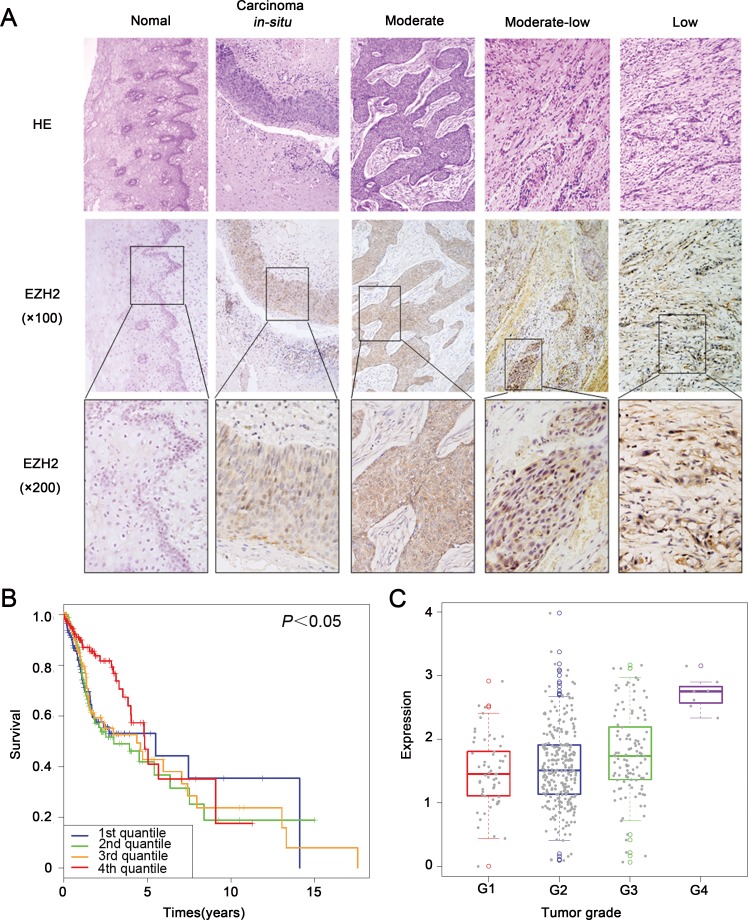
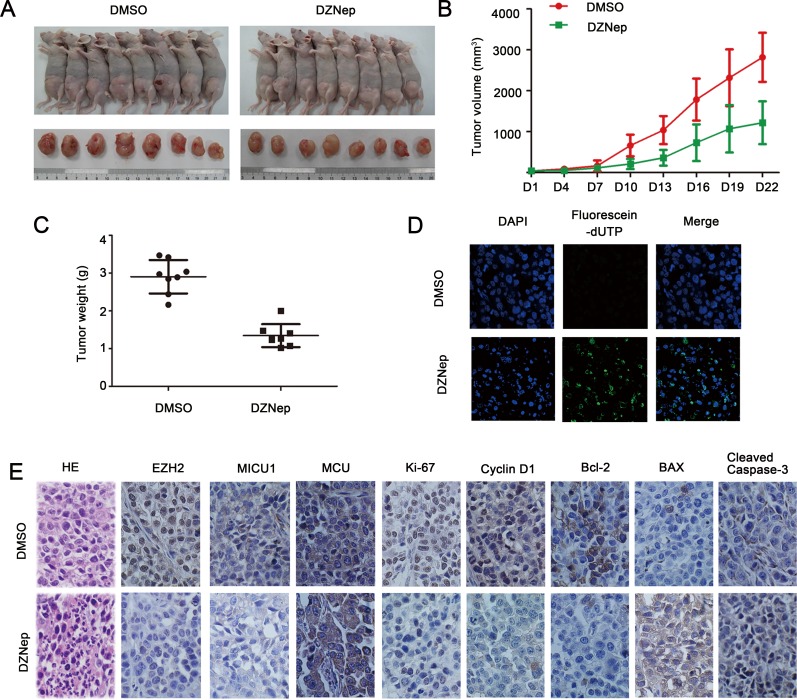
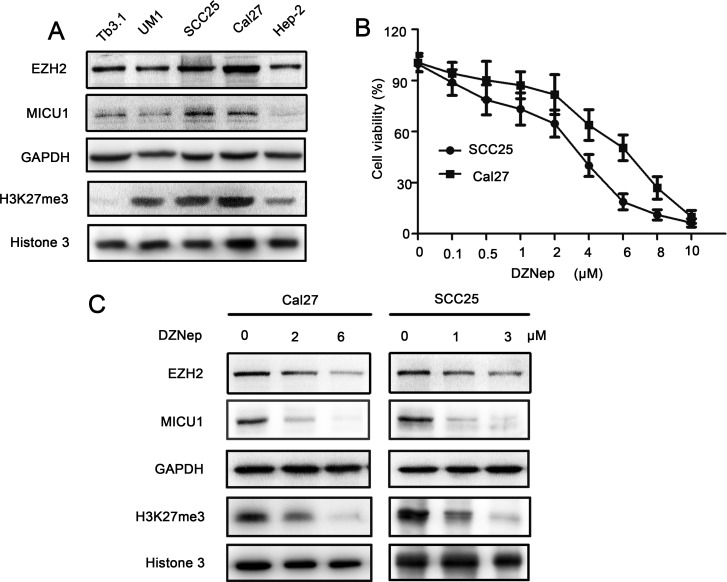
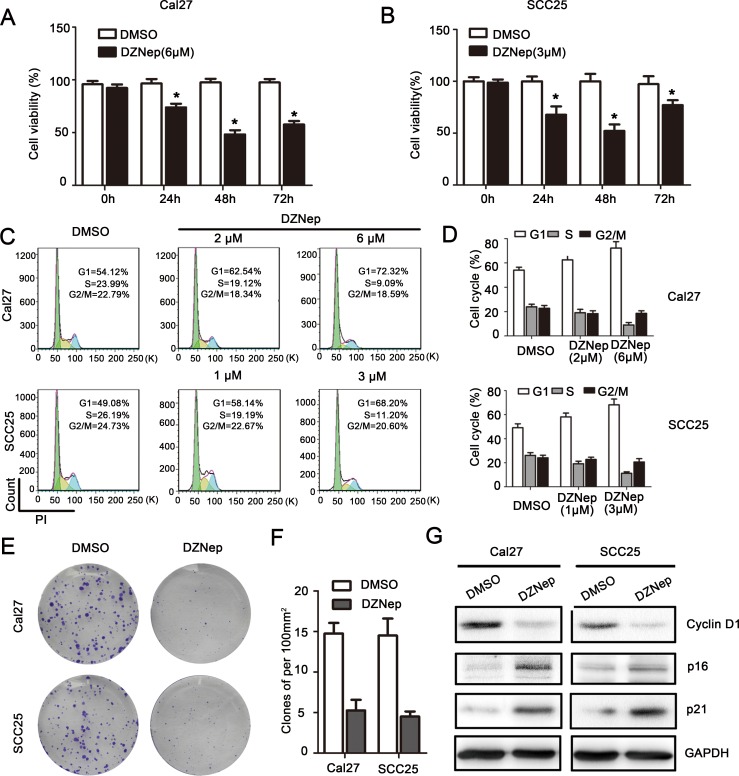
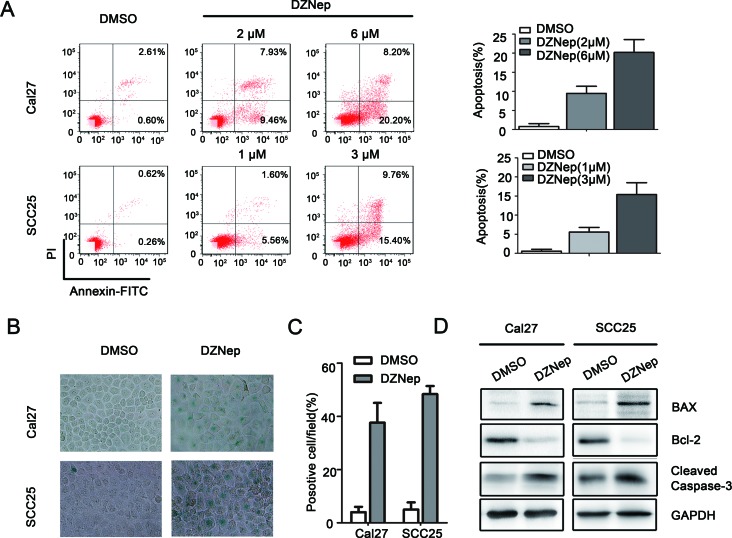
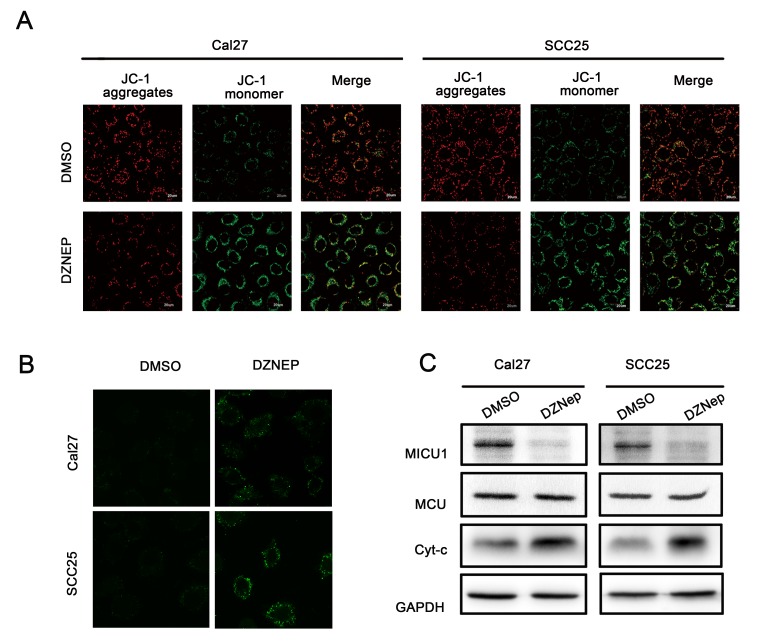
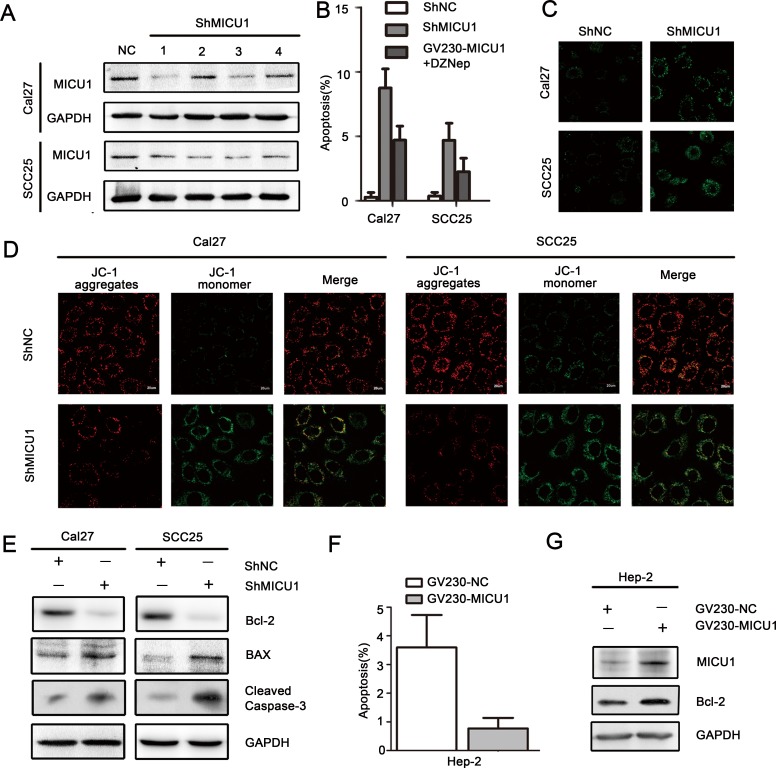
EZH2 is a negative prognostic factor and is overexpressed or activated in most human cancers including head and neck squamous cell carcinoma (HNSCC). Analysis of The Cancer Genome Atlas (TCGA) HNSCC data indicated that EZH2 over-expression was associated with high tumor grade and conferred poor prognosis. EZH2 inhibition triggered cell apoptosis, cell cycle arrest and decreased cell growth in vitro. MICU1 (mitochondrial calcium uptake1) was shown to be down regulated when EZH2 expression was inhibited in HNSCC. When the EZH2 and MICU1 were inhibited, HNSCC cells became susceptible to cell cycle arrest and apoptosis. Mitochondrial membrane potential and cytosolic Ca2+ concentration analysis suggested that EZH2 and MICU1 were required to maintain mitochondrial membrane potential stability. A xenograft tumor model was used to confirm that EZH2 depletion inhibited HNSCC cell growth and induced tumor cell apoptosis. In summary, EZH2 is a potential anti-tumor target in HNSCC.
EZH2是一种负性预后因素,在包括头颈部鳞状细胞癌(HNSCC)在内的大多数人类癌症中过表达或被激活。对癌症基因组图谱(TCGA)的HNSCC数据进行分析表明,EZH2过表达与肿瘤高分级相关,并预示着不良预后。EZH2抑制在体外可触发细胞凋亡、细胞周期停滞并降低细胞生长。在HNSCC中,当EZH2表达受到抑制时,线粒体钙摄取蛋白1(MICU1)被证明下调。当EZH2和MICU1均被抑制时,HNSCC细胞对细胞周期停滞和凋亡变得敏感。线粒体膜电位和胞质Ca2+浓度分析表明,EZH2和MICU1是维持线粒体膜电位稳定性所必需的。利用异种移植肿瘤模型证实,EZH2缺失可抑制HNSCC细胞生长并诱导肿瘤细胞凋亡。综上所述,EZH2是HNSCC中一个潜在的抗肿瘤靶点。