Goodrich L F, Cheggour N, Stauffer T C, Filla B J, Lu X F
Department of Physics, University of Colorado, Boulder, CO 80309 ; National Institute of Standards and Technology, Boulder, CO 80305.
National Institute of Standards and Technology, Boulder, CO 80305.
J Res Natl Inst Stand Technol. 2013 Aug 19;118:301-52. doi: 10.6028/jres.118.015. eCollection 2013.
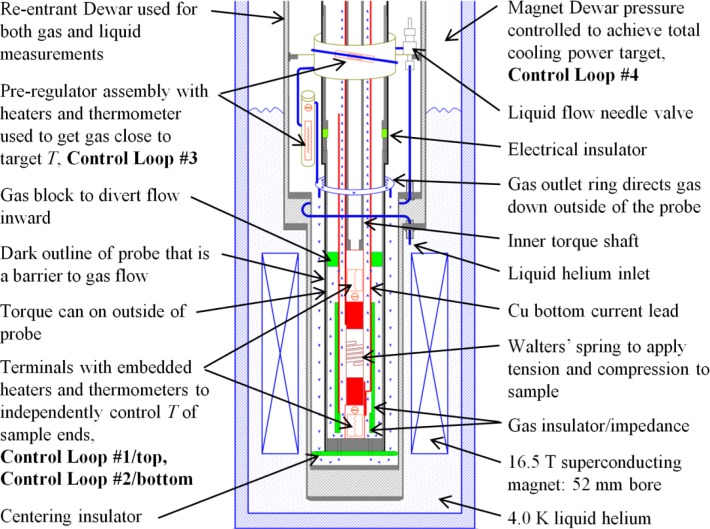
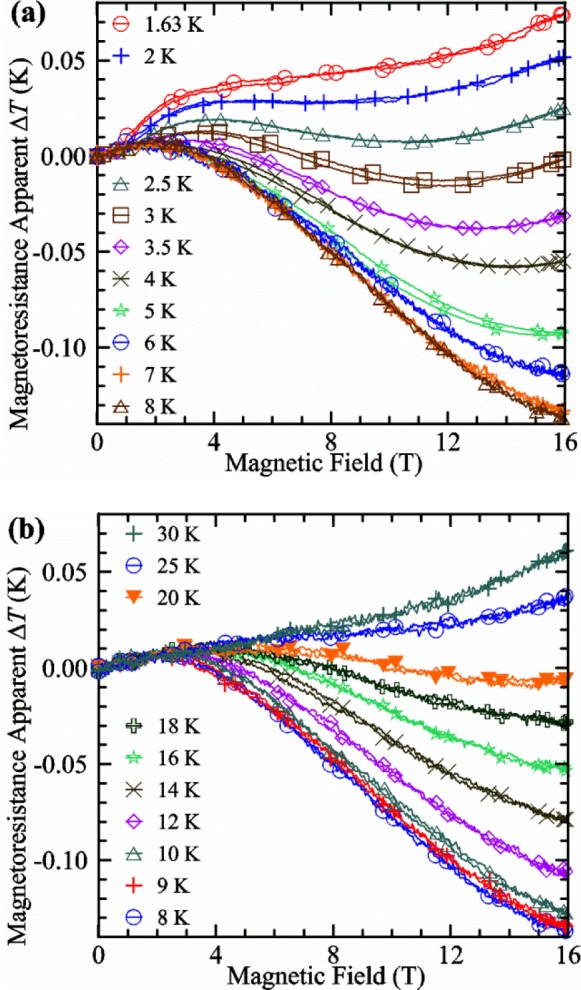
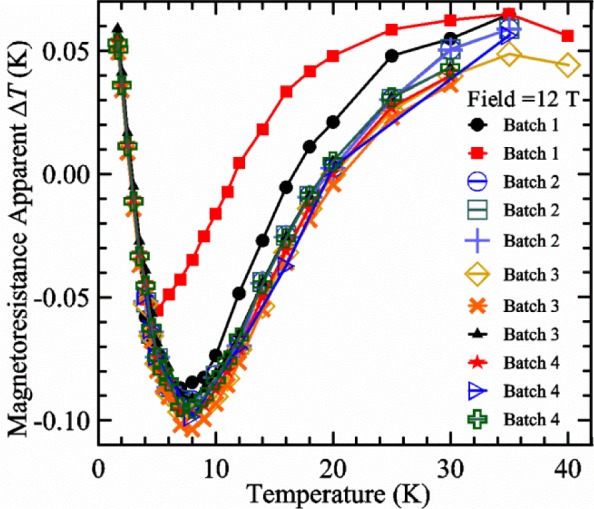
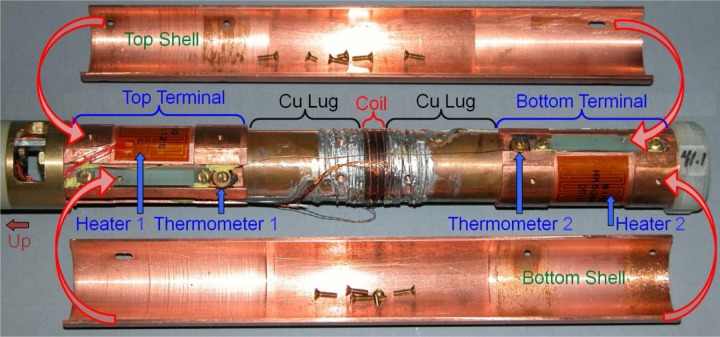
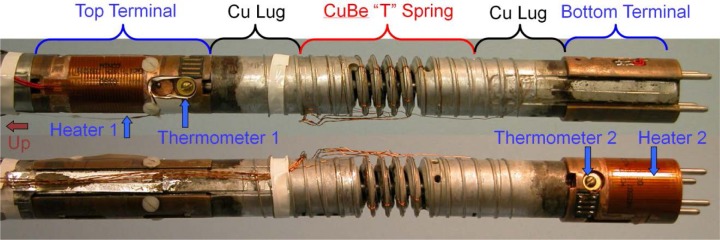
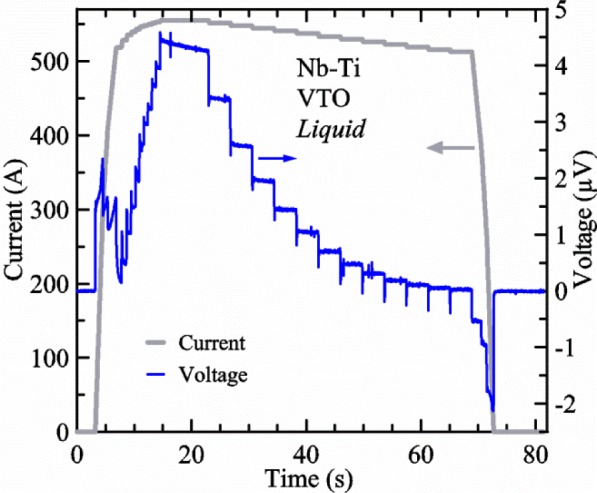
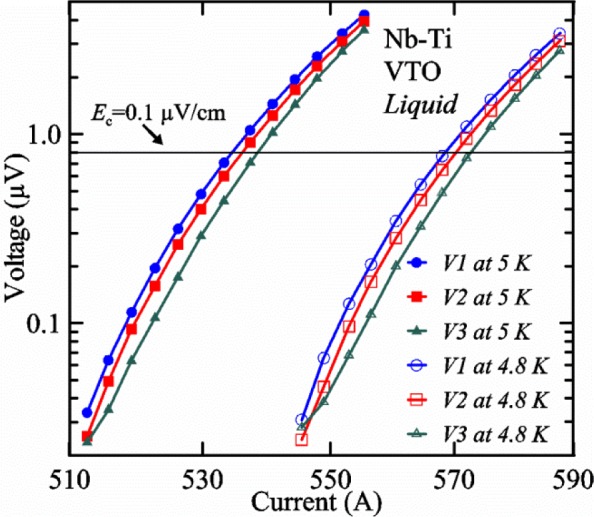
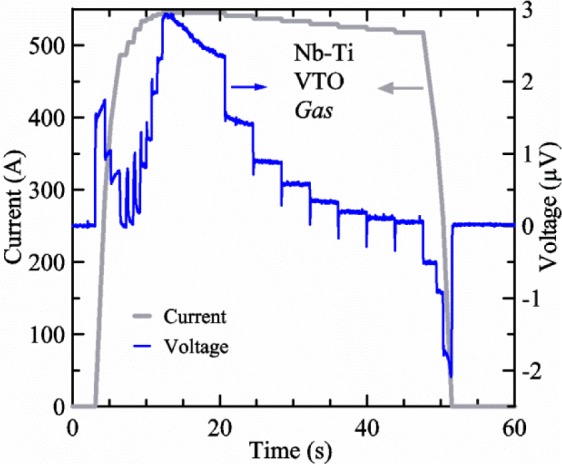
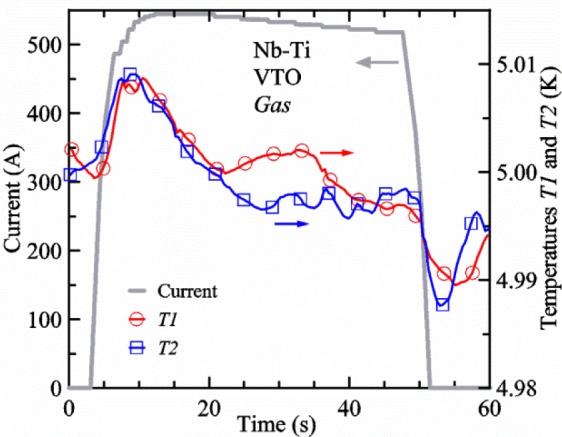
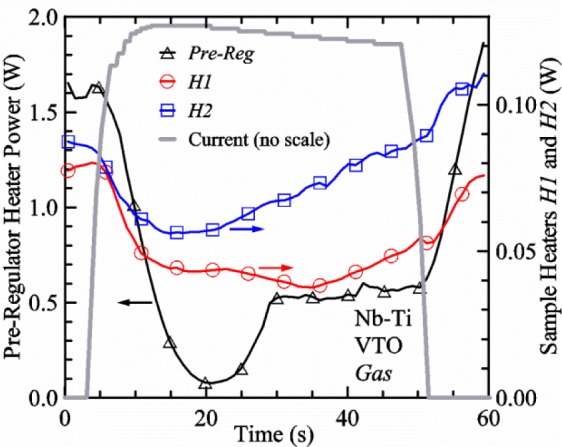
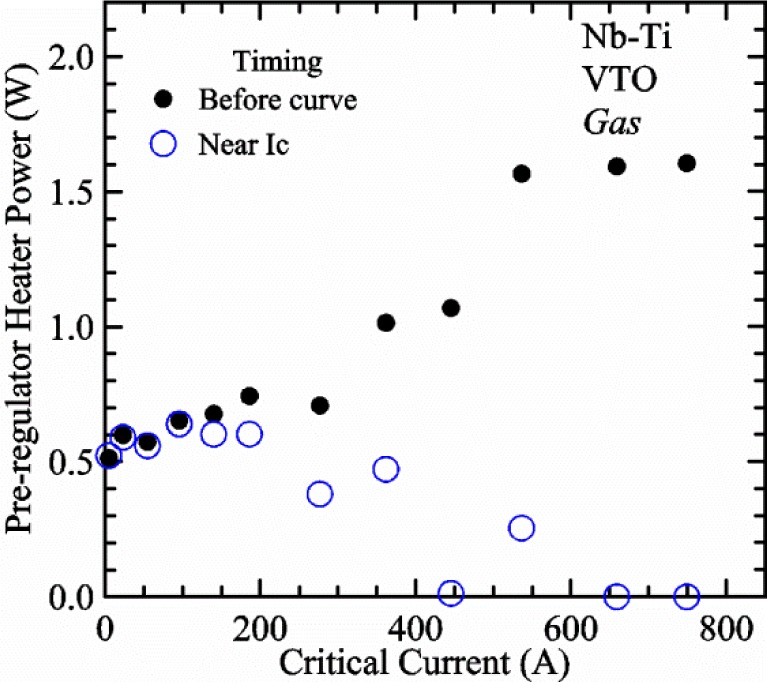
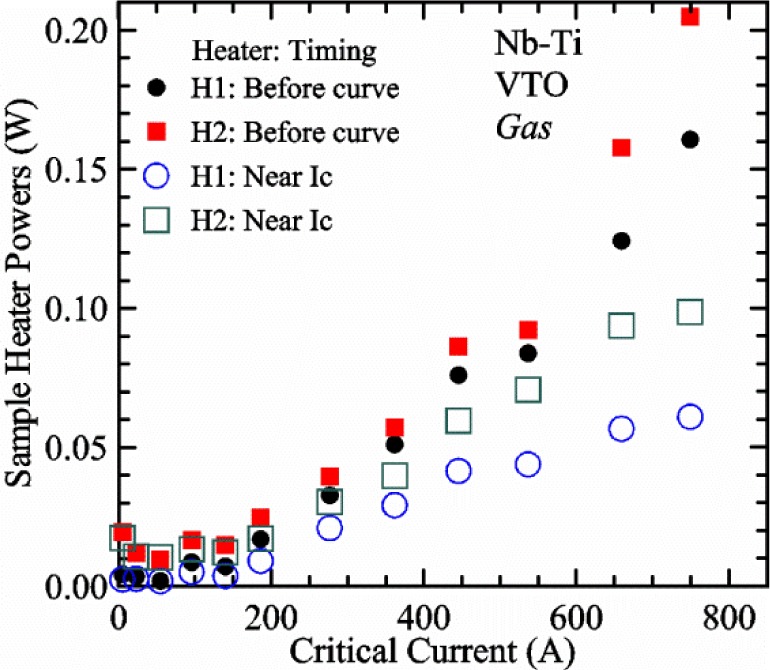
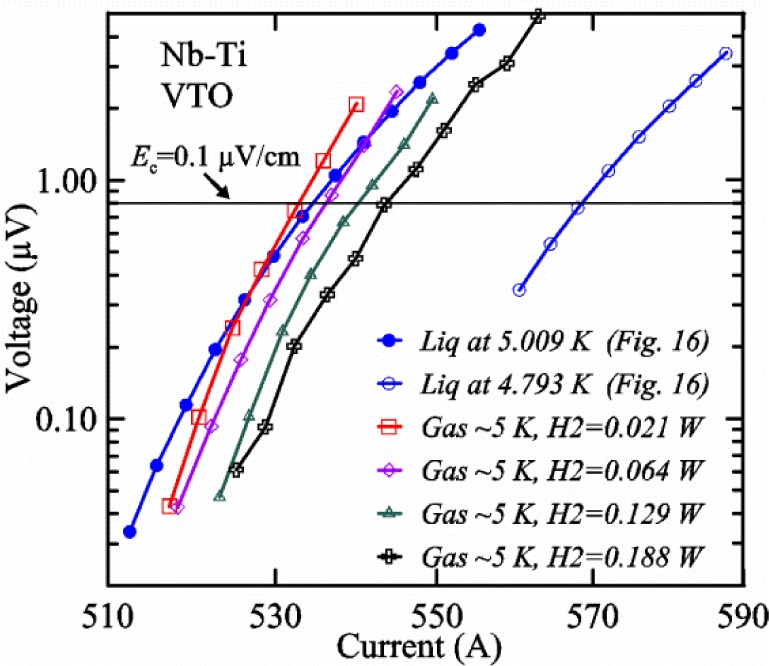
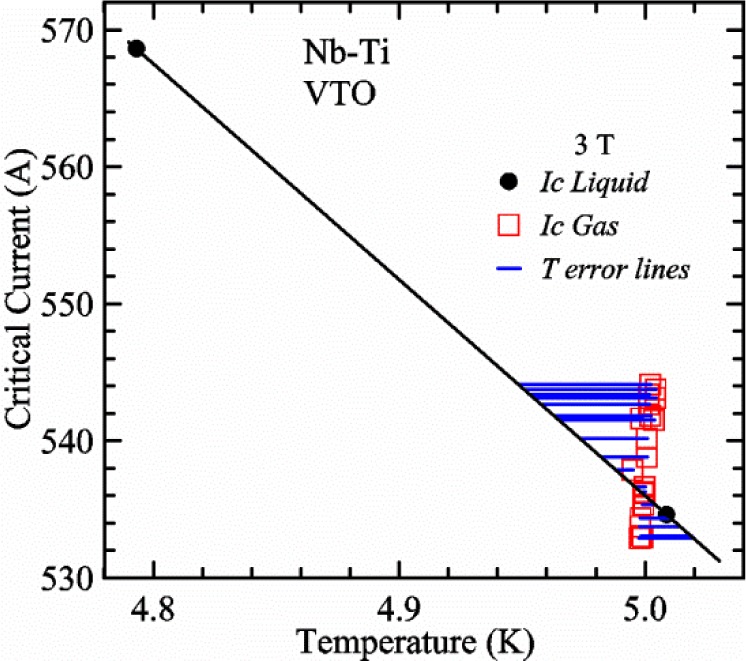
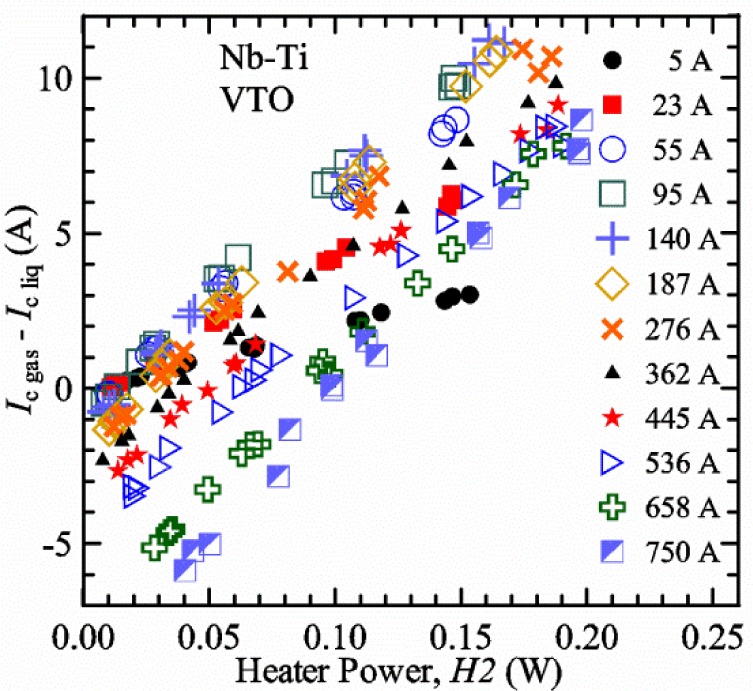
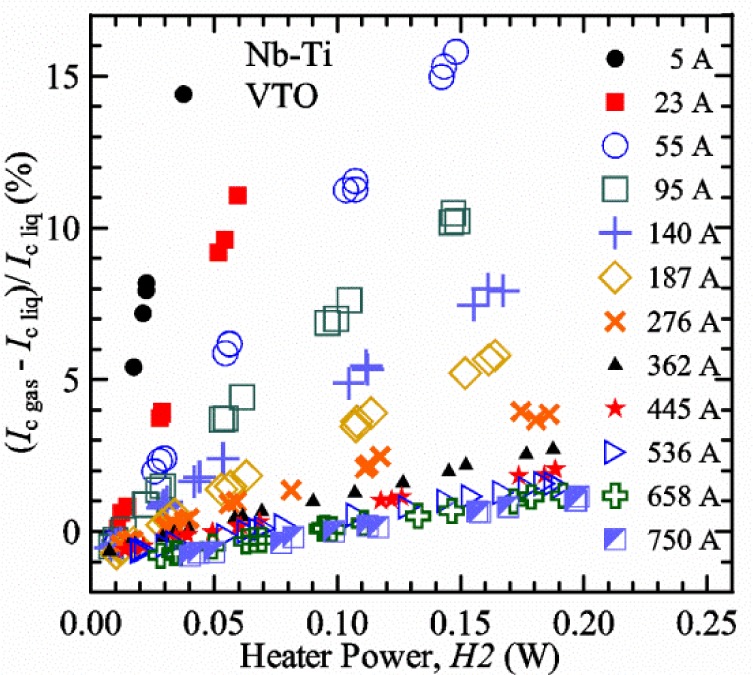
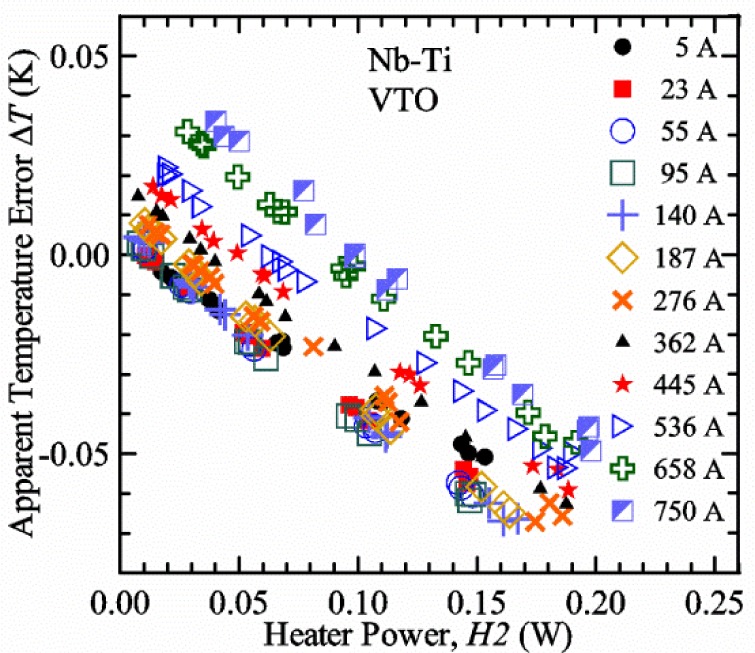
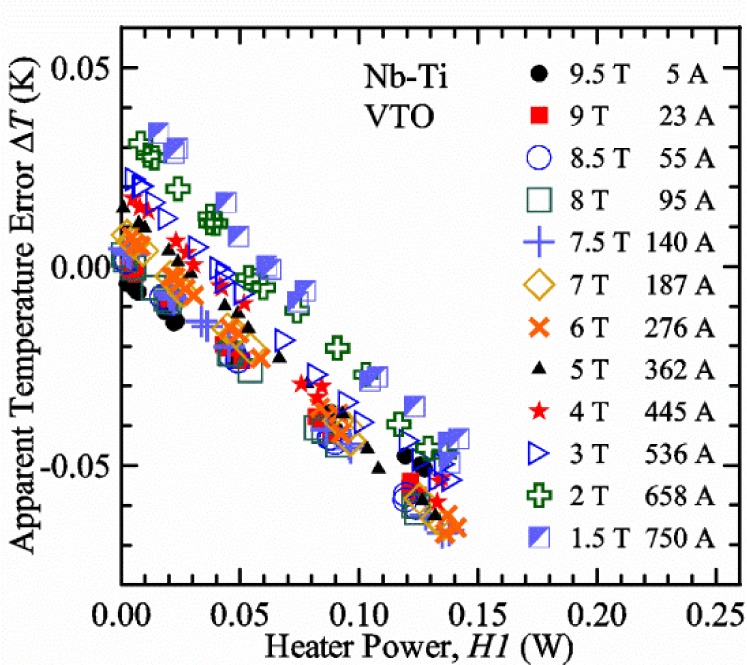
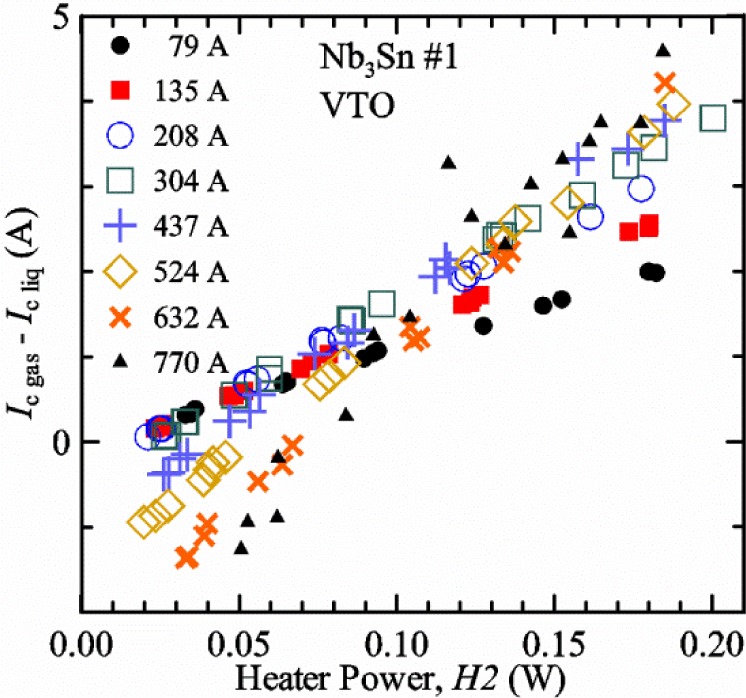
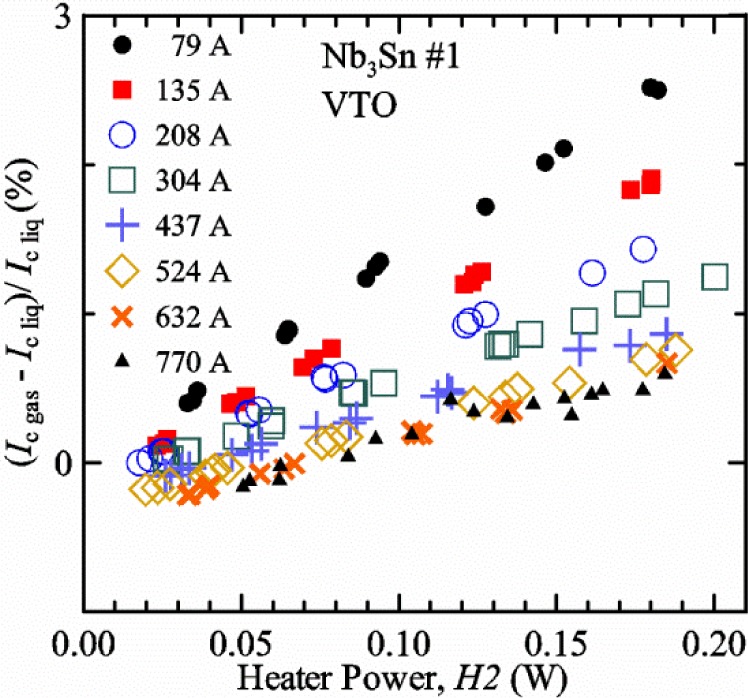
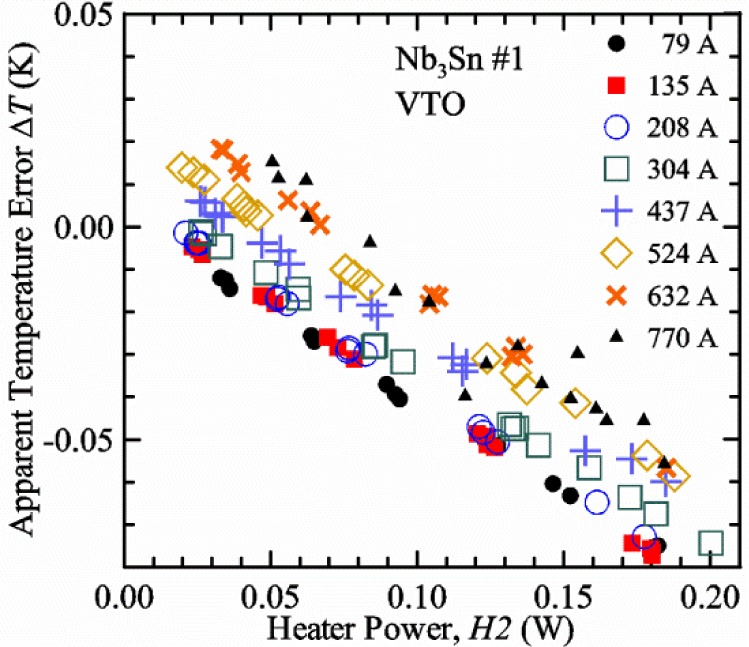
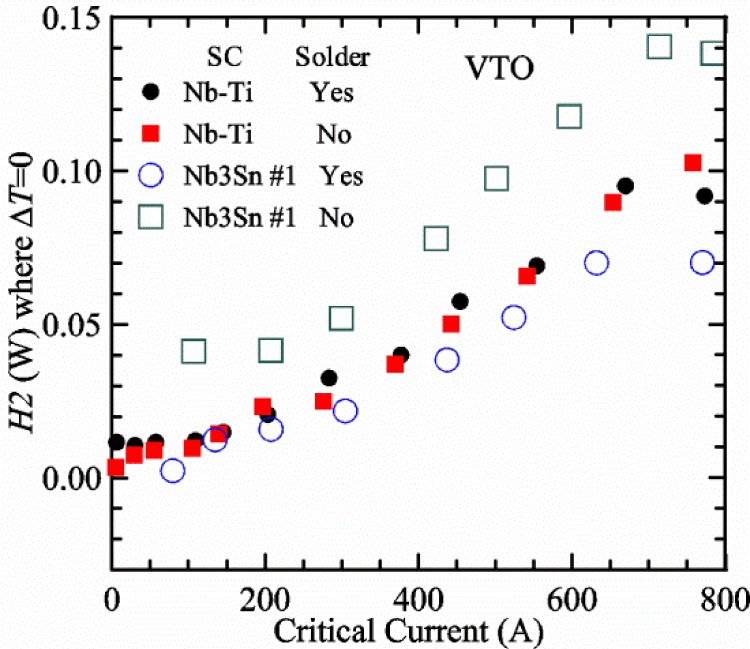
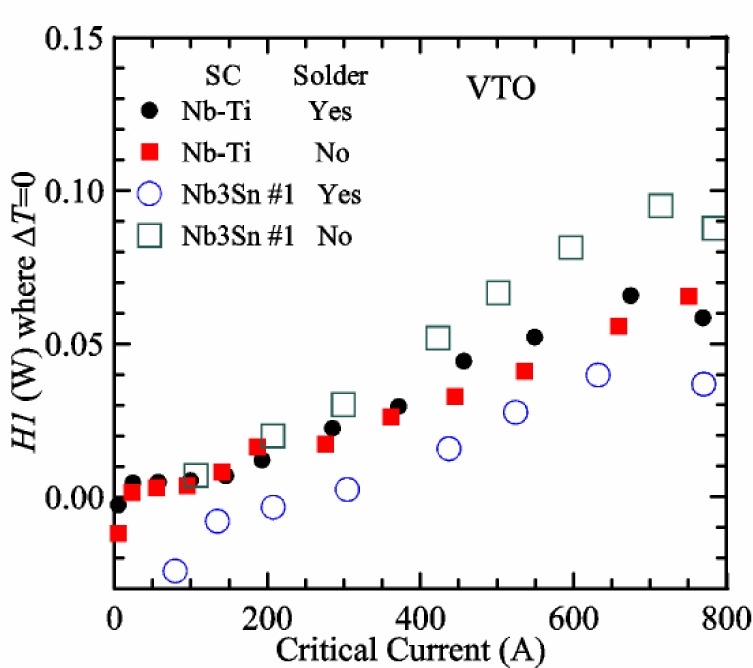
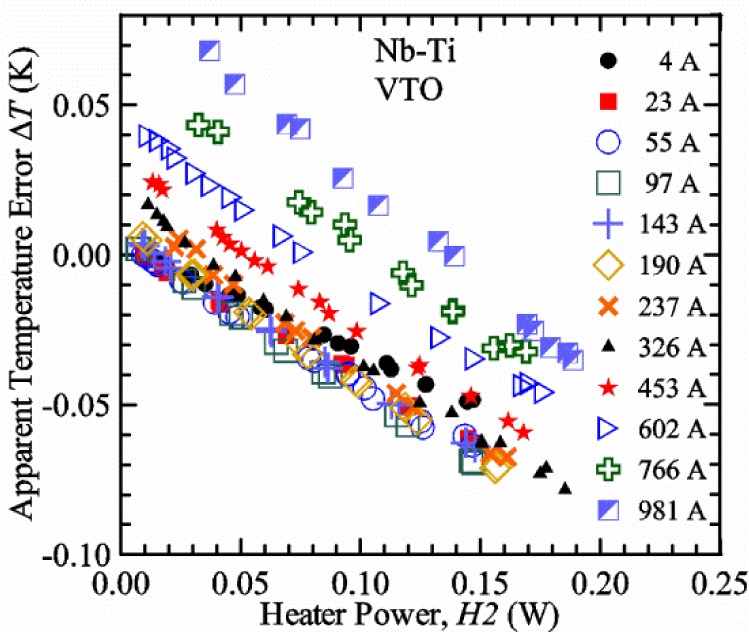
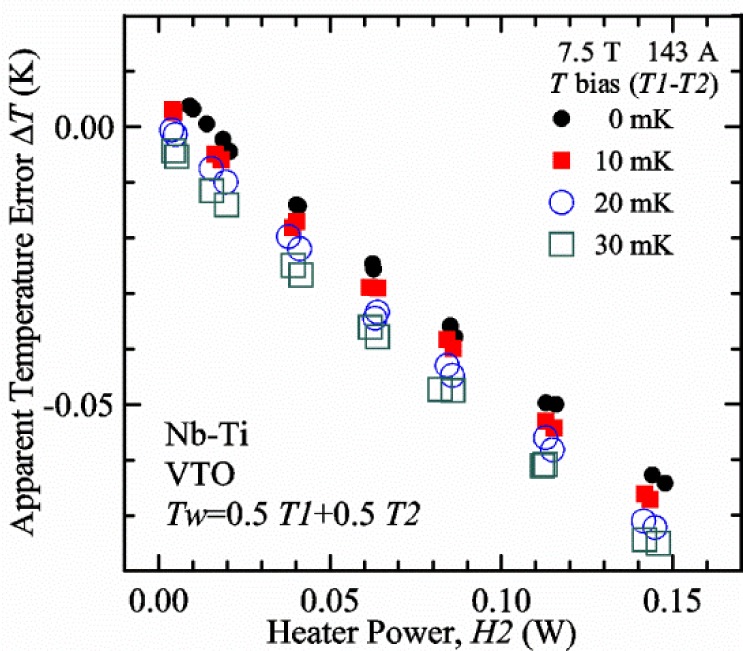
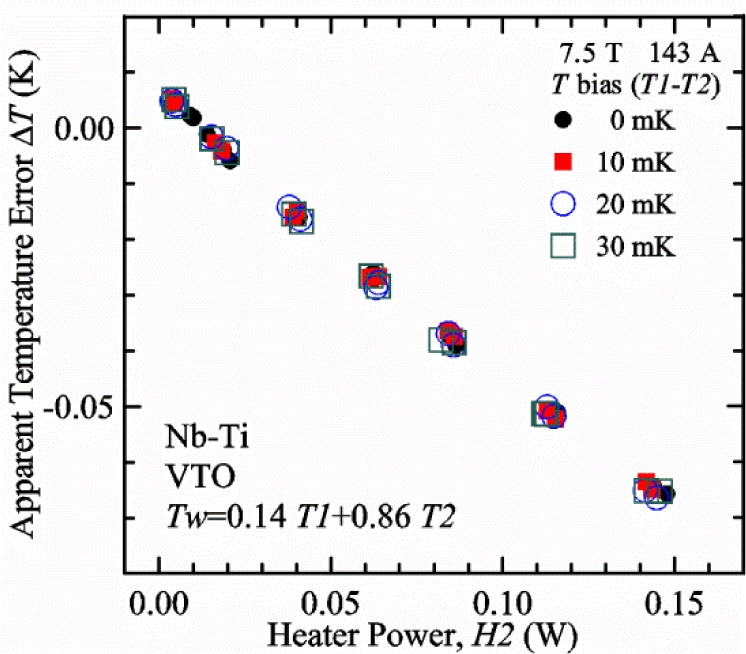
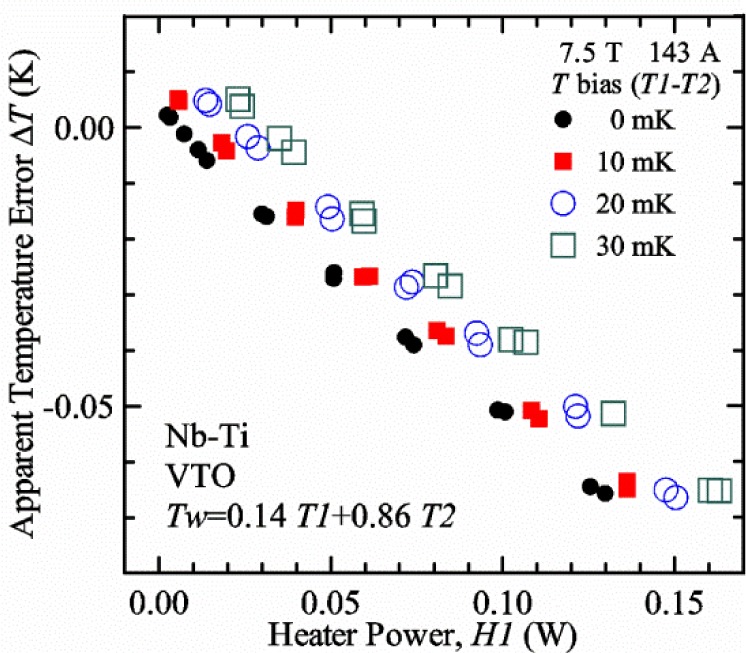
We review variable-temperature, transport critical-current (I c) measurements made on commercial superconductors over a range of critical currents from less than 0.1 A to about 1 kA. We have developed and used a number of systems to make these measurements over the last 15 years. Two exemplary variable-temperature systems with coil sample geometries will be described: a probe that is only variable-temperature and a probe that is variable-temperature and variable-strain. The most significant challenge for these measurements is temperature stability, since large amounts of heat can be generated by the flow of high current through the resistive sample fixture. Therefore, a significant portion of this review is focused on the reduction of temperature errors to less than ±0.05 K in such measurements. A key feature of our system is a pre-regulator that converts a flow of liquid helium to gas and heats the gas to a temperature close to the target sample temperature. The pre-regulator is not in close proximity to the sample and it is controlled independently of the sample temperature. This allows us to independently control the total cooling power, and thereby fine tune the sample cooling power at any sample temperature. The same general temperature-control philosophy is used in all of our variable-temperature systems, but the addition of another variable, such as strain, forces compromises in design and results in some differences in operation and protocol. These aspects are analyzed to assess the extent to which the protocols for our systems might be generalized to other systems at other laboratories. Our approach to variable-temperature measurements is also placed in the general context of measurement-system design, and the perceived advantages and disadvantages of design choices are presented. To verify the accuracy of the variable-temperature measurements, we compared critical-current values obtained on a specimen immersed in liquid helium ("liquid" or I c liq) at 5 K to those measured on the same specimen in flowing helium gas ("gas" or I c gas) at the same temperature. These comparisons indicate the temperature control is effective over the superconducting wire length between the voltage taps, and this condition is valid for all types of sample investigated, including Nb-Ti, Nb3Sn, and MgB2 wires. The liquid/gas comparisons are used to study the variable-temperature measurement protocol that was necessary to obtain the "correct" critical current, which was assumed to be the I c liq. We also calibrated the magnetoresistance effect of resistive thermometers for temperatures from 4 K to 35 K and magnetic fields from 0 T to 16 T. This calibration reduces systematic errors in the variable-temperature data, but it does not affect the liquid/gas comparison since the same thermometers are used in both cases.
我们回顾了在一系列临界电流(从小于0.1 A到约1 kA)下对商用超导体进行的变温传输临界电流(Ic)测量。在过去15年中,我们开发并使用了多种系统来进行这些测量。将描述两种具有线圈样品几何结构的示例性变温系统:一种仅可变温度的探头和一种可变温度及可变应变的探头。这些测量面临的最重大挑战是温度稳定性,因为大电流通过电阻性样品夹具流动时会产生大量热量。因此,本综述的很大一部分重点是在这类测量中将温度误差降低到±0.05 K以下。我们系统的一个关键特性是预调节器,它将液氦流转化为气体,并将气体加热到接近目标样品温度的温度。预调节器与样品距离不近,且独立于样品温度进行控制。这使我们能够独立控制总冷却功率,从而在任何样品温度下微调样品冷却功率。我们所有的变温系统都采用相同的一般温度控制原理,但增加另一个变量(如应变)会导致设计上的折衷,并在操作和协议上产生一些差异。分析这些方面以评估我们系统的协议在多大程度上可推广到其他实验室的其他系统。我们的变温测量方法也放在测量系统设计的一般背景下进行讨论,并介绍了设计选择的明显优缺点。为了验证变温测量的准确性,我们将在5 K下浸入液氦中的样品(“液体”或Icliquid)上获得的临界电流值与在相同温度下流动氦气中的同一样品(“气体”或Icgas)上测量的临界电流值进行了比较。这些比较表明,在电压抽头之间的超导线长度上温度控制是有效的,并且这种情况对所有研究的样品类型(包括Nb - Ti、Nb3Sn和MgB2导线)都是有效的。液/气比较用于研究获得假定为Icliquid的“正确”临界电流所需的变温测量协议。我们还校准了电阻温度计在4 K至35 K温度范围和0 T至16 T磁场下的磁阻效应。这种校准减少了变温数据中的系统误差,但由于两种情况下使用的是相同的温度计,所以它不影响液/气比较。