Neuroimmunology and MS Research (nims), Department of Neurology, University Zurich Frauenklinikstrasse 26, 8091, Zürich, Switzerland.
Institute of Neuropathology, University Medical Center Göttingen Göttingen, Germany.
Ann Clin Transl Neurol. 2015 Sep;2(9):875-93. doi: 10.1002/acn3.218. Epub 2015 Jun 8.
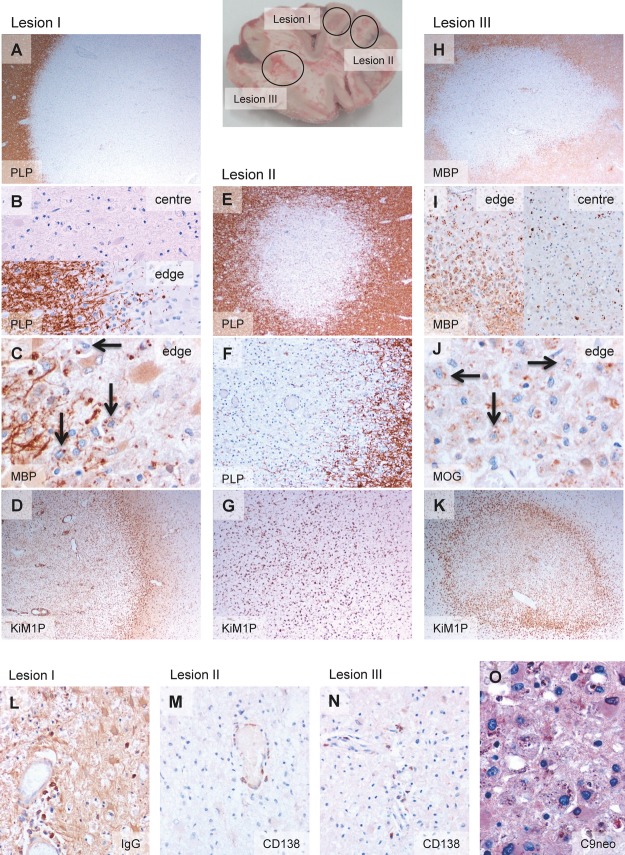
Multiple sclerosis (MS) is a disease of the central nervous system with marked heterogeneity in several aspects including pathological processes. Based on infiltrating immune cells, deposition of humoral factors and loss of oligodendrocytes and/or myelin proteins, four lesion patterns have been described. Pattern II is characterized by antibody and complement deposition in addition to T-cell infiltration. MS is considered a T-cell-mediated disease, but until now the study of pathogenic T cells has encountered major challenges, most importantly the limited access of brain-infiltrating T cells. Our objective was to identify, isolate, and characterize brain-infiltrating clonally expanded T cells in pattern II MS lesions.
We used next-generation sequencing to identify clonally expanded T cells in demyelinating pattern II brain autopsy lesions, subsequently isolated these as T-cell clones from autologous cerebrospinal fluid and functionally characterized them.
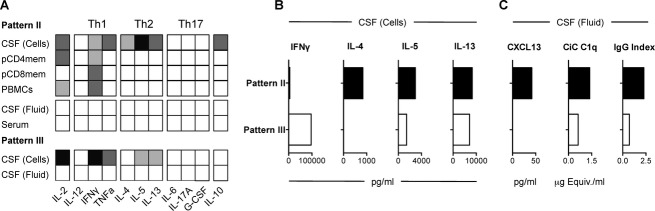
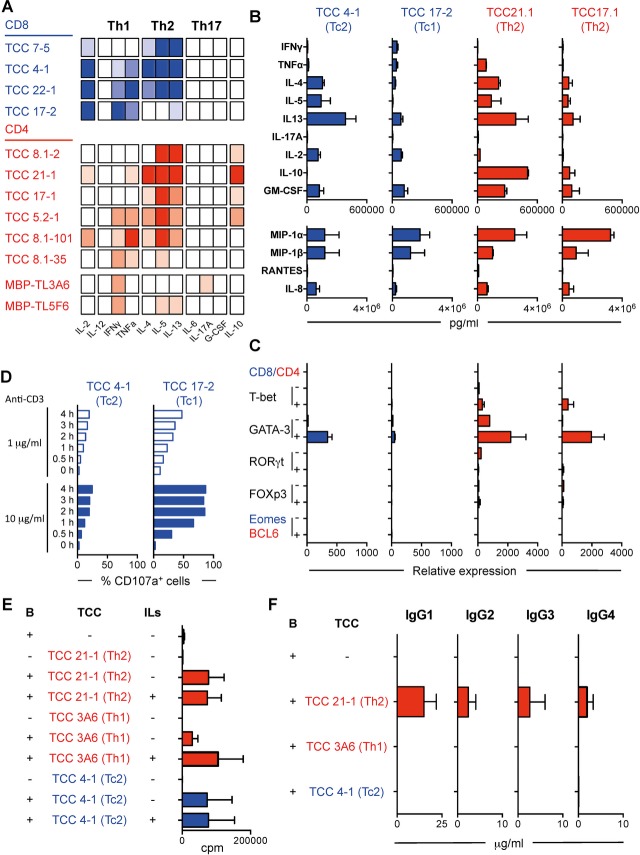
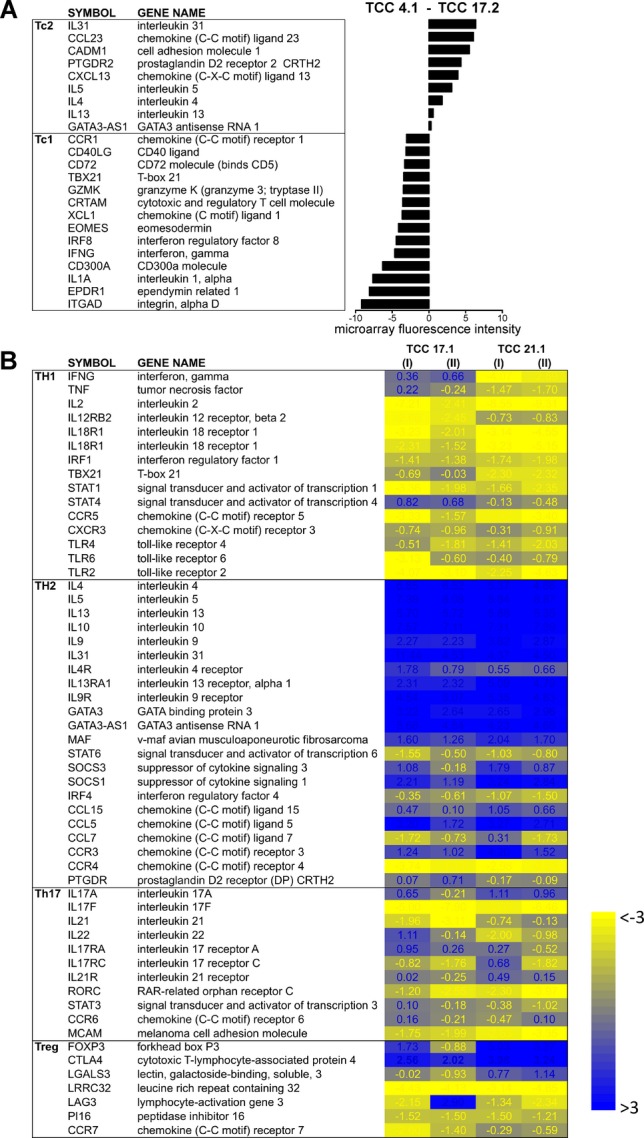
We identified clonally expanded CD8(+) but also CD4(+) T cells in demyelinating pattern II lesions and for the first time were able to isolate these as live T-cell clones. The functional characterization shows that T cells releasing Th2 cytokines and able to provide B cell help dominate the T-cell infiltrate in pattern II brain lesions.
Our data provide the first functional evidence for a putative role of Th2/Tc2 cells in pattern II MS supporting the existence of this pathogenic phenotype and questioning the protective role that is generally ascribed to Th2 cells. Our observations are important to consider for future treatments of pattern II MS patients.
多发性硬化症(MS)是一种中枢神经系统疾病,在多个方面具有明显的异质性,包括病理过程。基于浸润性免疫细胞、体液因子的沉积以及少突胶质细胞和/或髓鞘蛋白的丢失,已经描述了四种病变模式。模式 II 的特征是除 T 细胞浸润外还有抗体和补体的沉积。MS 被认为是一种 T 细胞介导的疾病,但直到现在,对致病性 T 细胞的研究遇到了重大挑战,最重要的是大脑浸润性 T 细胞的有限获取。我们的目标是鉴定、分离和表征模式 II MS 病变中的脑浸润克隆扩增 T 细胞。
我们使用下一代测序来鉴定脱髓鞘模式 II 大脑尸检病变中的克隆扩增 T 细胞,随后从自体脑脊液中分离这些作为 T 细胞克隆,并对其进行功能表征。
我们在脱髓鞘模式 II 病变中鉴定出克隆扩增的 CD8(+)但也有 CD4(+)T 细胞,并且首次能够将这些作为活 T 细胞克隆分离出来。功能特征表明,释放 Th2 细胞因子并能够提供 B 细胞帮助的 T 细胞在模式 II 大脑病变中的浸润占主导地位。
我们的数据为 Th2/Tc2 细胞在模式 II MS 中的潜在作用提供了第一个功能证据,支持这种致病表型的存在,并质疑通常归因于 Th2 细胞的保护作用。我们的观察结果对于未来治疗模式 II MS 患者非常重要。