Jonas Robin, Klusch Andreas, Schmelz Martin, Petersen Marlen, Carr Richard W
Department of Anesthesiology, Medical Faculty Mannheim, University of Heidelberg, Mannheim, Germany.
PLoS One. 2015 Sep 25;10(9):e0139107. doi: 10.1371/journal.pone.0139107. eCollection 2015.
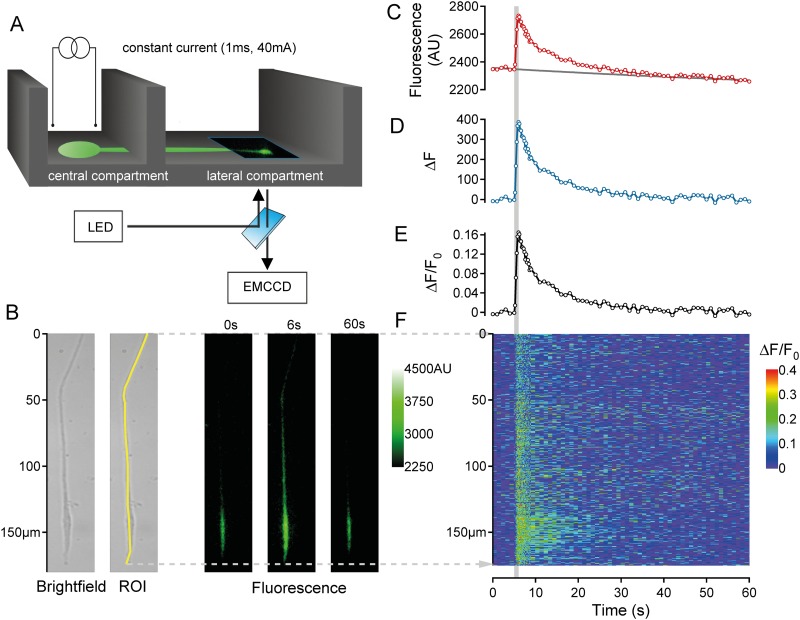
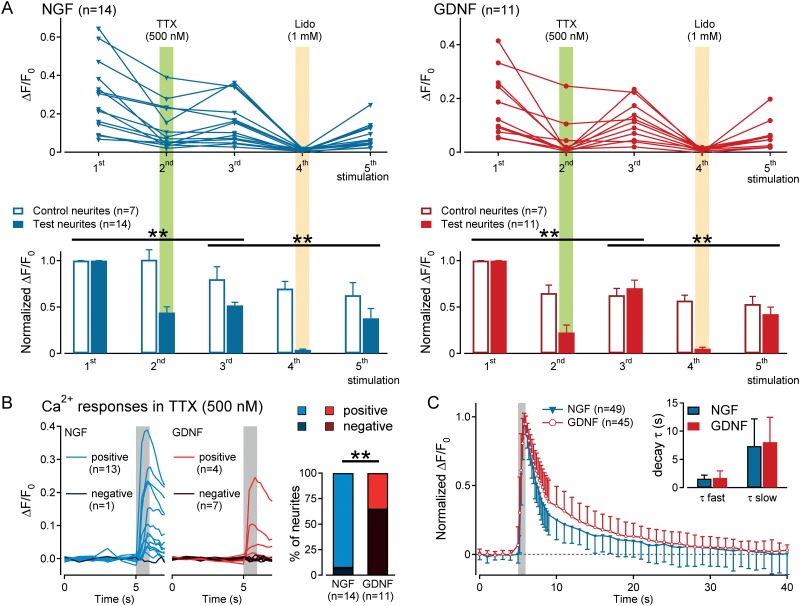
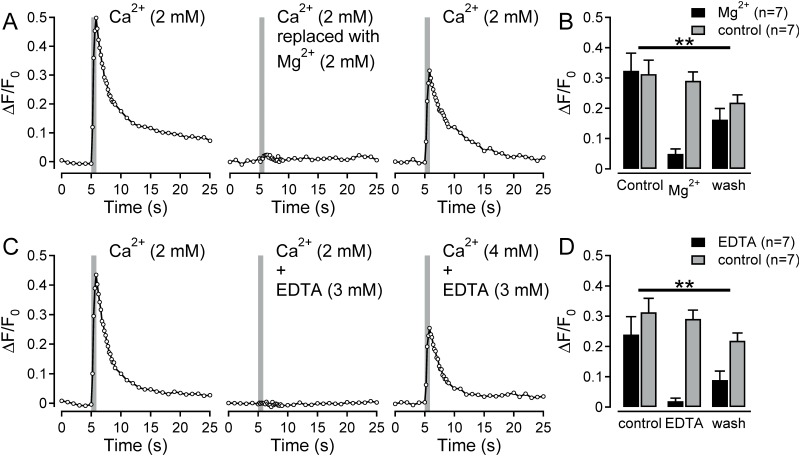
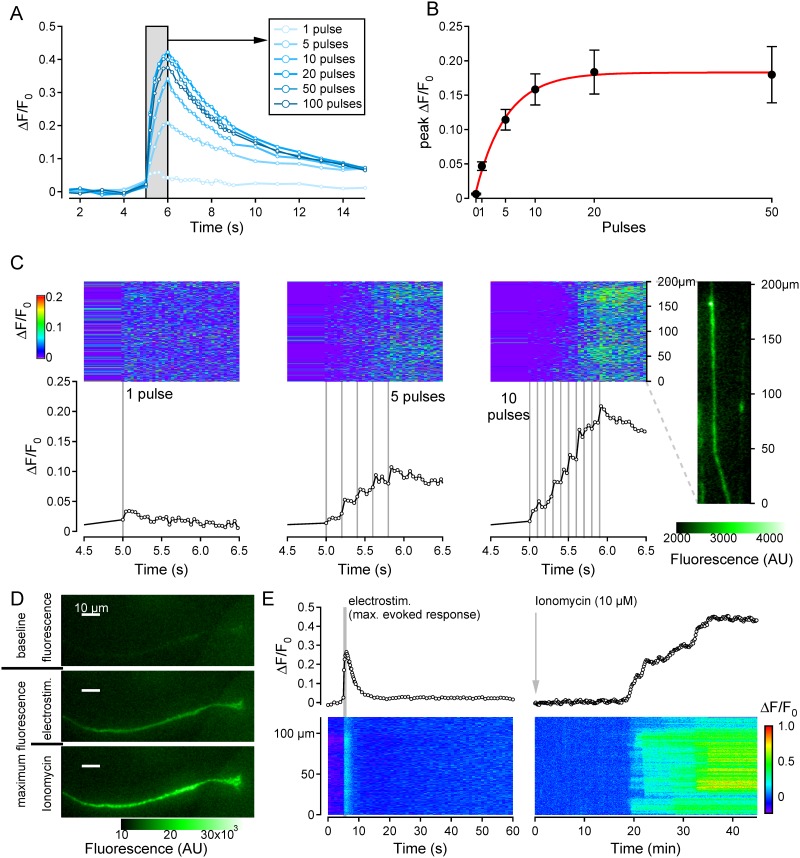
Nine isoforms of voltage-gated sodium channels (NaV) have been characterized and in excitable tissues they are responsible for the initiation and conduction of action potentials. For primary afferent neurons residing in dorsal root ganglia (DRG), individual neurons may express multiple NaV isoforms extending the neuron's functional capabilities. Since expression of NaV isoforms can be differentially regulated by neurotrophic factors we have examined the functional consequences of exposure to either nerve growth factor (NGF) or glial cell line-derived neurotrophic factor (GDNF) on action potential conduction in outgrowing cultured porcine neurites of DRG neurons. Calcium signals were recorded using the exogenous intensity based calcium indicator Fluo-8®, AM. In 94 neurons, calcium signals were conducted along neurites in response to electrical stimulation of the soma. At an image acquisition rate of 25 Hz it was possible to discern calcium transients in response to individual electrical stimuli. The peak amplitude of electrically-evoked calcium signals was limited by the ability of the neuron to follow the stimulus frequency. The stimulus frequency required to evoke a half-maximal calcium response was approximately 3 Hz at room temperature. In 13 of 14 (93%) NGF-responsive neurites, TTX-r NaV isoforms alone were sufficient to support propagated signals. In contrast, calcium signals mediated by TTX-r NaVs were evident in only 4 of 11 (36%) neurites from somata cultured in GDNF. This establishes a basis for assessing action potential signaling using calcium imaging techniques in individual cultured neurites and suggests that, in the pig, afferent nociceptor classes relying on the functional properties of TTX-r NaV isoforms, such as cold-nociceptors, most probably derive from NGF-responsive DRG neurons.
电压门控钠通道(NaV)已鉴定出九种亚型,在可兴奋组织中,它们负责动作电位的起始和传导。对于位于背根神经节(DRG)的初级传入神经元,单个神经元可能表达多种NaV亚型,从而扩展神经元的功能能力。由于神经营养因子可对NaV亚型的表达进行差异性调节,我们研究了暴露于神经生长因子(NGF)或胶质细胞源性神经营养因子(GDNF)对DRG神经元体外培养的生长神经突动作电位传导的功能影响。使用基于外源性强度的钙指示剂Fluo-8®,AM记录钙信号。在94个神经元中,对胞体进行电刺激时,钙信号沿神经突传导。以25 Hz的图像采集速率,可以辨别对单个电刺激产生的钙瞬变。电诱发钙信号的峰值幅度受神经元跟随刺激频率能力的限制。在室温下,诱发半数最大钙反应所需的刺激频率约为3 Hz。在14个对NGF有反应的神经突中的13个(93%)中,仅TTX-r NaV亚型就足以支持信号的传播。相比之下,在GDNF培养的胞体的11个神经突中,只有4个(36%)出现了由TTX-r NaV介导的钙信号。这为使用钙成像技术评估单个培养神经突中的动作电位信号传导奠定了基础,并表明在猪中,依赖于TTX-r NaV亚型功能特性的传入伤害感受器类别,如冷伤害感受器,很可能源自对NGF有反应的DRG神经元。