Plesa Skwerer Daniela, Jordan Samantha E, Brukilacchio Briana H, Tager-Flusberg Helen
Boston University, USA
MGH Institute of Health Professions, USA.
Autism. 2016 Jul;20(5):591-604. doi: 10.1177/1362361315600146. Epub 2015 Sep 25.
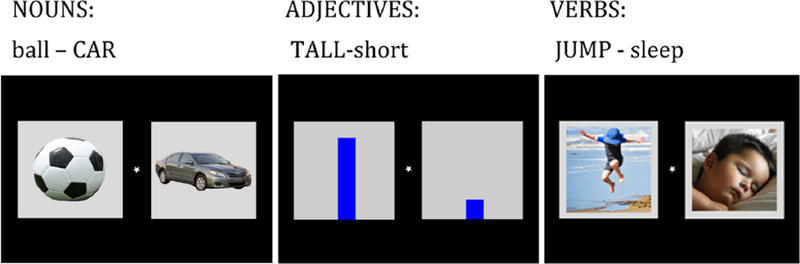
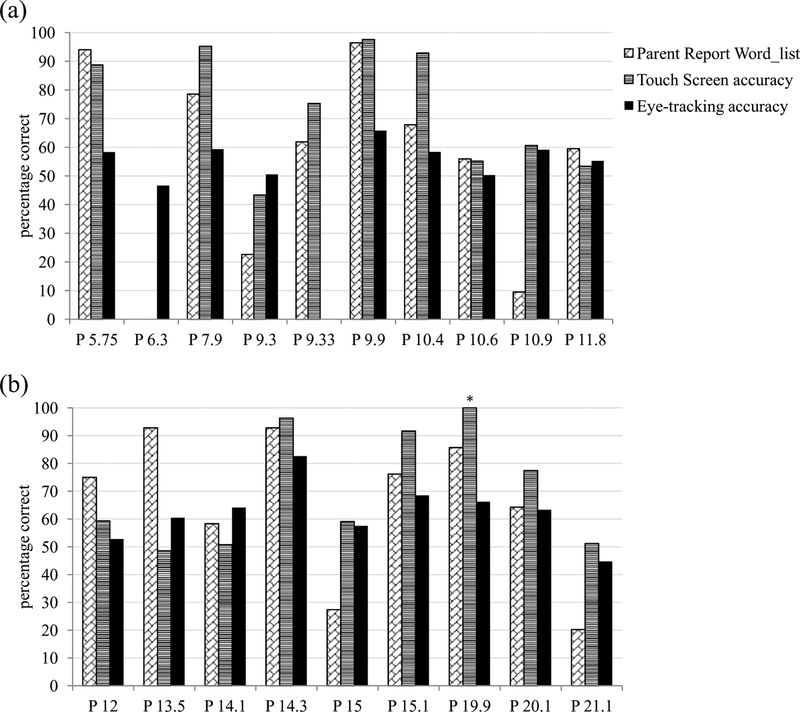
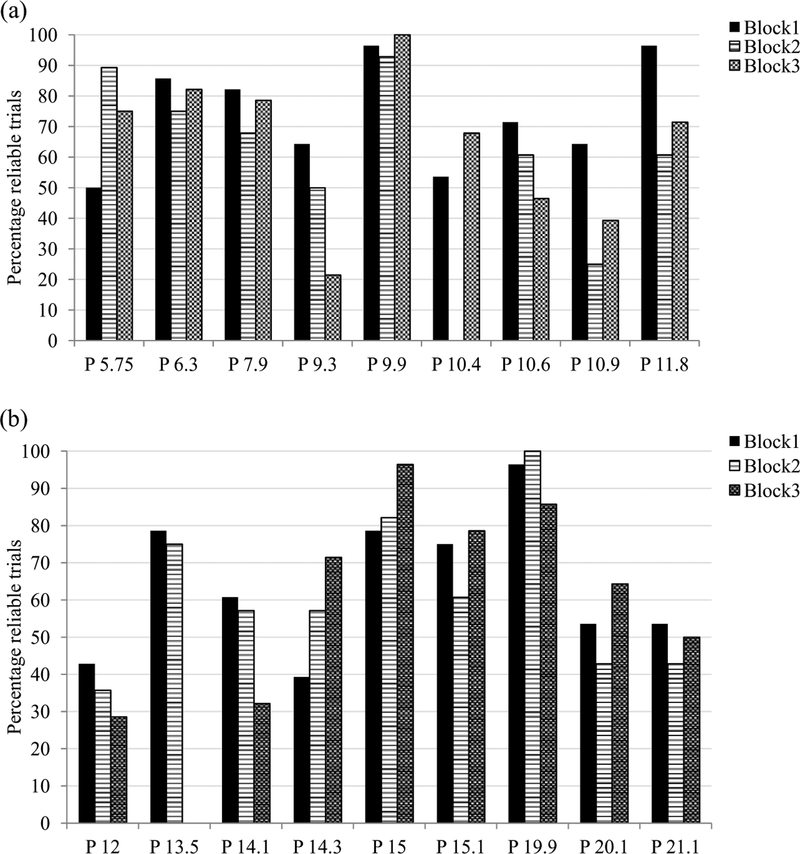
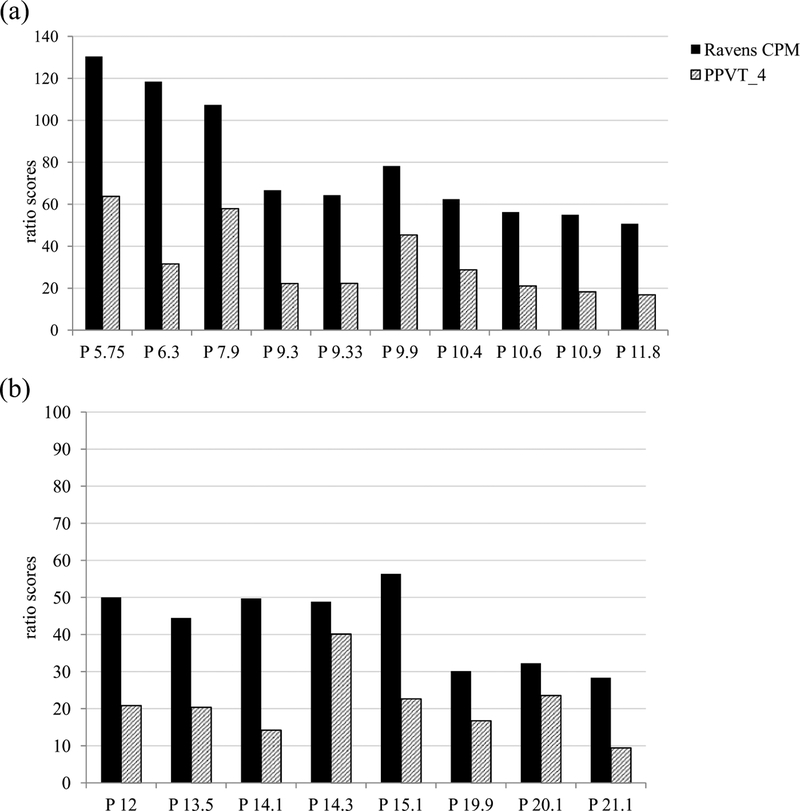
This research addresses the challenges of assessing receptive language abilities in minimally verbal children with autism spectrum disorder by comparing several adapted measurement tools: a standardized direct assessment of receptive vocabulary (i.e. Peabody Picture Vocabulary Test-4); caregiver report measures including scores on the Vineland-II Communication domain and a vocabulary questionnaire consisting of a list of words ranging from simple, developmentally early, to more advanced words expected to be understood by at least some older children and adolescents; an eye-tracking test of word comprehension, using a word-image pair matching paradigm similar to that often used in studies of infant language acquisition; and a computerized assessment using a touch screen for directly measuring word comprehension with the same stimuli used in the eye-tracking experiment. Results of this multiple-method approach revealed significant heterogeneity in receptive language abilities across participants and across assessment methods. Our findings underscore the need to find individualized approaches for capturing the potential for language comprehension of minimally verbal children with autism spectrum disorder who remain otherwise untestable, using several types of assessment that may include methods based on eye-tracking or touch-screen responding.
本研究通过比较几种经过改编的测量工具,探讨了评估患有自闭症谱系障碍的极少言语儿童接受性语言能力的挑战:一种标准化的接受性词汇直接评估(即皮博迪图片词汇测验第4版);照顾者报告测量,包括文兰适应行为量表第二版沟通领域的得分,以及一份词汇问卷,该问卷包含一系列从简单的、发育早期的到至少一些大龄儿童和青少年预期能理解的更高级词汇;一种单词理解的眼动测试,使用类似于婴儿语言习得研究中常用的单词-图像对匹配范式;以及一种计算机化评估,使用触摸屏,采用与眼动实验相同的刺激直接测量单词理解。这种多方法途径的结果显示,参与者之间以及评估方法之间在接受性语言能力方面存在显著异质性。我们的研究结果强调,需要找到个性化方法,利用多种类型的评估,包括基于眼动或触摸屏反应的方法,来捕捉患有自闭症谱系障碍的极少言语儿童的语言理解潜力,这些儿童在其他情况下可能无法进行测试。