Cheng C Yan
The Mary M. Wohlford Laboratory for Male Contraceptive Research; Center for Biomedical Research; Population Council ; New York, NY USA.
Spermatogenesis. 2015 Jan 21;4(2):e981485. doi: 10.4161/21565562.2014.981485. eCollection 2014 May-Aug.
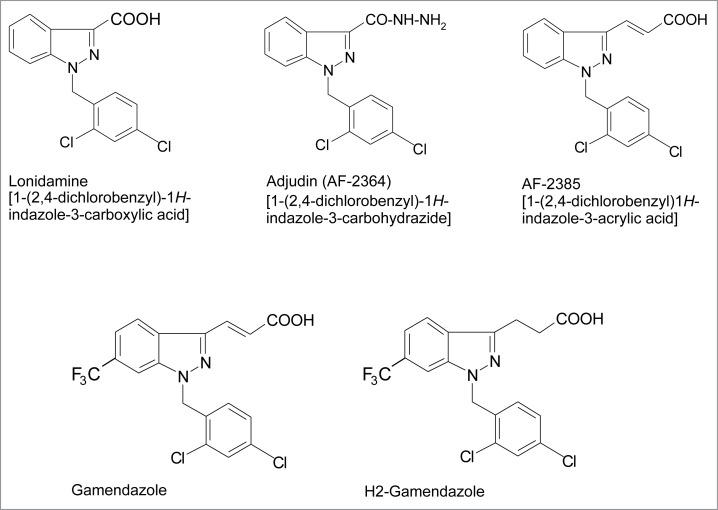
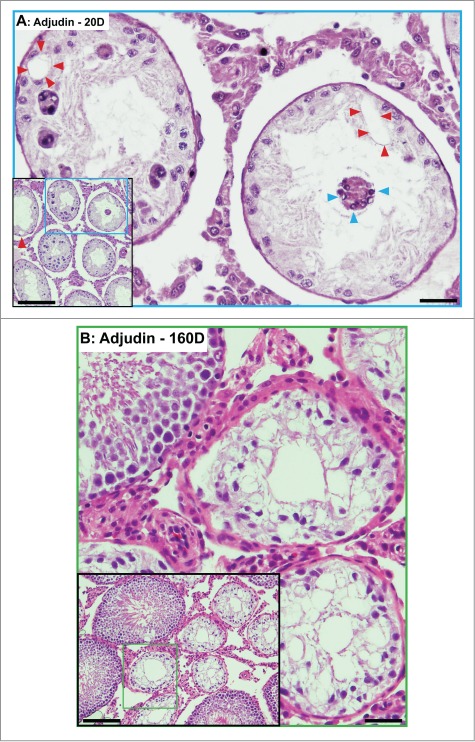
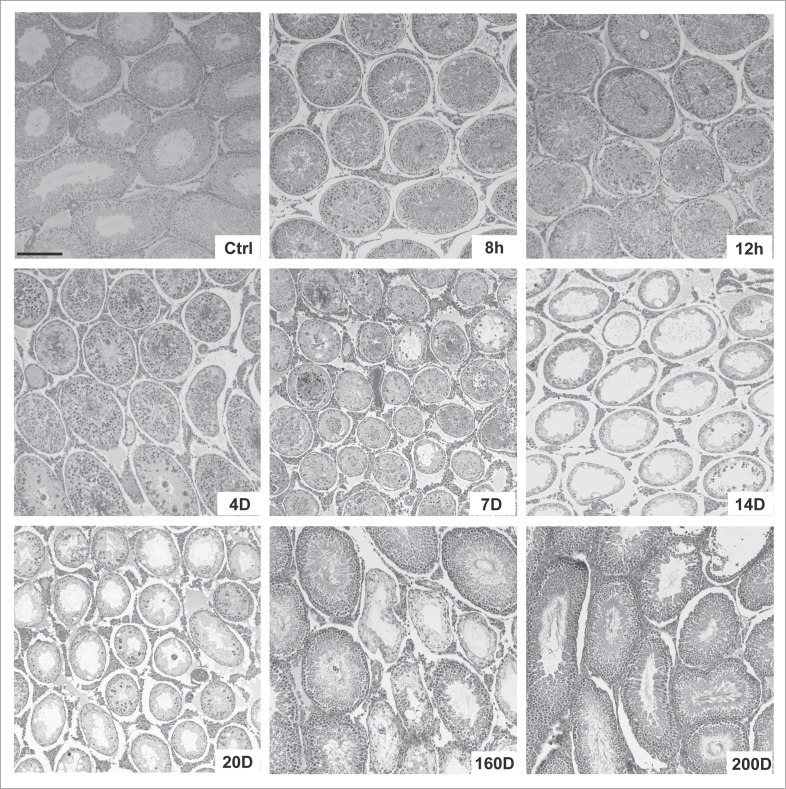
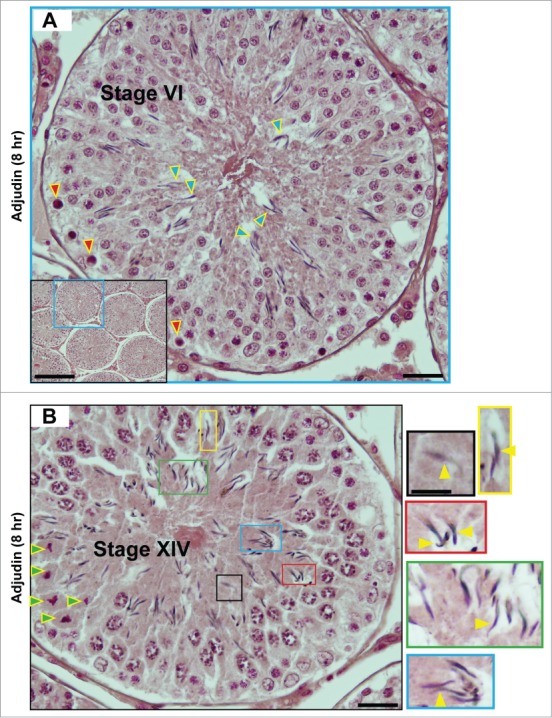
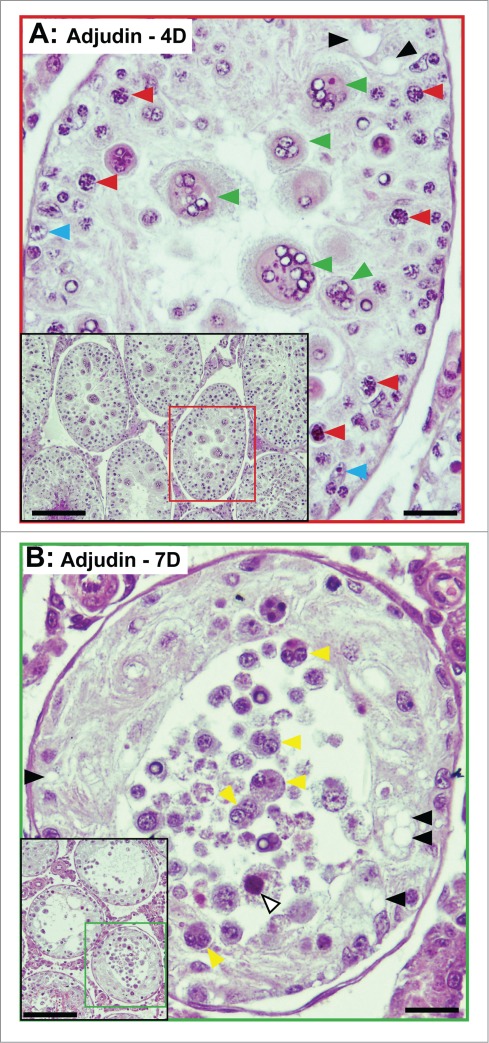
There are numerous types of junctions in the seminiferous epithelium which are integrated with, and critically dependent on the Sertoli cell cytoskeleton. These include the basal tight junctions between Sertoli cells that form the main component of the blood-testis barrier, the basal ectoplasmic specializations (basal ES) and basal tubulobulbar complexes (basal TBC) between Sertoli cells; as well as apical ES and apical TBC between Sertoli cells and the developing spermatids that orchestrate spermiogenesis and spermiation. These junctions, namely TJ, ES, and TBC interact with actin microfilament-based cytoskeleton, which together with the desmosomal junctions that interact with the intermediate filament-based cytoskeleton plus the highly polarized microtubule-based cytoskeleton are working in concert to move spermatocytes and spermatids between the basal and luminal aspect of the seminiferous epithelium. In short, these various junctions are structurally complexed with the actin- and microtubule-based cytoskeleton or intermediate filaments of the Sertoli cell. Studies have shown toxicants (e.g., cadmium, bisphenol A (BPA), perfluorooctanesulfonate (PFOS), phthalates, and glycerol), and some male contraceptives under development (e.g., adjudin, gamendazole), exert their effects, at least in part, by targeting cell junctions in the testis. The disruption of Sertoli-Sertoli cell and Sertoli-germ cell junctions, results in the loss of germ cells from the seminiferous epithelium. Adjudin, a potential male contraceptive under investigation in our laboratory, produces loss of spermatids from the seminiferous tubules through disruption of the Sertoli cell spermatid junctions and disruption of the Sertoli cell cytoskeleton. The molecular and structural changes associated with adjudin administration are described, to provide an example of the profile of changes caused by disturbance of Sertoli-germ cell and also Sertoli cell-cell junctions.
生精上皮中有多种连接,它们与支持细胞的细胞骨架整合在一起,并严重依赖于支持细胞的细胞骨架。这些连接包括支持细胞之间形成血睾屏障主要成分的基底紧密连接、支持细胞之间的基底外质特化结构(基底ES)和基底管球复合体(基底TBC);以及支持细胞与发育中的精子细胞之间的顶端ES和顶端TBC,它们协调精子发生和精子释放过程。这些连接,即紧密连接(TJ)、外质特化结构(ES)和管球复合体(TBC)与基于肌动蛋白微丝的细胞骨架相互作用,后者与基于中间丝的细胞骨架相互作用的桥粒连接以及高度极化的基于微管的细胞骨架协同作用,将精母细胞和精子细胞在生精上皮的基底和管腔面之间移动。简而言之,这些不同的连接在结构上与支持细胞基于肌动蛋白和微管的细胞骨架或中间丝复合在一起。研究表明,有毒物质(如镉、双酚A(BPA)、全氟辛烷磺酸(PFOS)、邻苯二甲酸盐和甘油)以及一些正在研发的男性避孕药(如阿地君、加门达唑),至少部分是通过靶向睾丸中的细胞连接来发挥作用的。支持细胞-支持细胞连接和支持细胞-生殖细胞连接的破坏,会导致生精上皮中的生殖细胞丢失。阿地君是我们实验室正在研究的一种潜在男性避孕药,它通过破坏支持细胞-精子细胞连接和支持细胞的细胞骨架,导致生精小管中的精子细胞丢失。本文描述了与阿地君给药相关的分子和结构变化,以举例说明支持细胞-生殖细胞以及支持细胞-细胞连接紊乱所引起的变化情况。