Miller Michael A, Ganesan Asha Purnima V, Luckashenak Nancy, Mendonca Mark, Eisenlohr Laurence C
Department of Microbiology and Immunology, Thomas Jefferson University, Philadelphia, Pennsylvania, USA.
Nat Med. 2015 Oct;21(10):1216-22. doi: 10.1038/nm.3958. Epub 2015 Sep 28.
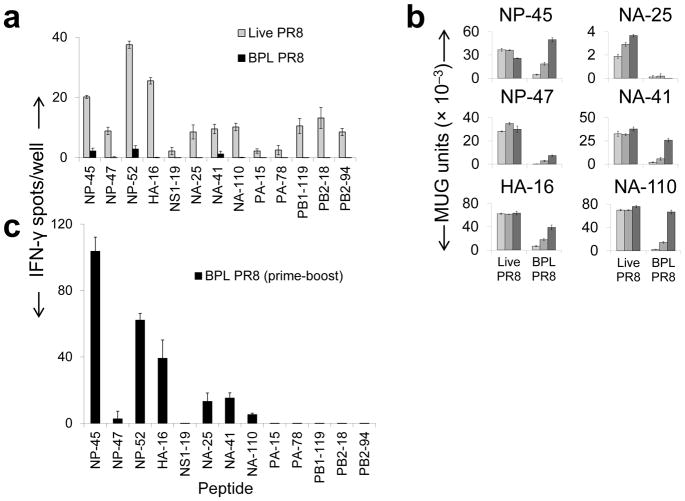
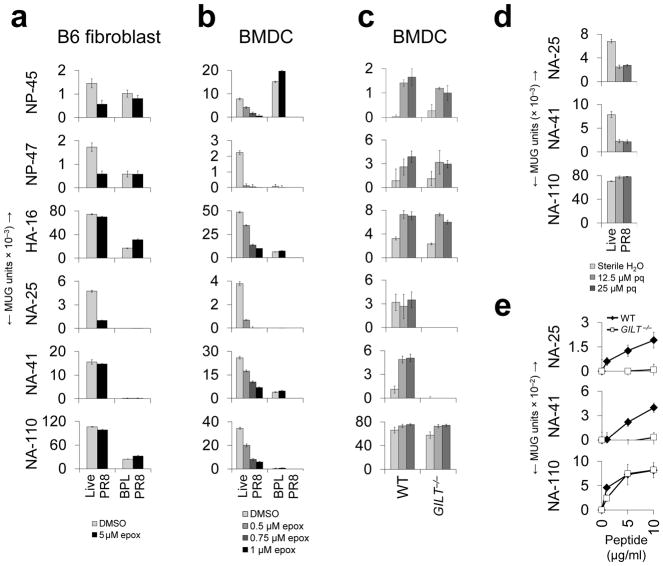
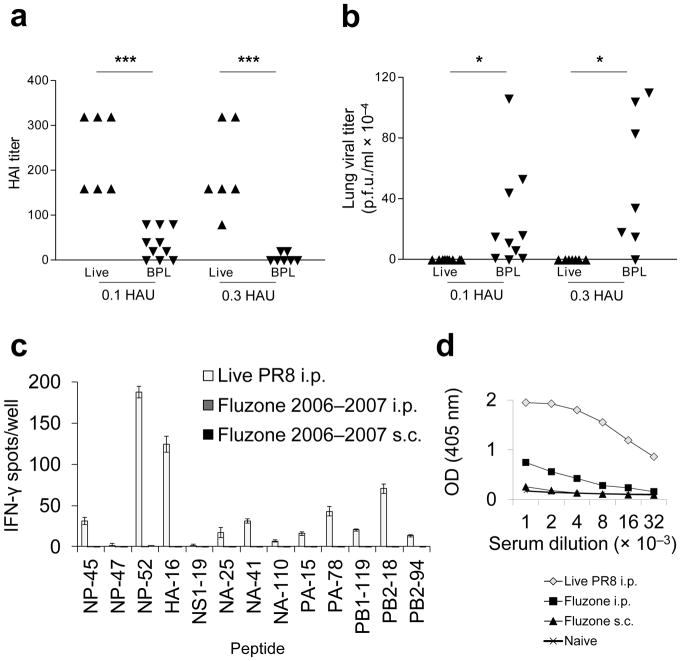
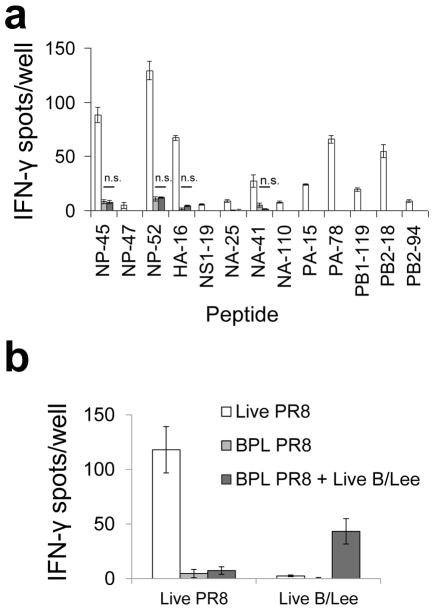
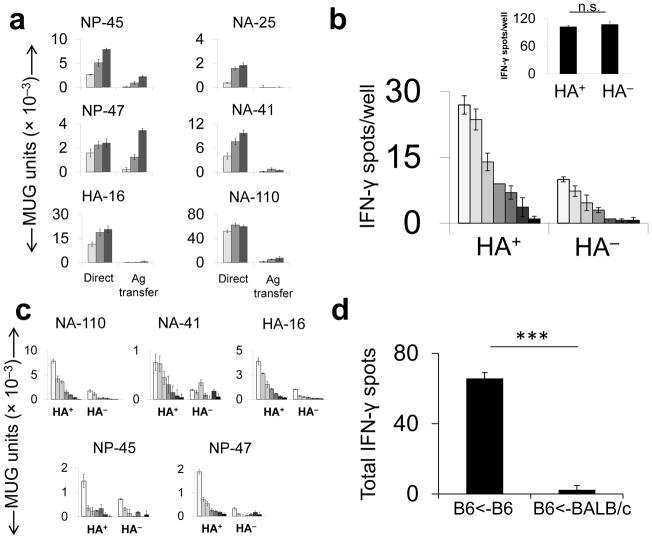
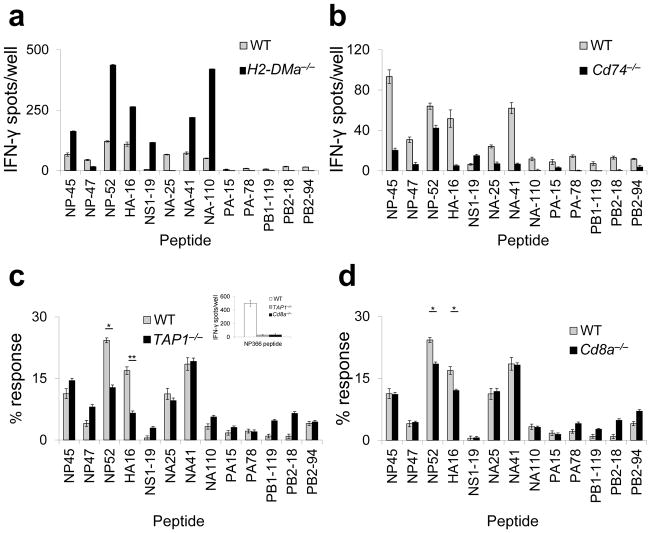
By convention, CD4+ T lymphocytes recognize foreign and self peptides derived from internalized antigens in combination with major histocompatibility complex class II molecules. Alternative pathways of epitope production have been identified, but their contributions to host defense have not been established. We show here in a mouse infection model that the CD4+ T cell response to influenza, critical for durable protection from the virus, is driven principally by unconventional processing of antigen synthesized within the infected antigen-presenting cell, not by classical processing of endocytosed virions or material from infected cells. Investigation of the cellular components involved, including the H2-M molecular chaperone, the proteasome and γ-interferon-inducible lysosomal thiol reductase revealed considerable heterogeneity in the generation of individual epitopes, an arrangement that ensures peptide diversity and broad CD4+ T cell engagement. These results could fundamentally revise strategies for rational vaccine design and may lead to key insights into the induction of autoimmune and anti-tumor responses.
按照惯例,CD4+ T淋巴细胞识别内化抗原衍生的外来和自身肽段,并与主要组织相容性复合体II类分子结合。已确定了表位产生的替代途径,但它们对宿主防御的贡献尚未明确。我们在此小鼠感染模型中表明,对流感病毒的CD4+ T细胞反应对持久抵抗该病毒至关重要,其主要由感染的抗原呈递细胞内合成抗原的非常规加工驱动,而非由内吞病毒粒子或感染细胞物质的经典加工驱动。对包括H2-M分子伴侣、蛋白酶体和γ-干扰素诱导的溶酶体硫醇还原酶在内的相关细胞成分的研究表明,单个表位的产生存在相当大的异质性,这种安排确保了肽段多样性和广泛的CD4+ T细胞参与。这些结果可能从根本上修订合理疫苗设计策略,并可能为自身免疫和抗肿瘤反应的诱导提供关键见解。