CNRS UPR3572, Institut de Biologie Moléculaire et Cellulaire, Immunopathologie et Chimie Thérapeutique/Laboratory of Excellence Medalis Strasbourg, F-67084, France.
CNRS UPR3572, Institut de Biologie Moléculaire et Cellulaire, Immunopathologie et Chimie Thérapeutique/Laboratory of Excellence Medalis Strasbourg, F-67084, France ; Université de Strasbourg, UFR Médecine Strasbourg, F-67085, France.
Immun Inflamm Dis. 2015 Sep;3(3):265-79. doi: 10.1002/iid3.65. Epub 2015 Jun 18.
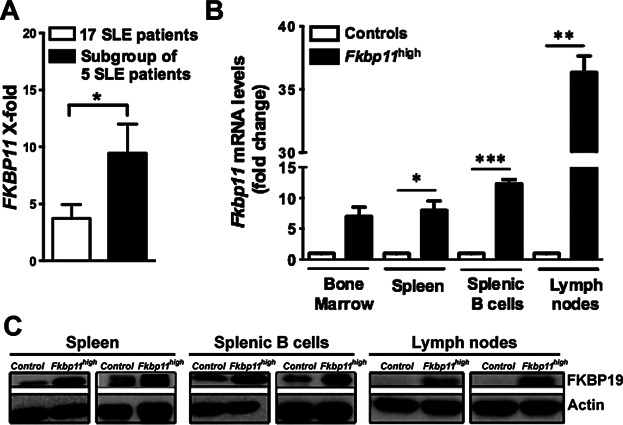
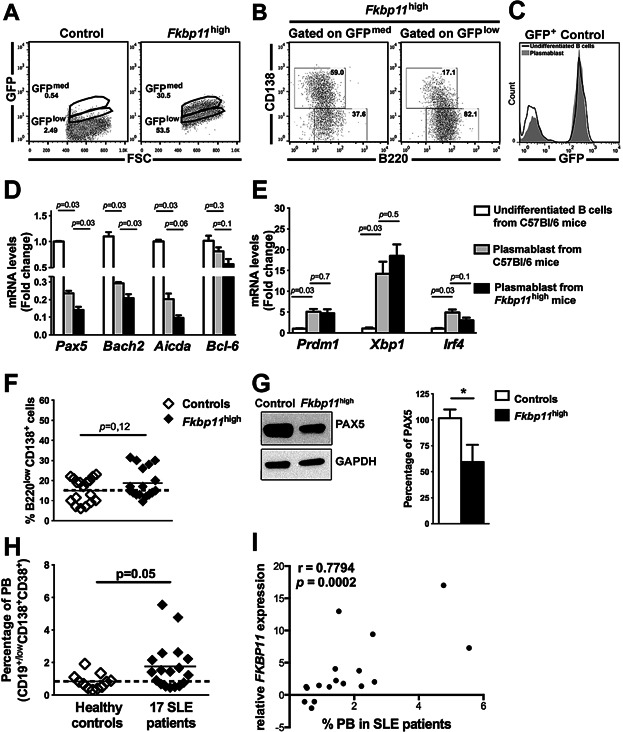
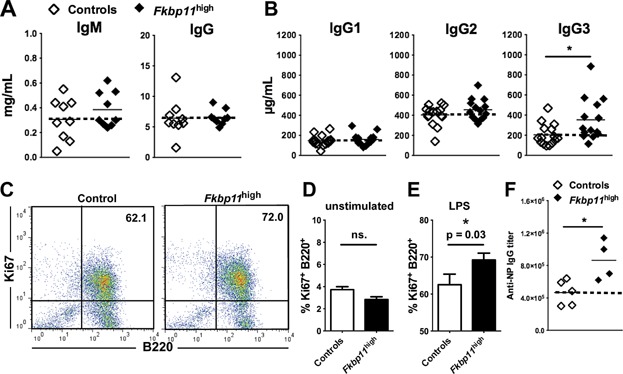
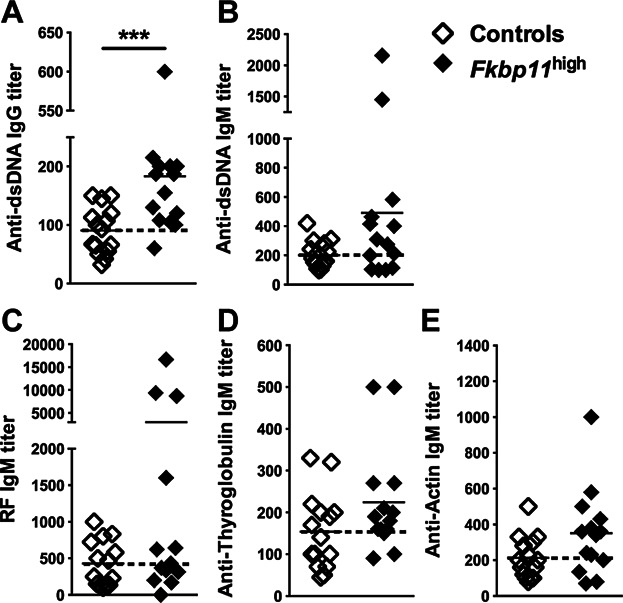
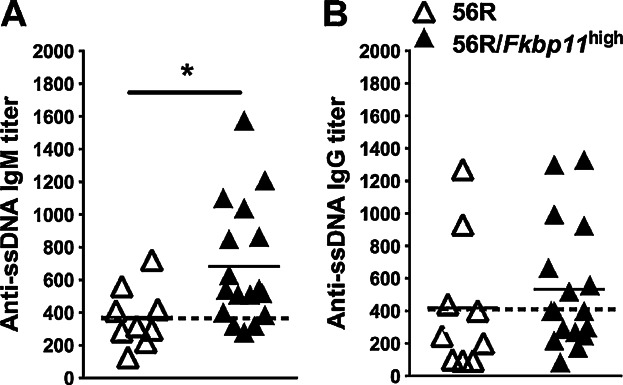
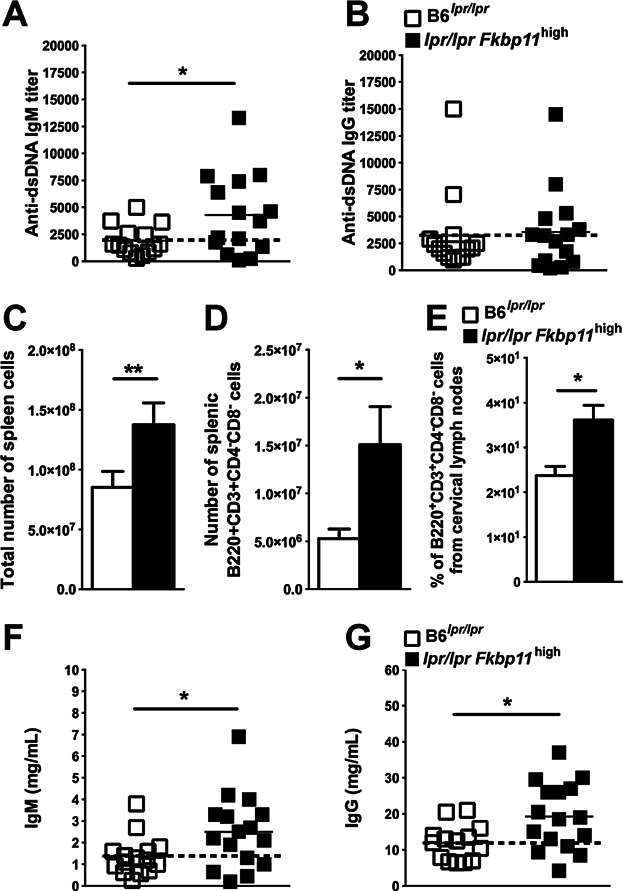
Systemic Lupus Erythematosus (SLE) is a severe systemic autoimmune disease, characterized by multi-organ damages, triggered by an autoantibody-mediated inflammation, and with a complex genetic influence. It is today accepted that adult SLE arises from the building up of many subtle gene variations, each one adding a new brick on the SLE susceptibility and contributing to a phenotypic trait to the disease. One of the ways to find these gene variations consists in comprehensive analysis of gene expression variation in a precise cell type, which can constitute a good complementary strategy to genome wide association studies. Using this strategy, and considering the central role of B cells in SLE, we analyzed the B cell transcriptome of quiescent SLE patients, and identified an overexpression of FKBP11, coding for a cytoplasmic putative peptidyl-prolyl cis/trans isomerase and chaperone enzyme. To understand the consequences of FKBP11 overexpression on B cell function and on autoimmunity's development, we created lentiviral transgenic mice reproducing this gene expression variation. We showed that high expression of Fkbp11 reproduces by itself two phenotypic traits of SLE in mice: breakdown of B cell tolerance against DNA and initiation of plasma cell differentiation by acting upstream of Pax5 master regulator gene.
系统性红斑狼疮 (SLE) 是一种严重的全身性自身免疫性疾病,其特征是多器官损伤,由自身抗体介导的炎症引发,并受复杂的遗传影响。目前人们普遍认为,成人 SLE 是由许多细微的基因变异积累而成的,每一个变异都会增加 SLE 易感性的新因素,并为疾病带来一个表型特征。寻找这些基因变异的方法之一是对特定细胞类型中的基因表达变异进行全面分析,这可以构成全基因组关联研究的良好补充策略。使用这种策略,并考虑到 B 细胞在 SLE 中的核心作用,我们分析了静止期 SLE 患者的 B 细胞转录组,发现 FKBP11 基因过表达,该基因编码细胞质假定的肽基脯氨酰顺/反异构酶和伴侣酶。为了了解 FKBP11 过表达对 B 细胞功能和自身免疫发展的影响,我们构建了复制这种基因表达变异的慢病毒转基因小鼠。我们表明,Fkbp11 的高表达本身就可以在小鼠中重现 SLE 的两种表型特征:B 细胞对 DNA 的耐受性破坏和通过作用于 Pax5 主调控基因的上游引发浆细胞分化。