Smalley Joshua L, Breda Carlo, Mason Robert P, Kooner Gurdeep, Luthi-Carter Ruth, Gant Timothy W, Giorgini Flaviano
Department of Genetics, University of Leicester, Leicester, LE1 7RH, UK.
MRC Toxicology Unit, University of Leicester, Leicester, LE1 7HB, UK.
J Mol Med (Berl). 2016 Feb;94(2):235-45. doi: 10.1007/s00109-015-1344-5. Epub 2015 Oct 2.
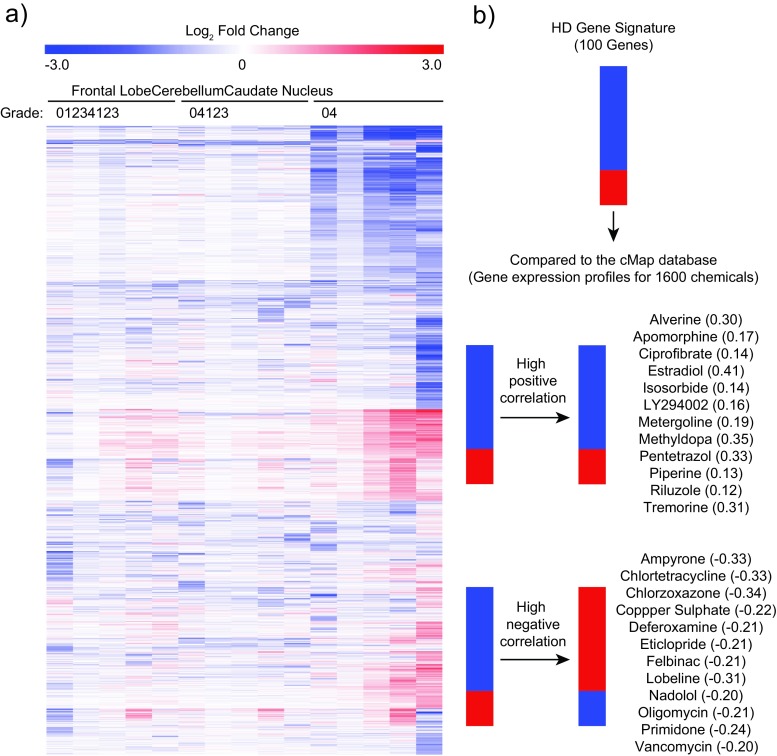
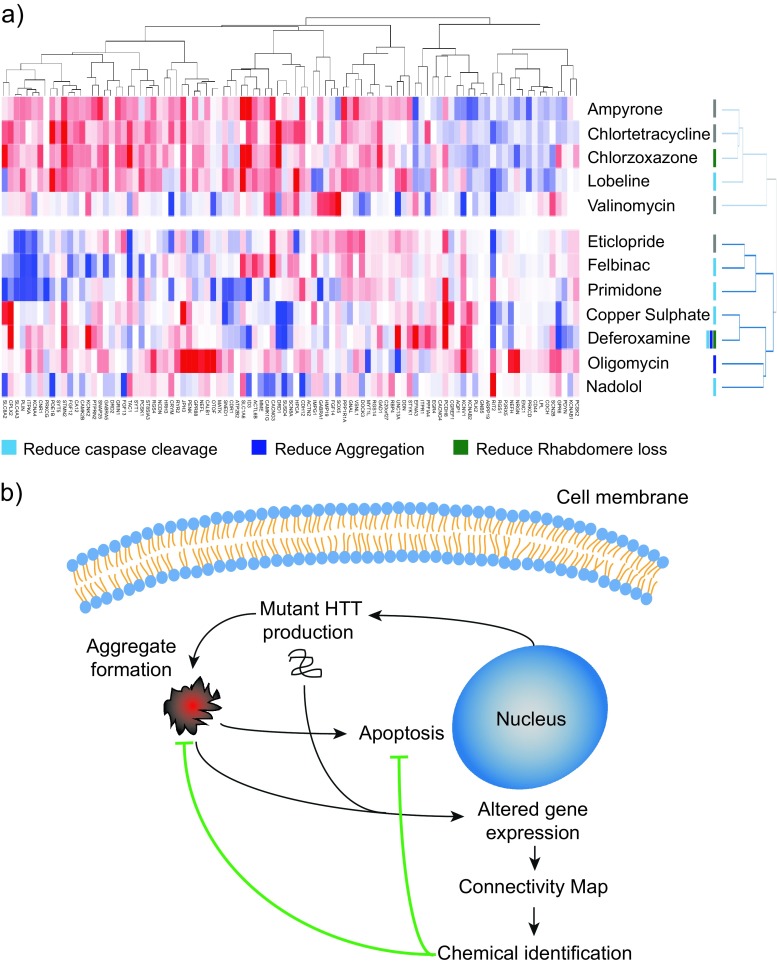
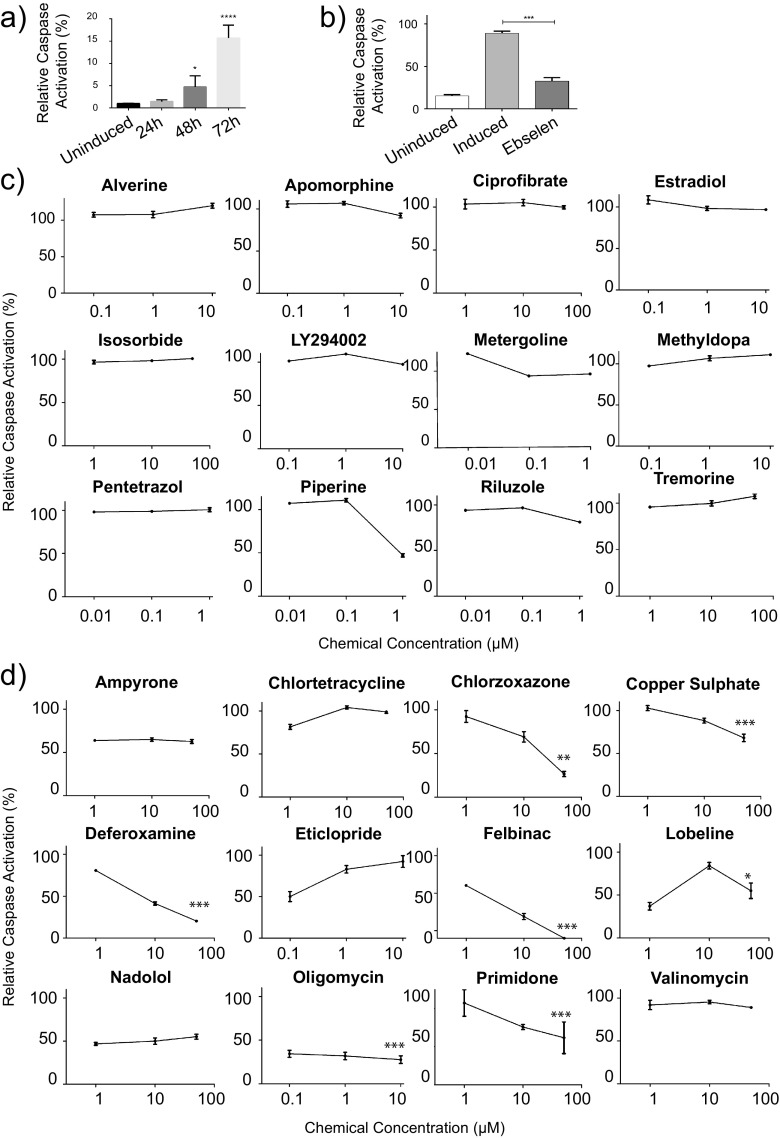
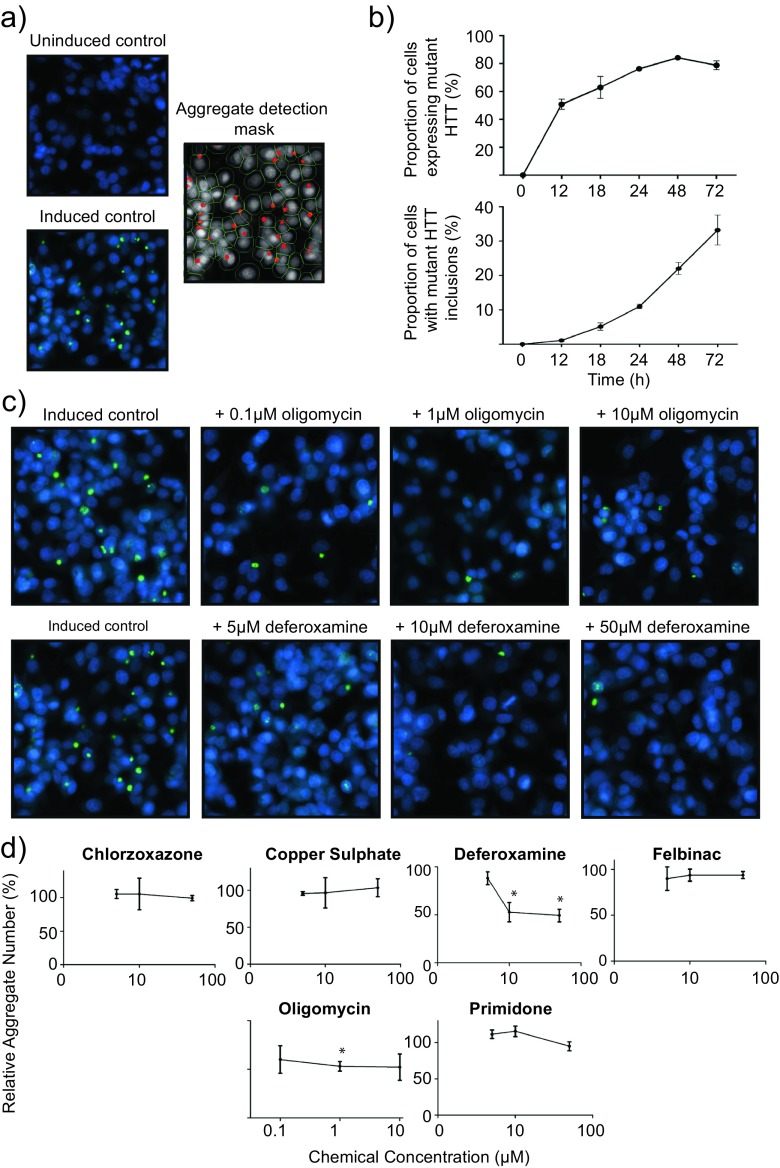
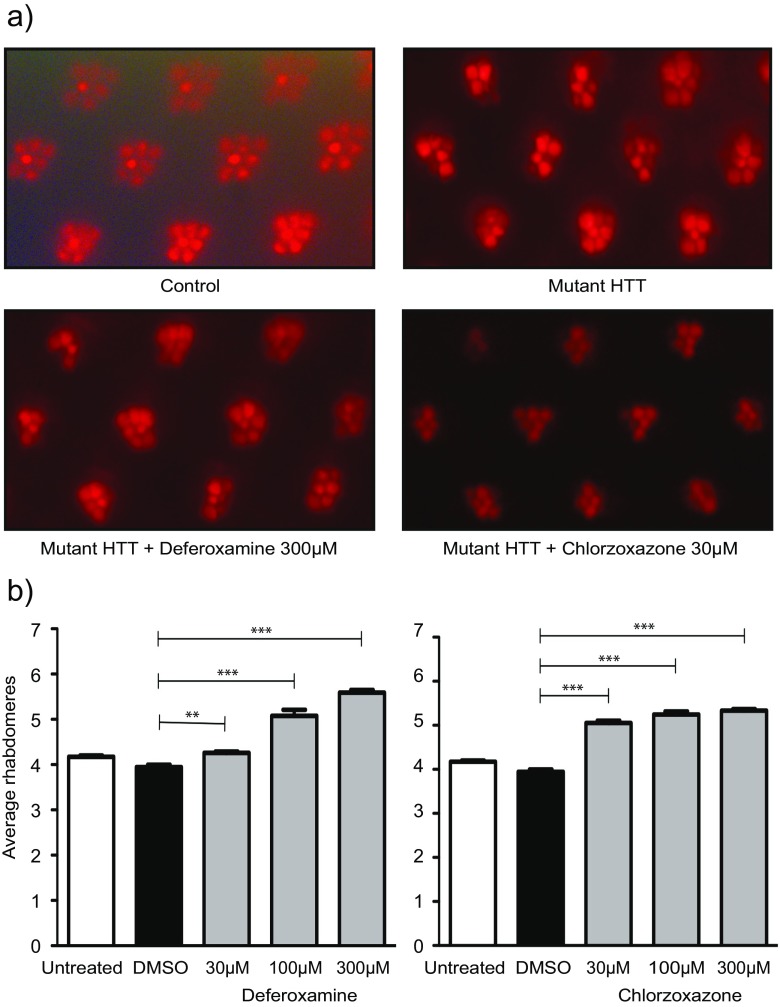
Huntington's disease (HD) is a genetic disease caused by a CAG trinucleotide repeat expansion encoding a polyglutamine tract in the huntingtin (HTT) protein, ultimately leading to neuronal loss and consequent cognitive decline and death. As no treatments for HD currently exist, several chemical screens have been performed using cell-based models of mutant HTT toxicity. These screens measured single disease-related endpoints, such as cell death, but had low 'hit rates' and limited dimensionality for therapeutic detection. Here, we have employed gene expression microarray analysis of HD samples--a snapshot of the expression of 25,000 genes--to define a gene expression signature for HD from publically available data. We used this information to mine a database for chemicals positively and negatively correlated to the HD gene expression signature using the Connectivity Map, a tool for comparing large sets of gene expression patterns. Chemicals with negatively correlated expression profiles were highly enriched for protective characteristics against mutant HTT fragment toxicity in in vitro and in vivo models. This study demonstrates the potential of using gene expression to mine chemical activity, guide chemical screening, and detect potential novel therapeutic compounds.
Single-endpoint chemical screens have low therapeutic discovery hit-rates. In the context of HD, we guided a chemical screen using gene expression data. The resulting chemicals were highly enriched for suppressors of mutant HTT fragment toxicity. This study provides a proof of concept for wider usage in all chemical screening.
亨廷顿舞蹈症(HD)是一种由编码亨廷顿蛋白(HTT)中多聚谷氨酰胺序列的CAG三核苷酸重复扩增引起的遗传疾病,最终导致神经元丧失,进而引发认知衰退和死亡。由于目前尚无针对HD的治疗方法,因此已使用突变型HTT毒性的细胞模型进行了多项化学筛选。这些筛选测量了单一的疾病相关终点,如细胞死亡,但“命中率”较低,且用于治疗检测的维度有限。在这里,我们对HD样本进行了基因表达微阵列分析——这是对25000个基因表达的一种快照——以从公开可用数据中定义HD的基因表达特征。我们利用这些信息,通过连通性图谱(一种用于比较大量基因表达模式的工具)在一个数据库中挖掘与HD基因表达特征呈正相关和负相关的化学物质。在体外和体内模型中,具有负相关表达谱的化学物质在针对突变型HTT片段毒性的保护特性方面高度富集。这项研究证明了利用基因表达挖掘化学活性、指导化学筛选以及检测潜在新型治疗化合物的潜力。
单终点化学筛选的治疗发现命中率较低。在HD的背景下,我们利用基因表达数据指导了一项化学筛选。所得化学物质在抑制突变型HTT片段毒性方面高度富集。这项研究为在所有化学筛选中的更广泛应用提供了概念验证。