Kang Yang Wha, Ko Yun Sil, Kim Yoo Jin, Sung Kyoung Mi, Kim Hyo Jin, Choi Hyung Yun, Sung Changhyun, Jeong Eunkyeong
Division of Chronic Disease Control, Korea Centers for Disease Control and Prevention, Cheongju, Korea.
Osong Public Health Res Perspect. 2015 Jun;6(3):211-7. doi: 10.1016/j.phrp.2015.05.003. Epub 2015 Jun 10.
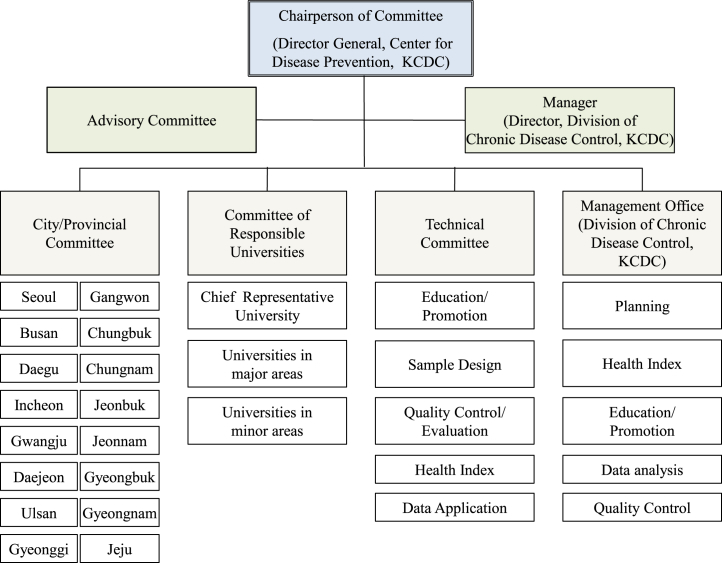
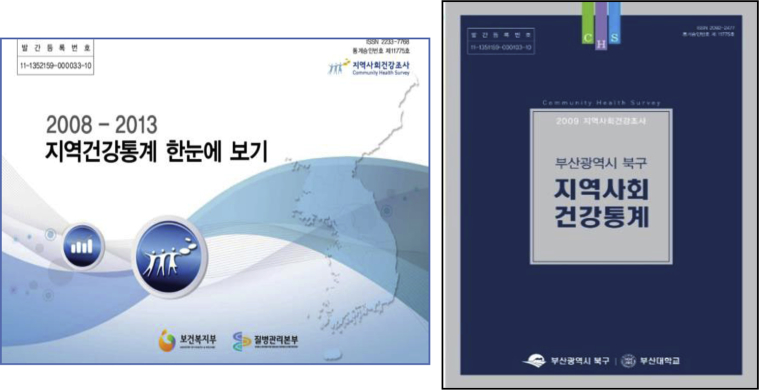
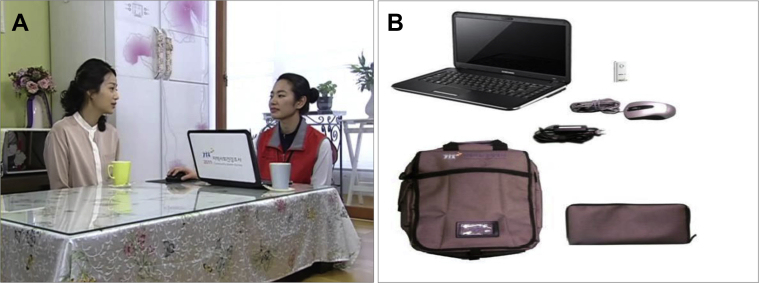
In 2008, Korea Centers for Disease Control and Prevention initiated the first nationwide survey, Korea Community Health Survey (KCHS), to provide data that could be used to plan, implement, monitor, and evaluate community health promotion and disease prevention programs. This community-based cross-sectional survey has been conducted by 253 community health centers, 35 community universities, and 1500 interviewers. The KCHS standardized questionnaire was developed jointly by the Korea Centers for Disease Control and Prevention staff, a working group of health indicators standardization subcommittee, and 16 metropolitan cities and provinces with 253 regional sites. The questionnaire covers a variety of topics related to health behaviors and prevention, which is used to assess the prevalence of personal health practices and behaviors related to the leading causes of disease, including smoking, alcohol use, drinking and driving, high blood pressure control, physical activity, weight control, quality of life (European Quality of Life-5 Dimensions, European Quality of Life-Visual Analogue Scale, Korean Instrumental Activities of Daily Living ), medical service, accident, injury, etc. The KCHS was administered by trained interviewers, and the quality control of the KCHS was improved by the introduction of a computer-assisted personal interview in 2010. The KCHS data allow a direct comparison of the differences of health issues among provinces. Furthermore, the provinces can use these data for their own cost-effective health interventions to improve health promotion and disease prevention. For users and researchers throughout the world, microdata (in the form of SAS files) and analytic guidelines can be downloaded from the KCHS website (http://KCHS.cdc.go.kr/) in Korean.
2008年,韩国疾病控制与预防中心发起了首次全国性调查——韩国社区健康调查(KCHS),以提供可用于规划、实施、监测和评估社区健康促进及疾病预防项目的数据。这项基于社区的横断面调查由253个社区健康中心、35所社区大学和1500名访谈员开展。KCHS标准化问卷由韩国疾病控制与预防中心工作人员、健康指标标准化小组委员会的一个工作组以及16个大城市和省份与253个地区站点共同制定。该问卷涵盖了与健康行为和预防相关的各种主题,用于评估与疾病主要病因相关的个人健康实践和行为的流行情况,包括吸烟、饮酒、酒后驾车、高血压控制、体育活动、体重控制、生活质量(欧洲生活质量五维度量表、欧洲生活质量视觉模拟量表、韩国日常生活活动能力量表)、医疗服务、事故、伤害等。KCHS由经过培训的访谈员进行,2010年引入计算机辅助个人访谈后,KCHS的质量控制得到了改善。KCHS数据可直接比较各省之间健康问题的差异。此外,各省可将这些数据用于自身具有成本效益的健康干预措施,以改善健康促进和疾病预防。对于全球的用户和研究人员来说,可以从KCHS网站(http://KCHS.cdc.go.kr/)下载韩语版的微观数据(以SAS文件形式)和分析指南。