Skolnick Phil
Division of Pharmacotherapies and Medical Consequences of Drug Abuse, National Institute on Drug Abuse, National Institutes of Health, Bethesda, MD 20892-9551, USA.
Trends Pharmacol Sci. 2015 Oct;36(10):628-635. doi: 10.1016/j.tips.2015.07.002.
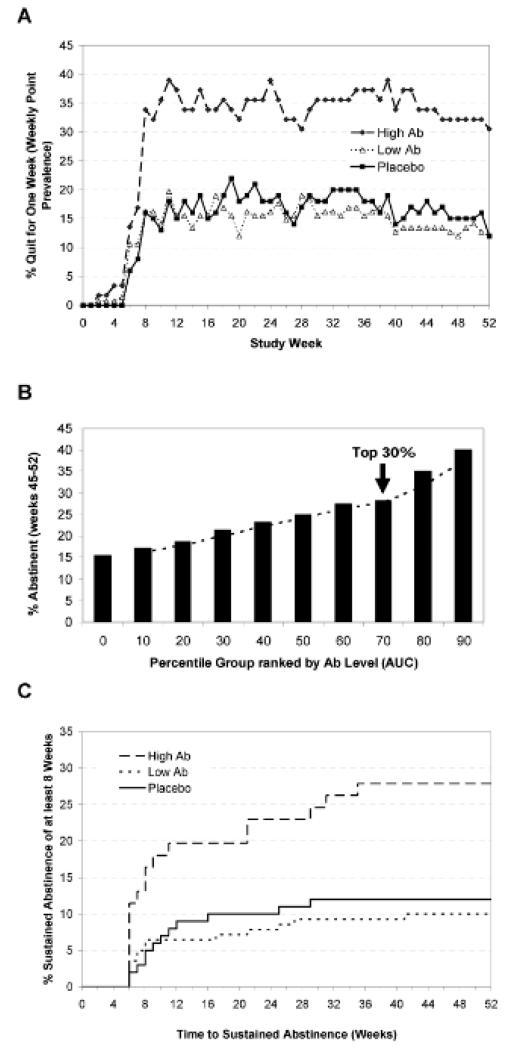
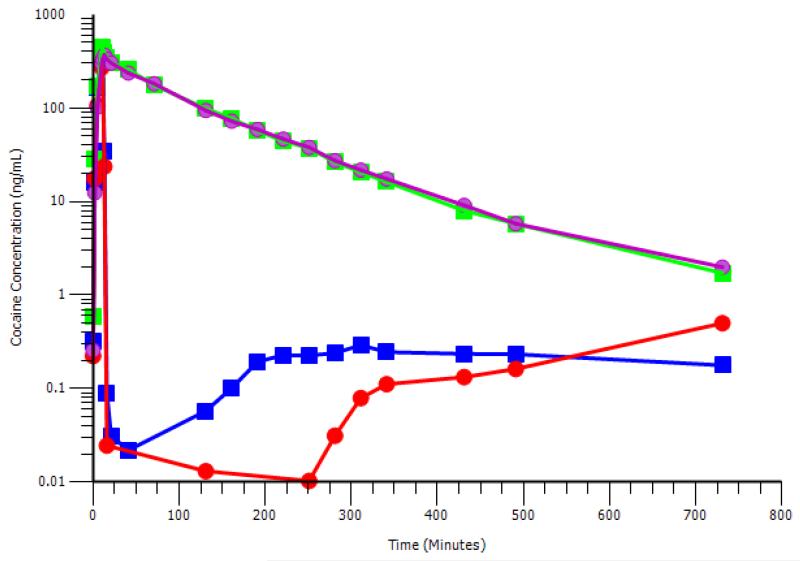
In contrast to traditional pharmacodynamic approaches to treat substance-use disorders (SUDs), the use of biologics (vaccines, monoclonal antibodies, and genetically modified enzymes) is based on a pharmacokinetic principle: reduce the amount of (and, ideally, eliminate) abused drug entering the central nervous system (CNS). Preclinical studies indicate that biologics are effective in both facilitating abstinence and preventing relapse to abused substances ranging from nicotine to heroin. While data are still emerging, the results from multiple clinical trials can best be described as mixed. Nonetheless, these clinical studies have already provided important insights using 'first-generation' tools that may inform the development of effective and commercially viable biologics to treat tobacco-, cocaine-, and methamphetamine-use disorders.
与治疗物质使用障碍(SUDs)的传统药效学方法不同,生物制品(疫苗、单克隆抗体和基因工程酶)的使用基于药代动力学原理:减少进入中枢神经系统(CNS)的滥用药物量(理想情况下是消除)。临床前研究表明,生物制品在促进戒烟和预防从尼古丁到海洛因等滥用物质的复吸方面均有效。虽然数据仍在不断涌现,但多项临床试验的结果可谓喜忧参半。尽管如此,这些临床研究已经使用“第一代”工具提供了重要见解,这可能为开发有效且具有商业可行性的生物制品以治疗烟草、可卡因和甲基苯丙胺使用障碍提供参考。