Herburger Klaus, Karsten Ulf, Holzinger Andreas
Institute of Botany, Functional Plant Biology, University of Innsbruck, Sternwartestraße 15, A-6020, Innsbruck, Austria.
Institute of Biological Sciences, Applied Ecology and Phycology, University of Rostock, Albert-Einstein-Straße 3, D-18059, Rostock, Germany.
Protoplasma. 2016 Sep;253(5):1309-23. doi: 10.1007/s00709-015-0889-z. Epub 2015 Oct 6.
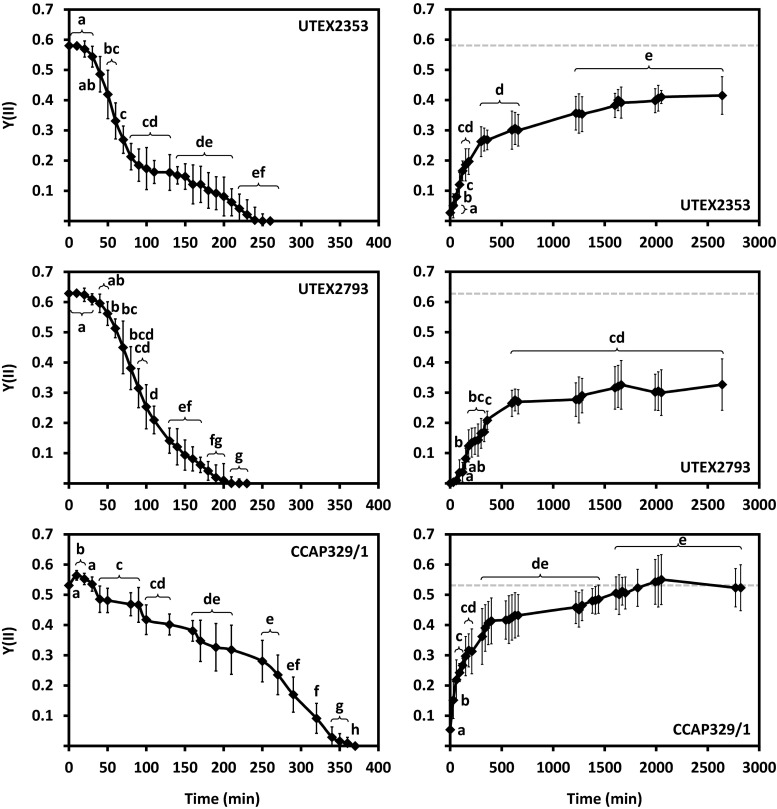
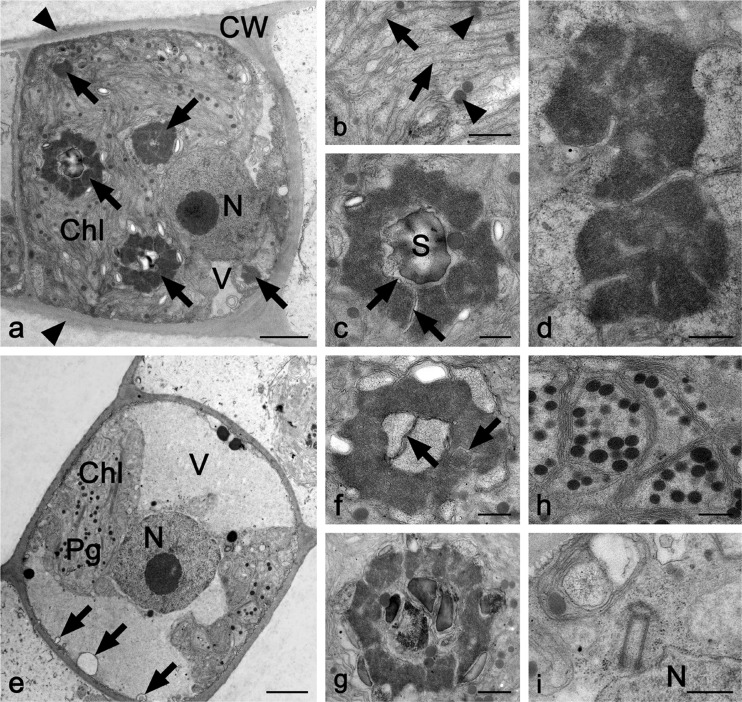
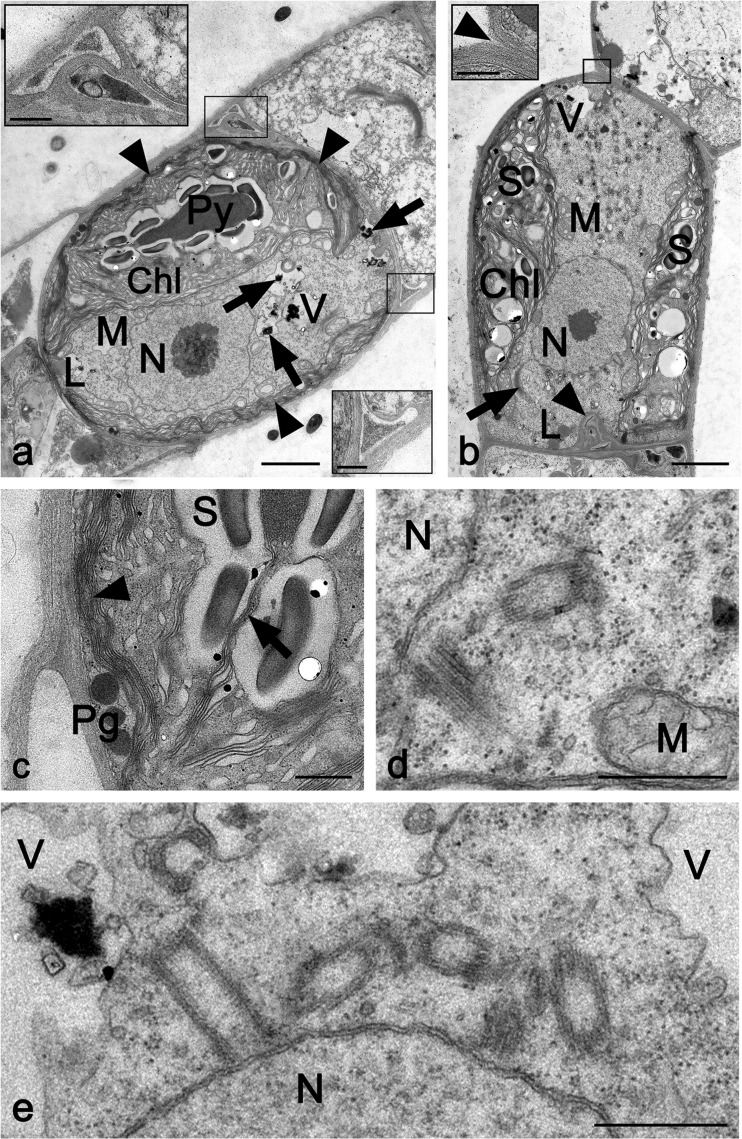
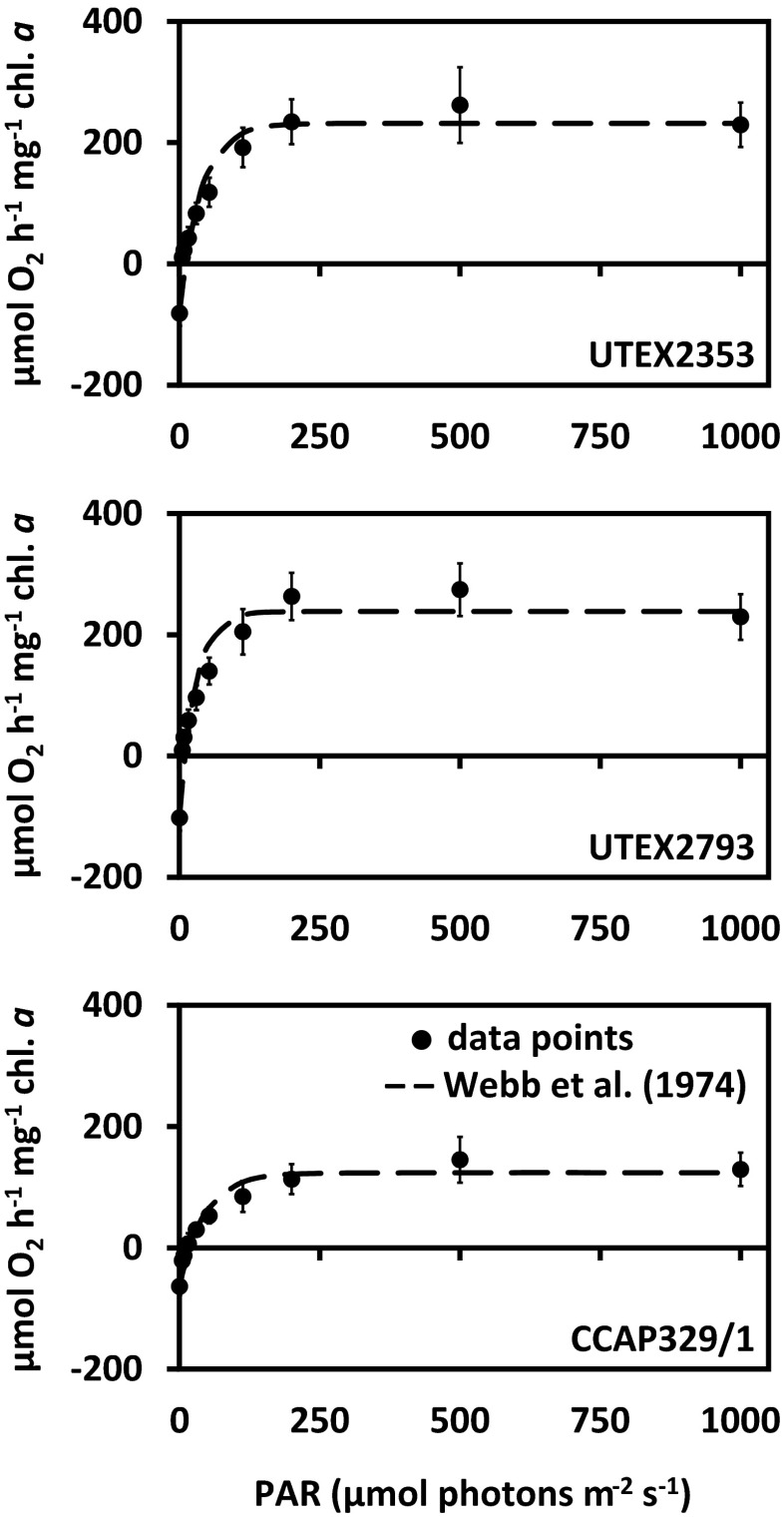
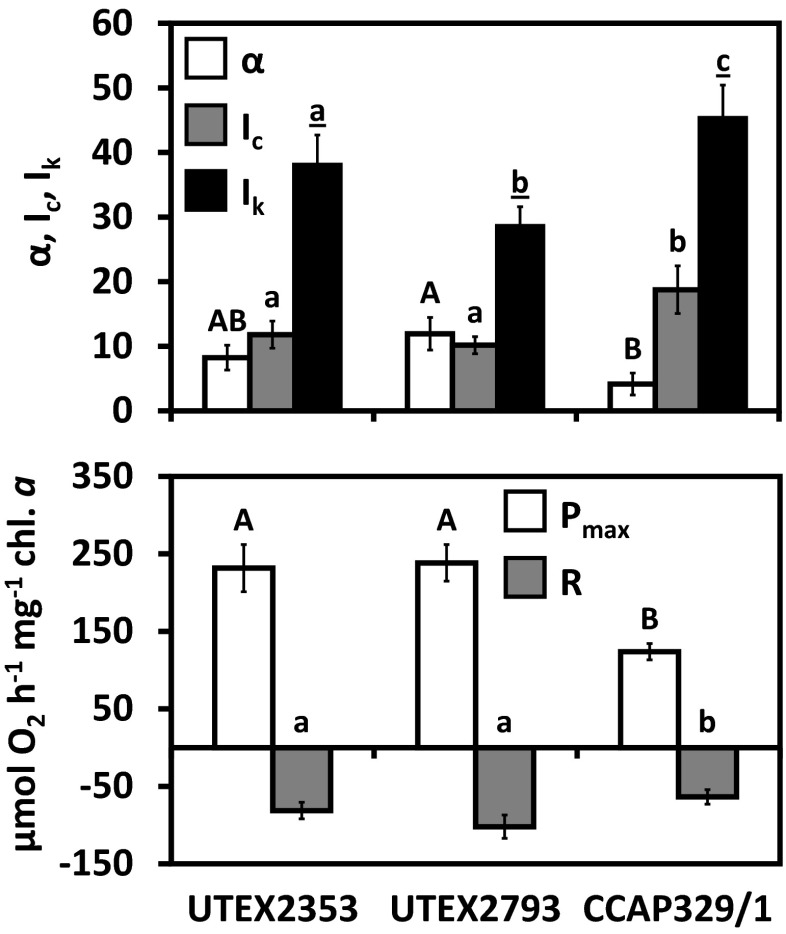
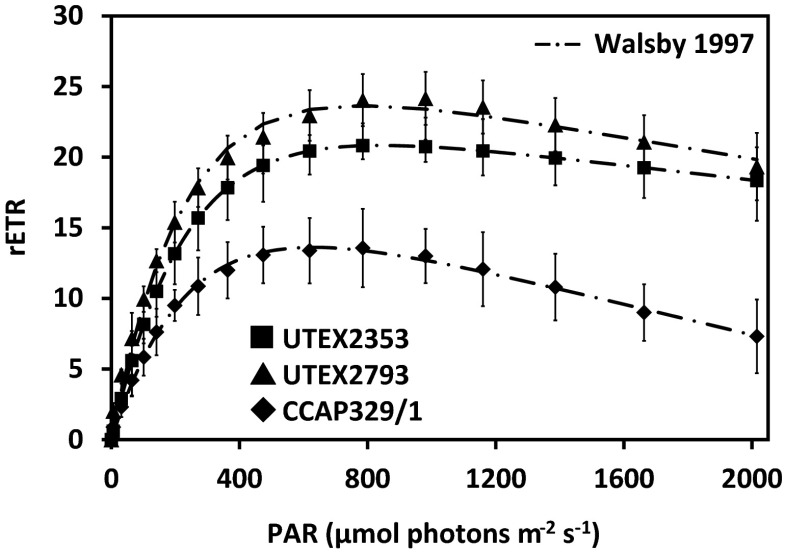
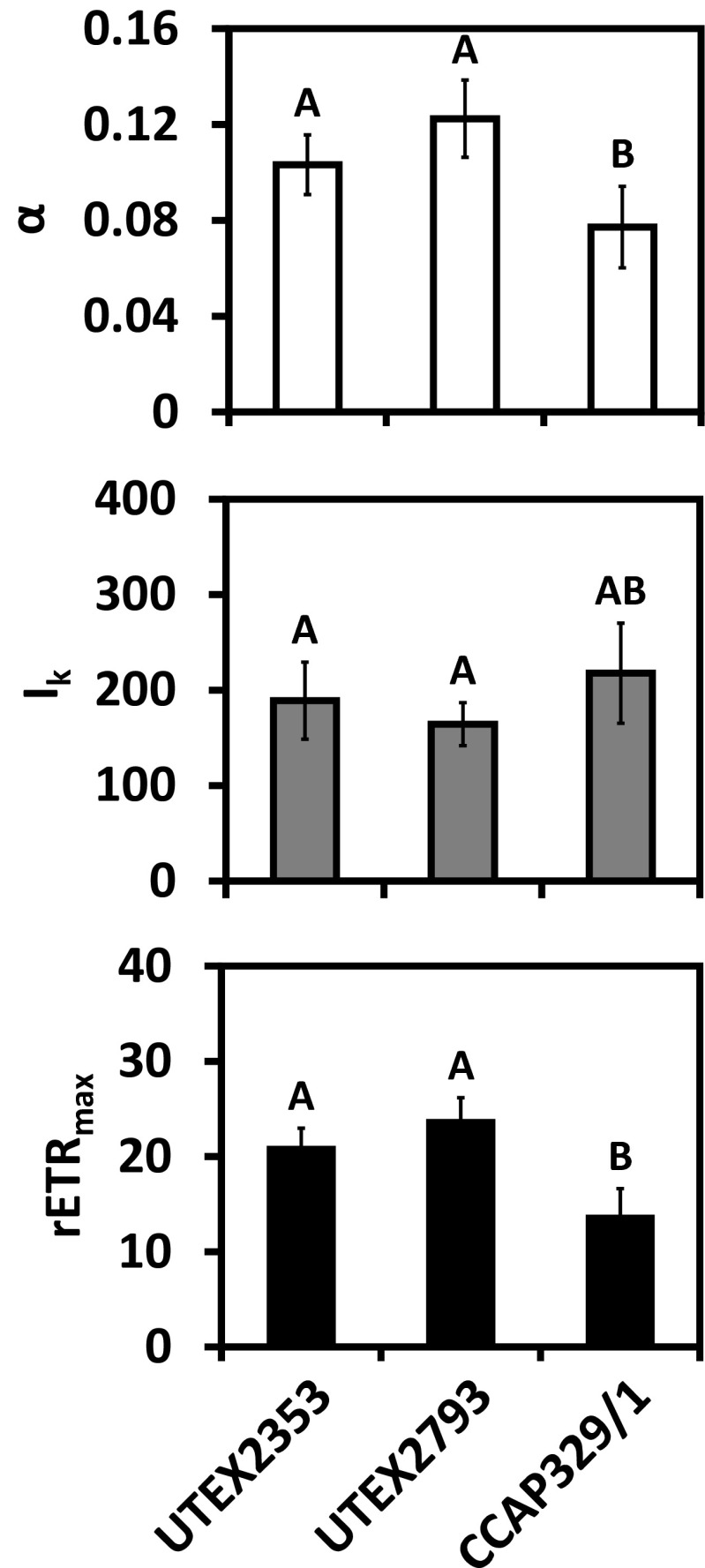
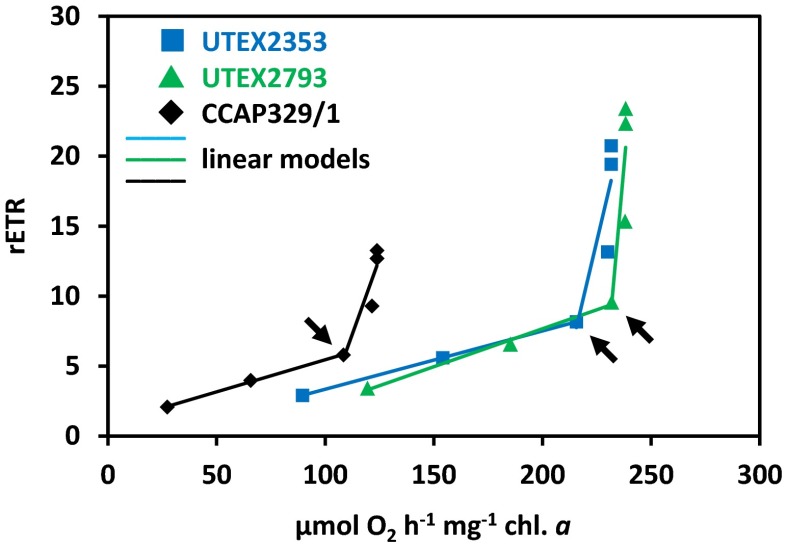
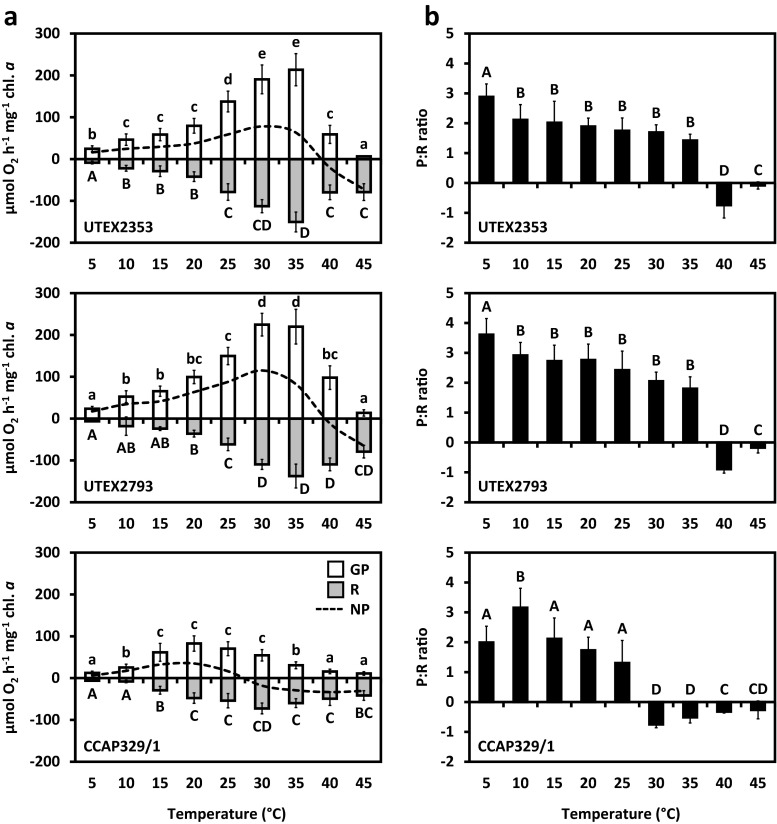
The green-algal class Klebsormidiophyceae (Streptophyta), which occurs worldwide, comprises the genera Klebsormidium, Interfilum, Entransia, and Hormidiella. Ecophysiological research has so far focused on the first two genera because they are abundant in biological soil crust communities. The present study investigated the photosynthetic performances of Hormidiella attenuata and two strains of Entransia fimbriata under light, temperature, and desiccation stress. Their ultrastructure was compared using transmission electron microscopy. The two Entransia strains showed similar physiological responses. They used light more efficiently than Hormidiella, as indicated by higher oxygen production and relative electron transport rate under low light conditions, lower light saturation and compensation points, and higher maximum oxygen production during light saturation. Their requirement for low light levels explains the restriction of Entransia to dim limnetic habitats. In contrast, Hormidiella, which prefers drier soil habitats, responded to light gradients similarly to other aero-terrestrial green algae. Compared to Entransia, Hormidiella was less affected by short-term desiccation, and rehydration allowed full recovery of the photosynthetic performance. Nevertheless, both strains of Entransia coped with low water availability better than other freshwater algae. Photosynthetic oxygen production in relation to respiratory consumption was higher in low temperatures (Entransia: 5 °C, Hormidiella: 10 °C) and the ratio decreased with increasing temperatures. Hormidiella exhibited conspicuous triangular spaces in the cell wall corners, which were filled either with undulating cell wall material or with various inclusions. These structures are commonly seen in various members of Klebsormidiophyceae. The data revealed significant differences between Hormidiella and Entransia, but appropriate adaptations to their respective habitats.
绿藻纲的鞘毛藻目(链形植物门)广泛分布于世界各地,包括鞘毛藻属、间丝藻属、流苏藻属和小鞘毛藻属。迄今为止,生态生理学研究主要集中在前两个属,因为它们在生物土壤结皮群落中数量丰富。本研究调查了小鞘毛藻和两株流苏藻在光照、温度和干燥胁迫下的光合性能。使用透射电子显微镜比较了它们的超微结构。两株流苏藻表现出相似的生理反应。在低光照条件下,它们比小鞘毛藻更有效地利用光,表现为更高的产氧量和相对电子传递速率、更低的光饱和点和补偿点,以及在光饱和时更高的最大产氧量。它们对低光照水平的需求解释了流苏藻局限于昏暗的湖沼生境的原因。相比之下,更喜欢干燥土壤生境的小鞘毛藻,对光照梯度的反应与其他气生陆地绿藻相似。与流苏藻相比,小鞘毛藻受短期干燥的影响较小,复水后光合性能可完全恢复。然而,两株流苏藻都比其他淡水藻类更能适应低水分条件。低温下(流苏藻:5℃,小鞘毛藻:10℃)光合产氧量与呼吸消耗量的比值较高,且该比值随温度升高而降低。小鞘毛藻在细胞壁角处呈现出明显的三角形空间,其中填充着起伏的细胞壁物质或各种内含物。这些结构在鞘毛藻目的各种成员中普遍可见。数据显示小鞘毛藻和流苏藻之间存在显著差异,但它们都能很好地适应各自的生境。