Shao Jie, Zhang Junnan, Wu Xing, Mao Qunying, Chen Pan, Zhu Fengcai, Xu Miao, Kong Wei, Liang Zhenglun, Wang Junzhi
School of Life Sciences, Jilin University, Changchun, Jilin, P.R.China.
Division of Hepatitis Virus Vaccines, National Institutes for Food and Drug Control, Beijing, P.R.China.
PLoS One. 2015 Oct 14;10(10):e0140515. doi: 10.1371/journal.pone.0140515. eCollection 2015.
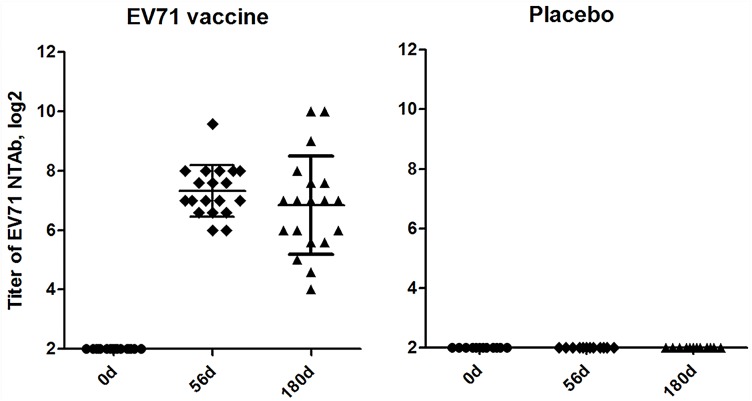
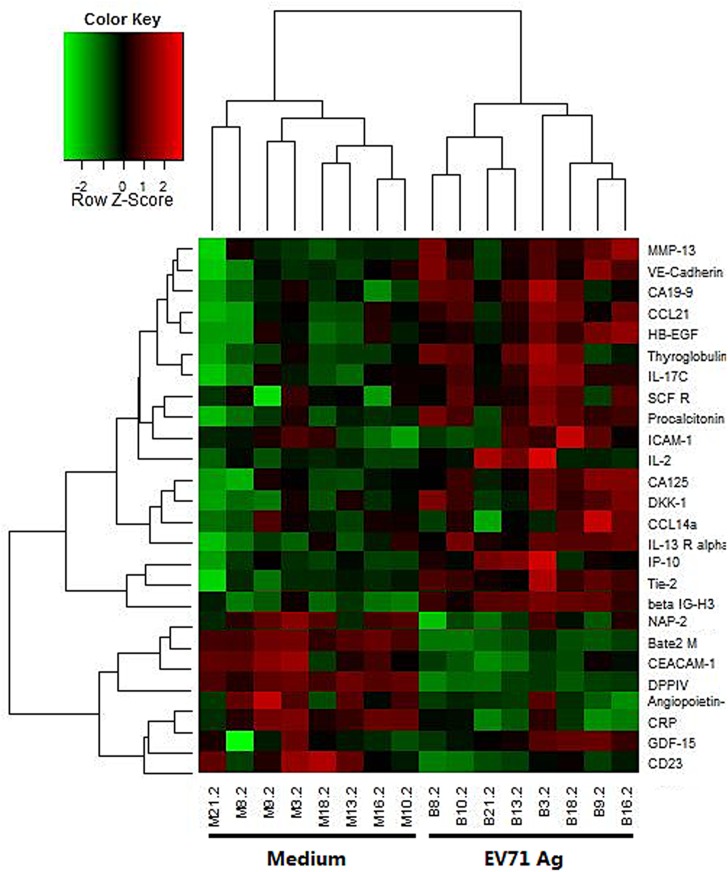
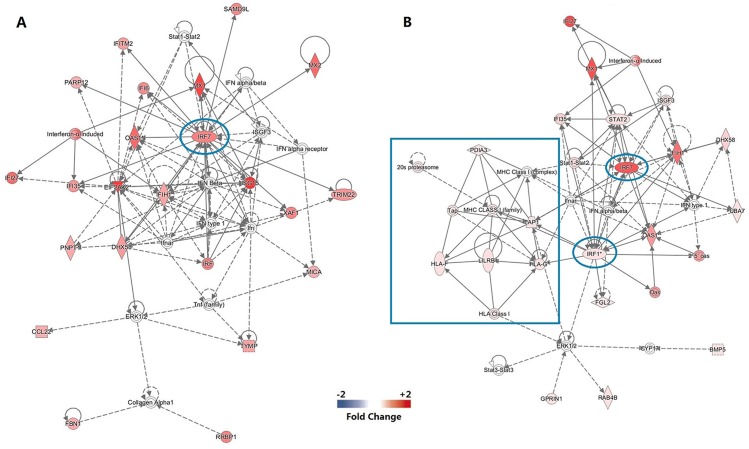
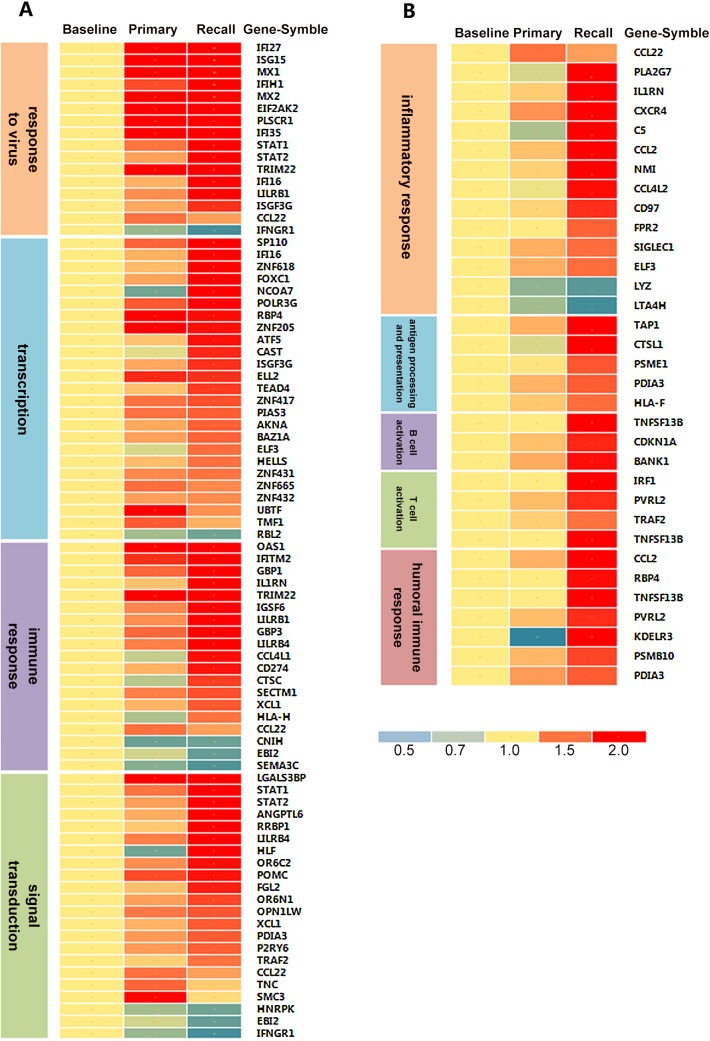
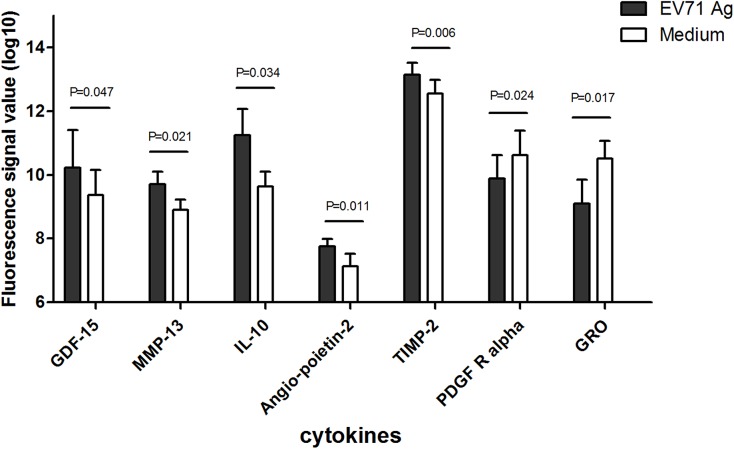
Three inactivated EV71 whole-virus vaccines have completed Phase III clinical trials in mainland China, with high efficacy, satisfactory safety, and sustained immunogenicity. However, the molecular mechanisms how this new vaccine elicit potent immune response remain poorly understood. To characterize the primary and recall responses to EV71 vaccines, PBMC from 19 recipients before and after vaccination with EV71 vaccine are collected and their gene expression signatures after stimulation with EV71 antigen were compared. The results showed that primary and recall response to EV71 antigen have both activated an IRF7 regulating type I interferon and antiviral immune response network. However, up-regulated genes involved in T cell activation regulated by IRF1, inflammatory response, B-cell activation and humoral immune response were only observed in recall response. The specific secretion of IL-10 in primary response and IL-2,IP-10,CCL14a, CCL21 in recall response was consistent with the activation of immune response process found in genes. Furthermore, the expression of MX1 and secretion of IP-10 in recall response were strongly correlated with NTAb level at 180d after vaccination (r = 0.81 and 0.99). In summary, inflammatory response, adaptive immune response and a stronger antiviral response were indentified in recall response.
三种灭活肠道病毒71型(EV71)全病毒疫苗已在中国内地完成Ⅲ期临床试验,具有高效、安全性良好及免疫原性持久的特点。然而,这种新型疫苗引发有效免疫反应的分子机制仍知之甚少。为了表征对EV71疫苗的初次和再次免疫反应,收集了19名接种EV71疫苗前后的受试者的外周血单个核细胞(PBMC),并比较了用EV71抗原刺激后它们的基因表达特征。结果表明,对EV71抗原的初次和再次免疫反应均激活了一个调控Ⅰ型干扰素和抗病毒免疫反应网络的干扰素调节因子7(IRF7)。然而,仅在再次免疫反应中观察到受IRF1调控的参与T细胞活化、炎症反应、B细胞活化和体液免疫反应的上调基因。初次免疫反应中白细胞介素10(IL-10)的特异性分泌以及再次免疫反应中IL-2、干扰素γ诱导蛋白10(IP-10)、CC趋化因子配体14a(CCL14a)、CC趋化因子配体21(CCL21)的分泌与基因中发现的免疫反应过程的激活一致。此外,再次免疫反应中MX1的表达和IP-10的分泌与接种疫苗后180天的中和抗体(NTAb)水平密切相关(r = 0.81和0.99)。总之,在再次免疫反应中确定了炎症反应、适应性免疫反应和更强的抗病毒反应。