Department of Microbiology and Immunology, Yong Loo Lin School of Medicine, National University of Singapore, Singapore.
Immunology Programme, Life Sciences Institute, National University of Singapore, Singapore.
PLoS Pathog. 2018 Jan 11;14(1):e1006778. doi: 10.1371/journal.ppat.1006778. eCollection 2018 Jan.
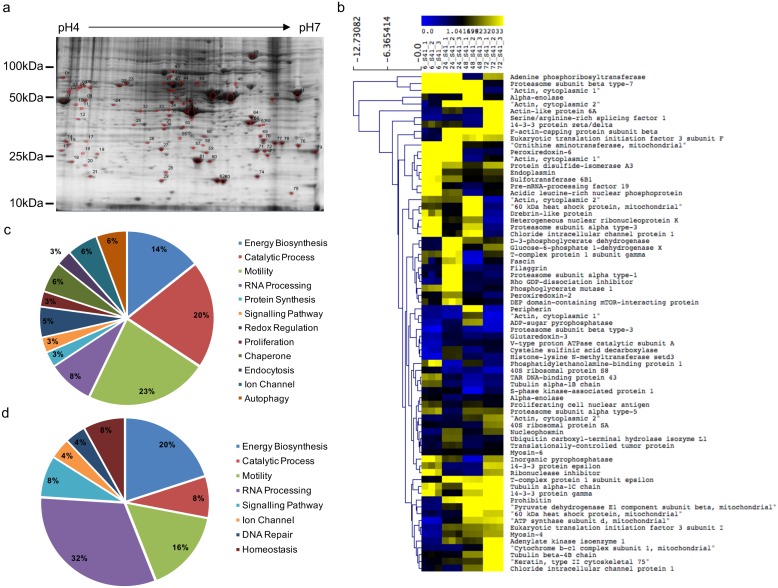
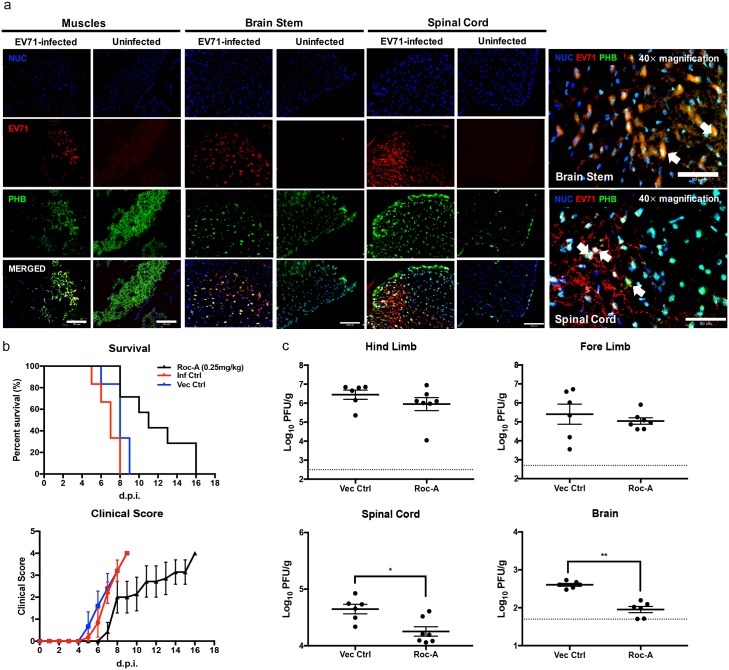
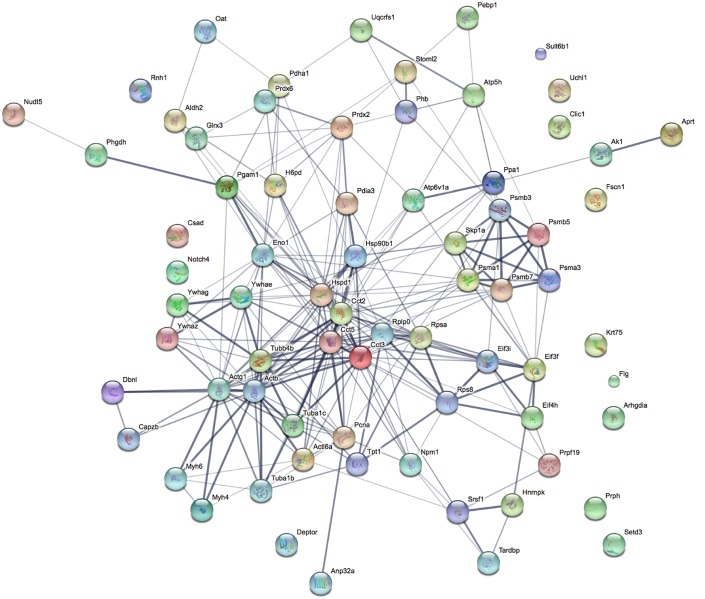
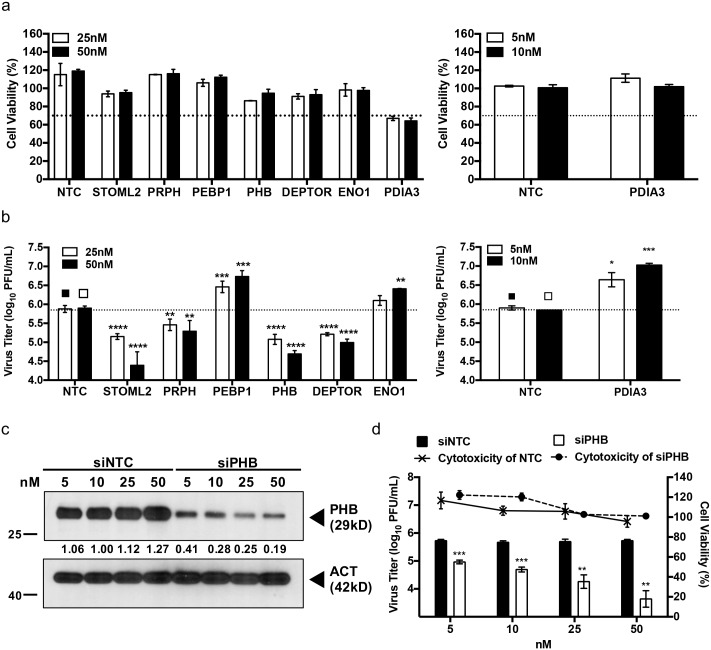
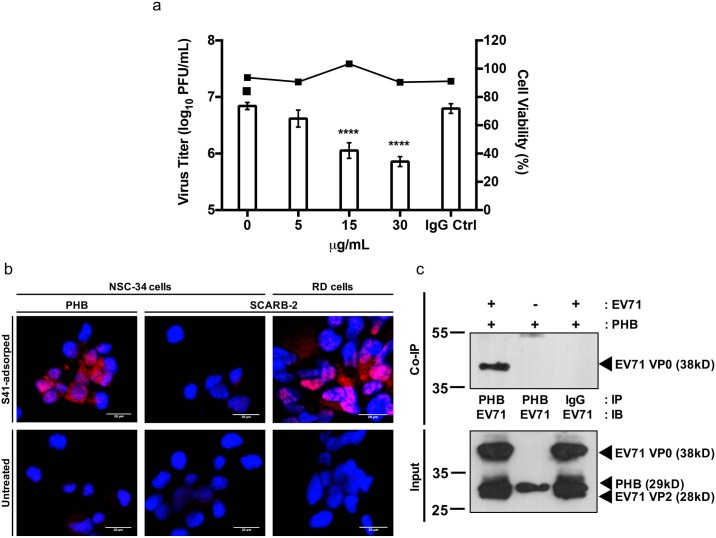
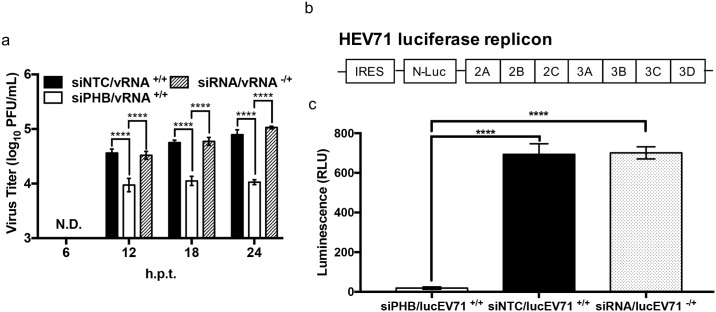
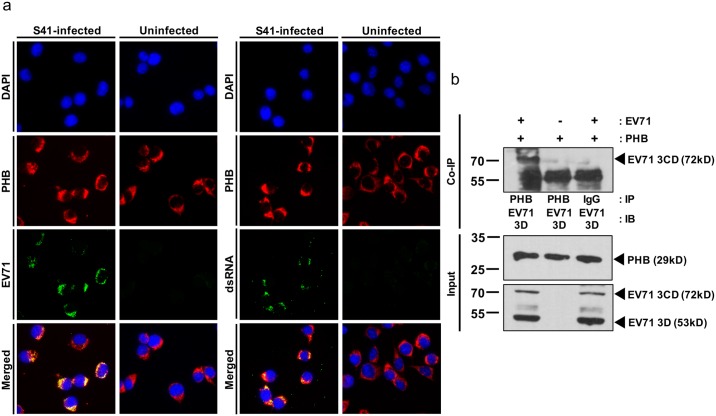
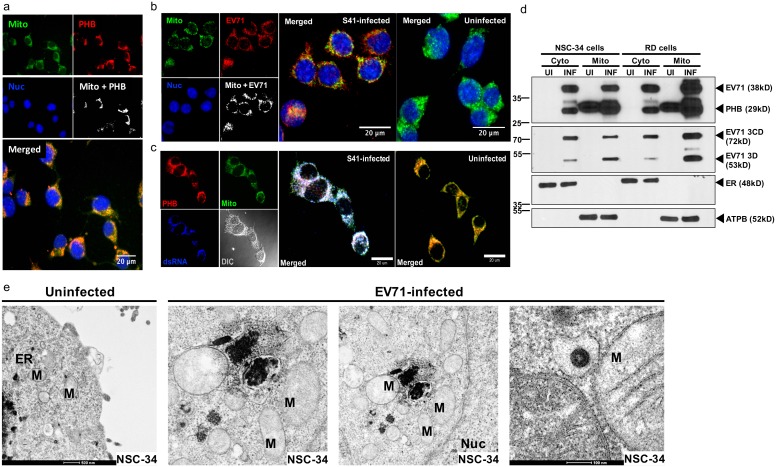
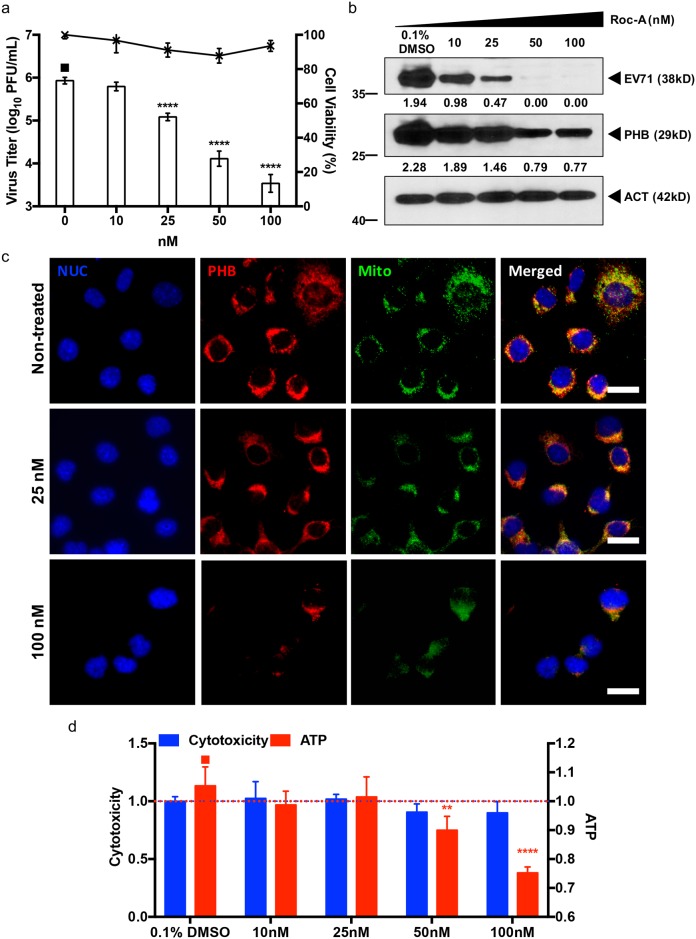
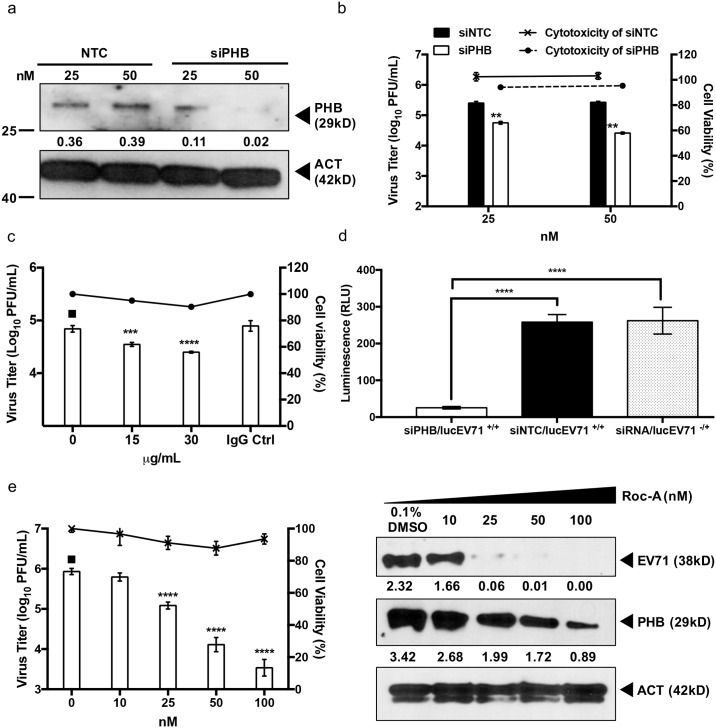
A close relative of poliovirus, enterovirus 71 (EV71) is regarded as an important neurotropic virus of serious public health concern. EV71 causes Hand, Foot and Mouth Disease and has been associated with neurological complications in young children. Our limited understanding of the mechanisms involved in its neuropathogenesis has hampered the development of effective therapeutic options. Here, using a two-dimensional proteomics approach combined with mass spectrometry, we have identified a unique panel of host proteins that were differentially and dynamically modulated during EV71 infection of motor-neuron NSC-34 cells, which are found at the neuromuscular junctions where EV71 is believed to enter the central nervous system. Meta-analysis with previously published proteomics studies in neuroblastoma or muscle cell lines revealed minimal overlapping which suggests unique host-pathogen interactions in NSC-34 cells. Among the candidate proteins, we focused our attention on prohibitin (PHB), a protein that is involved in multiple cellular functions and the target of anti-cancer drug Rocaglamide (Roc-A). We demonstrated that cell surface-expressed PHB is involved in EV71 entry into neuronal cells specifically, while membrane-bound mitochondrial PHB associates with the virus replication complex and facilitates viral replication. Furthermore, Roc-A treatment of EV71-infected neuronal cells reduced significantly virus yields. However, the inhibitory effect of Roc-A on PHB in NSC-34 cells was not through blocking the CRAF/MEK/ERK pathway as previously reported. Instead, Roc-A treated NSC-34 cells had lower mitochondria-associated PHB and lower ATP levels that correlated with impaired mitochondria integrity. In vivo, EV71-infected mice treated with Roc-A survived longer than the vehicle-treated animals and had significantly lower virus loads in their spinal cord and brain, whereas virus titers in their limb muscles were comparable to controls. Together, this study uncovers PHB as the first host factor that is specifically involved in EV71 neuropathogenesis and a potential drug target to limit neurological complications.
肠道病毒 71 型(EV71)是脊髓灰质炎病毒的近亲,被认为是一种重要的、引起严重公共卫生关注的神经嗜性病毒。EV71 可引起手足口病,并与幼儿的神经并发症有关。我们对其神经发病机制中涉及的机制的了解有限,阻碍了有效治疗选择的发展。在这里,我们使用二维蛋白质组学方法结合质谱法,鉴定了一组在 EV71 感染运动神经元 NSC-34 细胞过程中差异和动态调节的独特宿主蛋白,这些细胞存在于运动神经元和肌纤维的连接处,EV71 被认为在此处进入中枢神经系统。与先前在神经母细胞瘤或肌肉细胞系中发表的蛋白质组学研究进行的荟萃分析显示,重叠最小,这表明 NSC-34 细胞中存在独特的宿主-病原体相互作用。在候选蛋白中,我们将注意力集中在抑制素(PHB)上,PHB 是一种参与多种细胞功能的蛋白,也是抗癌药物 Rocaglamide(Roc-A)的靶标。我们证明,细胞表面表达的 PHB 参与 EV71 进入神经元细胞,而膜结合的线粒体 PHB 与病毒复制复合物相关,并促进病毒复制。此外,Roc-A 处理 EV71 感染的神经元细胞可显著降低病毒产量。然而,Roc-A 对 NSC-34 细胞中 PHB 的抑制作用并非如先前报道的那样通过阻断 CRAF/MEK/ERK 途径。相反,用 Roc-A 处理的 NSC-34 细胞中线粒体相关 PHB 和 ATP 水平较低,与线粒体完整性受损有关。在体内,用 Roc-A 治疗的 EV71 感染小鼠比用载体处理的动物存活时间更长,其脊髓和大脑中的病毒载量明显降低,而其肢体肌肉中的病毒滴度与对照相比无差异。总之,这项研究揭示了 PHB 是第一个专门参与 EV71 神经发病机制的宿主因子,也是限制神经并发症的潜在药物靶点。