Niu Qingfeng, Li Jianzhao, Cai Danying, Qian Minjie, Jia Huimin, Bai Songling, Hussain Sayed, Liu Guoqin, Teng Yuanwen, Zheng Xiaoyan
Department of Horticulture, Zhejiang University, Hangzhou, Zhejiang 310058, China The Key Laboratory of Horticultural Plant Growth, Development and Quality Improvement, the Ministry of Agriculture of China, Hangzhou, Zhejiang 310058, China Zhejiang Provincial Key Laboratory of Integrative Biology and Utilization of Horticultural Plants, Hangzhou, Zhejiang 310058, China.
Institute of Horticulture, Zhejiang Academy of Agricultural Sciences, Hangzhou, Zhejiang Province 310021, China.
J Exp Bot. 2016 Jan;67(1):239-57. doi: 10.1093/jxb/erv454. Epub 2015 Oct 14.
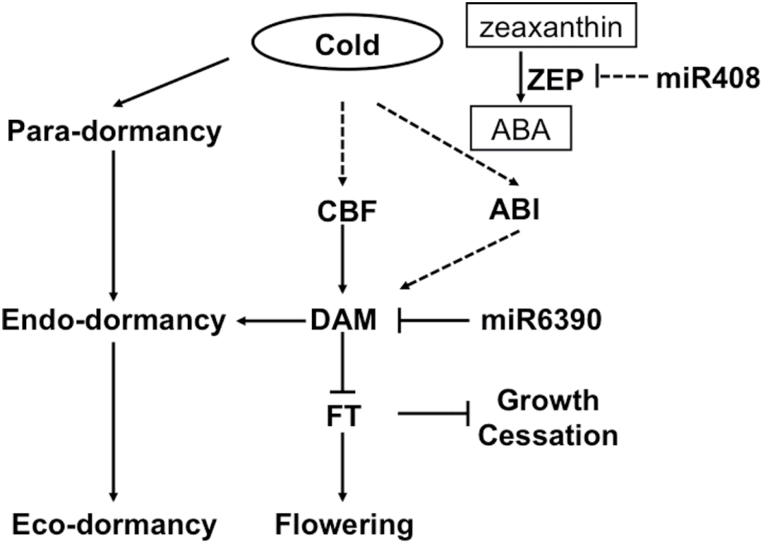
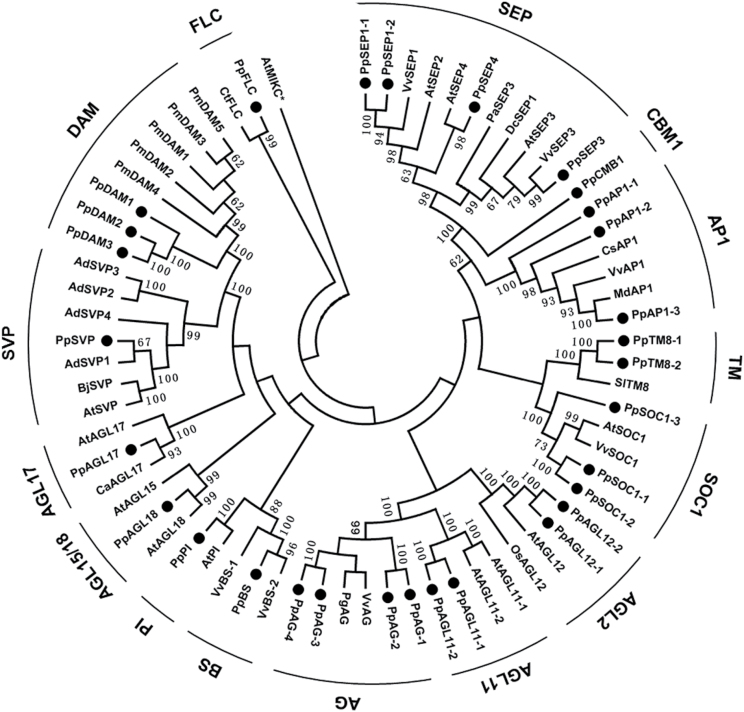
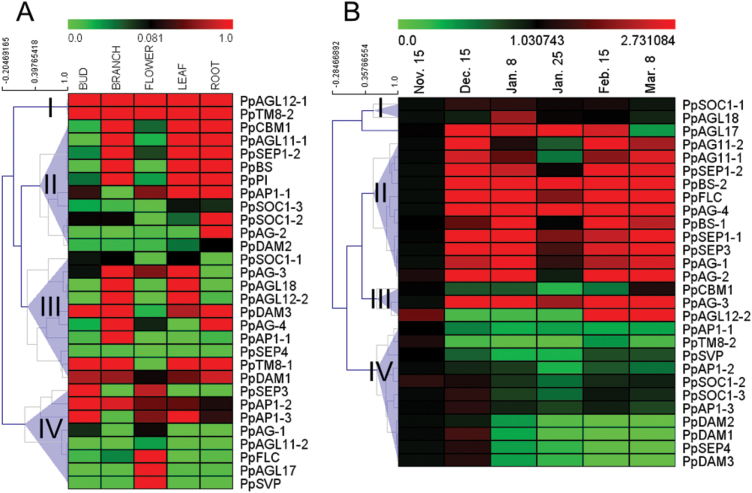
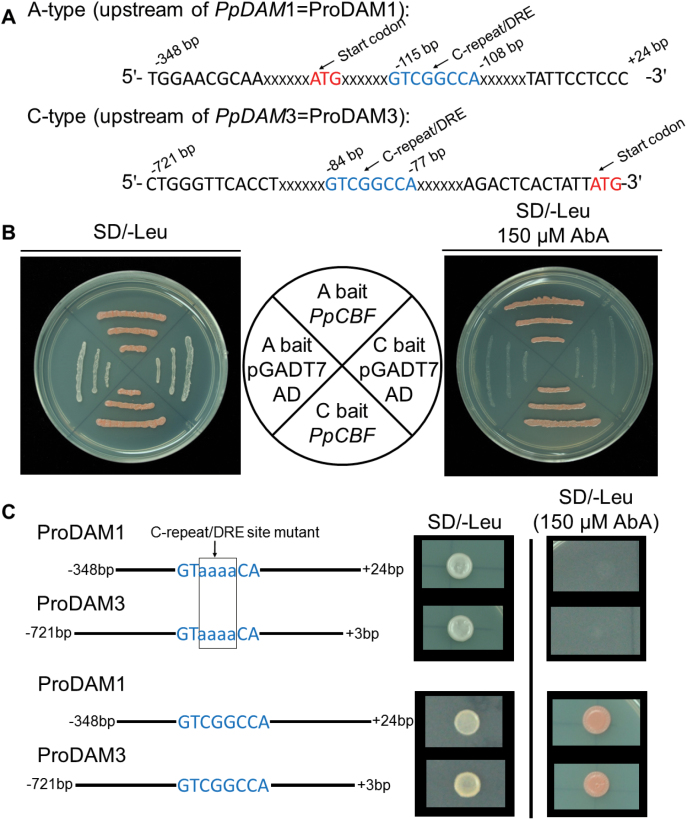
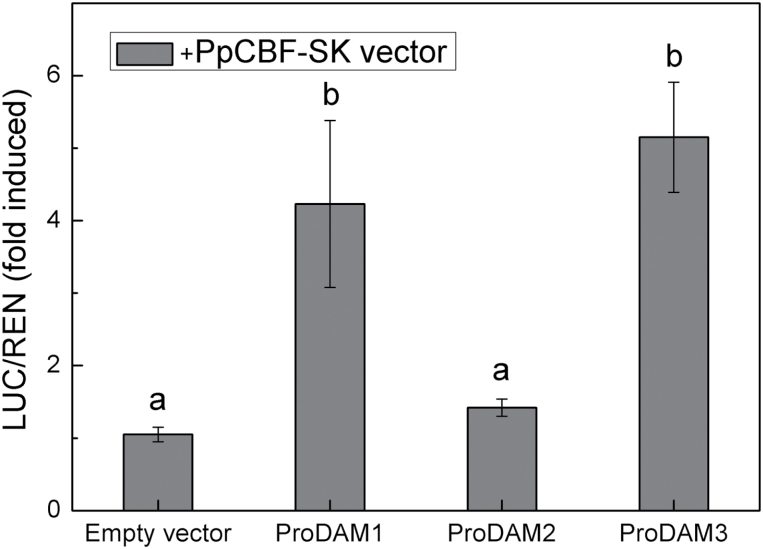
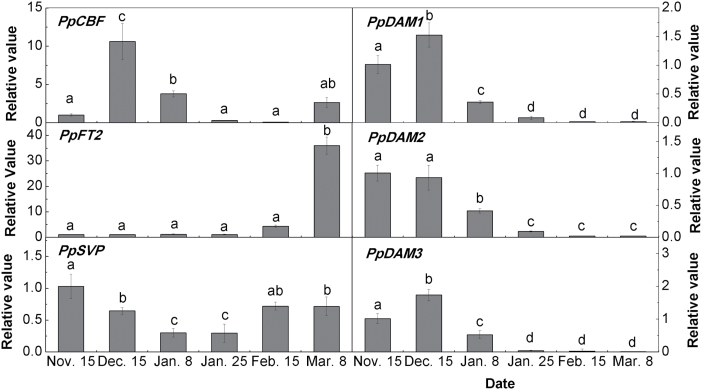
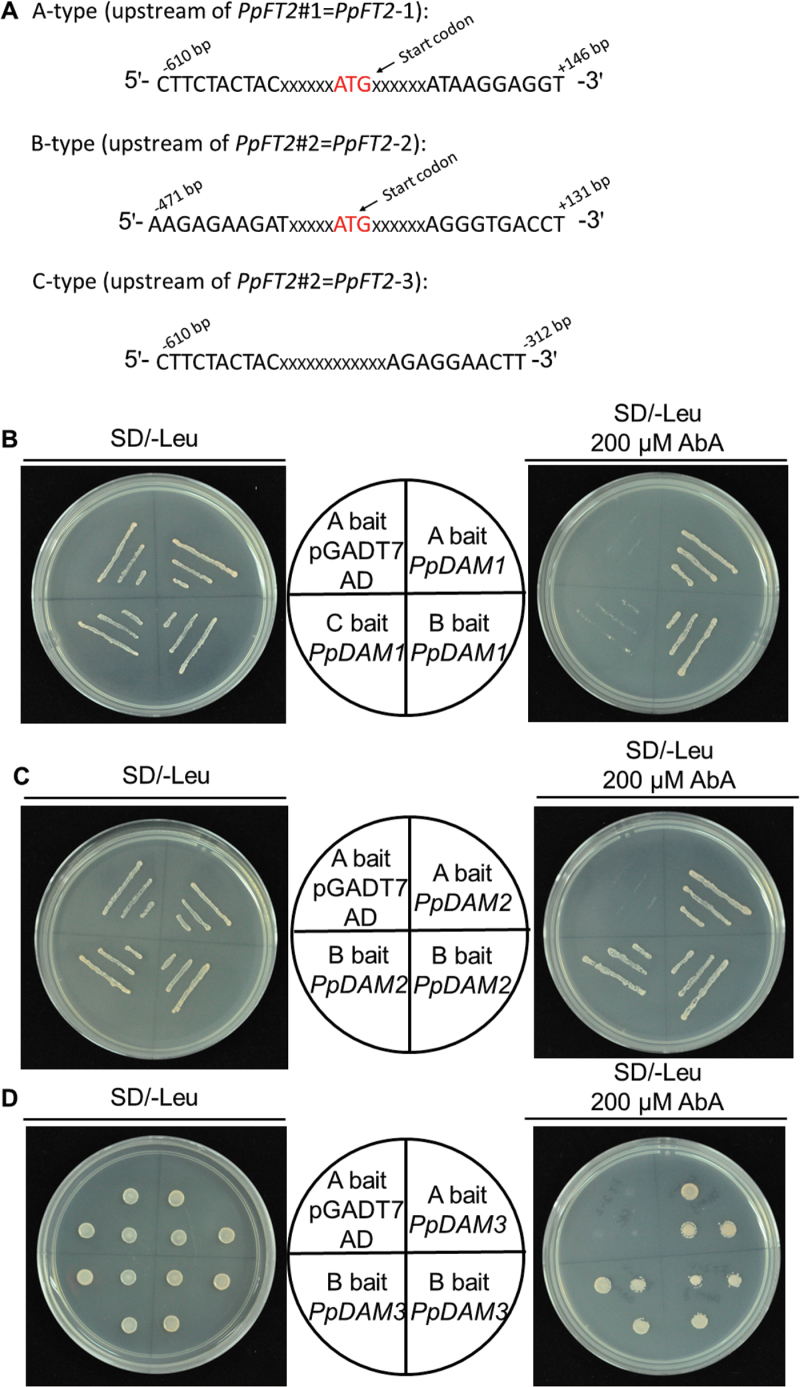
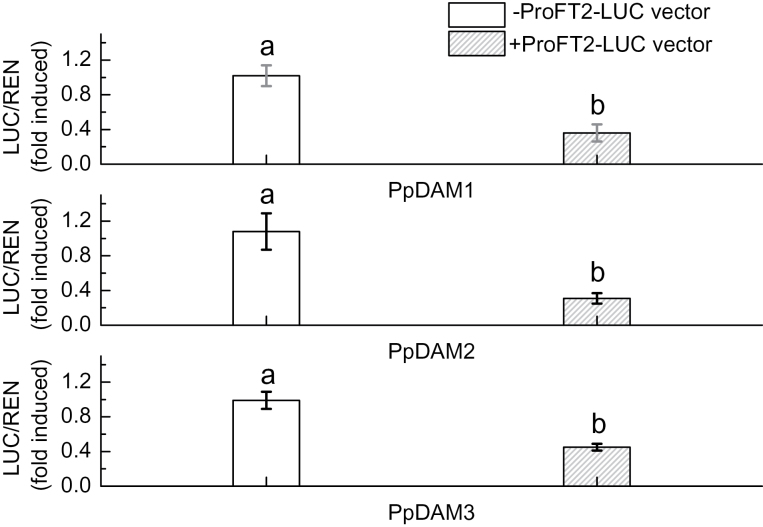
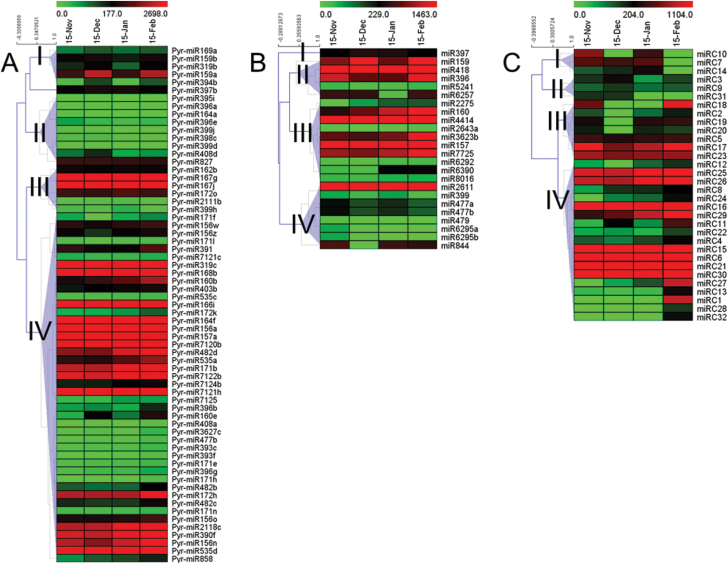
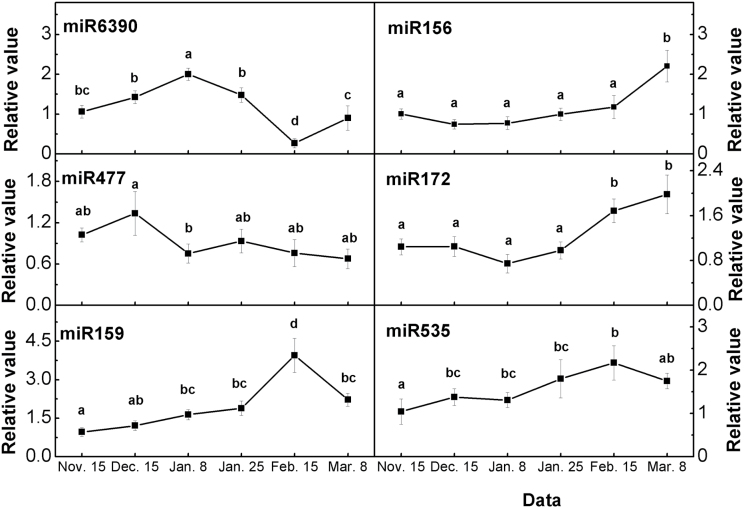
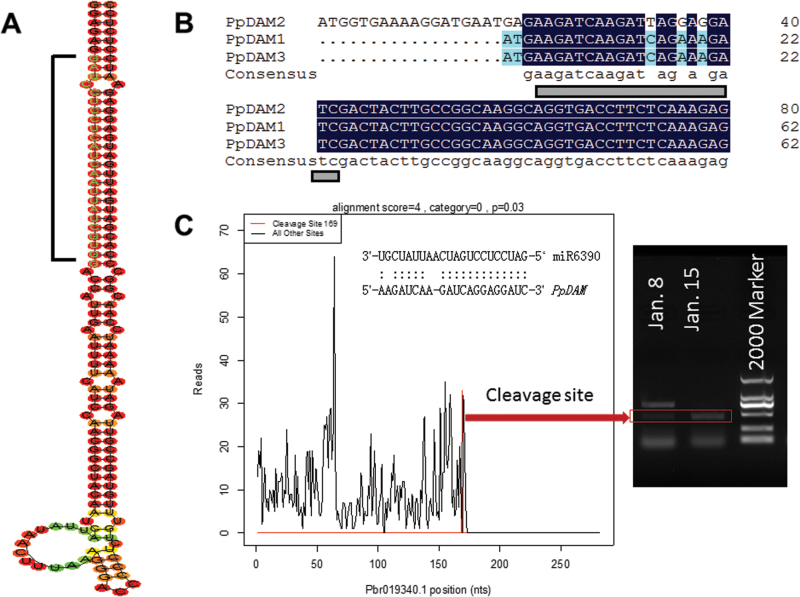
Bud dormancy in perennial plants is indispensable to survival over winter and to regrowth and development in the following year. However, the molecular pathways of endo-dormancy induction, maintenance, and release are still unclear, especially in fruit crops. To identify genes with roles in regulating endo-dormancy, 30 MIKC(C)-type MADS-box genes were identified in the pear genome and characterized. The 30 genes were analysed to determine their phylogenetic relationships with homologous genes, genome locations, gene structure, tissue-specific transcript profiles, and transcriptional patterns during flower bud dormancy in 'Suli' pear (Pyrus pyrifolia white pear group). The roles in regulating bud dormancy varied among the MIKC gene family members. Yeast one-hybrid and transient assays showed that PpCBF enhanced PpDAM1 and PpDAM3 transcriptional activity during the induction of dormancy, probably by binding to the C-repeat/DRE binding site, while DAM proteins inhibited the transcriptional activity of PpFT2 during dormancy release. In the small RNA-seq analysis, 185 conserved, 24 less-conserved, and 32 pear-specific miRNAs with distinct expression patterns during bud dormancy were identified. Joint analyses of miRNAs and MIKC genes together with degradome data showed that miR6390 targeted PpDAM transcripts and degraded them to release PpFT2. Our data show that cross-talk among PpCBF, PpDAM, PpFT2, and miR6390 played important roles in regulating endo-dormancy. A model for the molecular mechanism of dormancy transition is proposed: short-term chilling in autumn activates the accumulation of CBF, which directly promotes DAM expression; DAM subsequently inhibits FT expression to induce endo-dormancy, and miR6390 degrades DAM genes to release endo-dormancy.
多年生植物的芽休眠对于其越冬存活以及来年的再生长和发育至关重要。然而,内休眠诱导、维持和解除的分子途径仍不清楚,尤其是在果树作物中。为了鉴定参与调控内休眠的基因,在梨基因组中鉴定并表征了30个MIKC(C)型MADS-box基因。分析了这30个基因与同源基因的系统发育关系、基因组位置、基因结构、组织特异性转录谱以及‘酥梨’(白梨组砂梨)花芽休眠期间的转录模式。MIKC基因家族成员在调控芽休眠中的作用各不相同。酵母单杂交和瞬时分析表明,PpCBF可能通过与C-重复/DRE结合位点结合,在休眠诱导期间增强PpDAM1和PpDAM3的转录活性,而DAM蛋白在休眠解除期间抑制PpFT2的转录活性。在小RNA测序分析中,鉴定出185个保守的、24个保守性较低的和32个梨特异性的miRNA,它们在芽休眠期间具有不同的表达模式。miRNA和MIKC基因与降解组数据的联合分析表明,miR6390靶向PpDAM转录本并将其降解以释放PpFT2。我们的数据表明,PpCBF、PpDAM、PpFT2和miR6390之间的相互作用在调控内休眠中发挥了重要作用。提出了一个休眠转变分子机制的模型:秋季的短期低温激活了CBF的积累,CBF直接促进DAM的表达;DAM随后抑制FT的表达以诱导内休眠,而miR6390降解DAM基因以解除内休眠。