Wang Kai, Xu Ruijuan, Schrandt Jennifer, Shah Prithvi, Gong Yong Z, Preston Chet, Wang Louis, Yi Jae Kyo, Lin Chih-Li, Sun Wei, Spyropoulos Demetri D, Rhee Soyoung, Li Mingsong, Zhou Jie, Ge Shaoyu, Zhang Guofeng, Snider Ashley J, Hannun Yusuf A, Obeid Lina M, Mao Cungui
Department of Medicine, Stony Brook University, Stony Brook, New York, United States of America; Stony Brook Cancer Center, Stony Brook, New York, United States of America; Department of Hepatobiliary Surgery, Nanfang Hospital, Southern Medical University, Guangzhou, China.
Department of Medicine, Stony Brook University, Stony Brook, New York, United States of America; Stony Brook Cancer Center, Stony Brook, New York, United States of America.
PLoS Genet. 2015 Oct 16;11(10):e1005591. doi: 10.1371/journal.pgen.1005591. eCollection 2015 Oct.
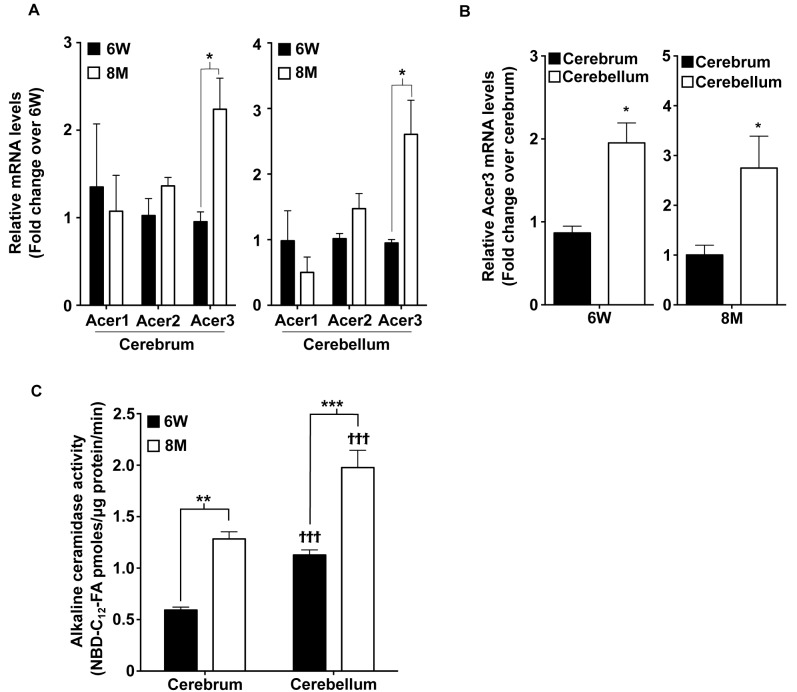
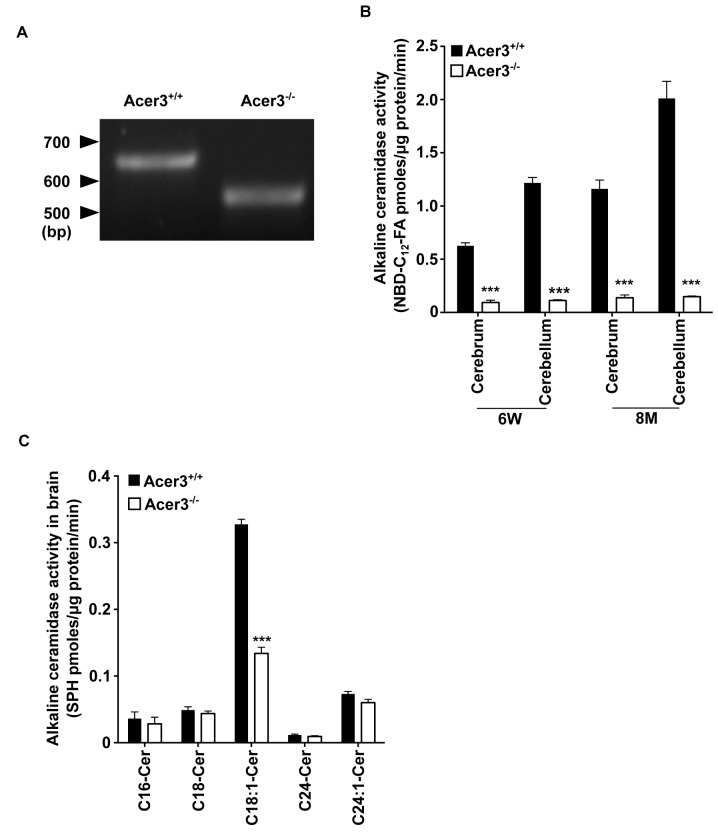
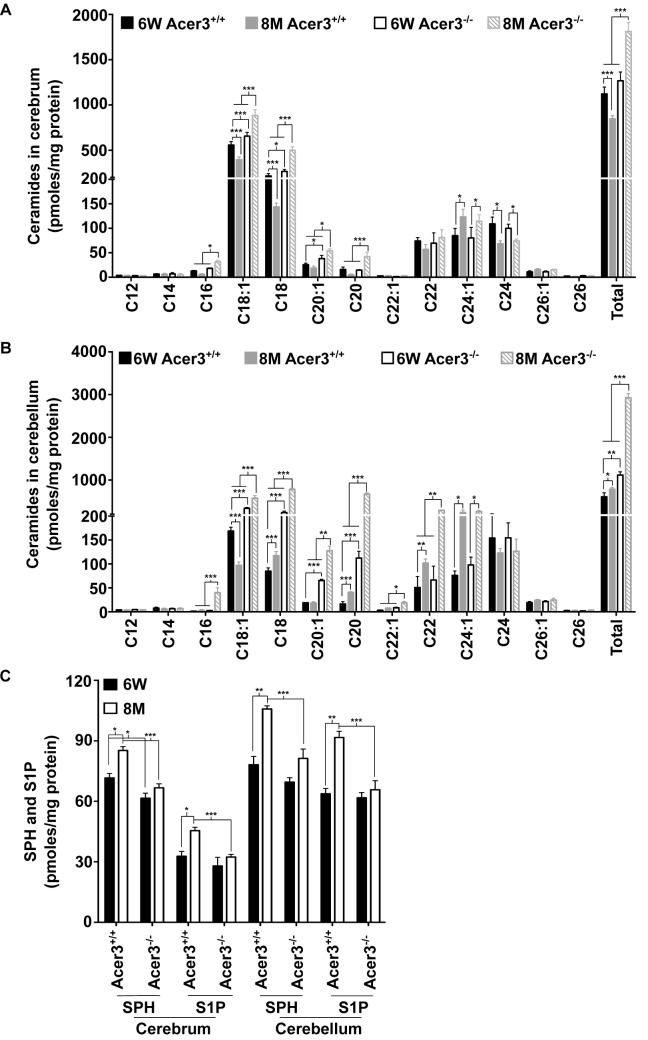
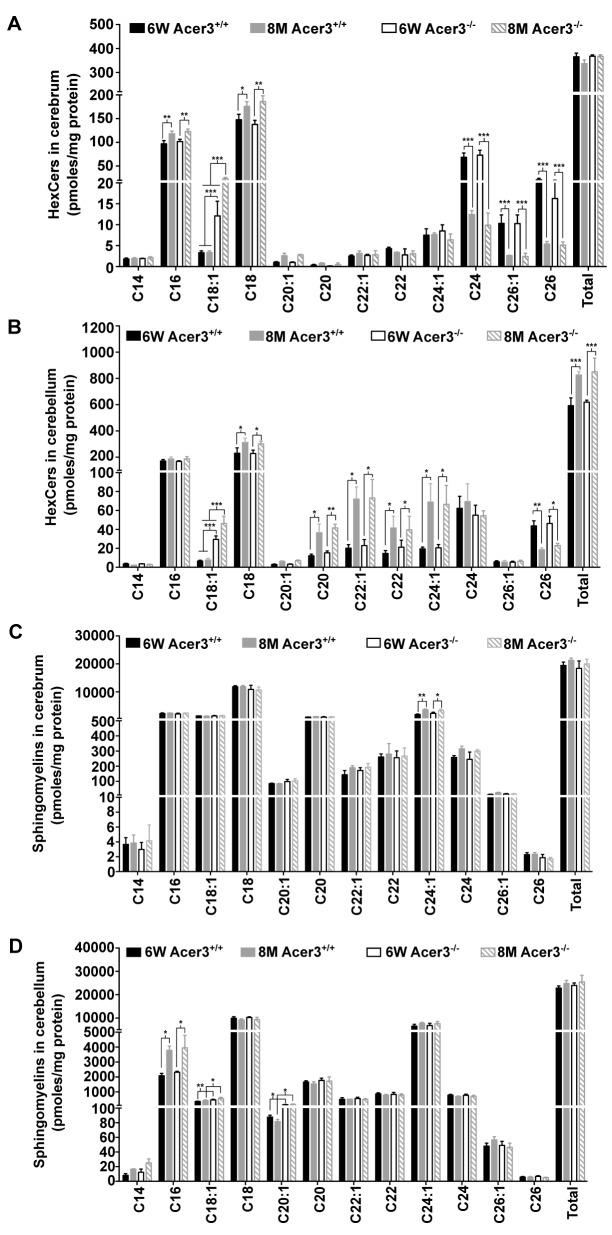
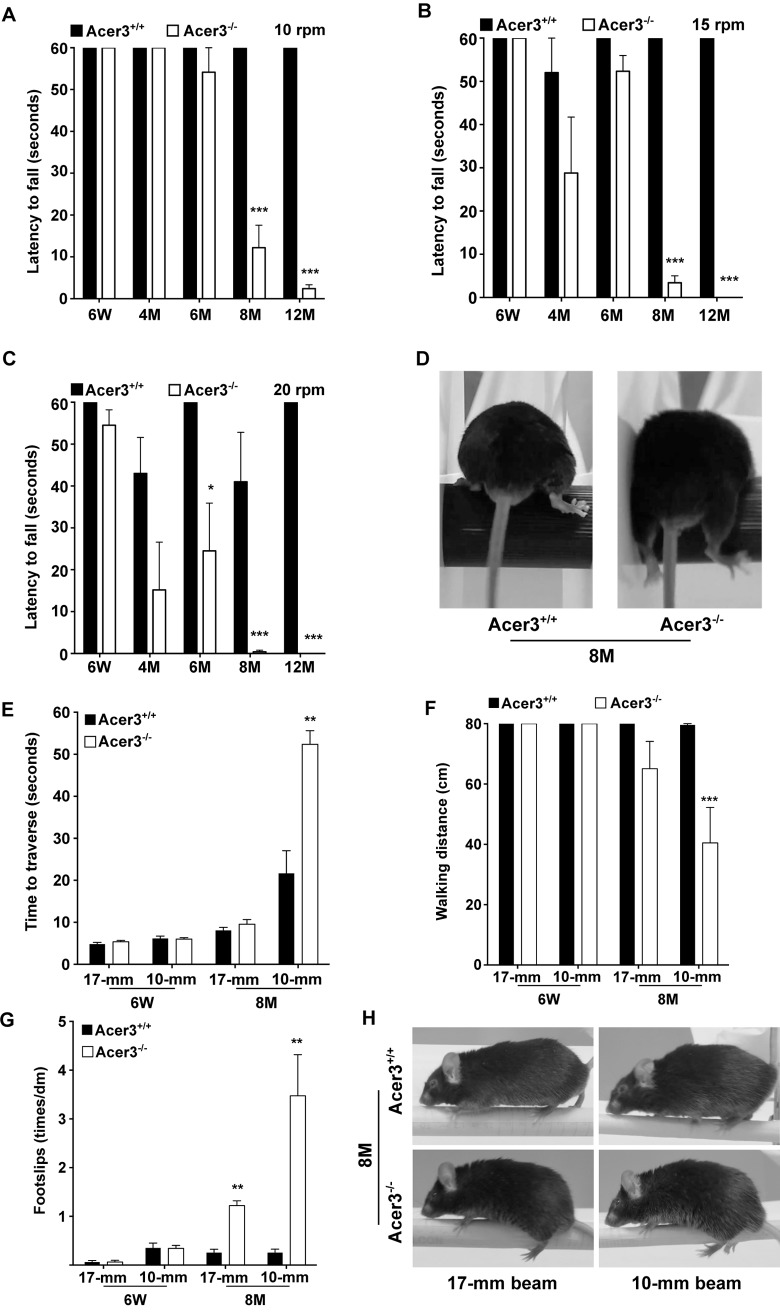
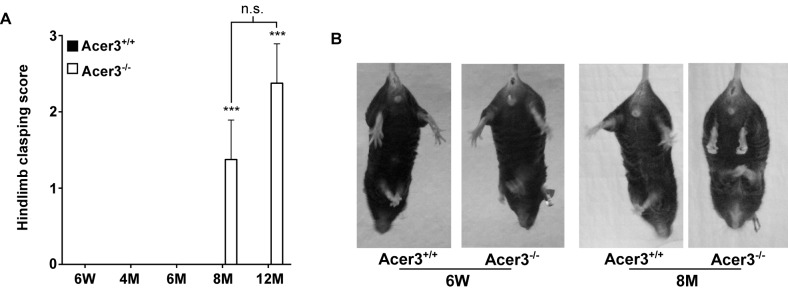
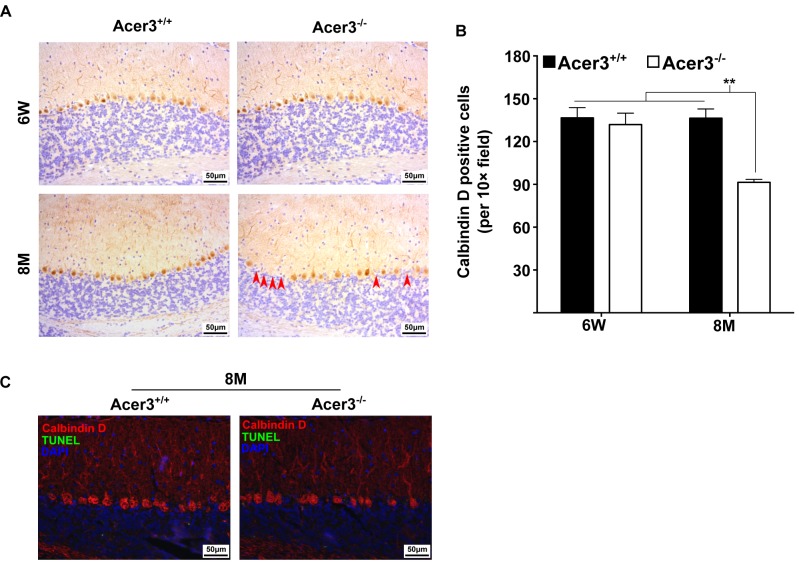
Dyshomeostasis of both ceramides and sphingosine-1-phosphate (S1P) in the brain has been implicated in aging-associated neurodegenerative disorders in humans. However, mechanisms that maintain the homeostasis of these bioactive sphingolipids in the brain remain unclear. Mouse alkaline ceramidase 3 (Acer3), which preferentially catalyzes the hydrolysis of C18:1-ceramide, a major unsaturated long-chain ceramide species in the brain, is upregulated with age in the mouse brain. Acer3 knockout causes an age-dependent accumulation of various ceramides and C18:1-monohexosylceramide and abolishes the age-related increase in the levels of sphingosine and S1P in the brain; thereby resulting in Purkinje cell degeneration in the cerebellum and deficits in motor coordination and balance. Our results indicate that Acer3 plays critically protective roles in controlling the homeostasis of various sphingolipids, including ceramides, sphingosine, S1P, and certain complex sphingolipids in the brain and protects Purkinje cells from premature degeneration.
大脑中神经酰胺和1-磷酸鞘氨醇(S1P)的稳态失衡与人类衰老相关的神经退行性疾病有关。然而,维持大脑中这些生物活性鞘脂稳态的机制仍不清楚。小鼠碱性神经酰胺酶3(Acer3)优先催化大脑中主要的不饱和长链神经酰胺C18:1-神经酰胺的水解,在小鼠大脑中随年龄上调。Acer3基因敲除导致各种神经酰胺和C18:1-单己糖神经酰胺的年龄依赖性积累,并消除大脑中鞘氨醇和S1P水平与年龄相关的增加;从而导致小脑浦肯野细胞变性以及运动协调和平衡缺陷。我们的结果表明,Acer3在控制大脑中各种鞘脂(包括神经酰胺、鞘氨醇、S1P和某些复杂鞘脂)的稳态方面发挥着关键的保护作用,并保护浦肯野细胞免于过早退化。