Int J Neuropsychopharmacol. 2015 May;18(7):pyu114. doi: 10.1093/ijnp/pyu114.
Substantial evidence from human post-mortem and genetic studies has linked the neurotrophic factor neuregulin 1 (NRG1) to the pathophysiology of schizophrenia. Genetic animal models and in vitro experiments have suggested that altered NRG1 signaling, rather than protein changes, contributes to the symptomatology of schizophrenia. However, little is known about the effect of NRG1 on schizophrenia-relevant behavior and neurotransmission (particularly GABAergic and glutamatergic) in adult animals.
To address this question, we treated adult mice with the extracellular signaling domain of NRG1 and assessed spontaneous locomotor activity and acoustic startle response, as well as extracellular GABA, glutamate, and glycine levels in the prefrontal cortex and hippocampus via microdialysis. Furthermore, we asked whether the effect of NRG1 would differ under schizophrenia-relevant impairments in mice and therefore co-treated mice with NRG1 and phencyclidine (PCP) (3 mg/kg).
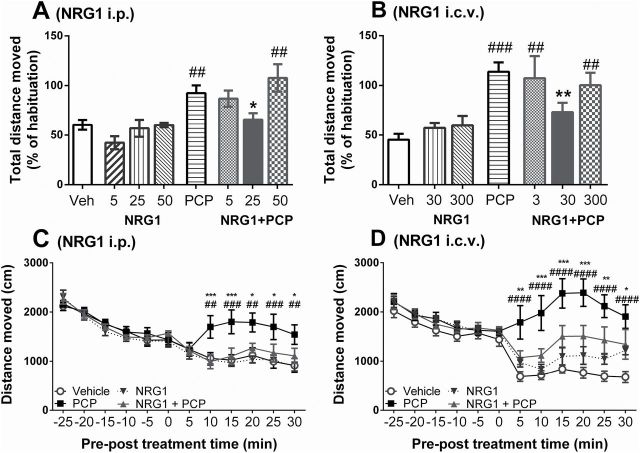
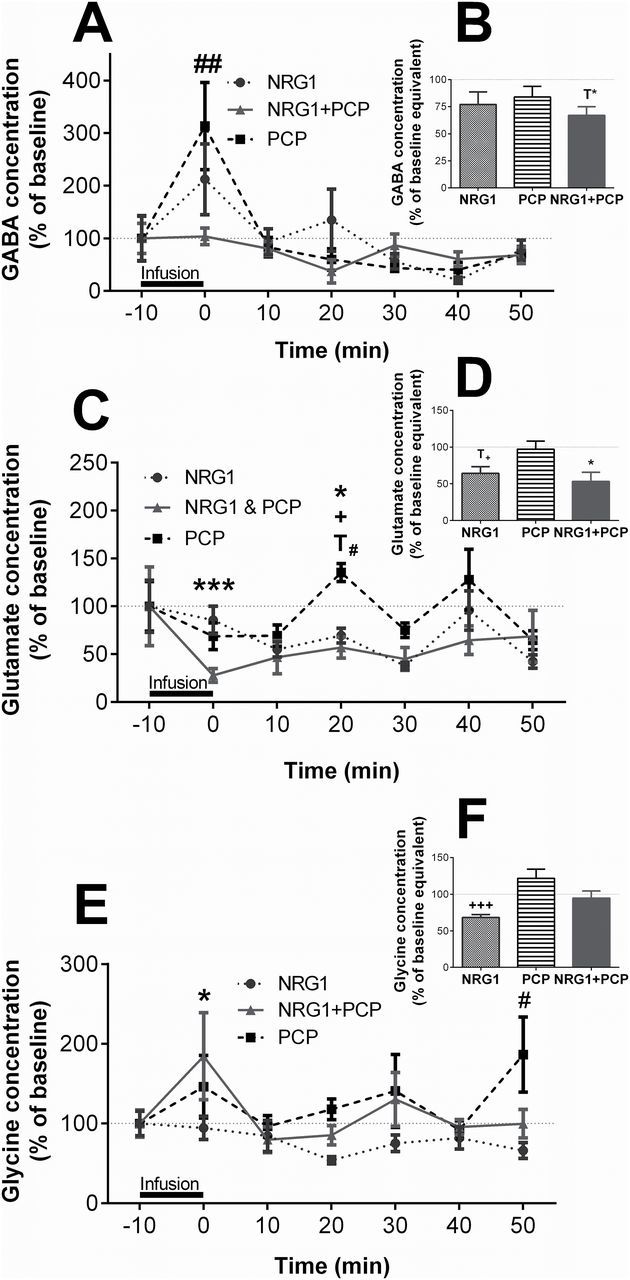
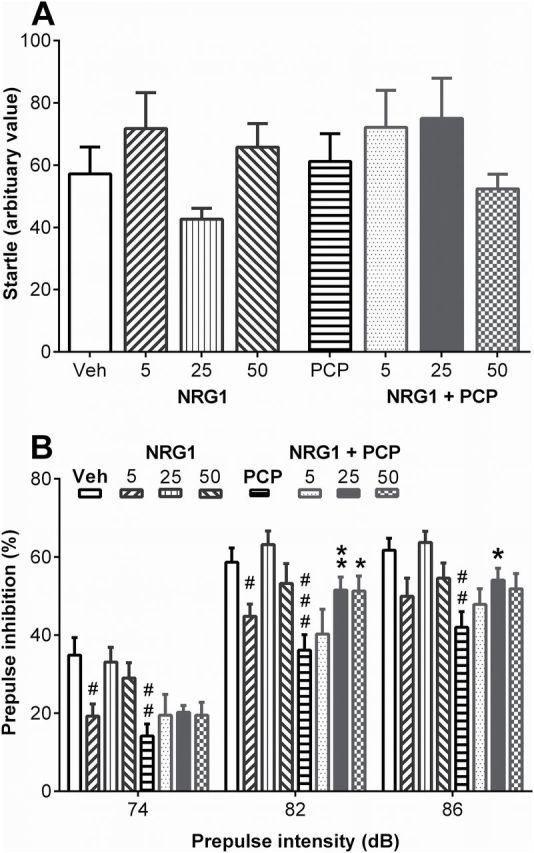
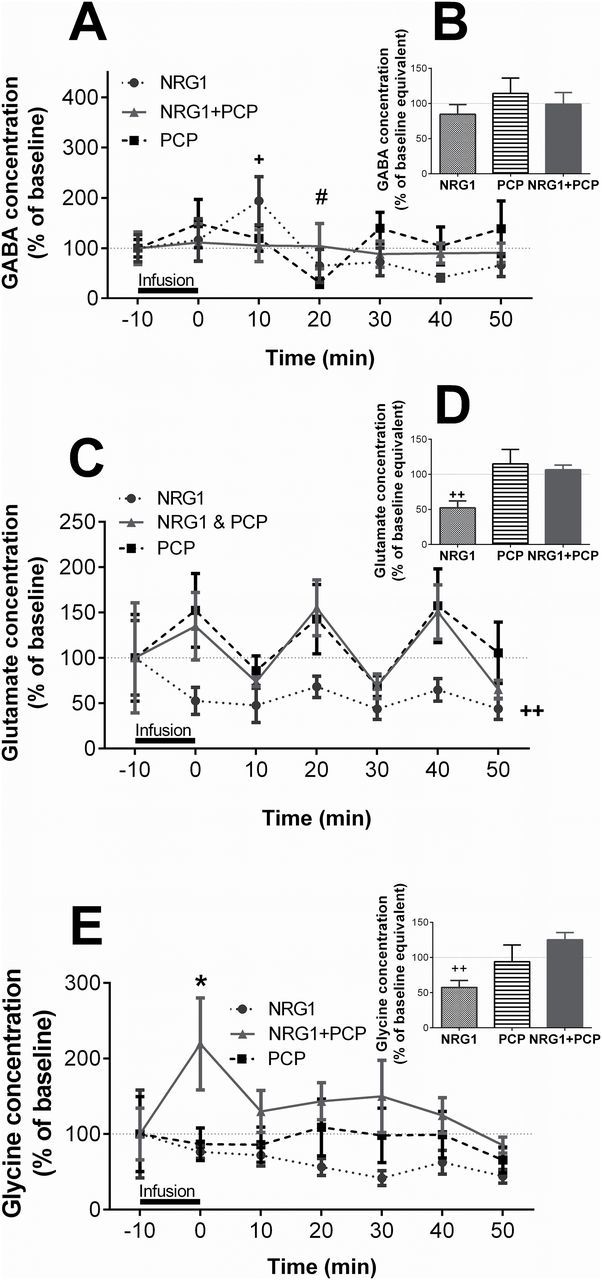
Acute intraventricularly- or systemically-injected NRG1 did not affect spontaneous behavior, but prevented PCP induced hyperlocomotion and deficits of prepulse inhibition. NRG1 retrodialysis (10 nM) reduced extracellular glutamate and glycine levels in the prefrontal cortex and hippocampus, and prevented PCP-induced increase in extracellular GABA levels in the hippocampus.
With these results, we provide the first compelling in vivo evidence for the involvement of NRG1 signaling in schizophrenia-relevant behavior and neurotransmission in the adult nervous system, which highlight its treatment potential. Furthermore, the ability of NRG1 treatment to alter GABA, glutamate, and glycine levels in the presence of PCP also suggests that NRG1 signaling has the potential to alter disrupted neurotransmission in patients with schizophrenia.
大量来自人类尸检和遗传研究的证据将神经营养因子神经调节蛋白 1(NRG1)与精神分裂症的病理生理学联系起来。遗传动物模型和体外实验表明,改变的 NRG1 信号而不是蛋白质变化导致精神分裂症的症状。然而,对于 NRG1 对成年动物的精神分裂症相关行为和神经传递(特别是 GABA 能和谷氨酸能)的影响知之甚少。
为了解决这个问题,我们用 NRG1 的细胞外信号域处理成年小鼠,通过微透析评估自发运动活动和听觉惊跳反应,以及前额叶皮层和海马中的细胞外 GABA、谷氨酸和甘氨酸水平。此外,我们还询问 NRG1 的作用是否会因小鼠中与精神分裂症相关的损伤而有所不同,因此我们用 NRG1 和苯环利定(PCP)(3mg/kg)共同处理小鼠。
急性脑室或系统内注射 NRG1 不会影响自发行为,但可预防 PCP 引起的过度运动和前脉冲抑制缺陷。NRG1 逆行透析(10nM)降低前额叶皮层和海马中的细胞外谷氨酸和甘氨酸水平,并预防 PCP 诱导的海马中细胞外 GABA 水平升高。
这些结果为 NRG1 信号参与成年神经系统中与精神分裂症相关的行为和神经传递提供了第一个令人信服的体内证据,突出了其治疗潜力。此外,NRG1 治疗在 PCP 存在下改变 GABA、谷氨酸和甘氨酸水平的能力也表明 NRG1 信号有可能改变精神分裂症患者的神经传递障碍。