Sharpe Martyn A, Livingston Andrew D, Gist Taylor L, Ghosh Pardip, Han Junyan, Baskin David S
Department of Neurosurgery, Kenneth R. Peak Brain and Pituitary Tumor Center, Houston Methodist Hospital, 6565 Fannin, Suite 944, Houston, TX 77030, United States.
Center for Molecular Imaging, Institute of Molecular Medicine, UT Health Science Center-Houston, Houston, TX 77030, United States.
EBioMedicine. 2015 Aug 8;2(9):1122-32. doi: 10.1016/j.ebiom.2015.08.013. eCollection 2015 Sep.
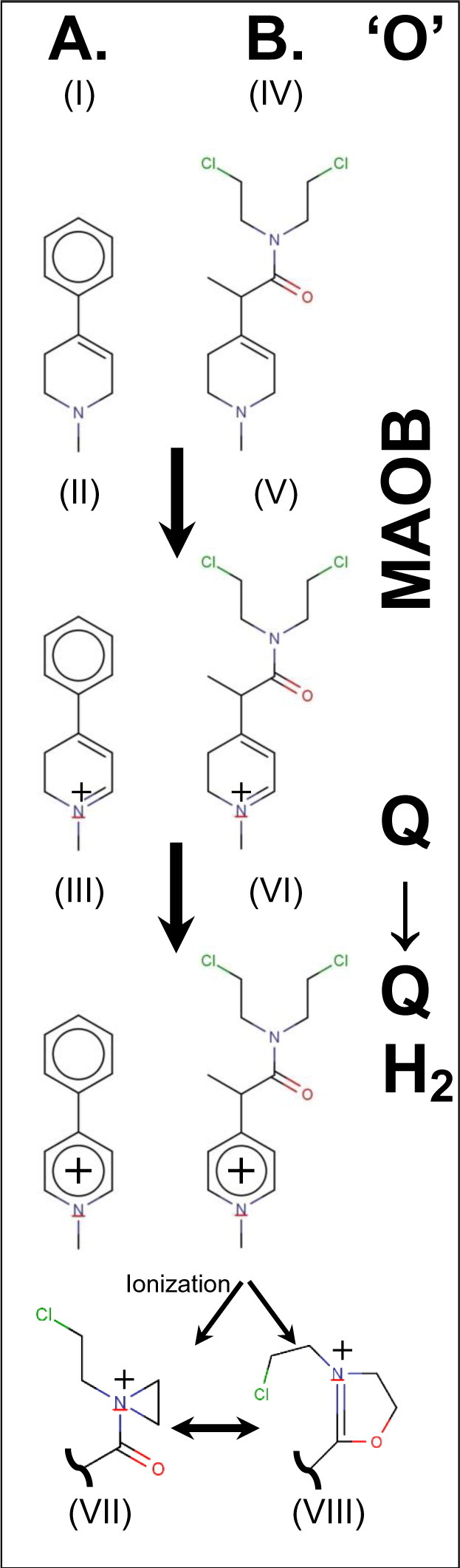
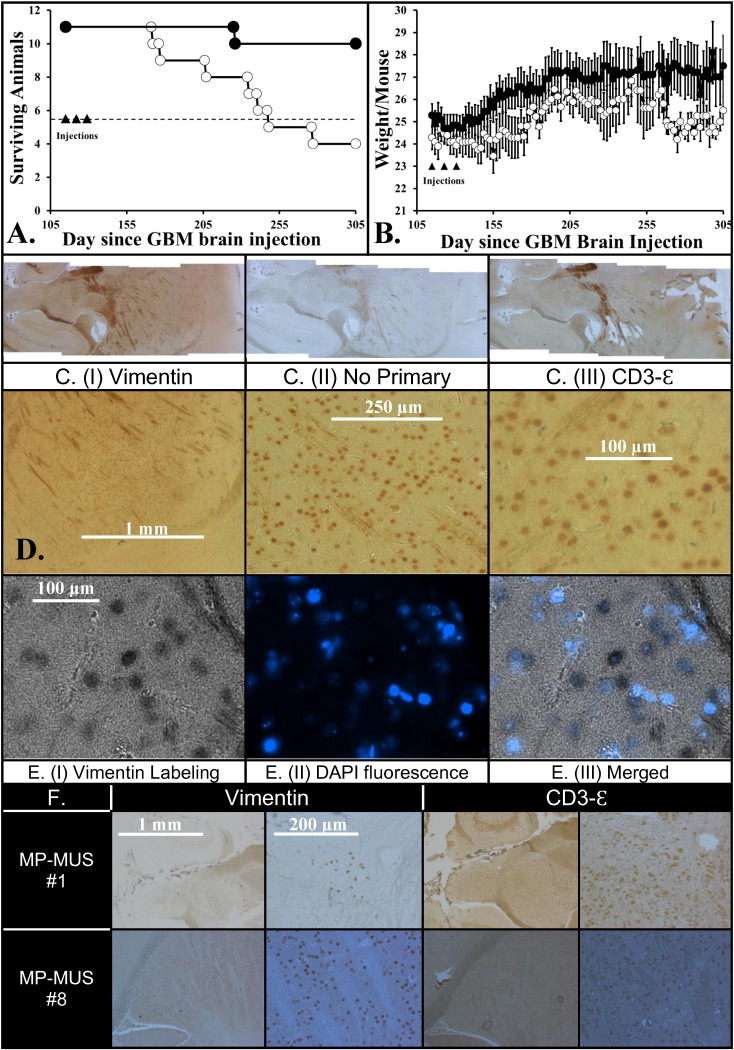
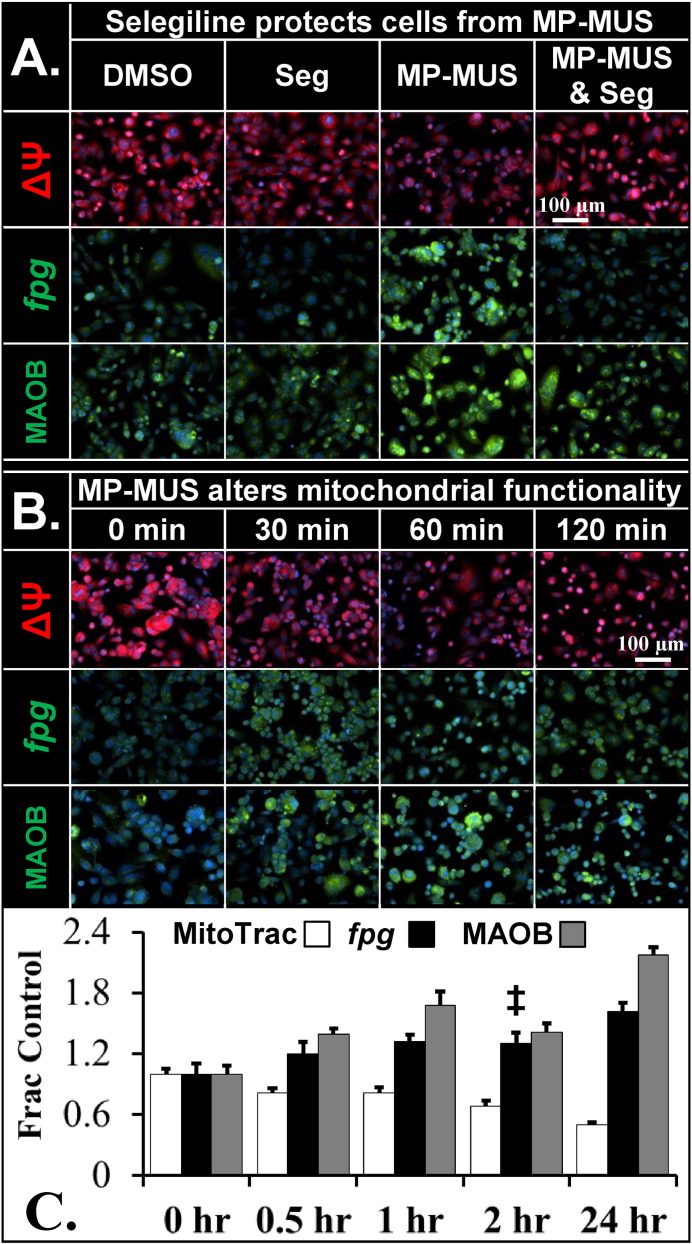
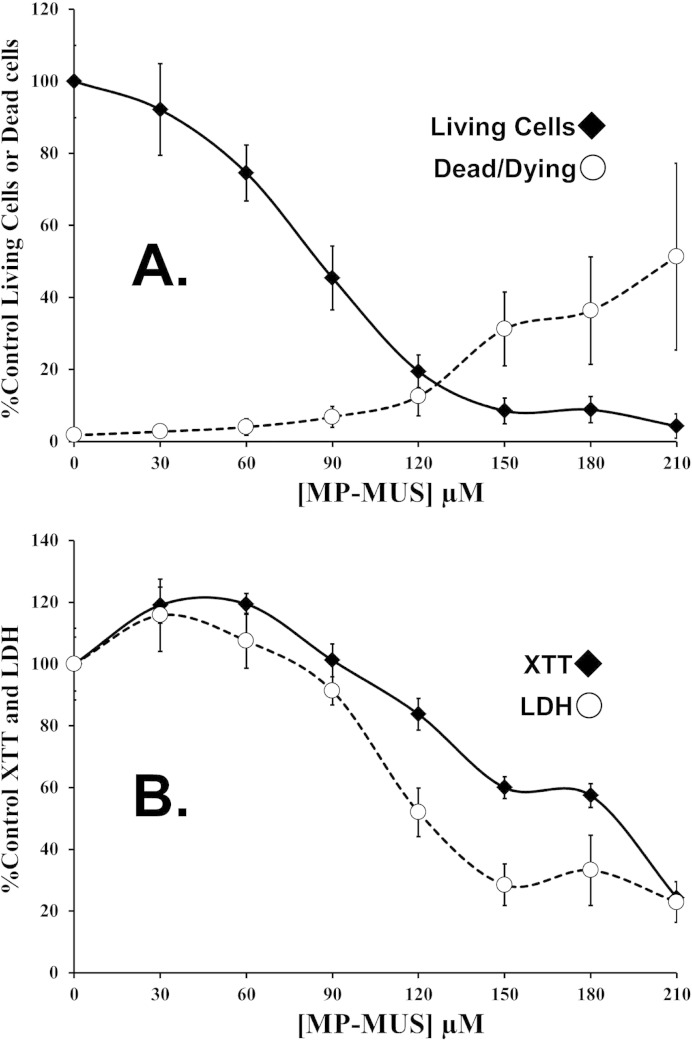
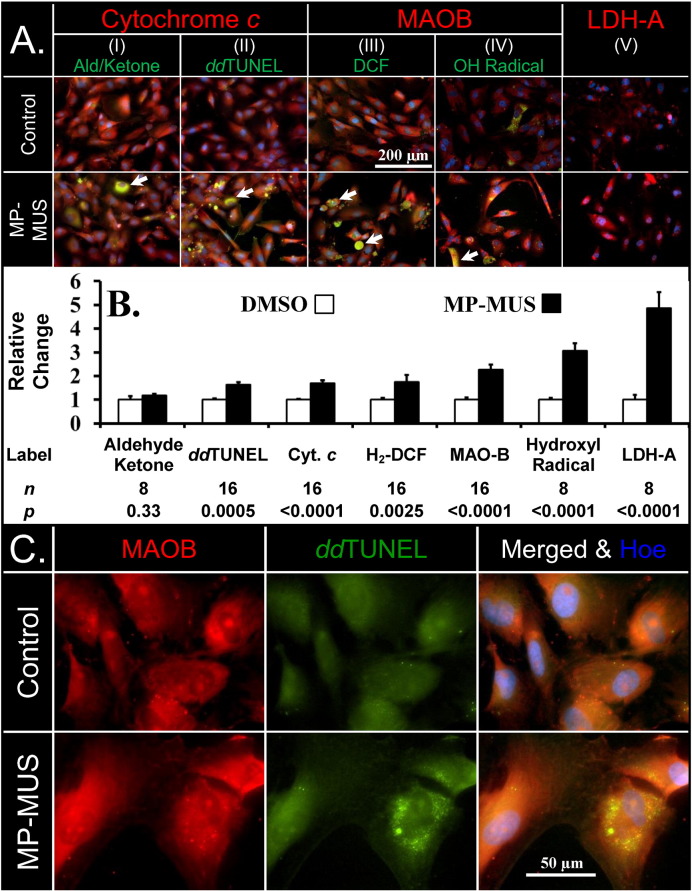
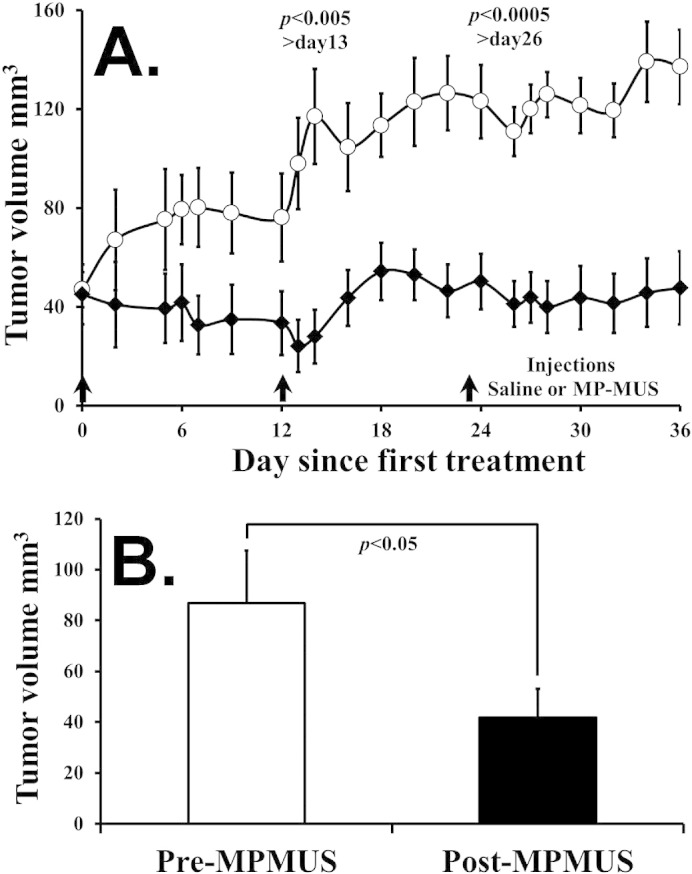
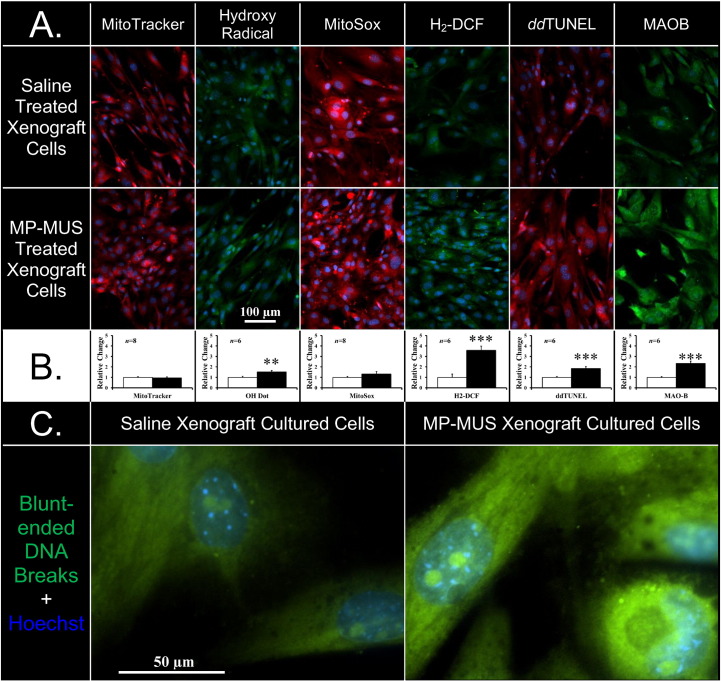
The last major advance in the treatment of glioblastoma multiforme (GBM) was the introduction of temozolomide in 1999. Treatment with temozolomide following surgical debulking extends survival rate compared to radiotherapy and debulking alone. However, virtually all glioblastoma patients experience disease progression within 7 to 10 months. Although many salvage treatments, including bevacizumab, rechallenge with temozolomide, and other alkylating agents, have been evaluated, none of these clearly improves survival. Monoamine oxidase B (MAOB) is highly expressed in glioblastoma cell mitochondria, and mitochondrial function is intimately tied to treatment-resistant glioblastoma progression. These glioblastoma properties provide a strong rationale for pursuing a MAOB-selective pro-drug treatment approach that, upon drug activation, targets glioblastoma mitochondria, especially mitochondrial DNA. MP-MUS is the lead compound in a family of pro-drugs designed to treat GBM that is converted into the mature, mitochondria-targeting drug, P(+)-MUS, by MAOB. We show that MP-MUS can successfully kill primary gliomas in vitro and in vivo mouse xenograft models.
胶质母细胞瘤(GBM)治疗的上一次重大进展是1999年替莫唑胺的引入。与单纯放疗和肿瘤切除相比,手术切除肿瘤后使用替莫唑胺治疗可延长生存率。然而,几乎所有胶质母细胞瘤患者在7至10个月内都会出现疾病进展。尽管已经评估了许多挽救治疗方法,包括贝伐单抗、再次使用替莫唑胺以及其他烷化剂,但这些方法均未明显提高生存率。单胺氧化酶B(MAOB)在胶质母细胞瘤细胞线粒体中高度表达,线粒体功能与耐药性胶质母细胞瘤的进展密切相关。这些胶质母细胞瘤的特性为采用MAOB选择性前药治疗方法提供了有力的理论依据,该方法在药物激活后靶向胶质母细胞瘤线粒体,尤其是线粒体DNA。MP-MUS是一类旨在治疗GBM的前药家族中的先导化合物,它可被MAOB转化为成熟的、靶向线粒体的药物P(+)-MUS。我们表明,MP-MUS能够在体外和体内小鼠异种移植模型中成功杀死原发性胶质瘤。