Wajid Shah Muhammad, Zhu Yunqing, Fan Xiaoyun, Zhao Jie, Li Yingxuan, Asim Sumreen, Wang Chuanyi
Laboratory of Environmental Sciences and Technology, Xinjiang Technical Institute of Physics &Chemistry; Key Laboratory of Functional Materials and Devices for Special Environments, Chinese Academy of Sciences, Urumqi 830011, China.
University of Chinese Academy of Sciences, Beijing, 100049, China.
Sci Rep. 2015 Oct 30;5:15804. doi: 10.1038/srep15804.
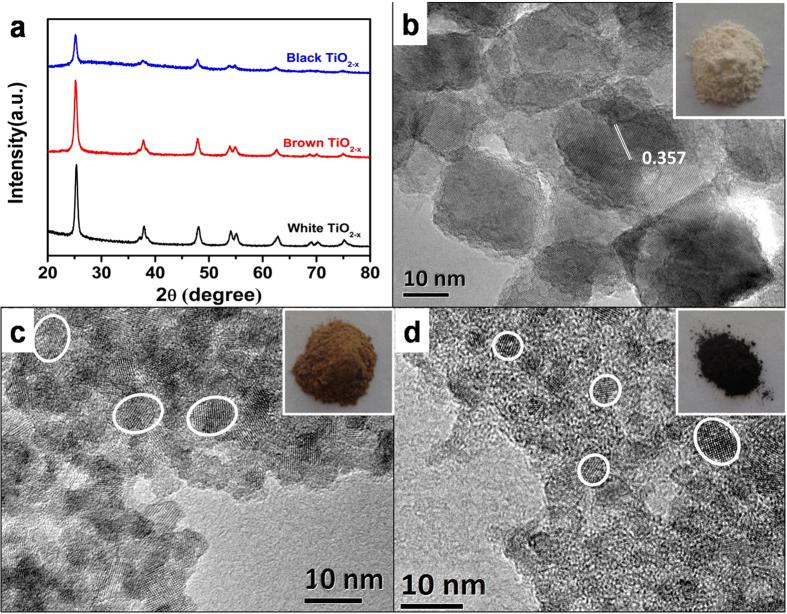
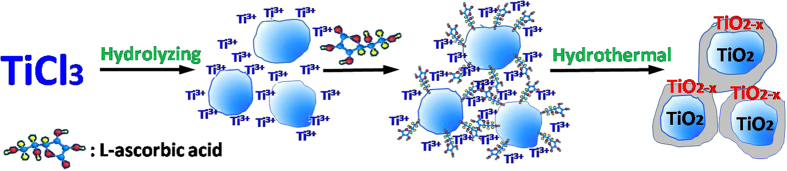
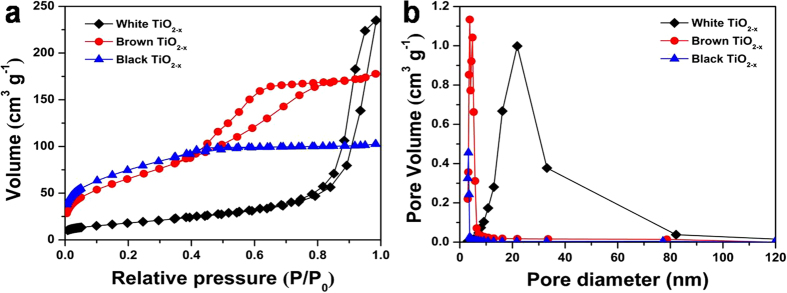
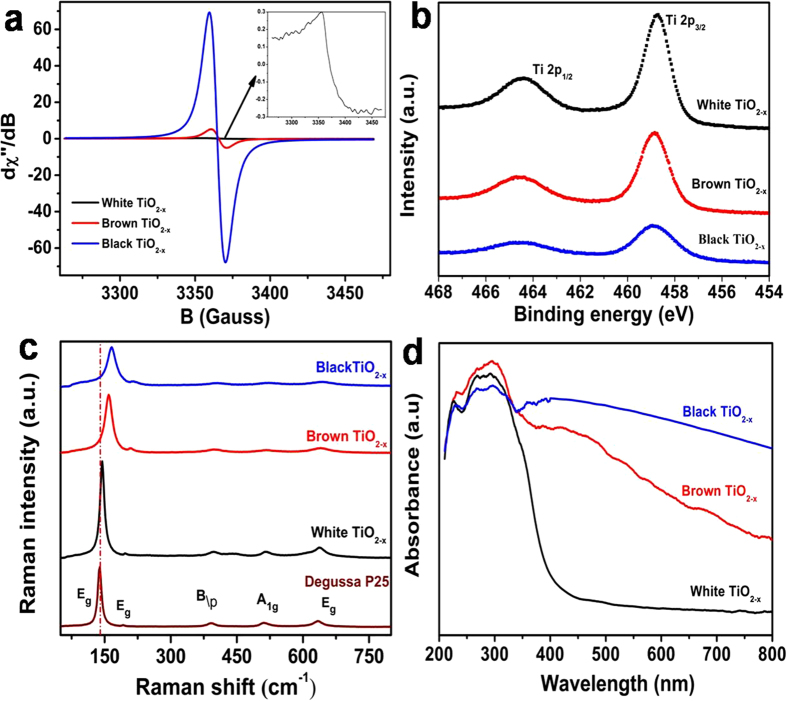
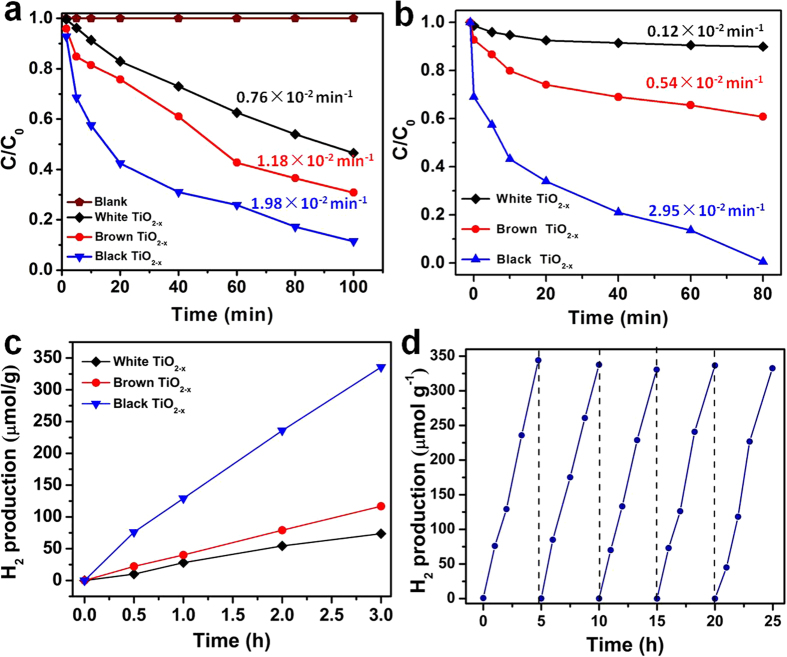
A facile hydrothermal approach has been developed to prepare defective TiO2-x nanocrystals using Ti(III)-salt as a precursor and L-ascorbic acid as reductant and structure direction agent. The prepared TiO2-x nanocrystals are composed of a highly crystallized TiO2 core and a disordered TiO2-x outer layer, possessing high surface area, controlled oxygen vacancy concentration and tunable bandgap via simply adjusting the amount of added L-ascorbic acid. The defective TiO2-x shows high photocatalytic efficiency in methylene blue and phenol degradation as well as in hydrogen evolution under visible light, underlining the significance of the present strategy for structural and bandgap manipulation in TiO2-based photocatalysis.
已开发出一种简便的水热法,以Ti(III)盐为前驱体、L-抗坏血酸为还原剂和结构导向剂来制备缺陷型TiO₂₋ₓ纳米晶体。所制备的TiO₂₋ₓ纳米晶体由高度结晶的TiO₂核和无序的TiO₂₋ₓ外层组成,通过简单调节L-抗坏血酸的添加量,具有高比表面积、可控的氧空位浓度和可调的带隙。缺陷型TiO₂₋ₓ在亚甲基蓝和苯酚降解以及可见光下析氢方面表现出高光催化效率,突出了本策略在TiO₂基光催化中进行结构和带隙调控的重要性。