Wang Hongxin, Yoda Yoshitaka, Ogata Hideaki, Tanaka Yoshihito, Lubitz Wolfgang
Department of Chemistry, University of California, 1 Cyclotron Road, Davis, CA 95616, USA.
Research and Utilization Division, SPring-8/JASRI, 1-1-1 Kouto, Sayo-cho, Sayo-gun, Hyogo 679-5198, Japan.
J Synchrotron Radiat. 2015 Nov;22(6):1334-44. doi: 10.1107/S1600577515017816. Epub 2015 Oct 23.
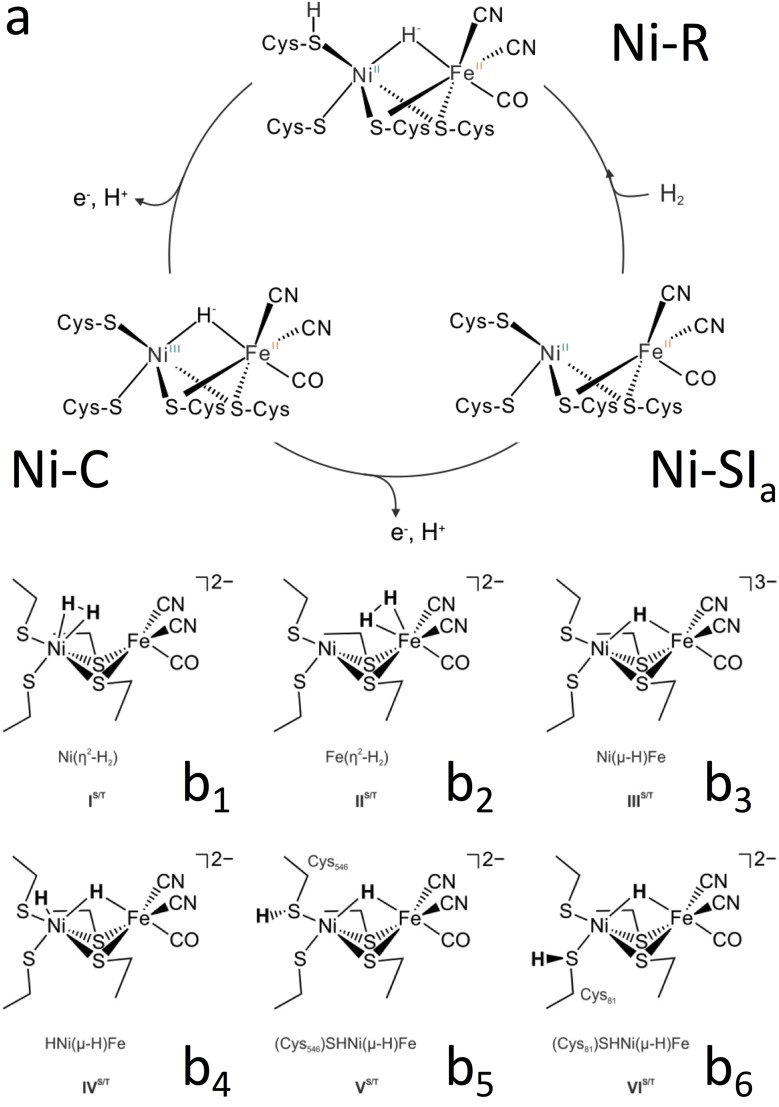
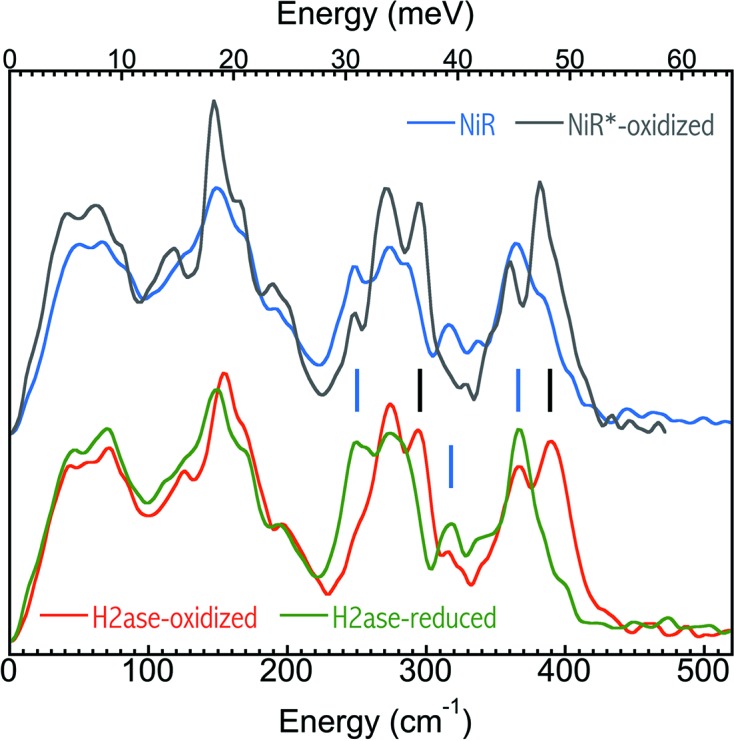
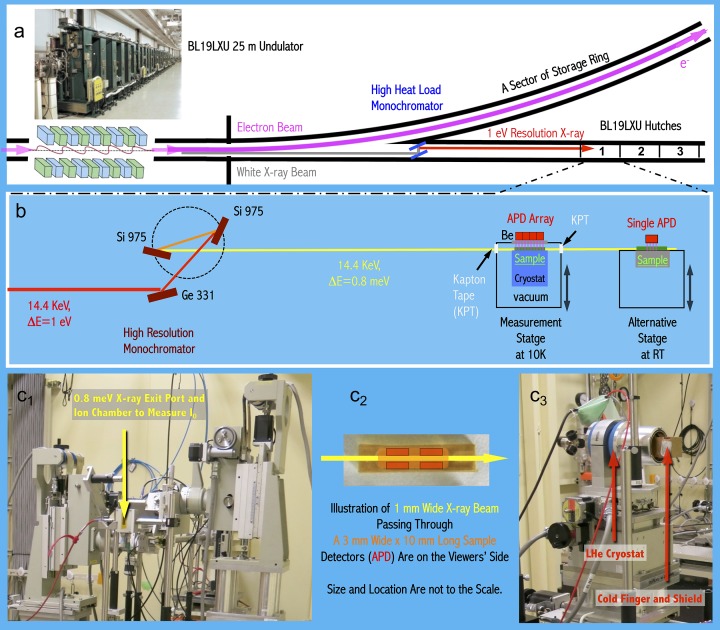
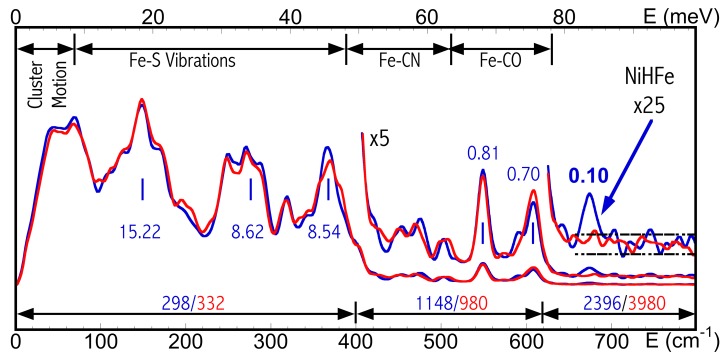
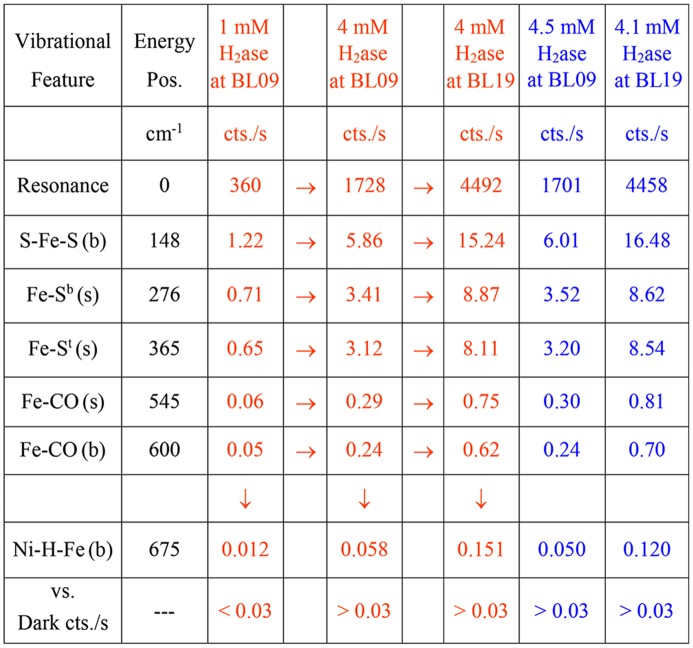
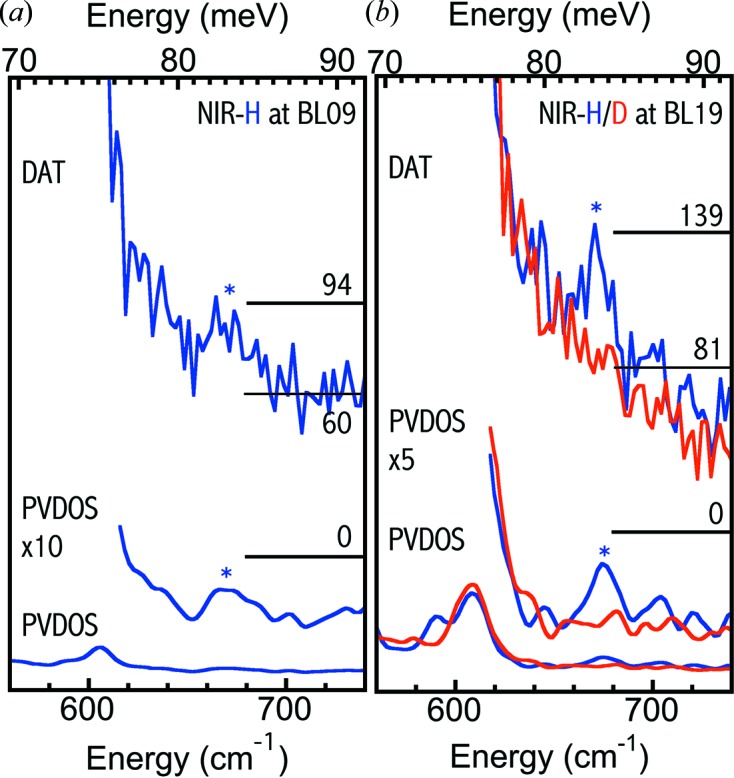
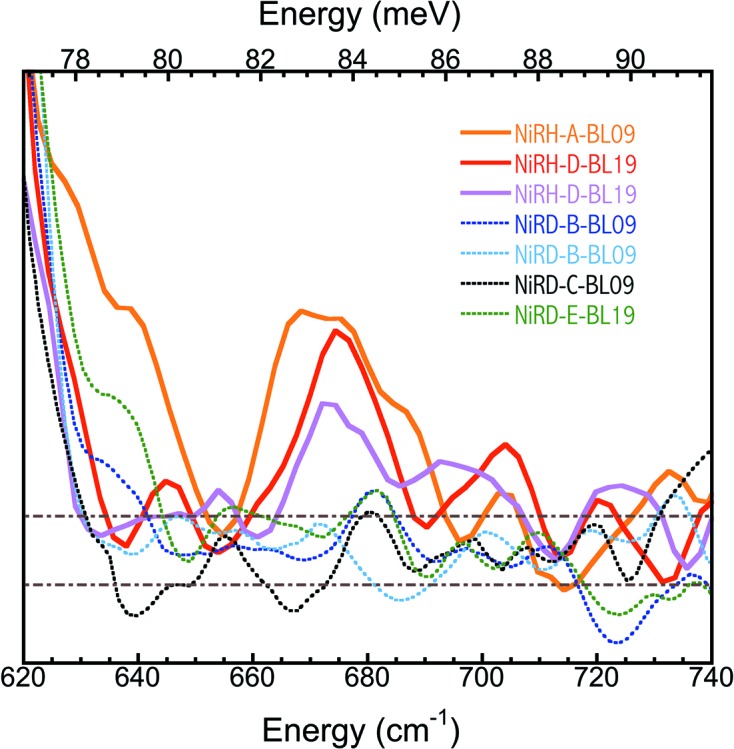
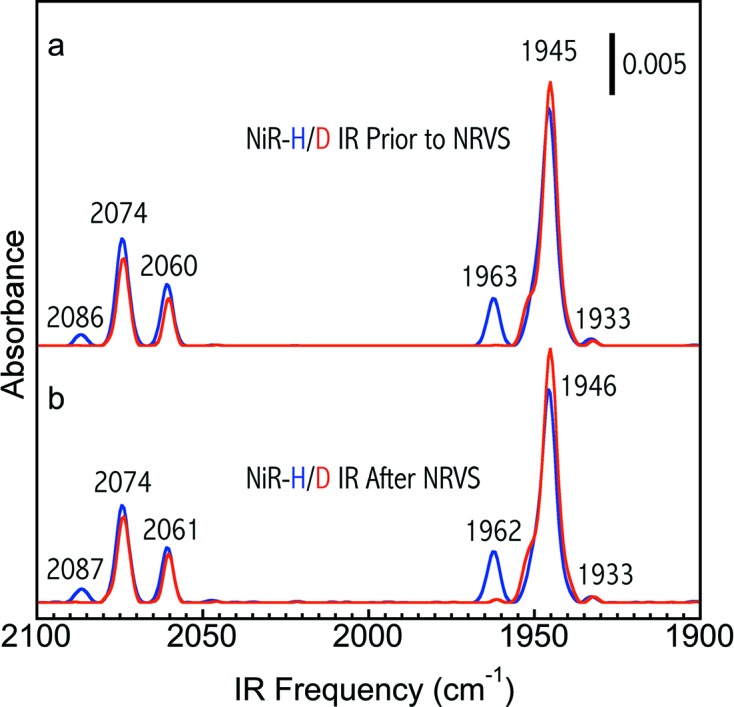
Direct spectroscopic evidence for a hydride bridge in the Ni-R form of [NiFe] hydrogenase has been obtained using iron-specific nuclear resonance vibrational spectroscopy (NRVS). The Ni-H-Fe wag mode at 675 cm(-1) is the first spectroscopic evidence for a bridging hydride in Ni-R as well as the first iron-hydride-related NRVS feature observed for a biological system. Although density function theory (DFT) calculation assisted the determination of the Ni-R structure, it did not predict the Ni-H-Fe wag mode at ∼ 675 cm(-1) before NRVS. Instead, the observed Ni-H-Fe mode provided a critical reference for the DFT calculations. While the overall science about Ni-R is presented and discussed elsewhere, this article focuses on the long and strenuous experimental journey to search for and experimentally identify the Ni-H-Fe wag mode in a Ni-R sample. As a methodology, the results presented here will go beyond Ni-R and hydrogenase research and will also be of interest to other scientists who use synchrotron radiation for measuring dilute samples or weak spectroscopic features.
利用铁特异性核共振振动光谱(NRVS),已获得了[NiFe]氢化酶的Ni-R形式中存在氢化物桥的直接光谱证据。675 cm⁻¹处的Ni-H-Fe摇摆模式是Ni-R中存在桥连氢化物的首个光谱证据,也是在生物系统中观察到的首个与铁氢化物相关的NRVS特征。尽管密度泛函理论(DFT)计算有助于确定Ni-R的结构,但在NRVS之前,它并未预测到约675 cm⁻¹处的Ni-H-Fe摇摆模式。相反,观察到的Ni-H-Fe模式为DFT计算提供了关键参考。虽然关于Ni-R的整体科学内容在其他地方已有介绍和讨论,但本文重点关注在Ni-R样品中寻找并通过实验鉴定Ni-H-Fe摇摆模式的漫长而艰苦的实验过程。作为一种方法,此处展示的结果将超越Ni-R和氢化酶研究,对于其他使用同步辐射来测量稀样品或微弱光谱特征的科学家也将具有吸引力。