Denman Stuart E, Martinez Fernandez Gonzalo, Shinkai Takumi, Mitsumori Makoto, McSweeney Christopher S
CSIRO, Agriculture Flagship, Queensland Bioscience Precinct St. Lucia, QLD, Australia.
National Institute of Livestock and Grassland Science Tsukuba, Japan.
Front Microbiol. 2015 Oct 13;6:1087. doi: 10.3389/fmicb.2015.01087. eCollection 2015.
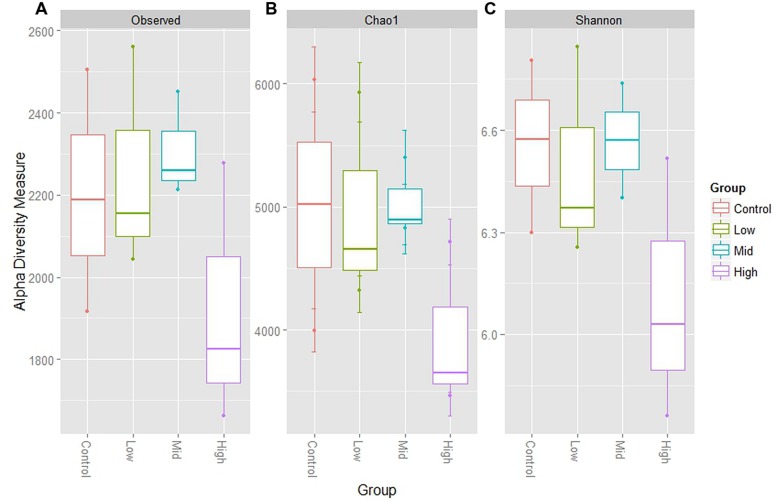
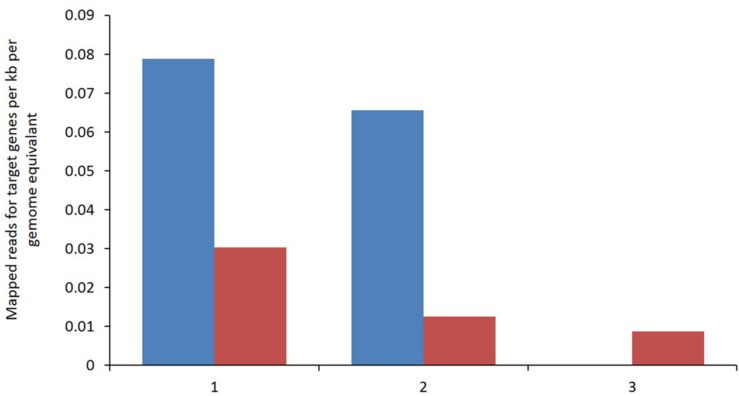
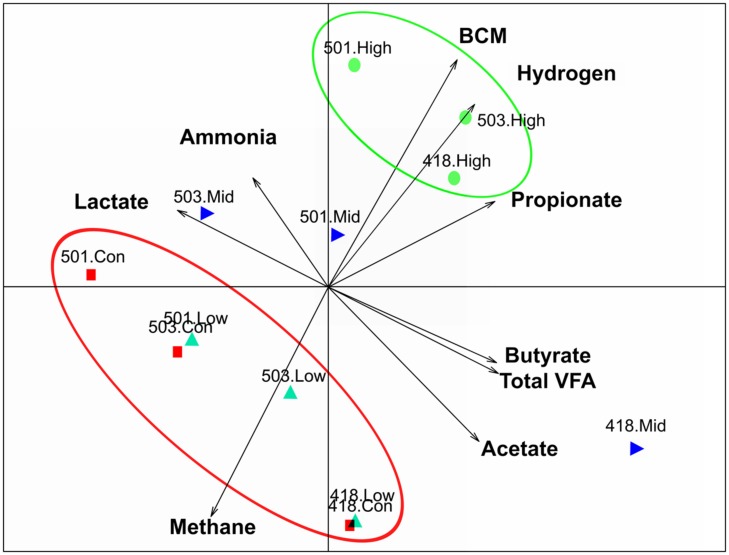
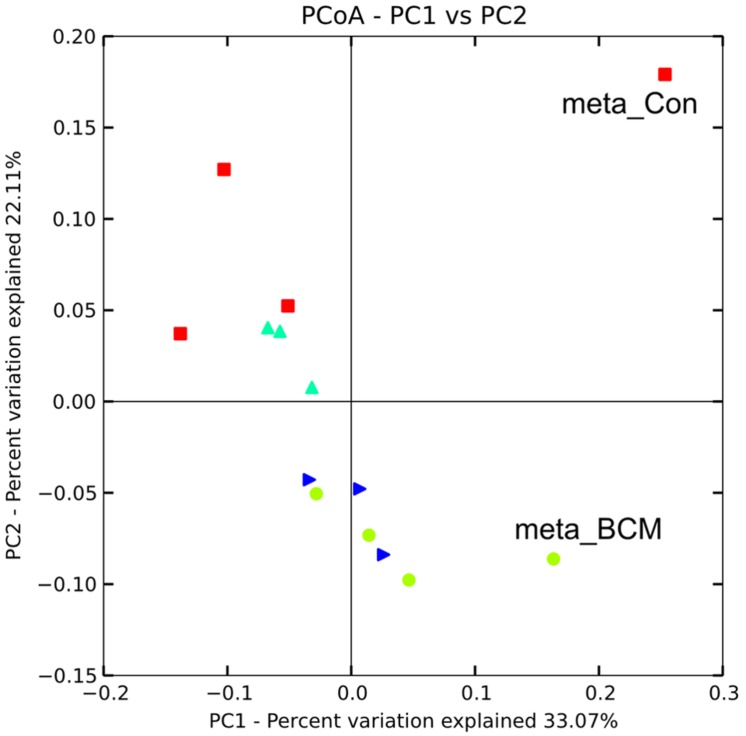
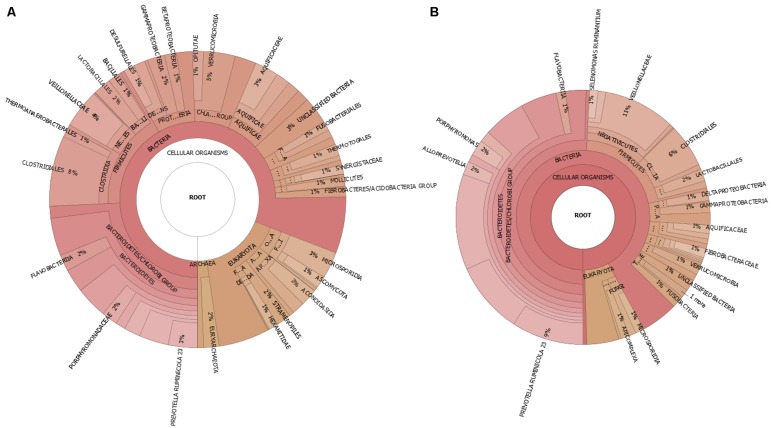
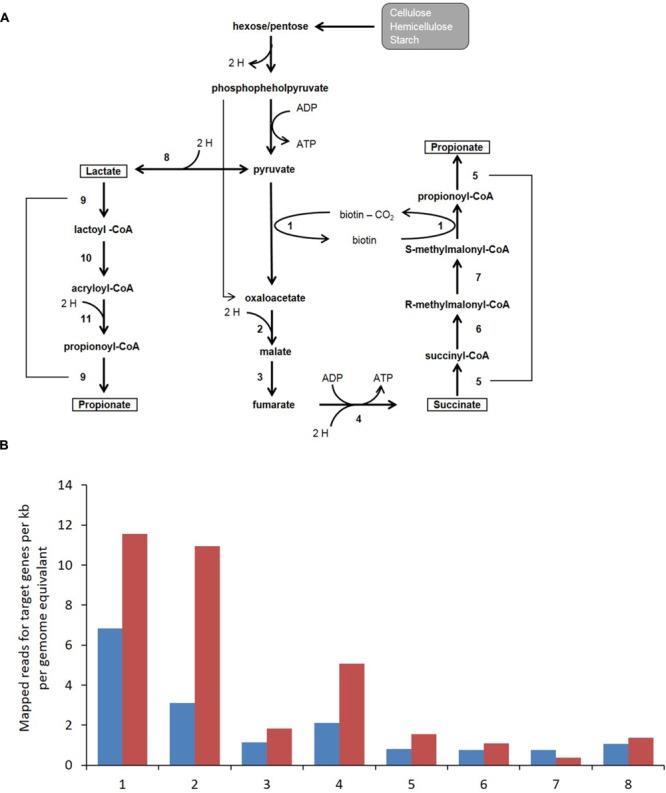
Japanese goats fed a diet of 50% Timothy grass and 50% concentrate with increasing levels of the anti-methanogenic compound, bromochloromethane (BCM) were investigated with respect to the microbial population and functional shifts in the rumen. Microbial ecology methods identified species that exhibited positive and negative responses to the increasing levels of BCM. The methane-inhibited rumen appeared to adapt to the higher H2 levels by shifting fermentation to propionate which was mediated by an increase in the population of H2-consuming Prevotella and Selenomonas spp. Metagenomic analysis of propionate production pathways was dominated by genomic content from these species. Reductive acetogenic marker gene libraries and metagenomics analysis indicate that reductive acetogenic species do not play a major role in the BCM treated rumen.
研究了以50%提摩西草和50%精饲料为食、添加不同水平的抗甲烷生成化合物溴氯甲烷(BCM)的日本山羊瘤胃中的微生物种群和功能变化。微生物生态学方法鉴定出了对BCM水平升高表现出正负反应的物种。甲烷抑制的瘤胃似乎通过将发酵转向丙酸盐来适应较高的氢气水平,这是由消耗氢气的普雷沃氏菌属和栖瘤胃普雷沃氏菌属数量增加介导的。丙酸盐生成途径的宏基因组分析主要由这些物种的基因组内容主导。还原性产乙酸标记基因文库和宏基因组分析表明,还原性产乙酸物种在BCM处理的瘤胃中不发挥主要作用。