Bispo Kalil A, Rosa Nelson S, Cunha Paulo R F
Department of Computer Science (DCOMP), Federal University of Sergipe (UFS), Aracaju, SE 49100-000, Brazil.
Centre of Informatics (CIn), Federal University of Pernambuco (UFPE), Recife, PE 50740-560, Brazil.
Sensors (Basel). 2015 Oct 29;15(11):27436-69. doi: 10.3390/s151127436.
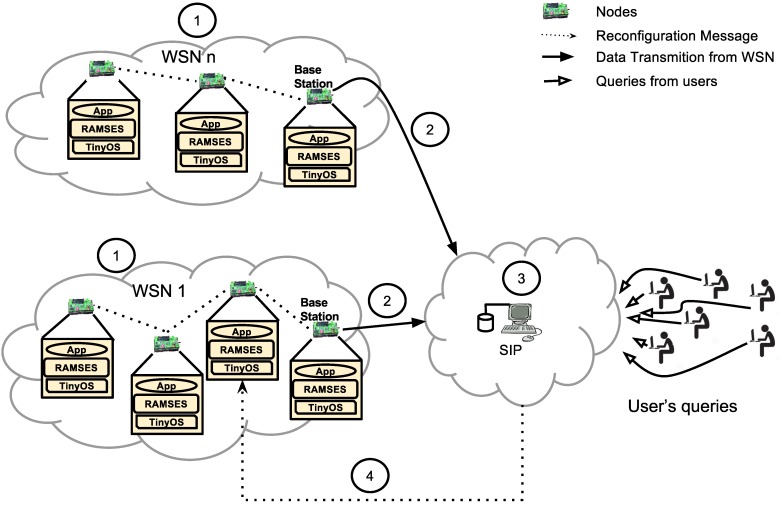
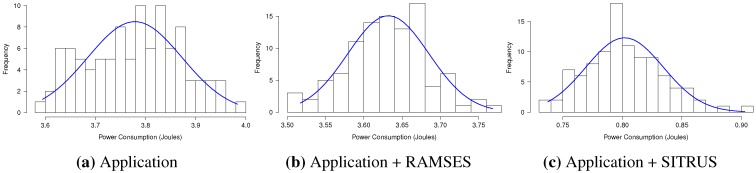
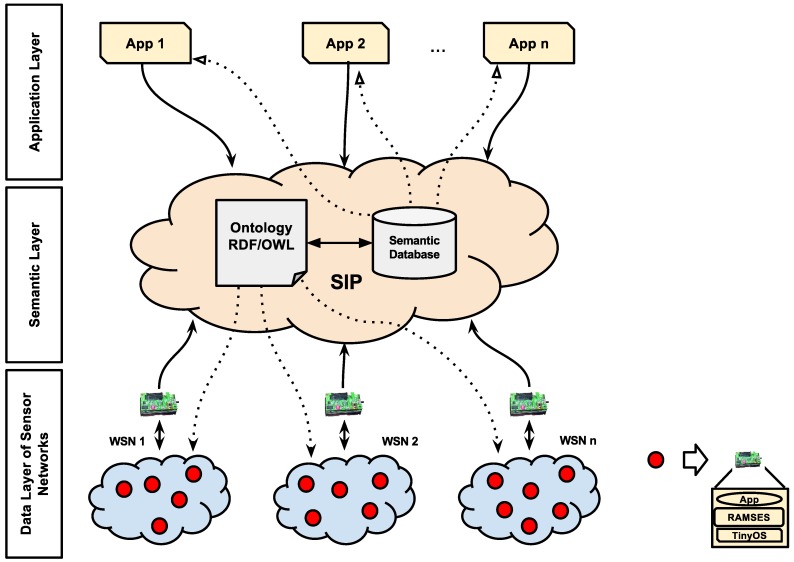
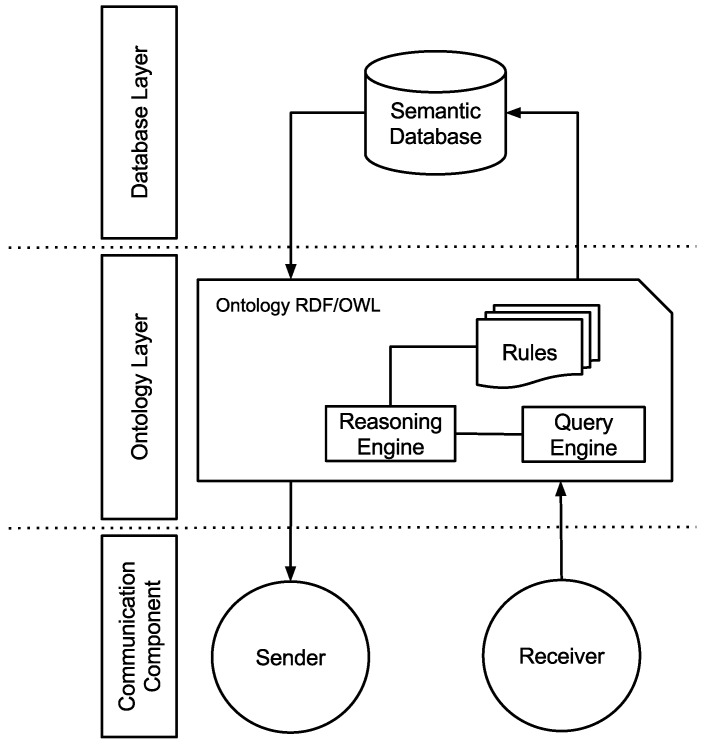
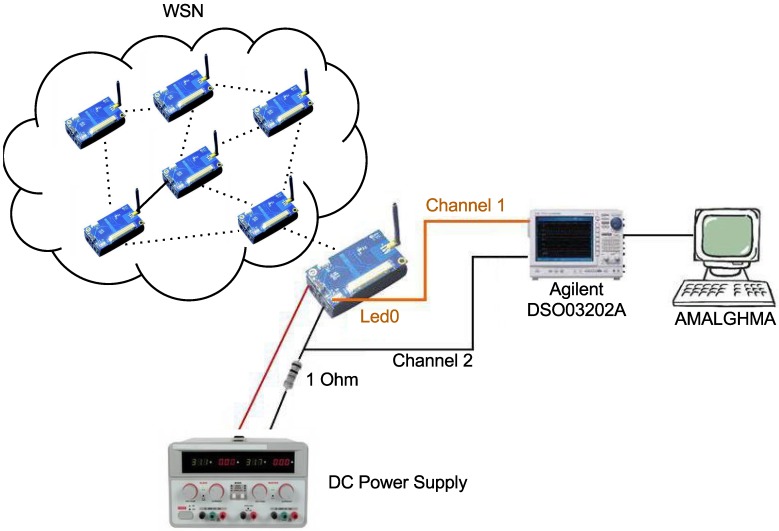
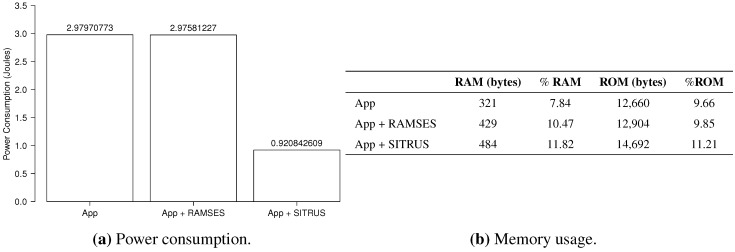
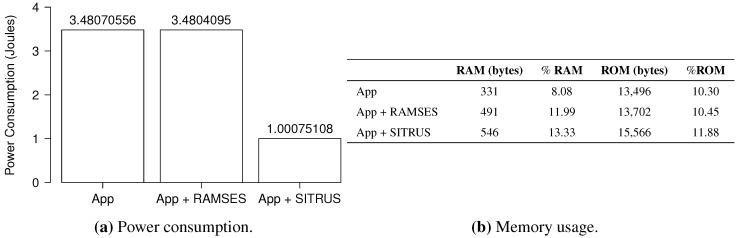
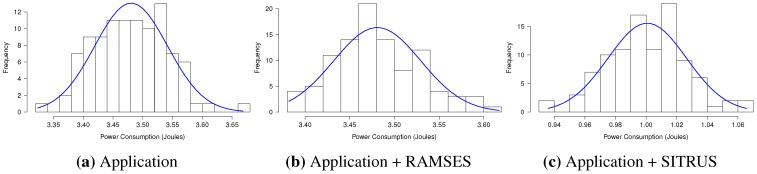
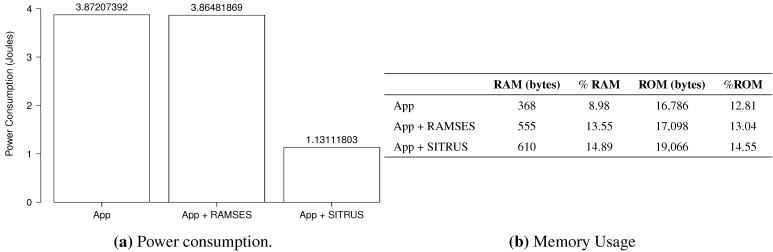
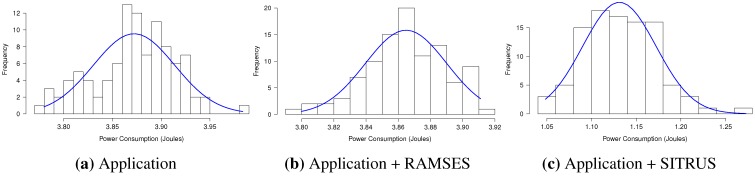
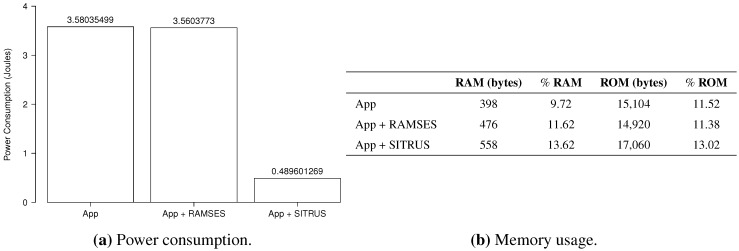
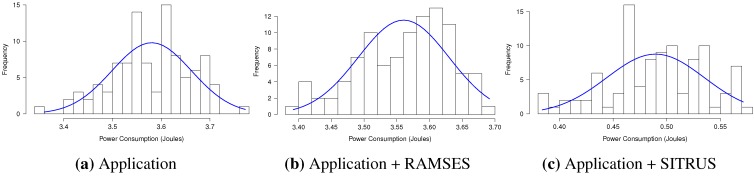
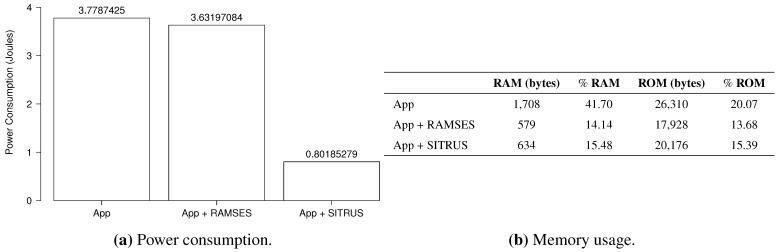
Wireless sensor networks (WSNs) are made up of nodes with limited resources, such as processing, bandwidth, memory and, most importantly, energy. For this reason, it is essential that WSNs always work to reduce the power consumption as much as possible in order to maximize its lifetime. In this context, this paper presents SITRUS (semantic infrastructure for wireless sensor networks), which aims to reduce the power consumption of WSN nodes using ontologies. SITRUS consists of two major parts: a message-oriented middleware responsible for both an oriented message communication service and a reconfiguration service; and a semantic information processing module whose purpose is to generate a semantic database that provides the basis to decide whether a WSN node needs to be reconfigurated or not. In order to evaluate the proposed solution, we carried out an experimental evaluation to assess the power consumption and memory usage of WSN applications built atop SITRUS.
无线传感器网络(WSN)由资源有限的节点组成,这些资源包括处理能力、带宽、内存,而最重要的是能量。因此,无线传感器网络必须始终尽可能地降低功耗,以延长其使用寿命。在此背景下,本文提出了SITRUS(无线传感器网络语义基础设施),旨在使用本体来降低无线传感器网络节点的功耗。SITRUS由两个主要部分组成:一个面向消息的中间件,负责面向消息的通信服务和重新配置服务;以及一个语义信息处理模块,其目的是生成一个语义数据库,为决定无线传感器网络节点是否需要重新配置提供依据。为了评估所提出的解决方案,我们进行了一项实验评估,以评估构建在SITRUS之上的无线传感器网络应用的功耗和内存使用情况。