Caron Joan McIntyre, Caron Jane McIntyre
JMCaron, LLC, Thomaston, CT, 06787, United States of America.
PLoS One. 2015 Nov 4;10(11):e0141565. doi: 10.1371/journal.pone.0141565. eCollection 2015.
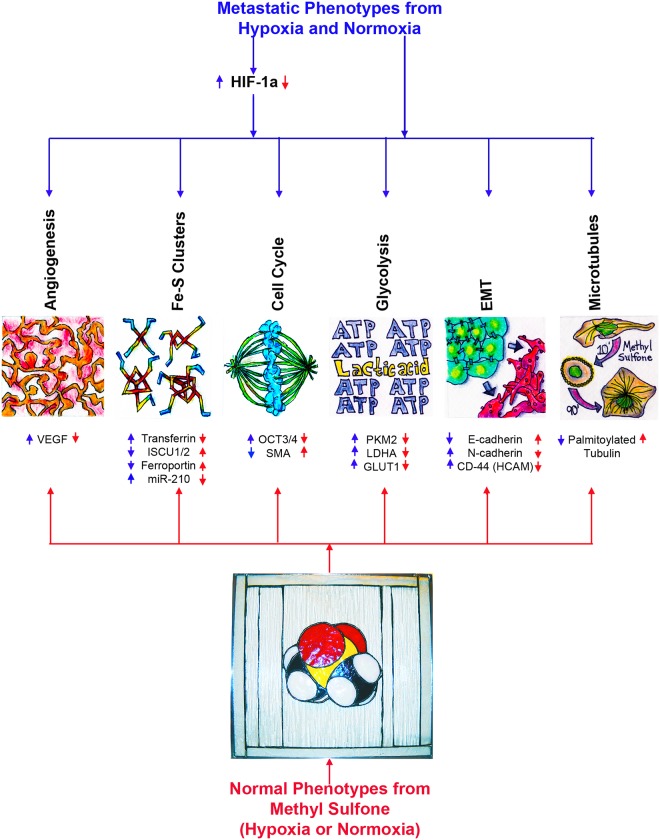
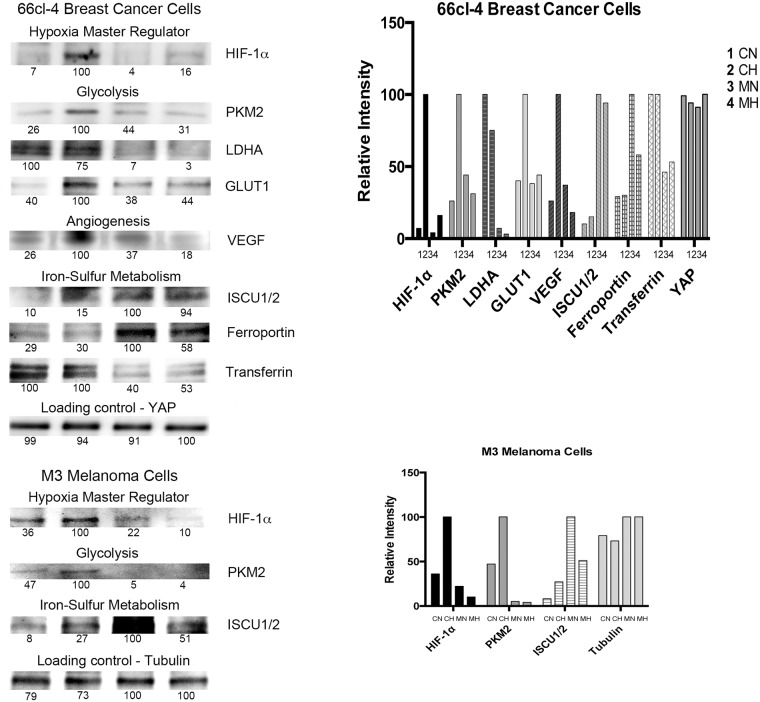
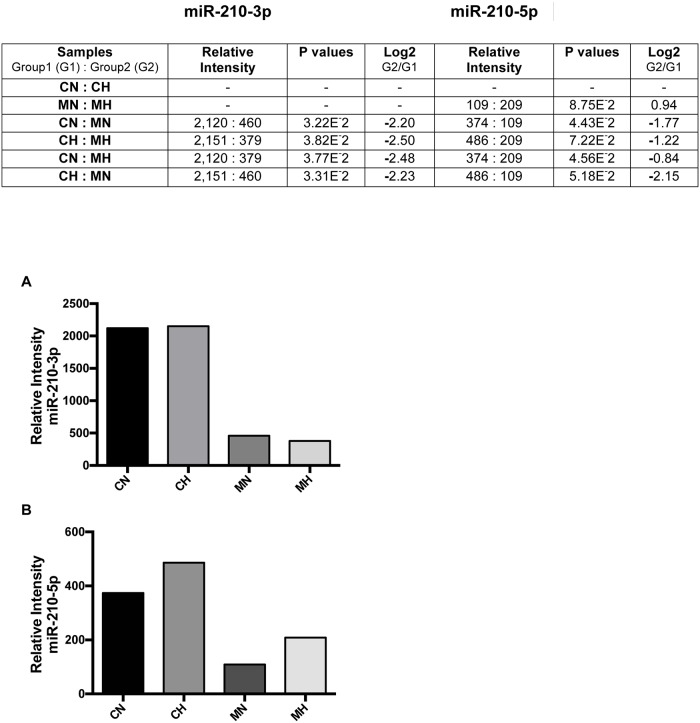
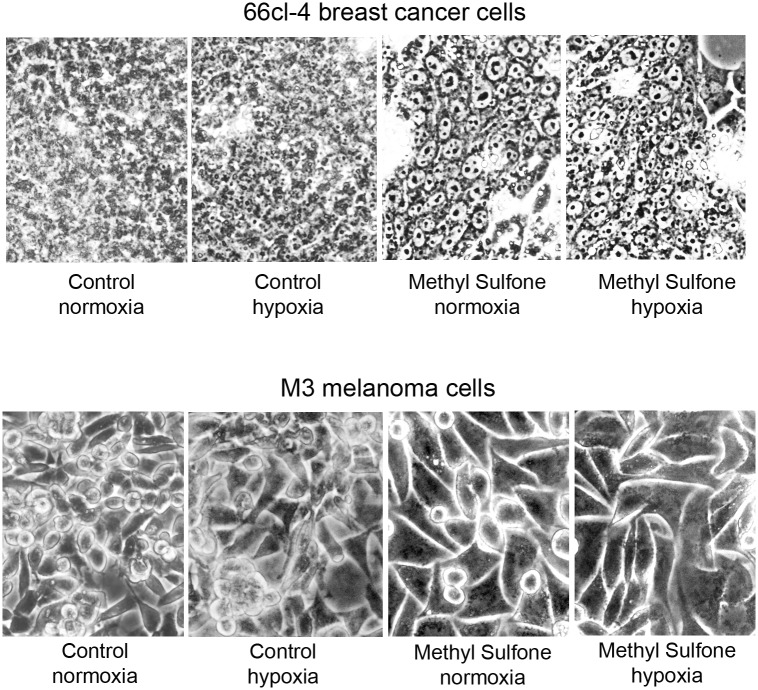
Metastatic cancer causes 90% of cancer deaths. Unlike many primary tumors, metastatic tumors cannot be cured by surgery alone. Metastatic cancer requires chemotherapy. However, metastatic cells are not easily killed by chemotherapy. These problems with chemotherapy are caused in part by the metastatic cell niche: hypoxia. Here we show that the molecule, methyl sulfone, normalized metastatic metabolism of hypoxic breast cancer and melanoma cells by altering several metabolic functions of the cells. Under hypoxia, methyl sulfone decreased expression of the master regulator of hypoxia, HIF-1α, and reduced levels of the glycolytic enzymes, PKM2, LDHA, GLUT1, the pro-angiogenic protein, VEGF, and the iron-sulfur metabolism molecules, miR-210 and transferrin, all of which promote metastasis. Conversely, methyl sulfone increased levels of ISCU1/2 and ferroportin, proteins associated with iron-sulfur cluster biogenesis and iron homeostasis in normal cells. These data identify methyl sulfone as a multi-targeting molecule that blocks the survival/proliferative effect of hypoxia on metastatic cells and brings normality back to cellular metabolism.
转移性癌症导致了90%的癌症死亡。与许多原发性肿瘤不同,转移性肿瘤无法仅通过手术治愈。转移性癌症需要化疗。然而,转移性细胞不容易被化疗杀死。化疗的这些问题部分是由转移性细胞生态位——缺氧导致的。在这里我们表明,分子甲砜通过改变细胞的几种代谢功能,使缺氧乳腺癌和黑色素瘤细胞的转移代谢正常化。在缺氧条件下,甲砜降低了缺氧主调节因子HIF-1α的表达,并降低了糖酵解酶PKM2、LDHA、GLUT1、促血管生成蛋白VEGF以及铁硫代谢分子miR-210和转铁蛋白的水平,所有这些都促进转移。相反,甲砜增加了ISCU1/2和铁转运蛋白的水平,这些蛋白与正常细胞中铁硫簇生物合成和铁稳态相关。这些数据表明甲砜是一种多靶点分子,可阻断缺氧对转移性细胞的存活/增殖作用,并使细胞代谢恢复正常。