Li Guangwei, Du Juan, Li Yiping, Wu Junxiang
Key Laboratory of Plant Protection Resources and Pest Management (Northwest A&F University), Ministry of Education, Yangling, Shaanxi, People's Republic of China.
Key Laboratory of Applied Entomology, Northwest A&F University, Yangling, Shaanxi, People's Republic of China.
PLoS One. 2015 Nov 5;10(11):e0142193. doi: 10.1371/journal.pone.0142193. eCollection 2015.
The oriental fruit moth, Grapholita molesta, is an extremely important oligophagous pest species of stone and pome fruits throughout the world. As a host-switching species, adult moths, especially females, depend on olfactory cues to a large extent in locating host plants, finding mates, and selecting oviposition sites. The identification of olfactory genes can facilitate investigation on mechanisms for chemical communications.
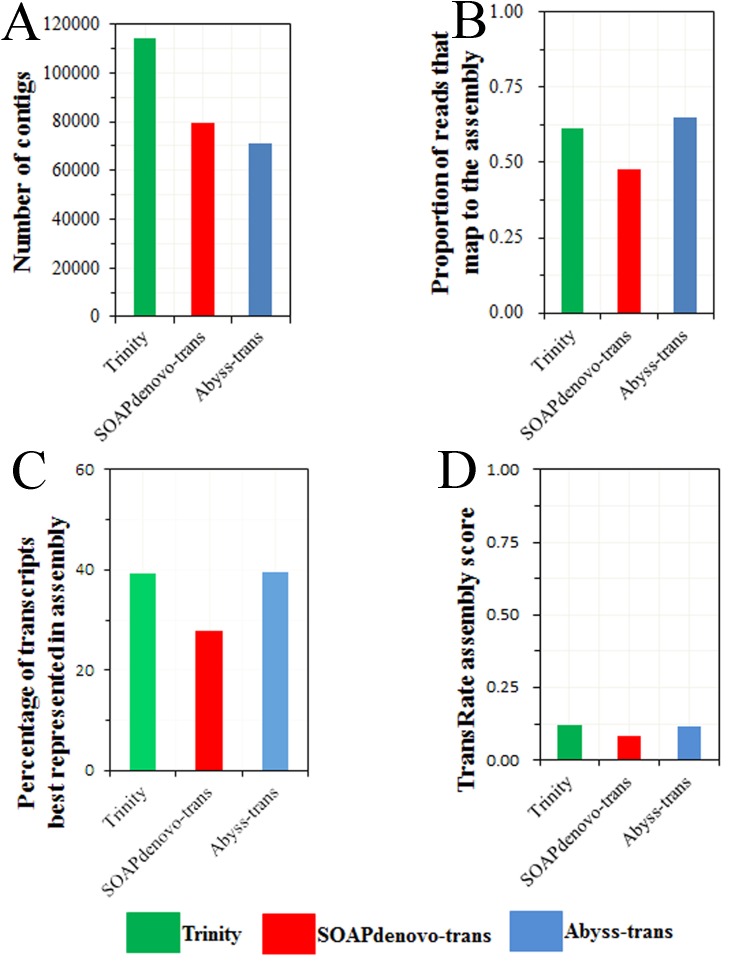
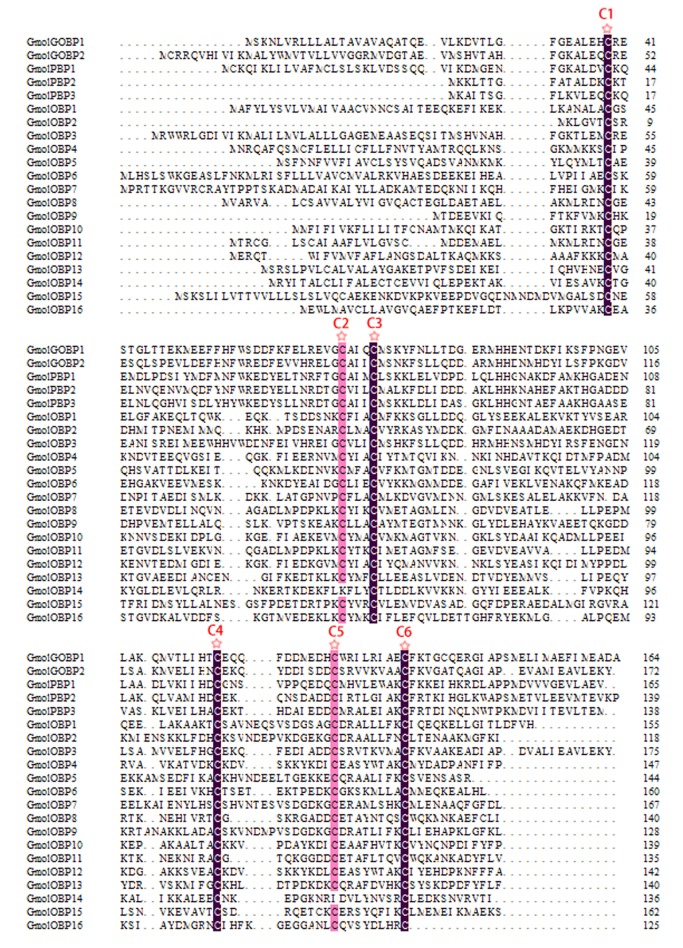
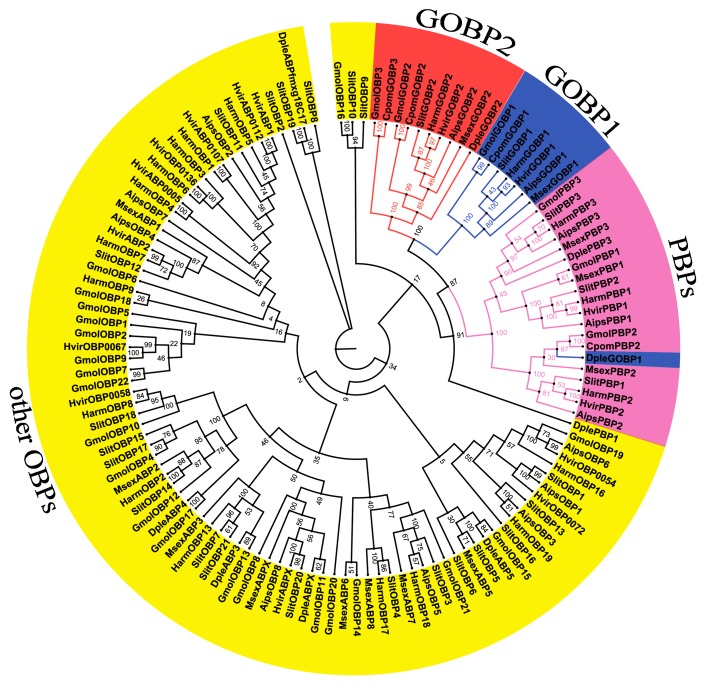
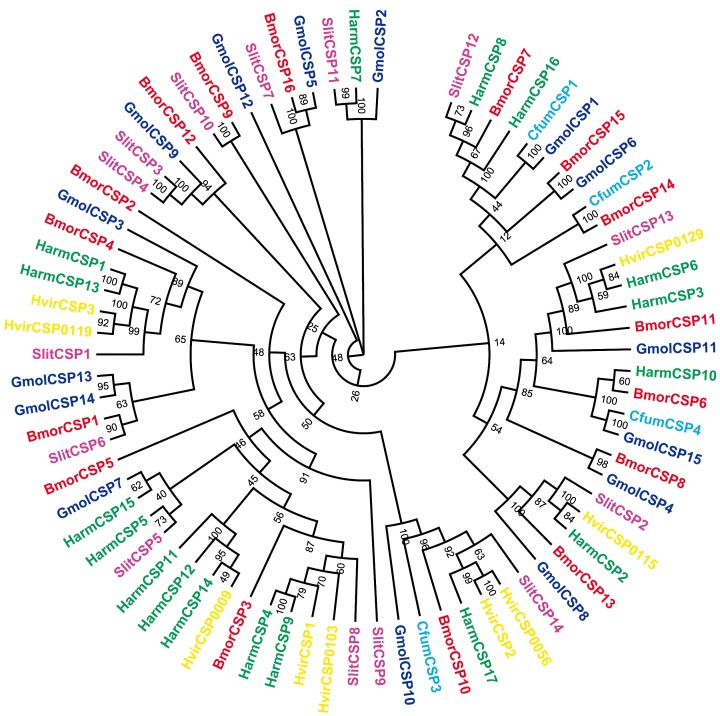
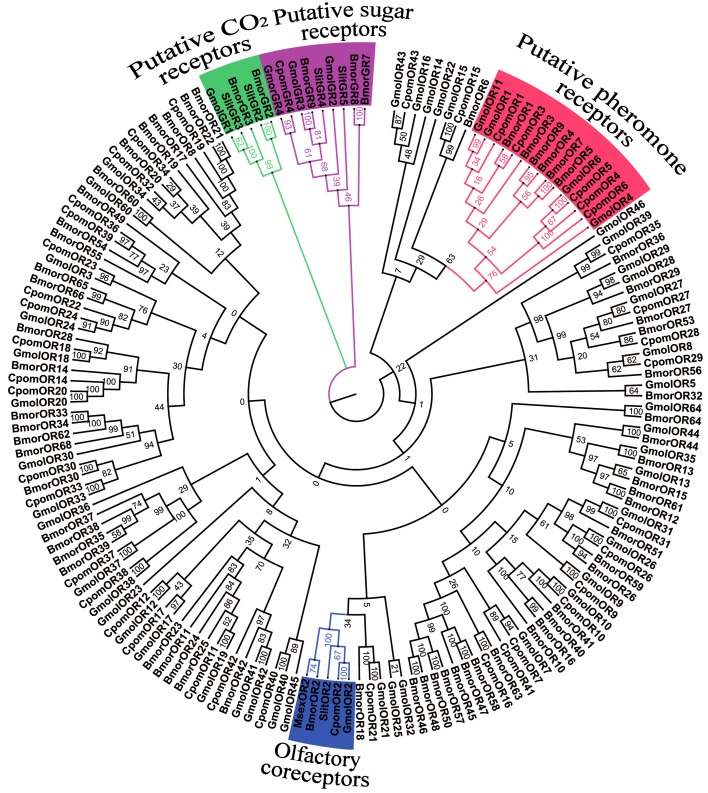
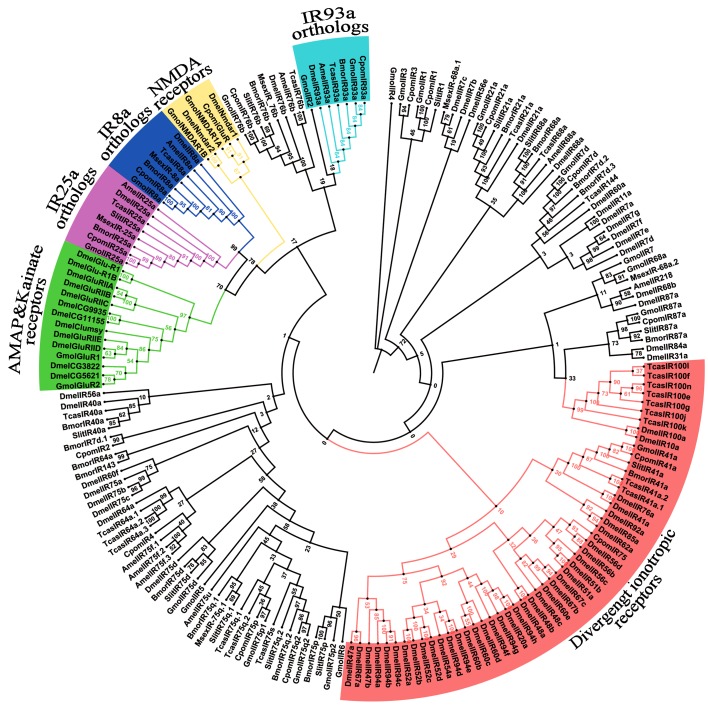
METHODOLOGY/PRINCIPAL FINDING: We generated transcriptome of female antennae of G.molesta using the next-generation sequencing technique, and assembled transcripts from RNA-seq reads using Trinity, SOAPdenovo-trans and Abyss-trans assemblers. We identified 124 putative olfactory genes. Among the identified olfactory genes, 118 were novel to this species, including 28 transcripts encoding for odorant binding proteins, 17 chemosensory proteins, 48 odorant receptors, four gustatory receptors, 24 ionotropic receptors, two sensory neuron membrane proteins, and one odor degrading enzyme. The identified genes were further confirmed through semi-quantitative reverse transcription PCR for transcripts coding for 26 OBPs and 17 CSPs. OBP transcripts showed an obvious antenna bias, whereas CSP transcripts were detected in different tissues.
Antennal transcriptome data derived from the oriental fruit moth constituted an abundant molecular resource for the identification of genes potentially involved in the olfaction process of the species. This study provides a foundation for future research on the molecules involved in olfactory recognition of this insect pest, and in particular, the feasibility of using semiochemicals to control this pest.
桃小食心虫(Grapholita molesta)是一种极其重要的寡食性害虫,危害全球范围内的核果类和仁果类果实。作为一种寄主转换物种,成年蛾类,尤其是雌蛾,在很大程度上依赖嗅觉线索来定位寄主植物、寻找配偶和选择产卵地点。嗅觉基因的鉴定有助于研究化学通讯机制。
方法/主要发现:我们使用下一代测序技术生成了桃小食心虫雌蛾触角的转录组,并使用Trinity、SOAPdenovo-trans和Abyss-trans组装器从RNA-seq读数中组装转录本。我们鉴定出124个假定的嗅觉基因。在鉴定出的嗅觉基因中,有118个是该物种新发现的,包括28个编码气味结合蛋白的转录本、17个化学感受蛋白、48个气味受体、4个味觉受体、24个离子型受体、2个感觉神经元膜蛋白和1个气味降解酶。通过半定量逆转录PCR对编码26种OBP和17种CSP的转录本进一步确认了所鉴定的基因。OBP转录本表现出明显的触角偏好,而CSP转录本在不同组织中均有检测到。
来自桃小食心虫的触角转录组数据构成了丰富的分子资源,可用于鉴定该物种嗅觉过程中潜在涉及的基因。本研究为今后对该害虫嗅觉识别相关分子的研究奠定了基础,特别是为利用信息素控制该害虫的可行性研究提供了基础。