Mardilovich Katerina, Baugh Mark, Crighton Diane, Kowalczyk Dominika, Gabrielsen Mads, Munro June, Croft Daniel R, Lourenco Filipe, James Daniel, Kalna Gabriella, McGarry Lynn, Rath Oliver, Shanks Emma, Garnett Mathew J, McDermott Ultan, Brookfield Joanna, Charles Mark, Hammonds Tim, Olson Michael F
Cancer Research UK Beatson Institute, Garscube Estate, Glasgow, UK.
Cancer Genome Project, Wellcome Trust Sanger Institute, Hinxton, UK.
Oncotarget. 2015 Nov 17;6(36):38469-86. doi: 10.18632/oncotarget.6288.
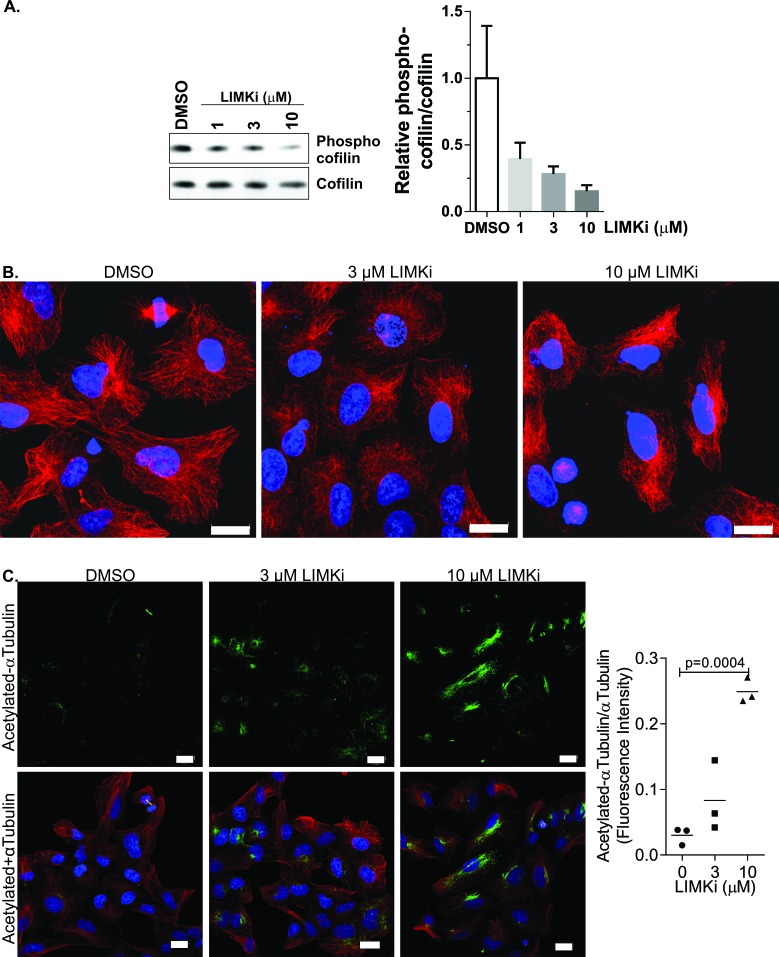
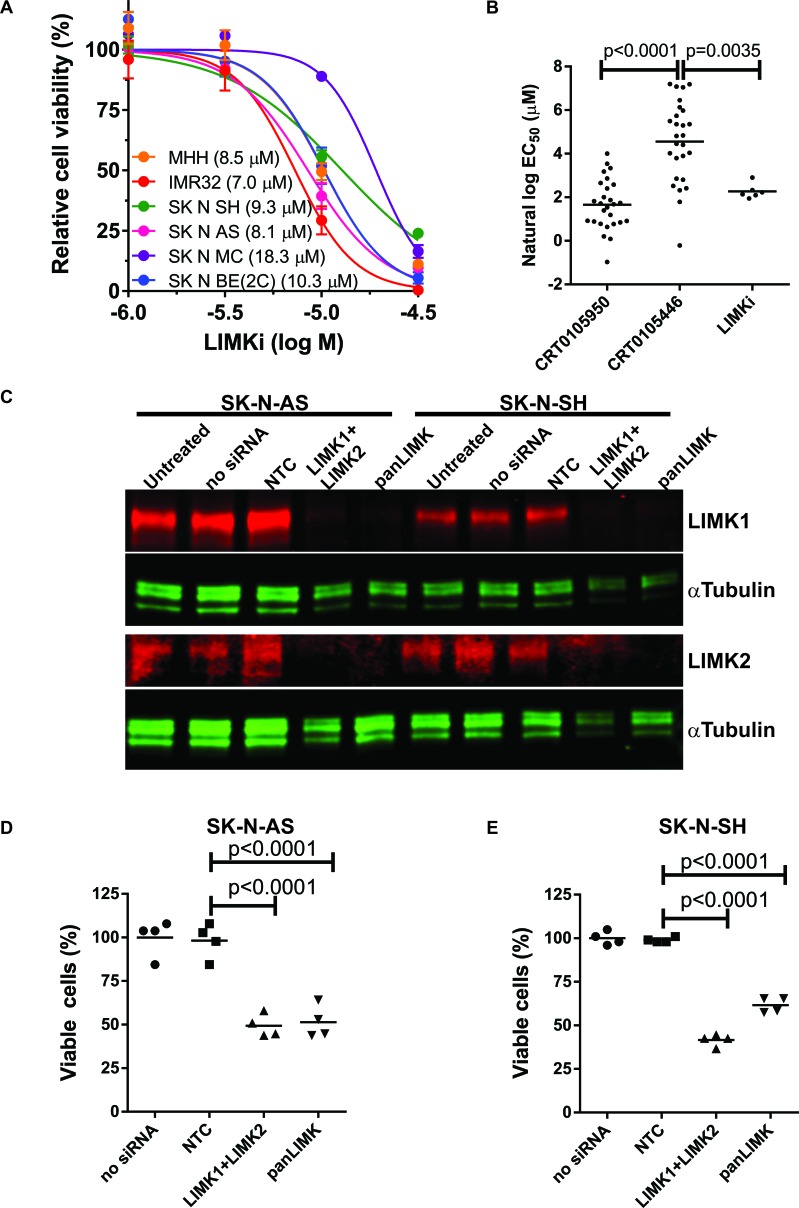
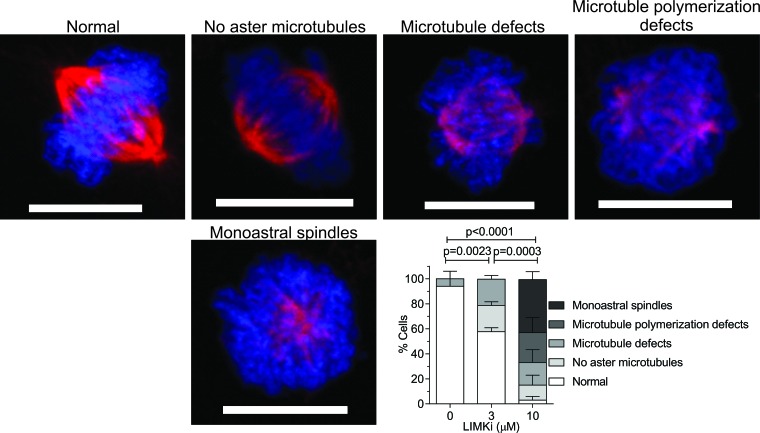
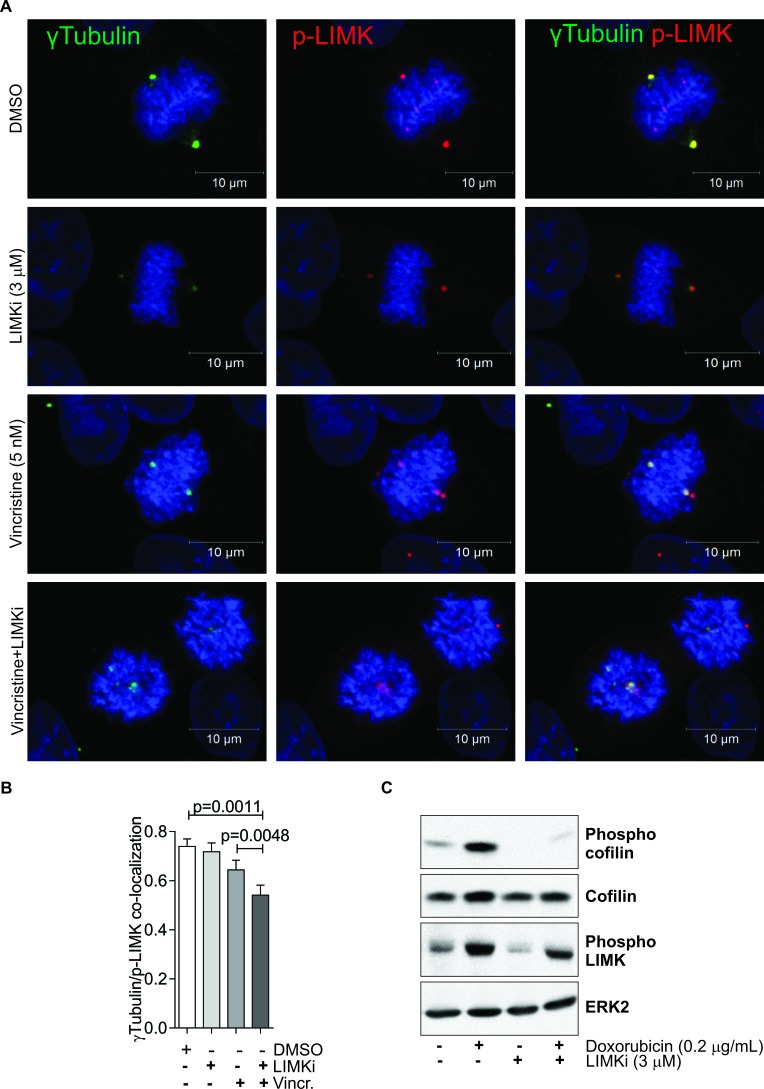
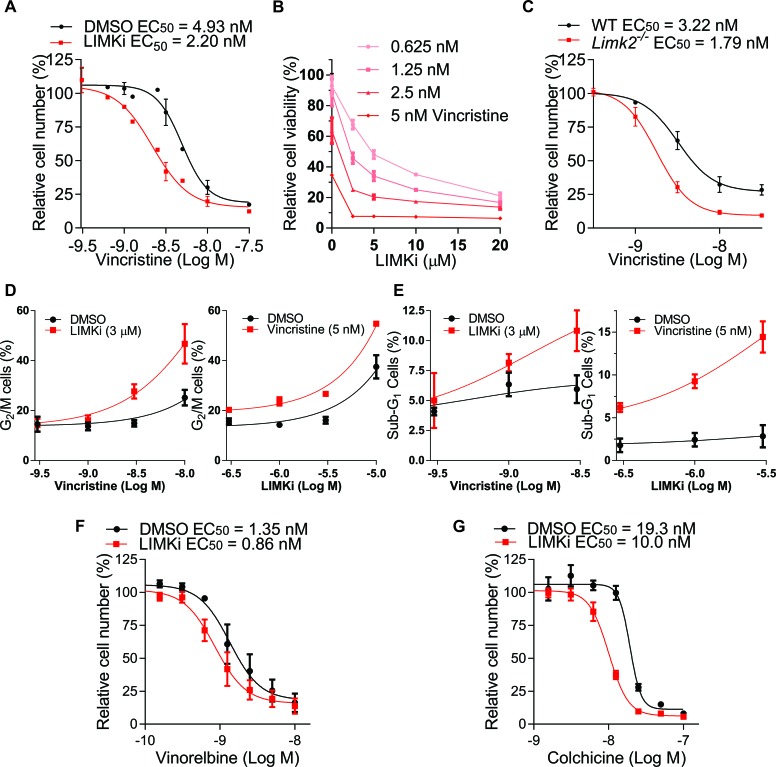
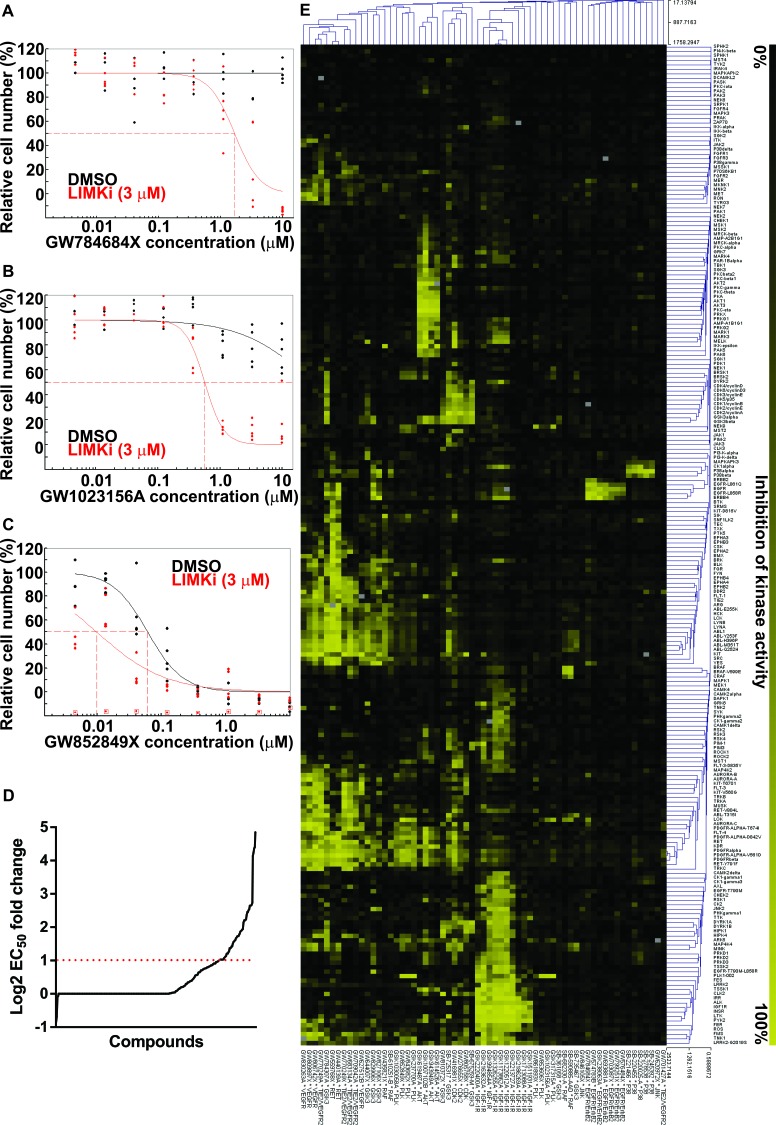
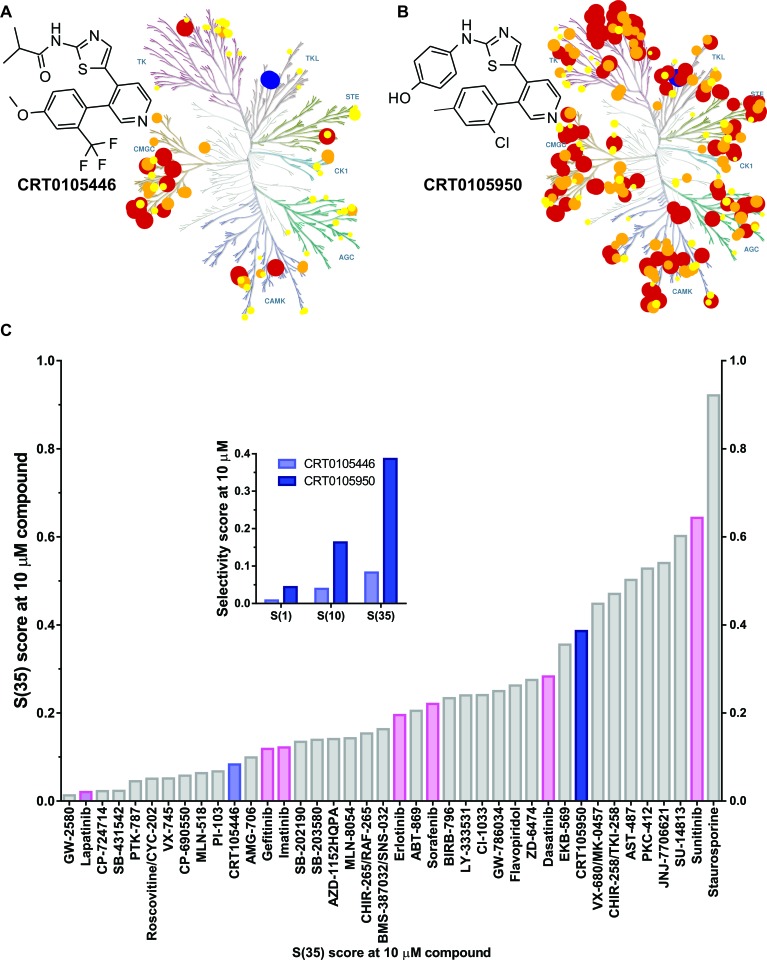
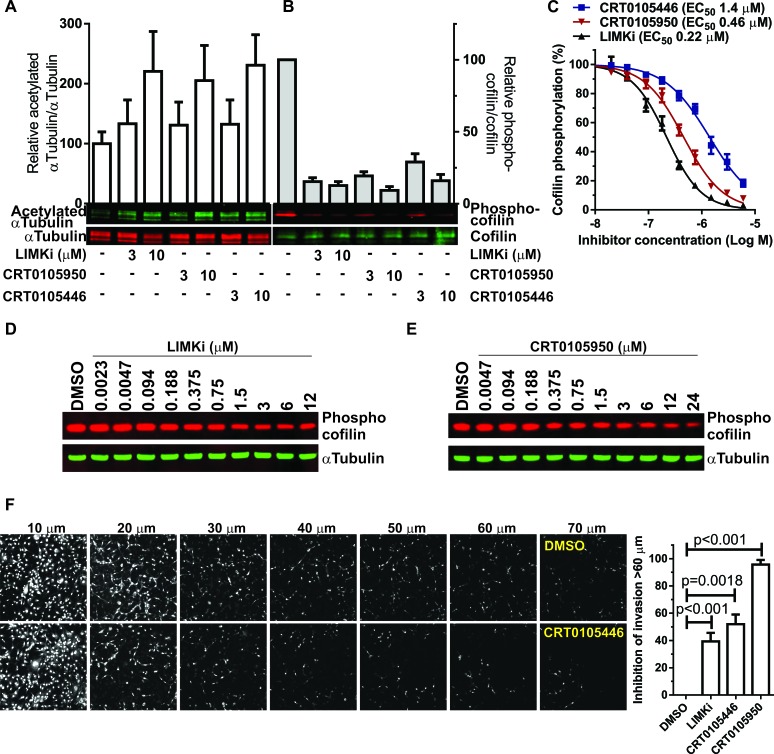
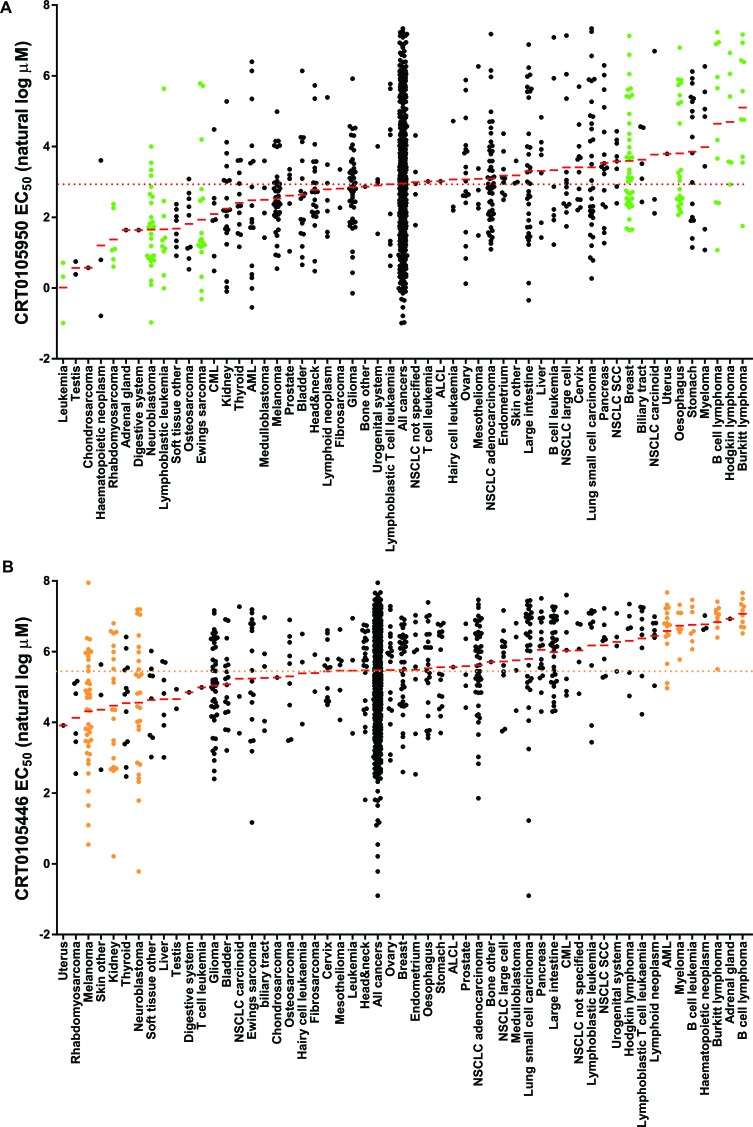
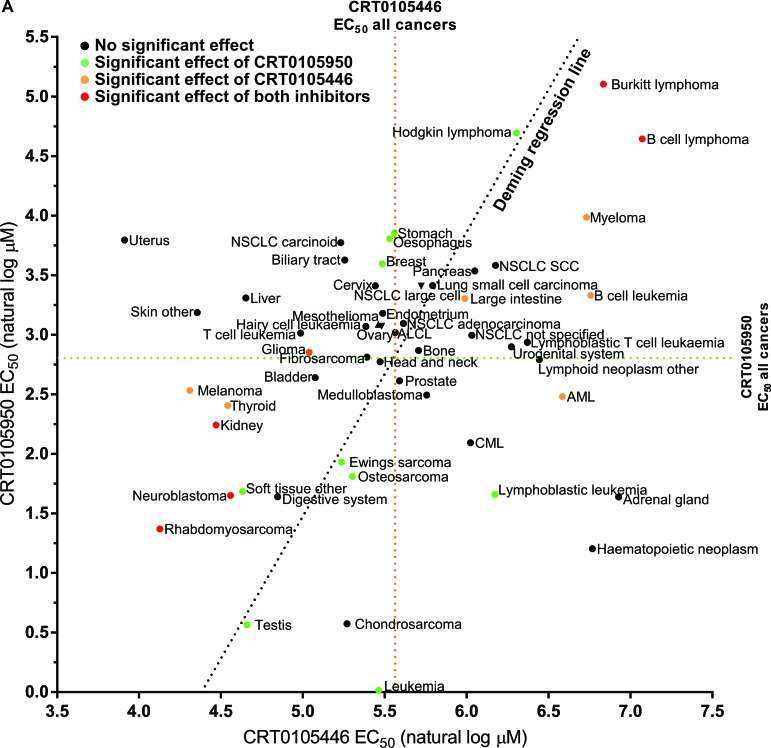
The actin and microtubule cytoskeletons are critically important for cancer cell proliferation, and drugs that target microtubules are widely-used cancer therapies. However, their utility is compromised by toxicities due to dose and exposure. To overcome these issues, we characterized how inhibition of the actin and microtubule cytoskeleton regulatory LIM kinases could be used in drug combinations to increase efficacy. A previously-described LIMK inhibitor (LIMKi) induced dose-dependent microtubule alterations that resulted in significant mitotic defects, and increased the cytotoxic potency of microtubule polymerization inhibitors. By combining LIMKi with 366 compounds from the GSK Published Kinase Inhibitor Set, effective combinations were identified with kinase inhibitors including EGFR, p38 and Raf. These findings encouraged a drug discovery effort that led to development of CRT0105446 and CRT0105950, which potently block LIMK1 and LIMK2 activity in vitro, and inhibit cofilin phosphorylation and increase αTubulin acetylation in cells. CRT0105446 and CRT0105950 were screened against 656 cancer cell lines, and rhabdomyosarcoma, neuroblastoma and kidney cancer cells were identified as significantly sensitive to both LIMK inhibitors. These large-scale screens have identified effective LIMK inhibitor drug combinations and sensitive cancer types. In addition, the LIMK inhibitory compounds CRT0105446 and CRT0105950 will enable further development of LIMK-targeted cancer therapy.
肌动蛋白和微管细胞骨架对癌细胞增殖至关重要,而靶向微管的药物是广泛应用的癌症治疗药物。然而,由于剂量和暴露导致的毒性,其效用受到损害。为了克服这些问题,我们研究了抑制肌动蛋白和微管细胞骨架调节性LIM激酶如何用于联合用药以提高疗效。一种先前描述的LIMK抑制剂(LIMKi)诱导剂量依赖性微管改变,导致明显的有丝分裂缺陷,并增加了微管聚合抑制剂的细胞毒性效力。通过将LIMKi与GSK已发表的激酶抑制剂库中的366种化合物联合使用,确定了与包括EGFR、p38和Raf在内的激酶抑制剂的有效组合。这些发现推动了一项药物研发工作,导致了CRT0105446和CRT0105950的开发,它们在体外能有效阻断LIMK1和LIMK2的活性,并抑制细胞内丝切蛋白的磷酸化,增加α微管蛋白的乙酰化。针对656种癌细胞系对CRT0105446和CRT0105950进行了筛选,横纹肌肉瘤、神经母细胞瘤和肾癌细胞被确定为对这两种LIMK抑制剂均高度敏感。这些大规模筛选确定了有效的LIMK抑制剂药物组合和敏感的癌症类型。此外,LIMK抑制化合物CRT0105446和CRT0105950将推动LIMK靶向癌症治疗的进一步发展。