Brown D R, Bailey J M, Oliveri A N, Levin E D, Di Giulio R T
Nicholas School of the Environment, Duke University, Durham, NC 27514, USA.
Duke University Medical Center, Duke University, Durham, NC 27514, USA.
Neurotoxicol Teratol. 2016 Jan-Feb;53:55-63. doi: 10.1016/j.ntt.2015.10.007. Epub 2015 Nov 6.
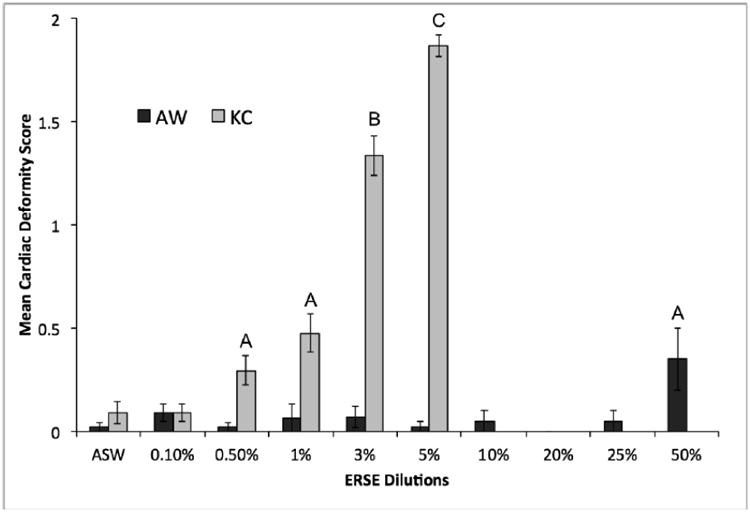
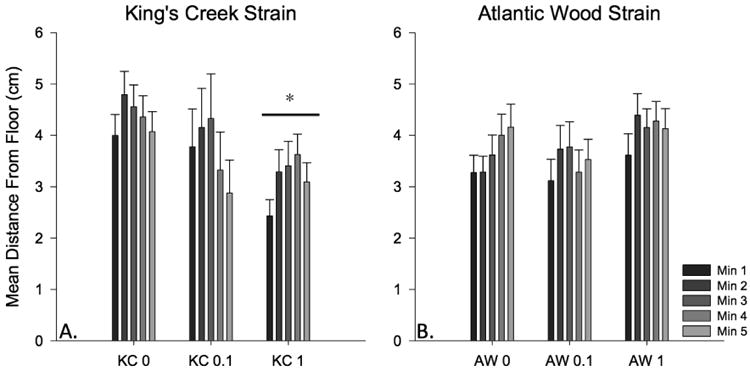
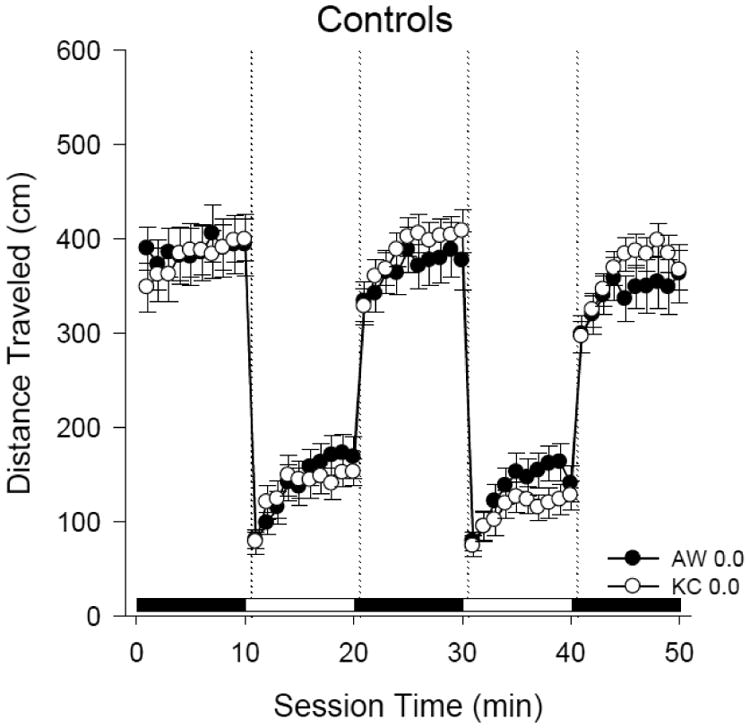
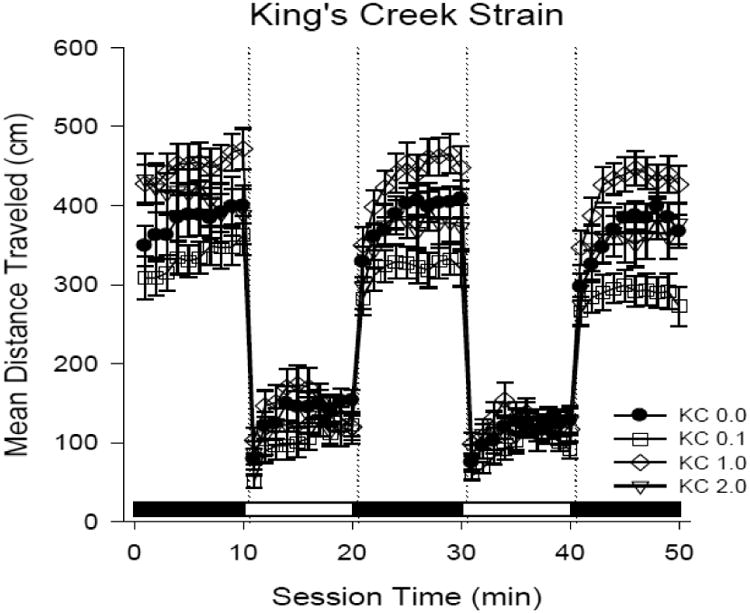
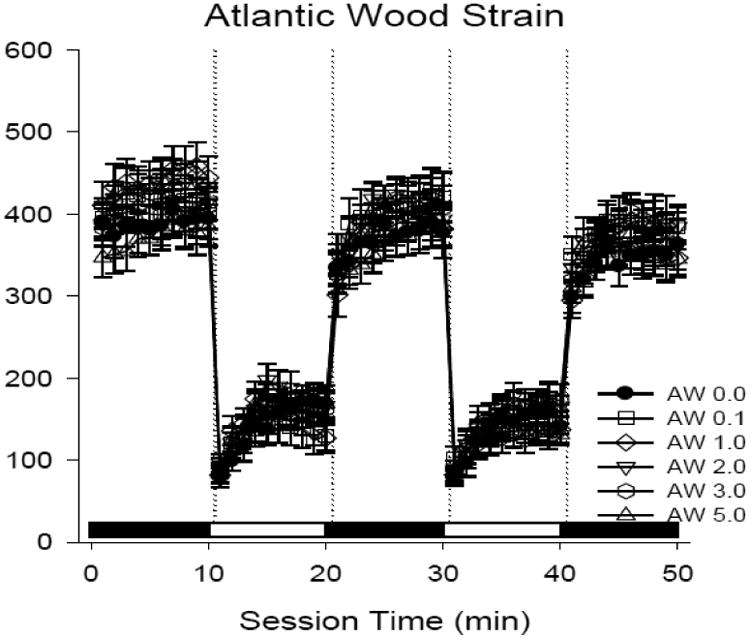
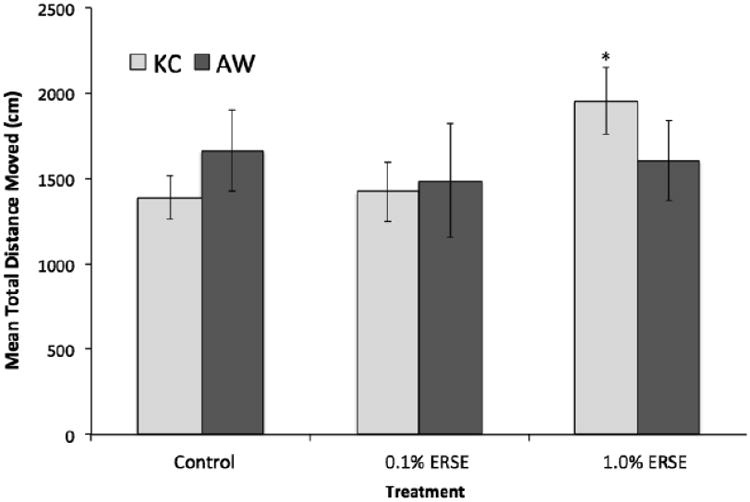
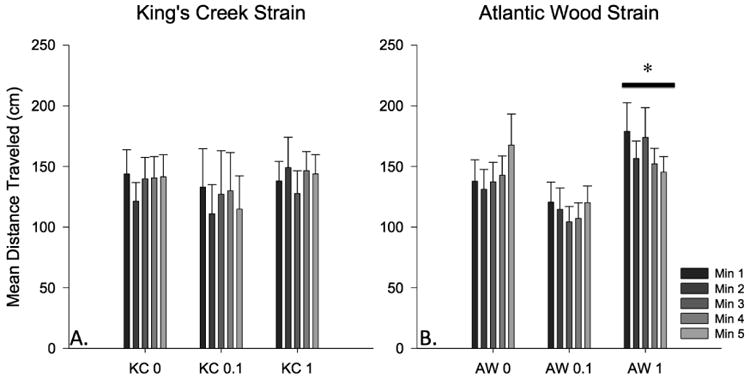
Acute exposures to some individual polycyclic aromatic hydrocarbons (PAHs) and complex PAH mixtures are known to cause cardiac malformations and edema in the developing fish embryo. However, the heart is not the only organ impacted by developmental PAH exposure. The developing brain is also affected, resulting in lasting behavioral dysfunction. While acute exposures to some PAHs are teratogenically lethal in fish, little is known about the later life consequences of early life, lower dose subteratogenic PAH exposures. We sought to determine and characterize the long-term behavioral consequences of subteratogenic developmental PAH mixture exposure in both naive killifish and PAH-adapted killifish using sediment pore water derived from the Atlantic Wood Industries Superfund Site. Killifish offspring were embryonically treated with two low-level PAH mixture dilutions of Elizabeth River sediment extract (ERSE) (TPAH 5.04 μg/L and 50.4 μg/L) at 24h post fertilization. Following exposure, killifish were raised to larval, juvenile, and adult life stages and subjected to a series of behavioral tests including: a locomotor activity test (4 days post-hatch), a sensorimotor response tap/habituation test (3 months post hatch), and a novel tank diving and exploration test (3months post hatch). Killifish were also monitored for survival at 1, 2, and 5 months over 5-month rearing period. Developmental PAH exposure caused short-term as well as persistent behavioral impairments in naive killifish. In contrast, the PAH-adapted killifish did not show behavioral alterations following PAH exposure. PAH mixture exposure caused increased mortality in reference killifish over time; yet, the PAH-adapted killifish, while demonstrating long-term rearing mortality, had no significant changes in mortality associated with ERSE exposure. This study demonstrated that early embryonic exposure to PAH-contaminated sediment pore water caused long-term locomotor and behavioral alterations in killifish, and that locomotor alterations could be observed in early larval stages. Additionally, our study highlights the resistance to behavioral alterations caused by low-level PAH mixture exposure in the adapted killifish population. Furthermore, this is the first longitudinal behavioral study to use killifish, an environmentally important estuarine teleost fish, and this testing framework can be used for future contaminant assessment.
已知急性暴露于某些单一的多环芳烃(PAH)以及复杂的PAH混合物中,会导致发育中的鱼类胚胎出现心脏畸形和水肿。然而,心脏并非受发育阶段PAH暴露影响的唯一器官。发育中的大脑也会受到影响,从而导致持久的行为功能障碍。虽然急性暴露于某些PAH对鱼类具有致畸致死性,但对于生命早期低剂量低于致畸水平的PAH暴露在后期生活中的影响却知之甚少。我们试图使用源自大西洋木材工业超级基金场地的沉积物孔隙水,来确定并描述低于致畸水平的发育性PAH混合物暴露对未接触过PAH的鳉鱼和适应PAH的鳉鱼长期行为的影响。在受精后24小时,用两种低水平的伊丽莎白河沉积物提取物(ERSE)PAH混合物稀释液(总PAH分别为5.04μg/L和50.4μg/L)对鳉鱼后代进行胚胎期处理。暴露后,将鳉鱼饲养至幼虫、幼年和成年阶段,并进行一系列行为测试,包括:运动活动测试(孵化后4天)、感觉运动反应轻拍/习惯化测试(孵化后3个月)以及新水箱潜水和探索测试(孵化后3个月)。在为期5个月的饲养期内,还对鳉鱼在1个月、2个月和5个月时的存活情况进行了监测。发育阶段的PAH暴露在未接触过PAH的鳉鱼中导致了短期以及持续的行为损伤。相比之下,适应PAH的鳉鱼在PAH暴露后未表现出行为改变。随着时间的推移,PAH混合物暴露导致对照鳉鱼的死亡率增加;然而,适应PAH的鳉鱼虽然显示出长期饲养死亡率,但与ERSE暴露相关的死亡率没有显著变化。这项研究表明,胚胎早期暴露于受PAH污染的沉积物孔隙水会导致鳉鱼出现长期的运动和行为改变,并且在幼体早期阶段就能观察到运动改变。此外,我们的研究突出了适应PAH的鳉鱼种群对低水平PAH混合物暴露引起的行为改变具有抗性。此外,这是第一项使用鳉鱼(一种对环境具有重要意义的河口硬骨鱼)进行的纵向行为研究,并且这个测试框架可用于未来的污染物评估。