Oravecz Attila, Apostolov Apostol, Polak Katarzyna, Jost Bernard, Le Gras Stéphanie, Chan Susan, Kastner Philippe
Functional Genomics and Cancer, Institut de Génétique et de Biologie Moléculaire et Cellulaire (IGBMC), INSERM U964, CNRS UMR 7104, Université de Strasbourg, Equipe Labellisée Ligue Contre le Cancer, 1 rue Laurent Fries, Illkirch 67404, France.
IGBMC Microarray and Sequencing Platform, Illkirch 67404, France.
Nat Commun. 2015 Nov 9;6:8823. doi: 10.1038/ncomms9823.
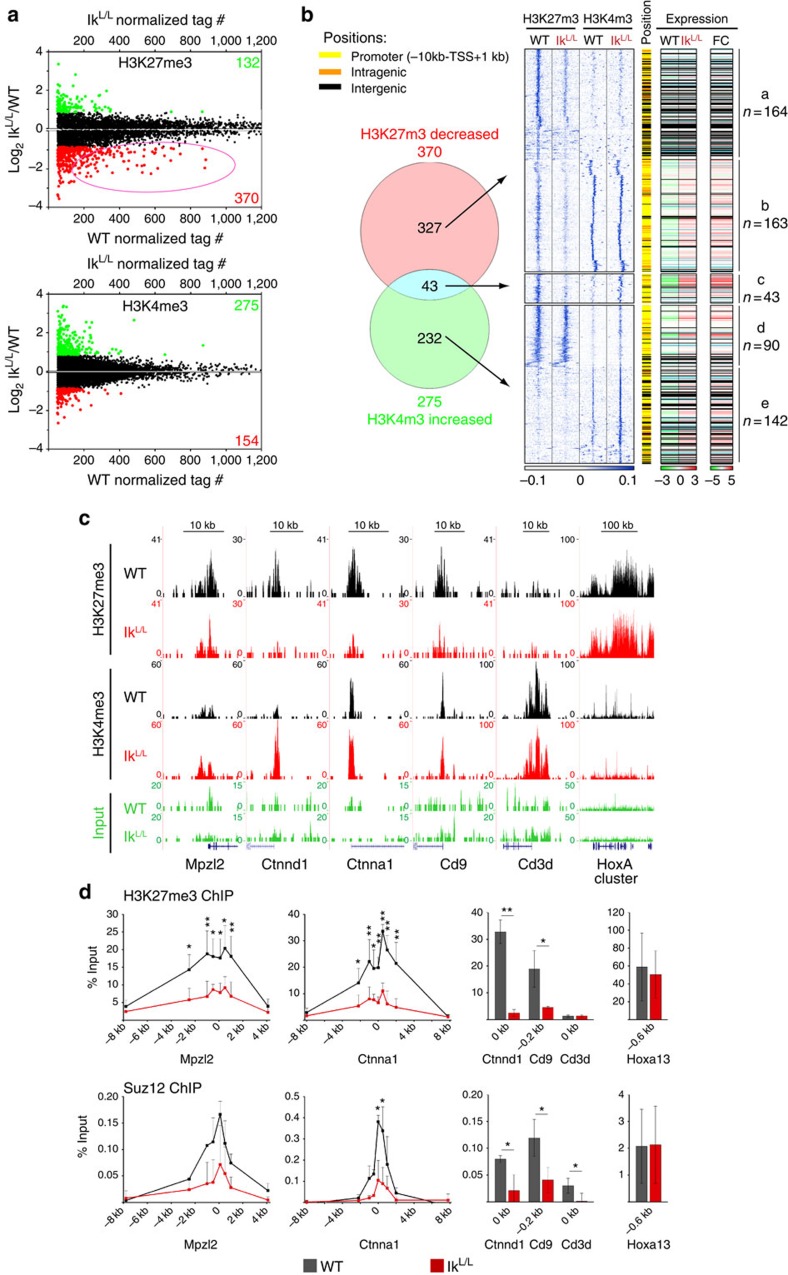
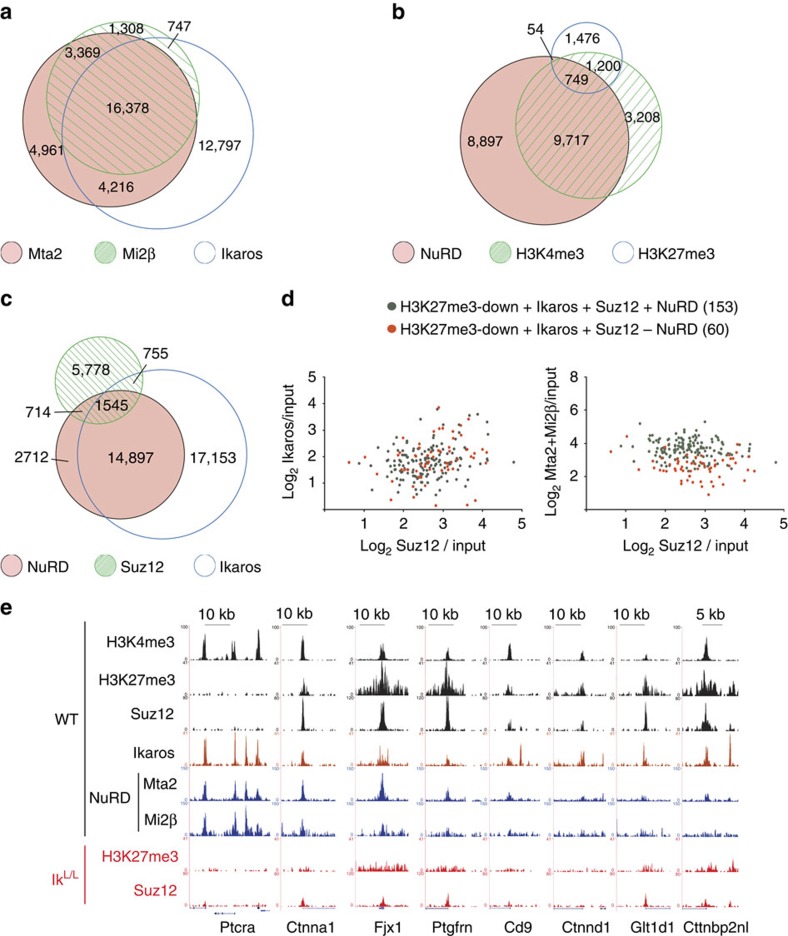
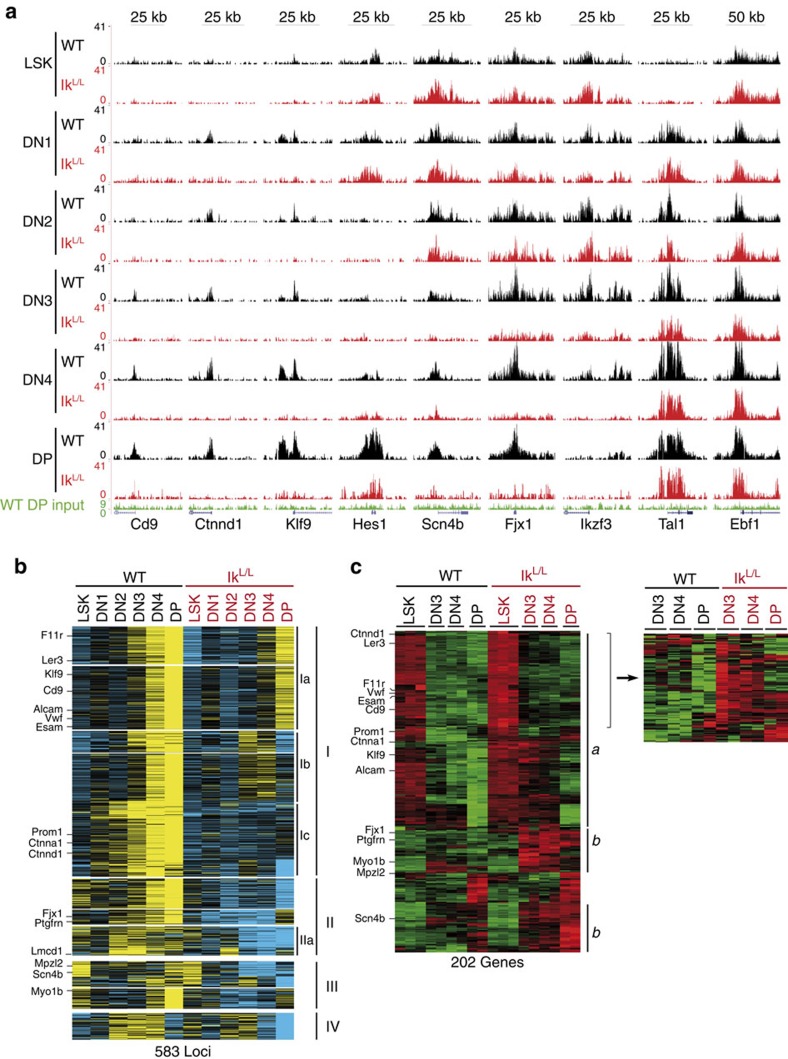
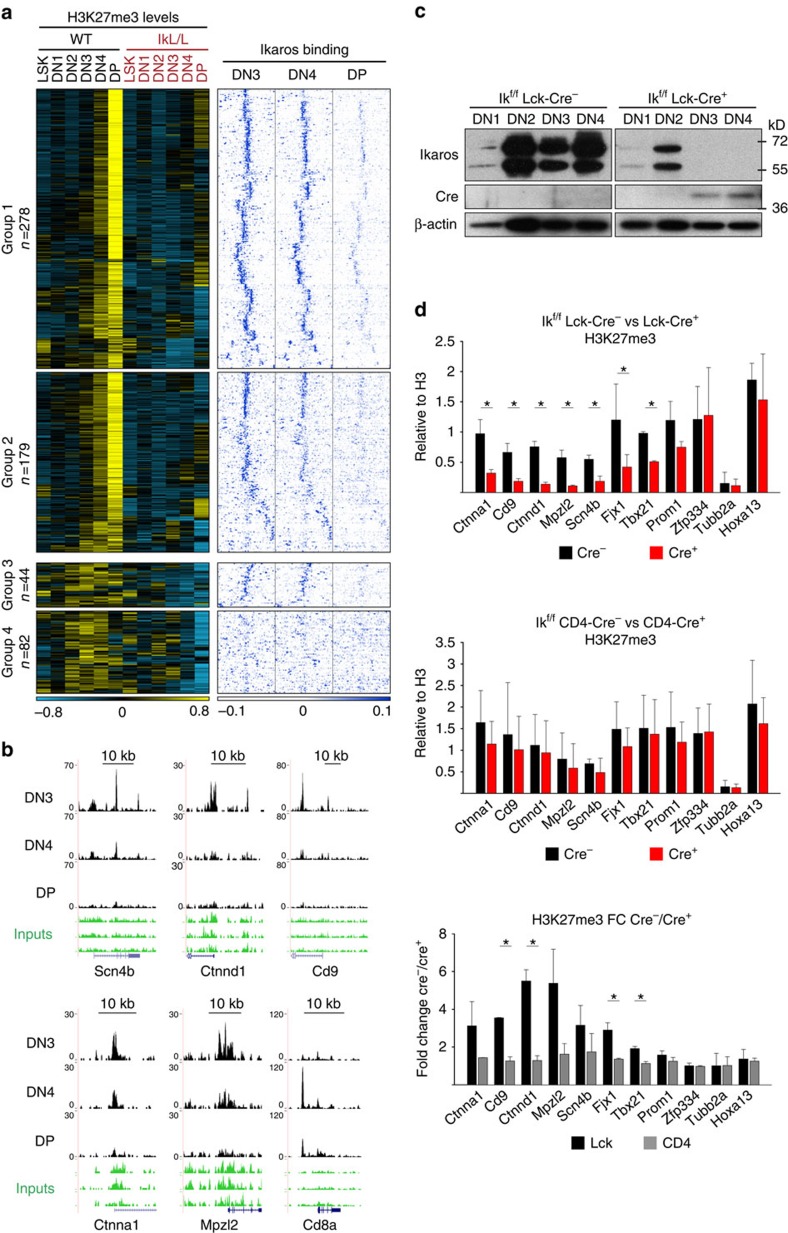
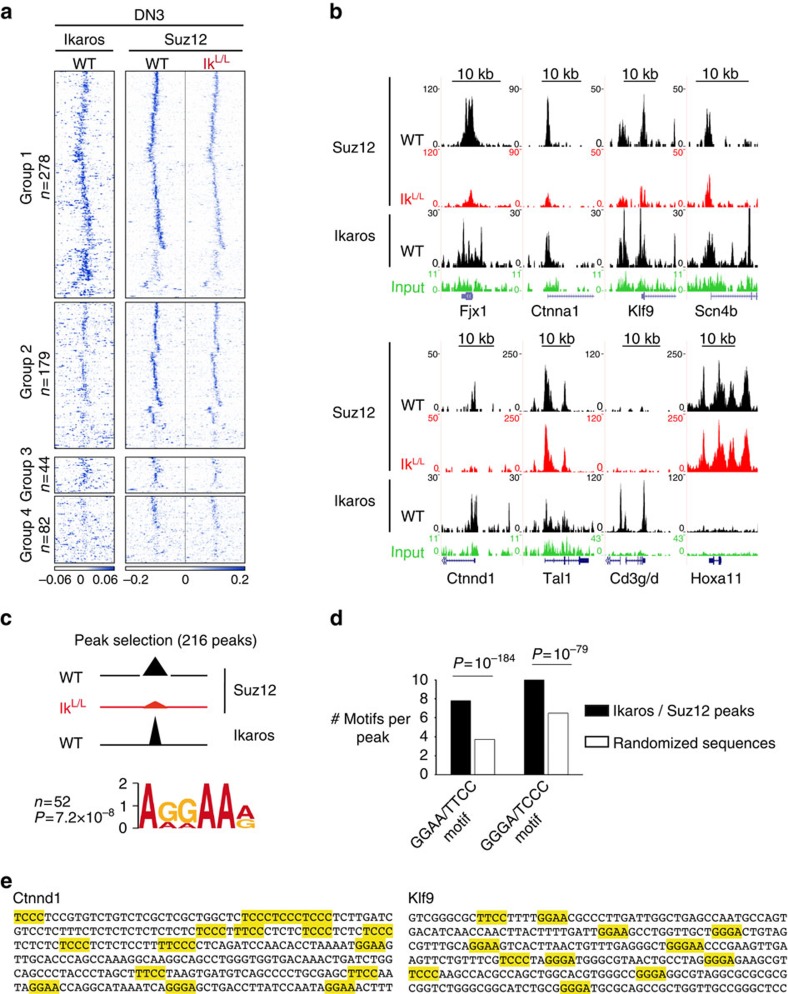
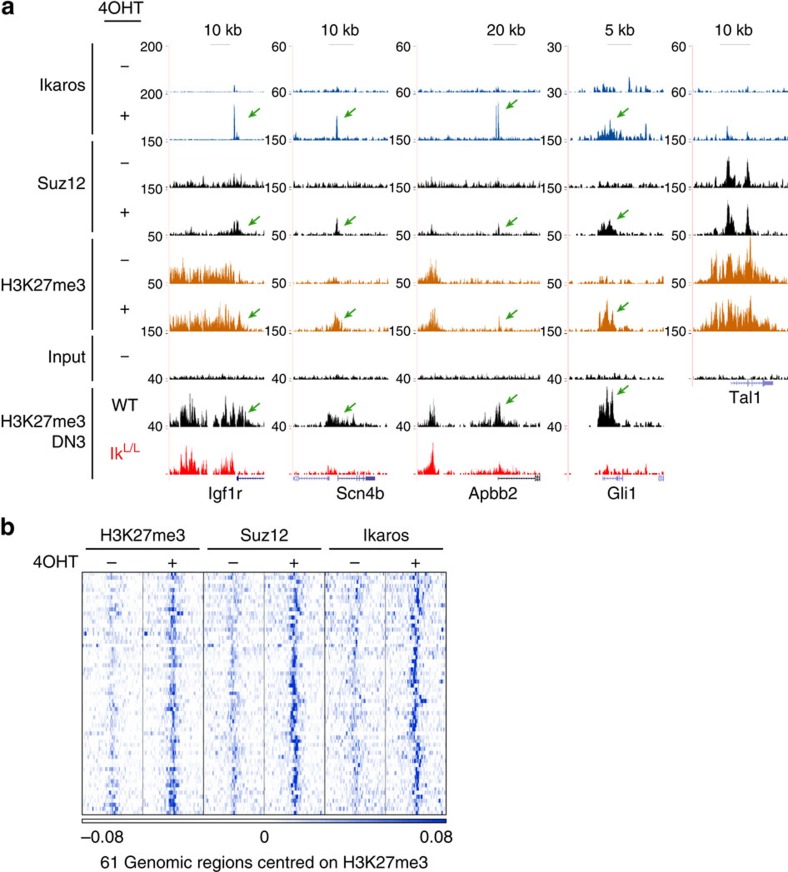
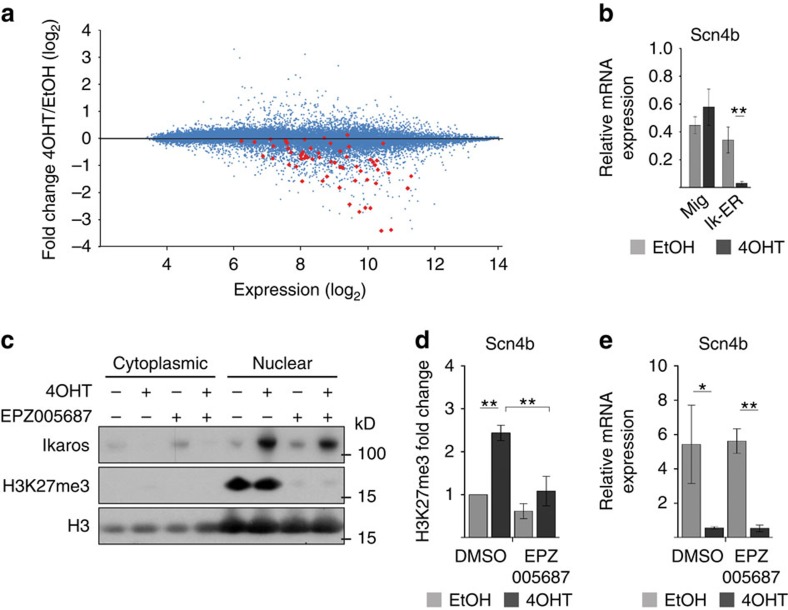
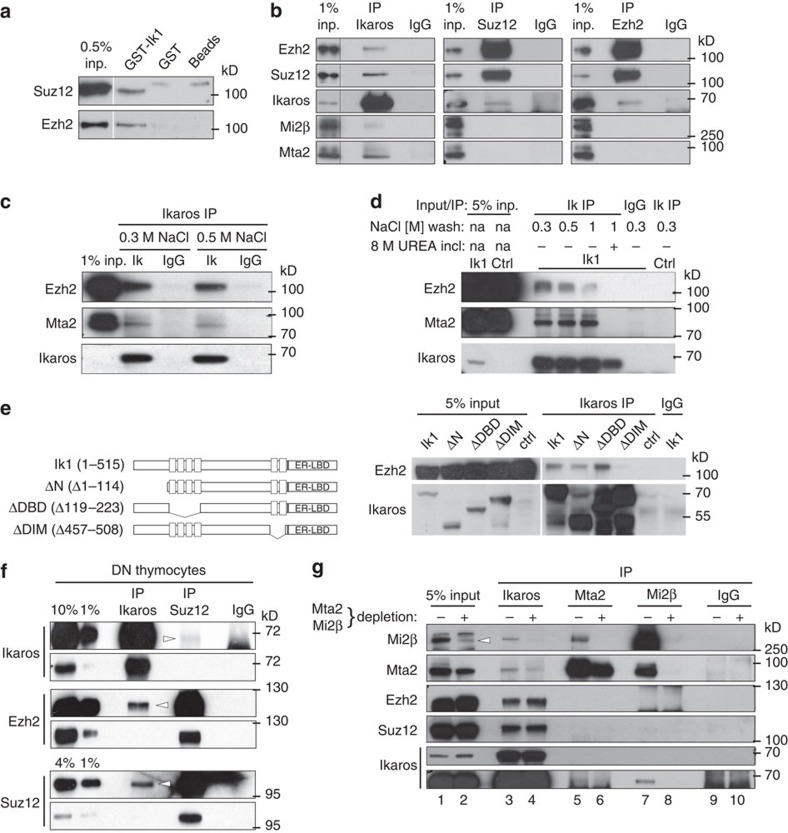
T-cell development is accompanied by epigenetic changes that ensure the silencing of stem cell-related genes and the activation of lymphocyte-specific programmes. How transcription factors influence these changes remains unclear. We show that the Ikaros transcription factor forms a complex with Polycomb repressive complex 2 (PRC2) in CD4(-)CD8(-) thymocytes and allows its binding to more than 500 developmentally regulated loci, including those normally activated in haematopoietic stem cells and others induced by the Notch pathway. Loss of Ikaros in CD4(-)CD8(-) cells leads to reduced histone H3 lysine 27 trimethylation and ectopic gene expression. Furthermore, Ikaros binding triggers PRC2 recruitment and Ikaros interacts with PRC2 independently of the nucleosome remodelling and deacetylation complex. Our results identify Ikaros as a fundamental regulator of PRC2 function in developing T cells.
T细胞发育伴随着表观遗传变化,这些变化确保干细胞相关基因的沉默以及淋巴细胞特异性程序的激活。转录因子如何影响这些变化仍不清楚。我们发现,Ikaros转录因子在CD4(-)CD8(-)胸腺细胞中与多梳抑制复合物2(PRC2)形成复合物,并使其能够结合500多个受发育调控的位点,包括那些在造血干细胞中正常激活的位点以及其他由Notch信号通路诱导的位点。CD4(-)CD8(-)细胞中Ikaros的缺失导致组蛋白H3赖氨酸27三甲基化减少和基因异位表达。此外,Ikaros的结合触发PRC2的募集,并且Ikaros与PRC2相互作用,独立于核小体重塑和去乙酰化复合物。我们的结果表明,Ikaros是发育中T细胞中PRC2功能的基本调节因子。