Liao Feng, Zheng Yang, Cai Junyan, Fan Jinghui, Wang Jing, Yang Jichun, Cui Qinghua, Xu Guoheng, Tang Chaoshu, Geng Bin
Department of Physiology and Pathophysiology, School of Basic Medical Science, Peking University, P.R. China.
Center for Noncoding RNA Medicine, Peking University Health Science Center Beijing 100191, China.
Sci Rep. 2015 Nov 16;5:16590. doi: 10.1038/srep16590.
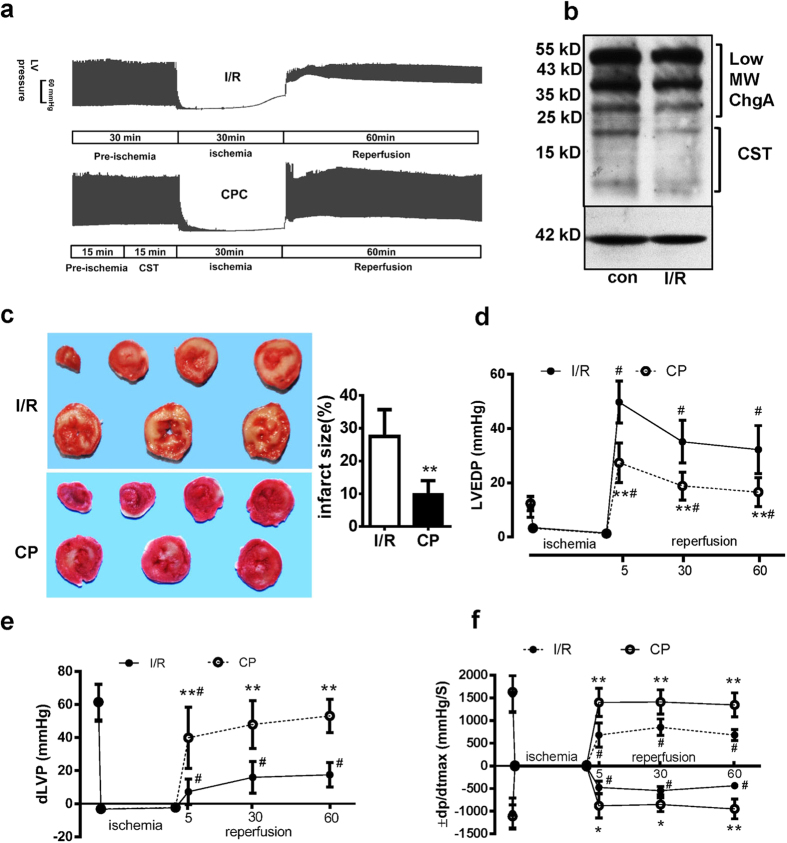
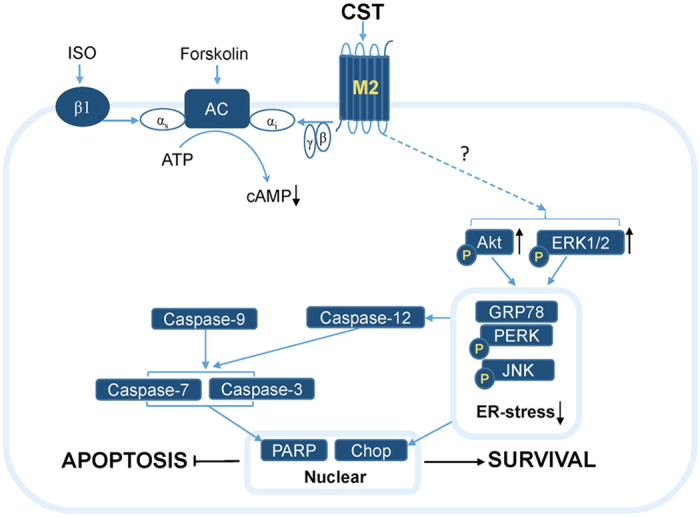
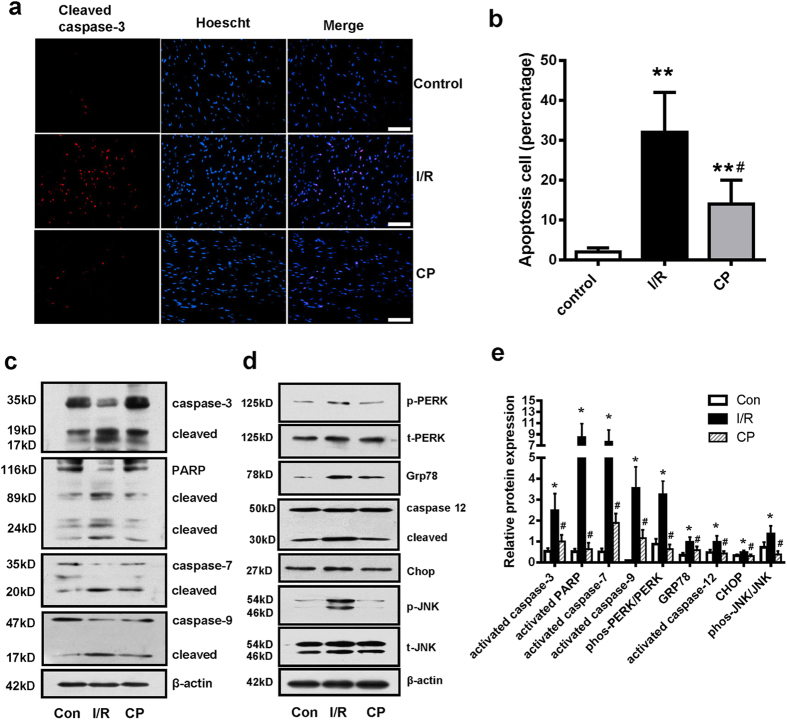
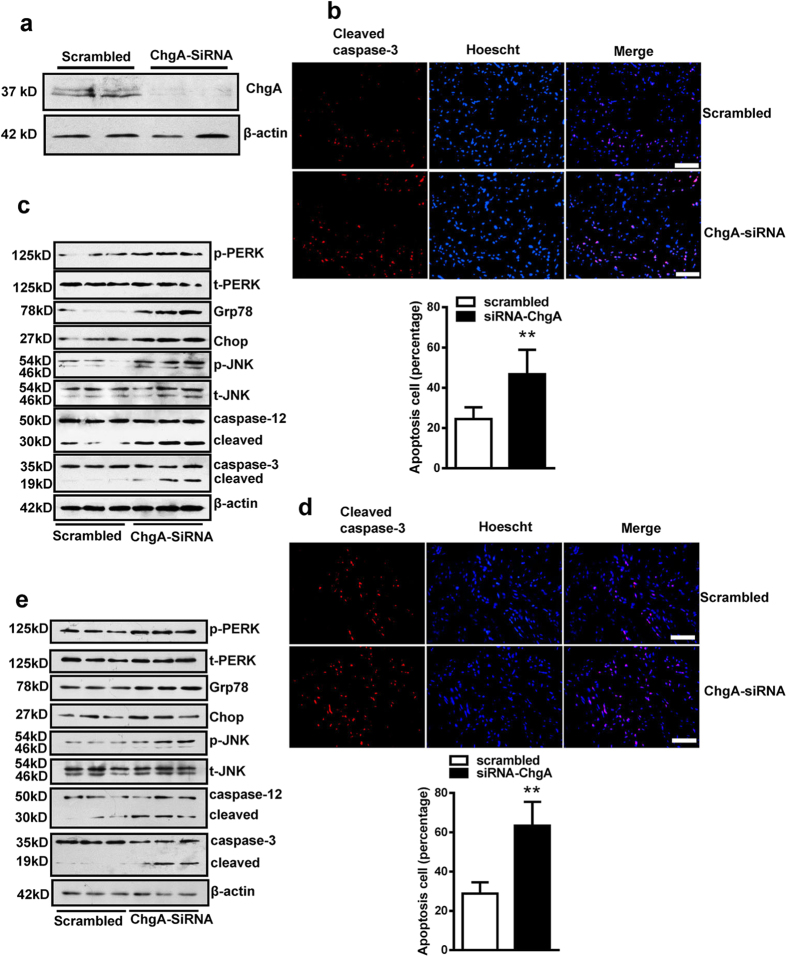
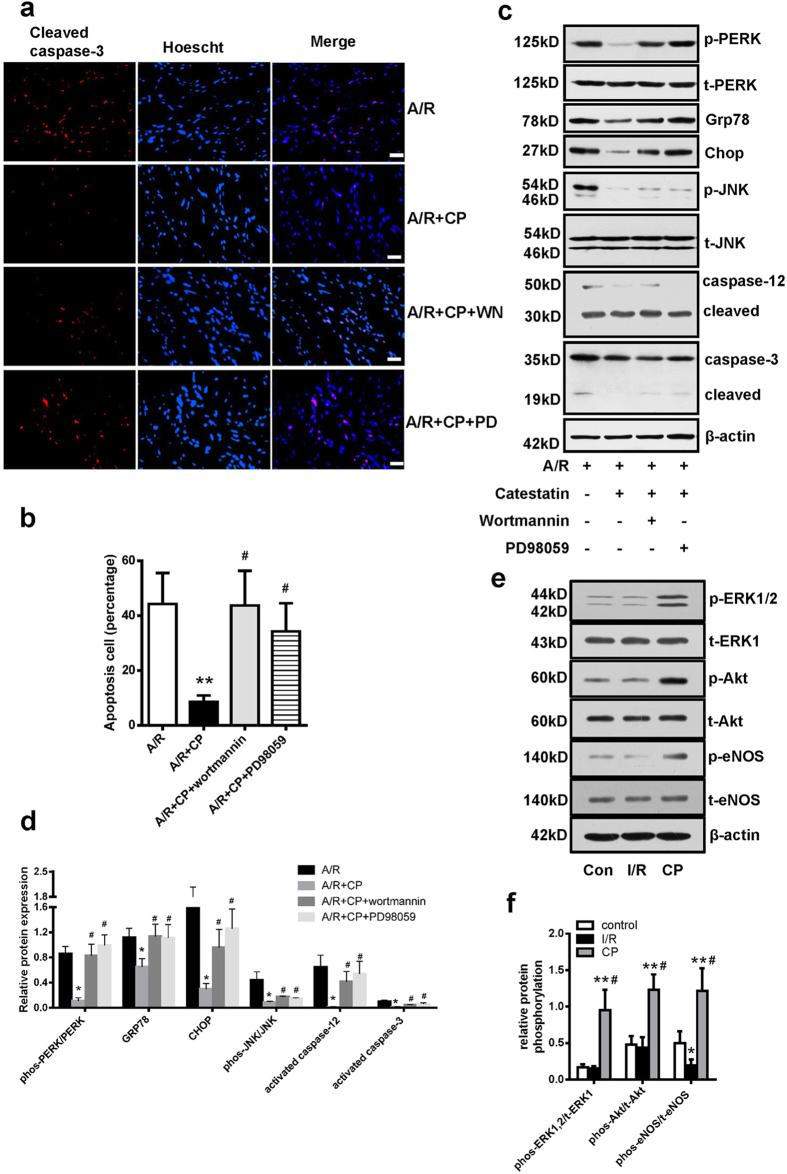
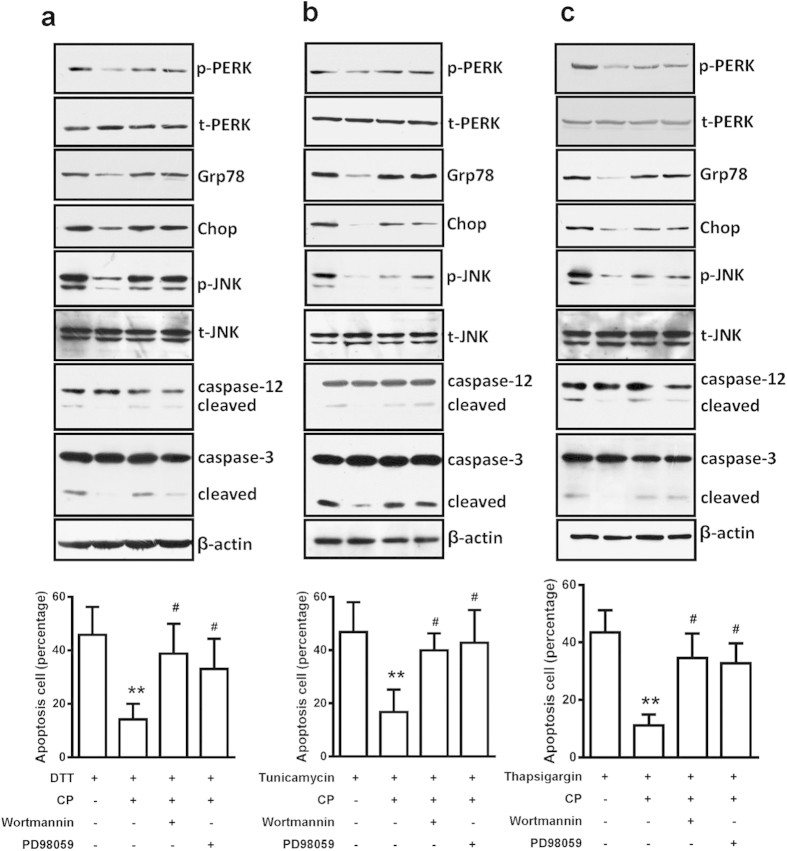
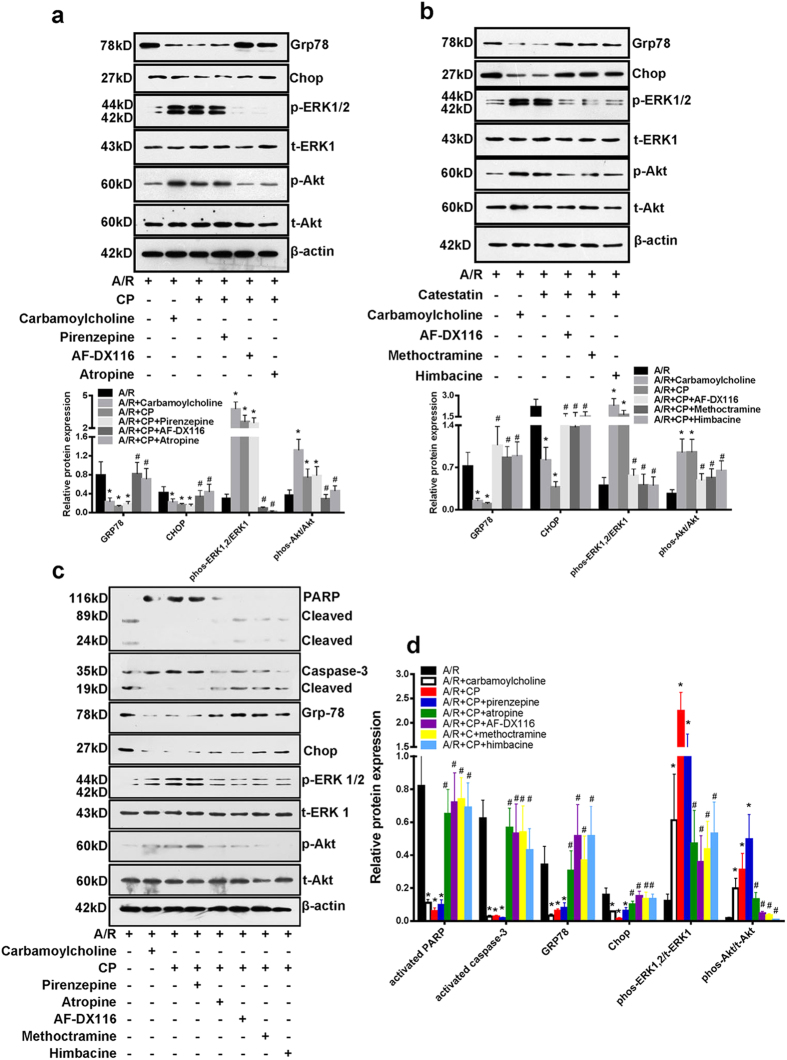
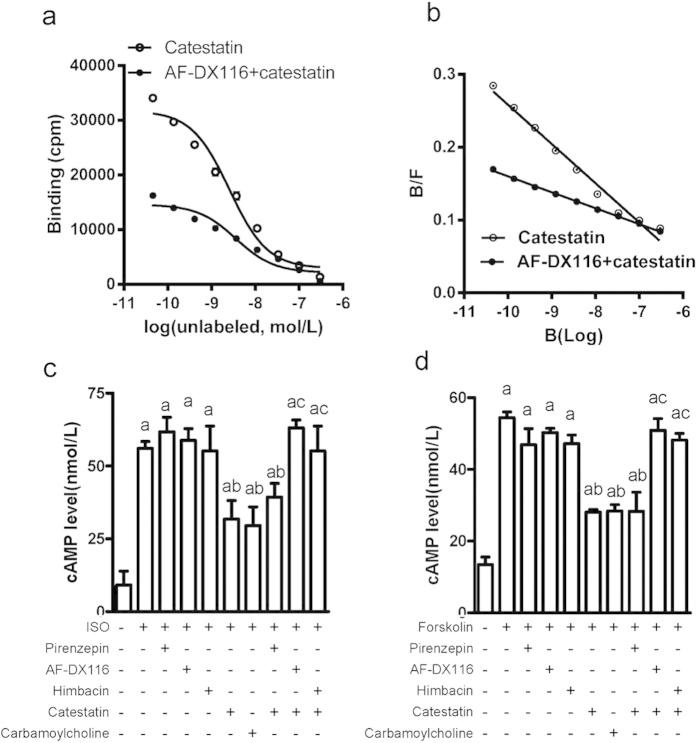
Catestatin (CST) is a catecholamine secretion inhibiting peptide as non-competitive inhibitor of nicotinic acetylcholine receptor. CST play a protective role in cardiac ischemia/reperfusion (I/R) but the molecular mechanism remains unclear. Cardiomyocytes endogenously produced CST and its expression was reduced after I/R. CST pretreatment decreased apoptosis especially endoplasmic reticulum (ER) stress response during I/R. The protection of CST was confirmed in H9c2 cardiomyoblasts under Anoxia/reoxygenation (A/R). In contrast, siRNA-mediated knockdown of CST exaggerated ER stress induced apoptosis. The protective effects of CST were blocked by extracellular signal-regulated kinases 1/2 (ERK1/2) inhibitor PD90895 and phosphoinositide 3-kinase (PI3 K) inhibitor wortmannin. CST also increased ERK1/2 and protein kinase B (Akt) phosphorylation and which was blocked by atropine and selective type 2 muscarinic acetylcholine (M2) receptor, but not type 1 muscarinic acetylcholine (M1) receptor antagonist. Receptor binding assay revealed that CST competitively bound to the M2 receptor with a 50% inhibitory concentration of 25.7 nM. Accordingly, CST inhibited cellular cAMP stimulated by isoproterenol or forskolin, and which was blocked by selective M2 receptor antagonist. Our findings revealed that CST binds to M2 receptor, then activates ERK1/2 and PI3 K/Akt pathway to inhibit ER stress-induced cell apoptosis resulting in attenuation cardiac I/R injury.
癌抑素(CST)是一种儿茶酚胺分泌抑制肽,作为烟碱型乙酰胆碱受体的非竞争性抑制剂。CST在心脏缺血/再灌注(I/R)中发挥保护作用,但其分子机制尚不清楚。心肌细胞内源性产生CST,I/R后其表达降低。CST预处理可减少凋亡,尤其是I/R期间的内质网(ER)应激反应。在缺氧/复氧(A/R)条件下,H9c2心肌母细胞中证实了CST的保护作用。相反,小干扰RNA(siRNA)介导的CST敲低会加剧ER应激诱导的凋亡。CST的保护作用被细胞外信号调节激酶1/2(ERK1/2)抑制剂PD90895和磷酸肌醇3激酶(PI3K)抑制剂渥曼青霉素阻断。CST还增加了ERK1/2和蛋白激酶B(Akt)的磷酸化,这被阿托品和选择性M2型毒蕈碱乙酰胆碱(M2)受体拮抗剂阻断,但未被M1型毒蕈碱乙酰胆碱(M1)受体拮抗剂阻断。受体结合试验表明,CST以50%抑制浓度25.7 nM竞争性结合M2受体。因此,CST抑制异丙肾上腺素或福斯高林刺激的细胞环磷酸腺苷(cAMP),这被选择性M2受体拮抗剂阻断。我们的研究结果表明,CST与M2受体结合,然后激活ERK1/2和PI3K/Akt途径,以抑制ER应激诱导的细胞凋亡,从而减轻心脏I/R损伤。