Akula Srinivas, Thorpe Michael, Boinapally Vamsi, Hellman Lars
Department of Cell and Molecular Biology, Uppsala University, Uppsala, The Biomedical Center, Box 596, SE-751 24, Uppsala, Sweden.
PLoS One. 2015 Nov 16;10(11):e0143091. doi: 10.1371/journal.pone.0143091. eCollection 2015.
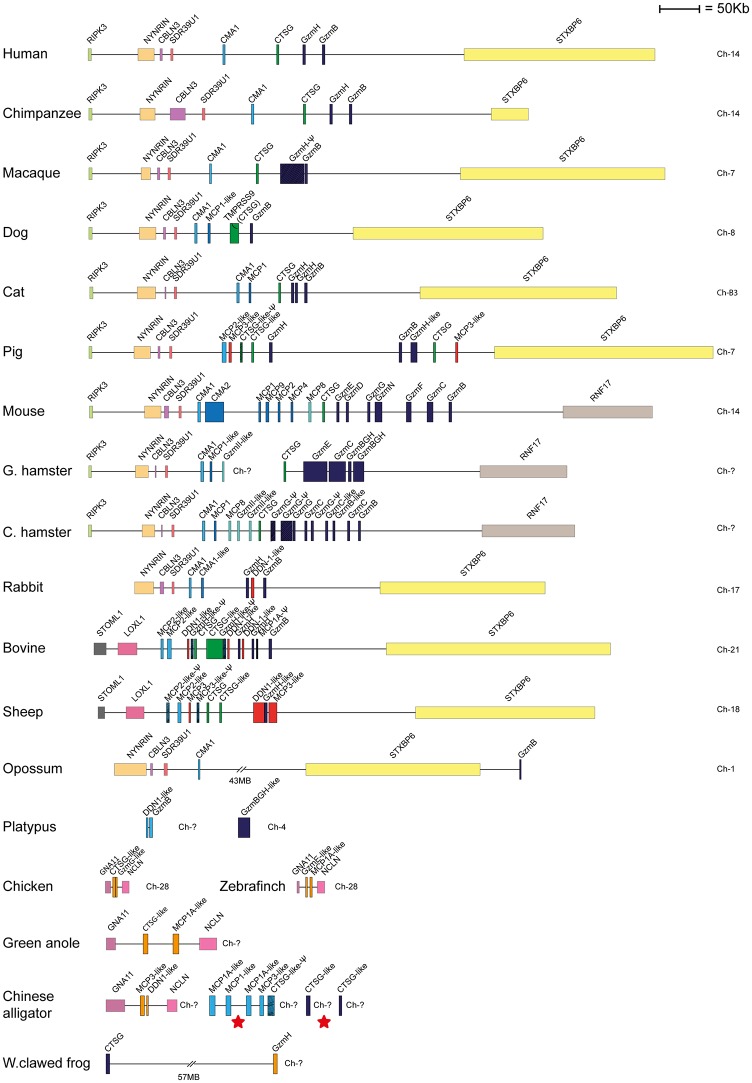
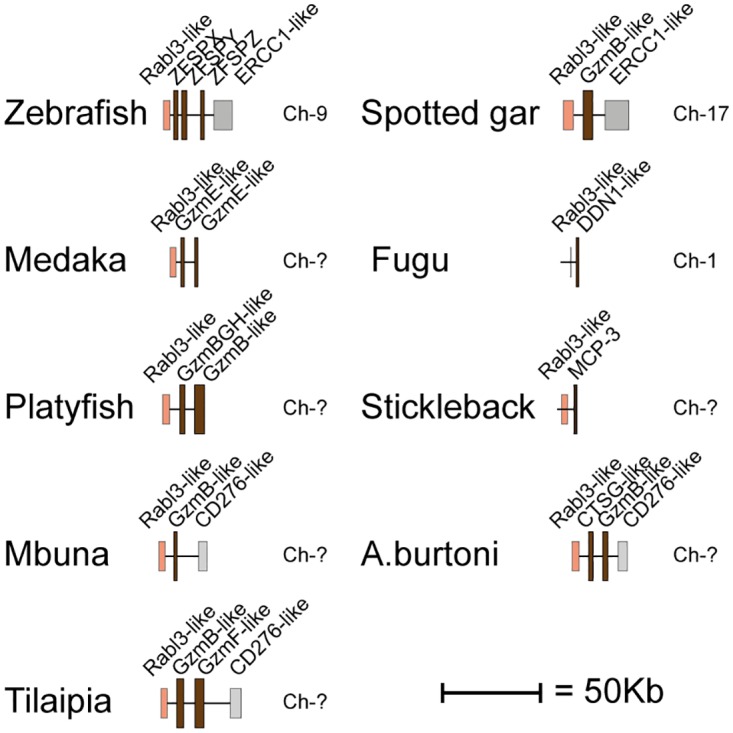
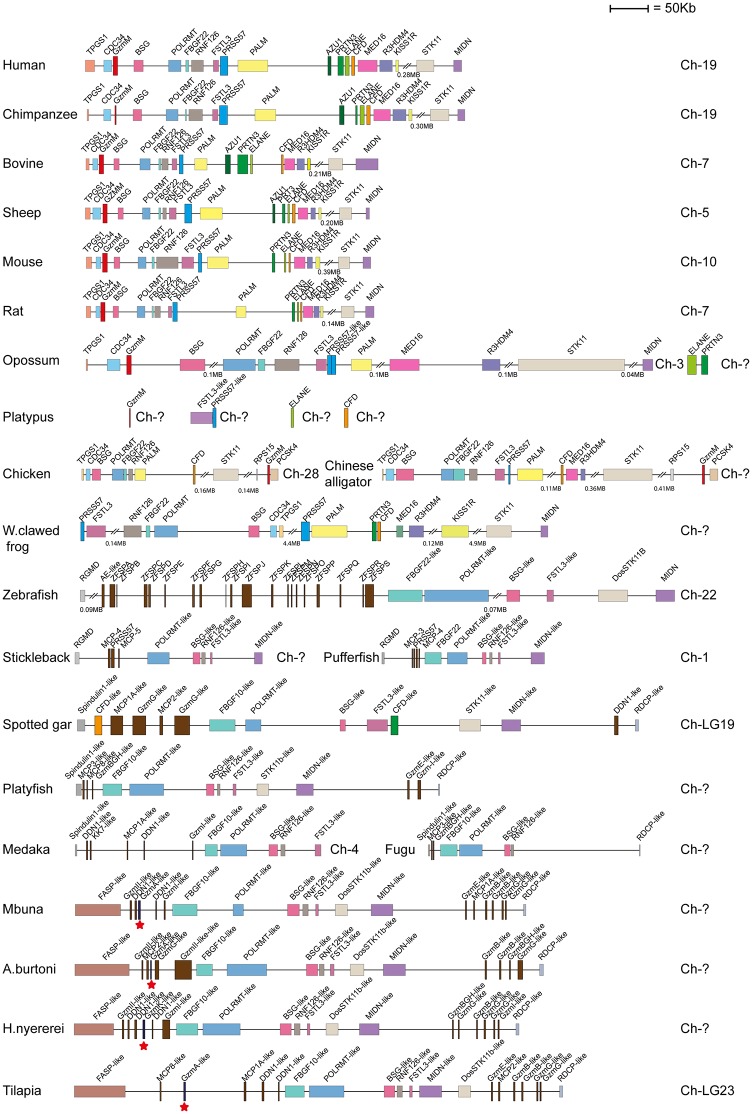
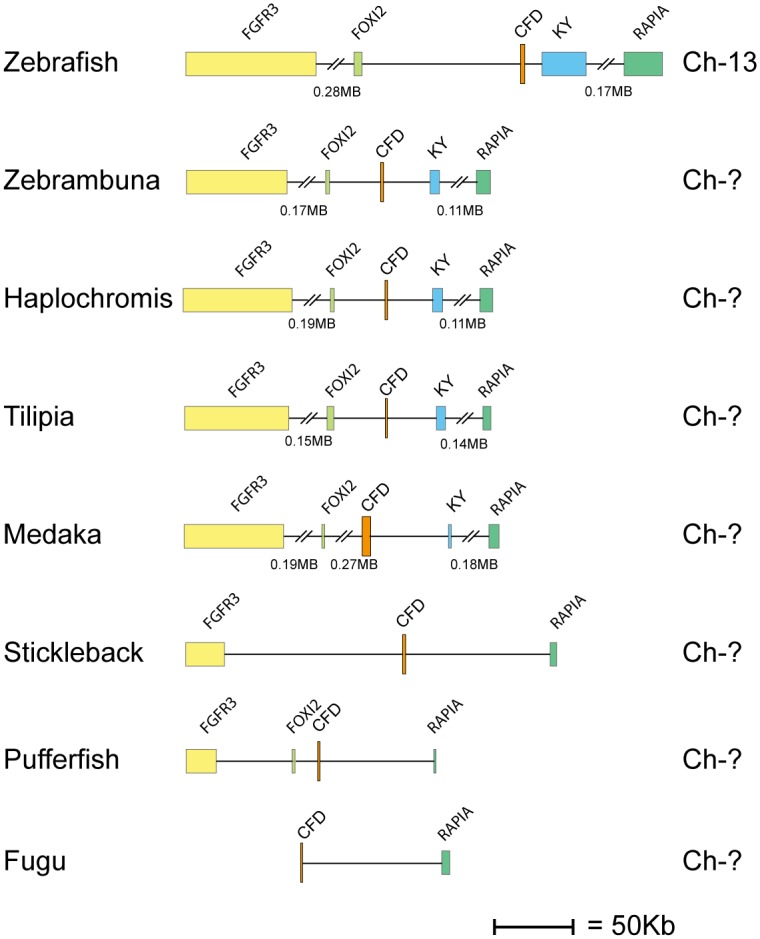
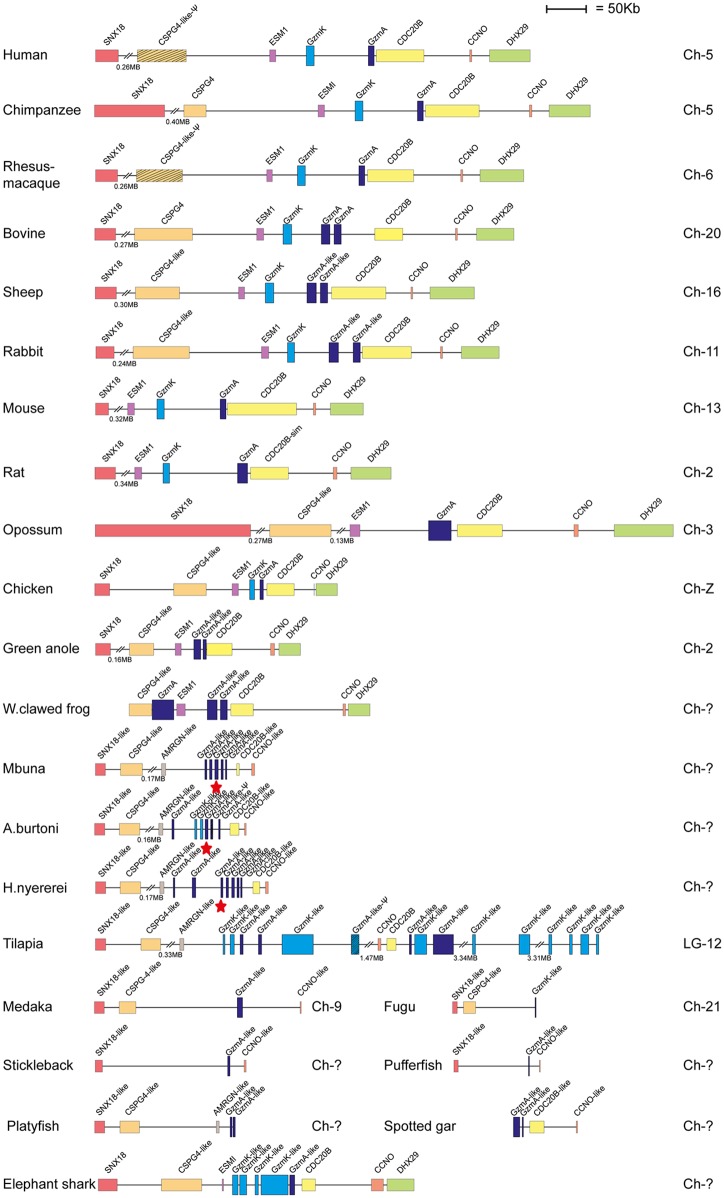
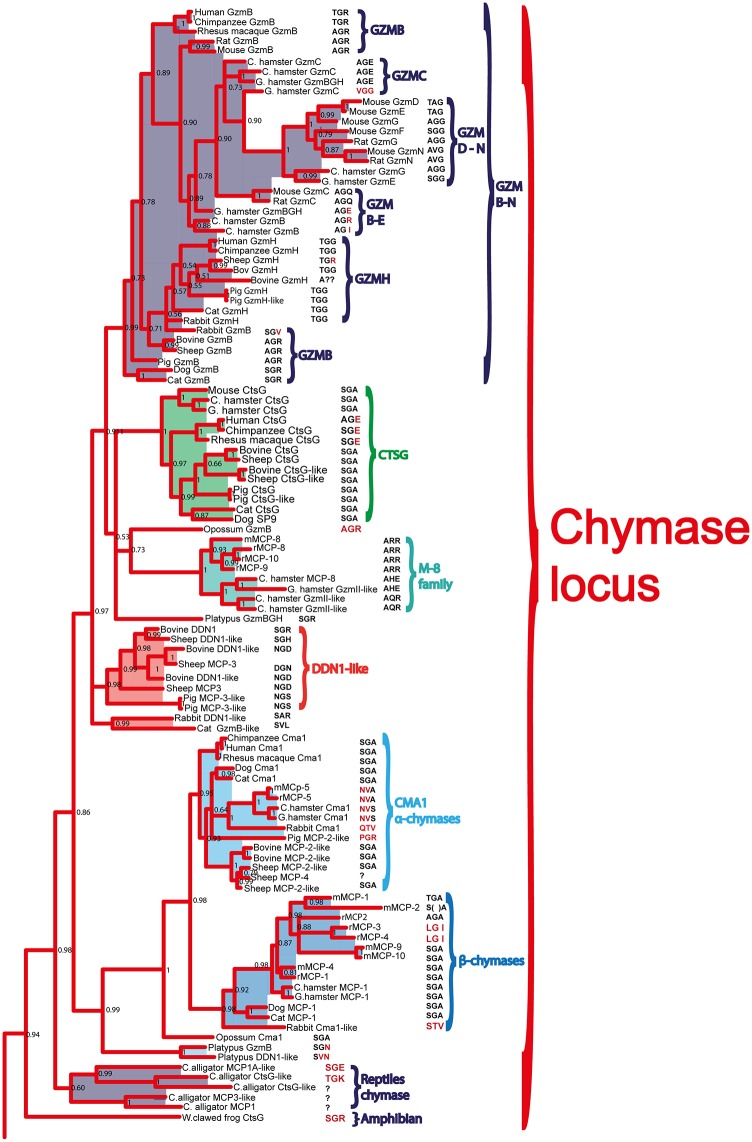
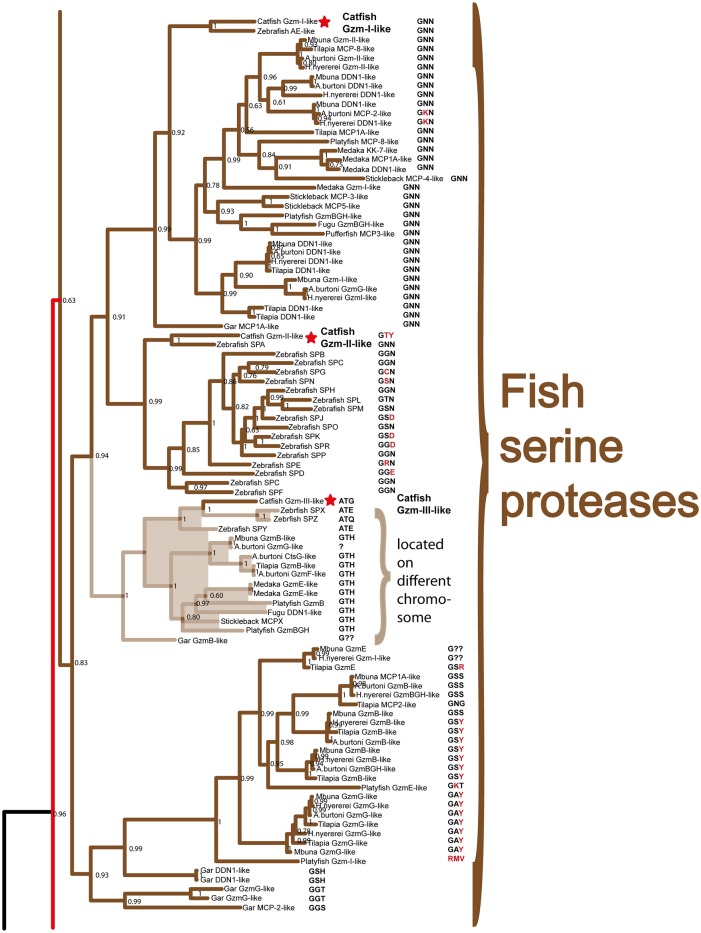
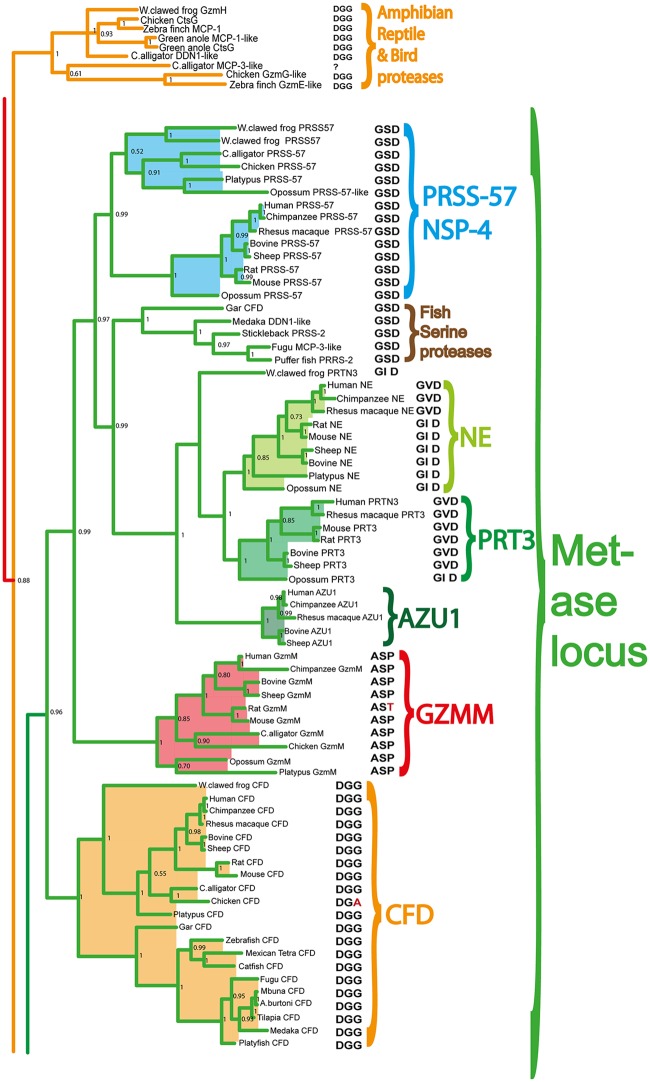
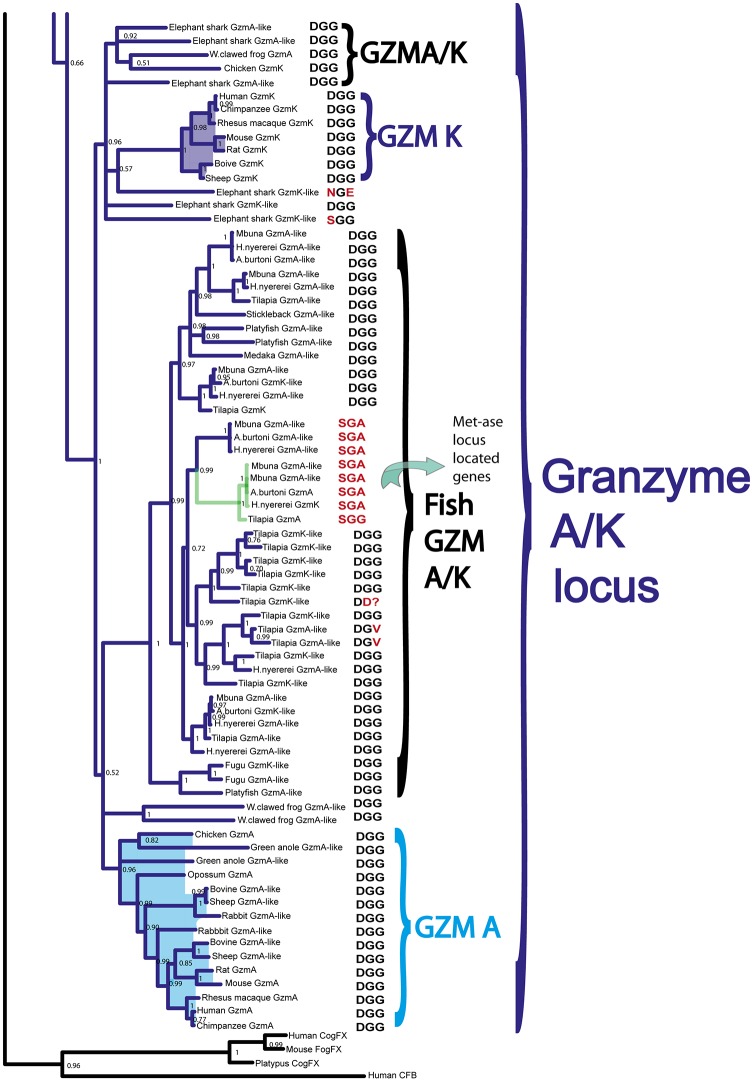
Serine proteases are among the most abundant granule constituents of several hematopoietic cell lineages including mast cells, neutrophils, cytotoxic T cells and NK cells. These proteases are stored in their active form in the cytoplasmic granules and in mammals are encoded from four different chromosomal loci: the chymase locus, the met-ase locus, the T cell tryptase and the mast cell tryptase locus. In order to study their appearance during vertebrate evolution we have performed a bioinformatic analysis of related genes and gene loci from a large panel of metazoan animals from sea urchins to placental mammals for three of these loci: the chymase, met-ase and granzyme A/K loci. Genes related to mammalian granzymes A and K were the most well conserved and could be traced as far back to cartilaginous fish. Here, the granzyme A and K genes were found in essentially the same chromosomal location from sharks to humans. However in sharks, no genes clearly identifiable as members of the chymase or met-ase loci were found. A selection of these genes seemed to appear with bony fish, but sometimes in other loci. Genes related to mammalian met-ase locus genes were found in bony fish. Here, the most well conserved member was complement factor D. However, genes distantly related to the neutrophil proteases were also identified in this locus in several bony fish species, indicating that this locus is also old and appeared at the base of bony fish. In fish, a few of the chymase locus-related genes were found in a locus with bordering genes other than the mammalian chymase locus and some were found in the fish met-ase locus. This indicates that a convergent evolution rather than divergent evolution has resulted in chymase locus-related genes in bony fish.
丝氨酸蛋白酶是几种造血细胞谱系中最丰富的颗粒成分之一,这些谱系包括肥大细胞、中性粒细胞、细胞毒性T细胞和自然杀伤细胞。这些蛋白酶以活性形式储存在细胞质颗粒中,在哺乳动物中由四个不同的染色体位点编码:糜酶位点、met酶位点、T细胞类胰蛋白酶和肥大细胞类胰蛋白酶位点。为了研究它们在脊椎动物进化过程中的出现情况,我们对从海胆到胎盘哺乳动物的一大类后生动物中与这些位点中的三个相关的基因和基因位点进行了生物信息学分析:糜酶、met酶和颗粒酶A/K位点。与哺乳动物颗粒酶A和K相关的基因是最保守的,并且可以追溯到软骨鱼。在这里,从鲨鱼到人类,颗粒酶A和K基因基本上位于相同的染色体位置。然而,在鲨鱼中,没有发现明确可鉴定为糜酶或met酶位点成员的基因。这些基因中的一部分似乎在硬骨鱼中出现,但有时位于其他位点。在硬骨鱼中发现了与哺乳动物met酶位点基因相关的基因。在这里,最保守的成员是补体因子D。然而,在几种硬骨鱼物种的这个位点中也鉴定出了与中性粒细胞蛋白酶远缘相关的基因,这表明这个位点也很古老,出现在硬骨鱼的基部。在鱼类中,一些与糜酶位点相关的基因在一个与哺乳动物糜酶位点不同的、有相邻基因的位点中被发现,还有一些在鱼类met酶位点中被发现。这表明在硬骨鱼中,是趋同进化而非分歧进化导致了与糜酶位点相关的基因。