Duong Jessica, Booth Sean C, McCartney Nathan K, Rabin Harvey R, Parkins Michael D, Storey Douglas G
Department of Biological Sciences, University of Calgary, Calgary, Alberta, Canada.
Department of Medicine, University of Calgary, Calgary, Alberta, Canada.
PLoS One. 2015 Nov 23;10(11):e0143466. doi: 10.1371/journal.pone.0143466. eCollection 2015.
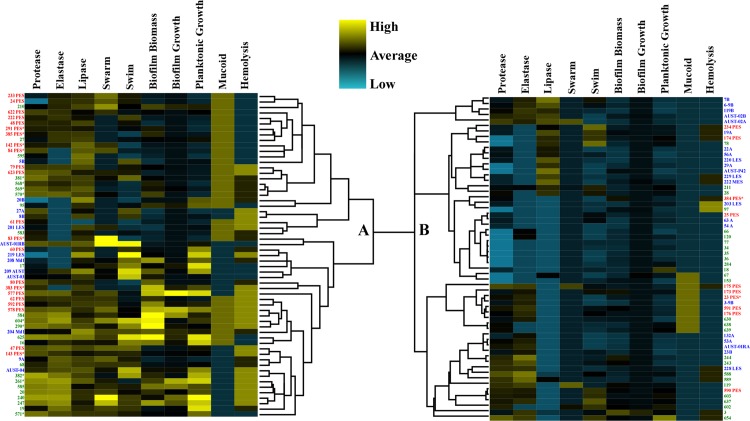
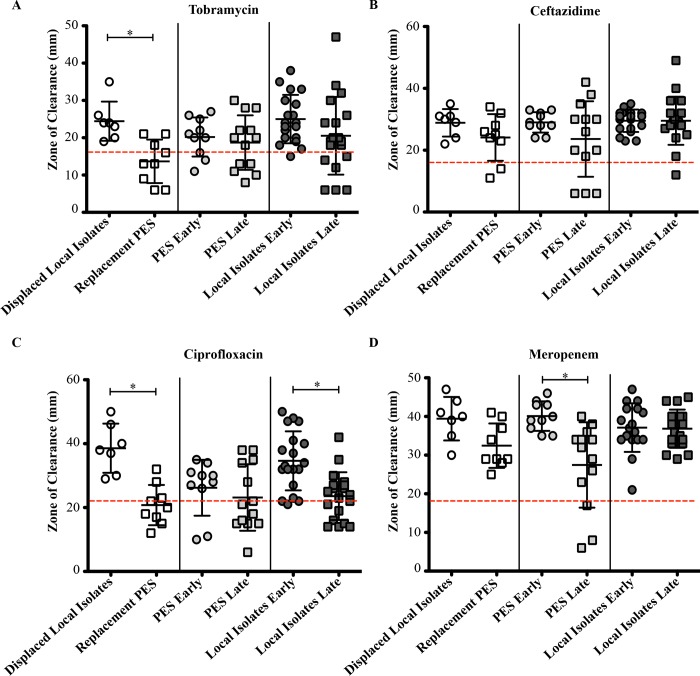
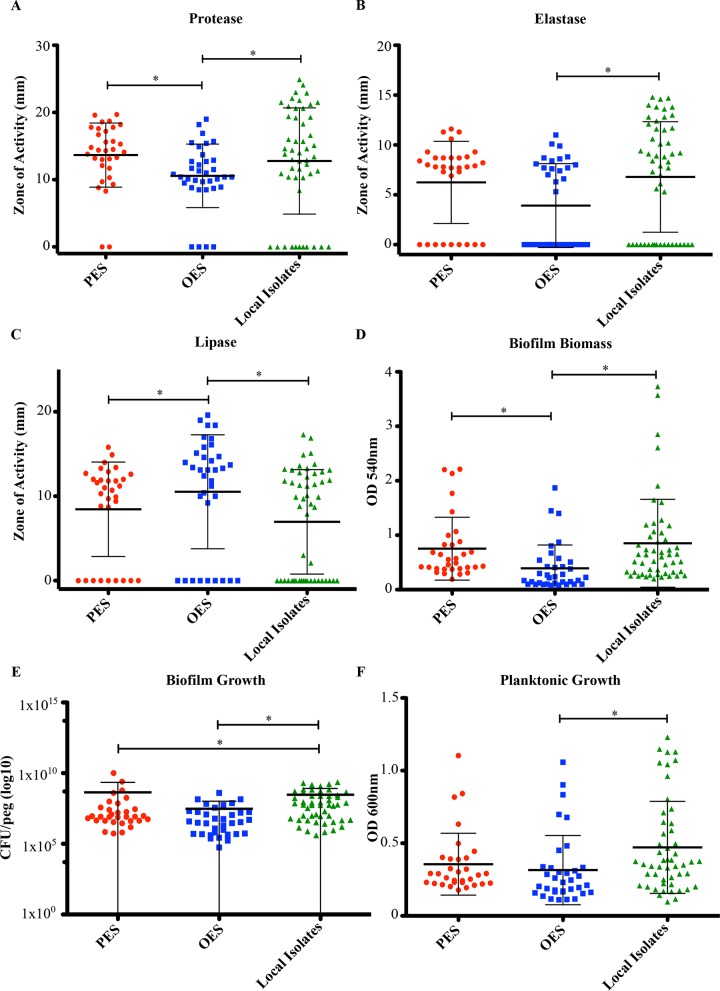
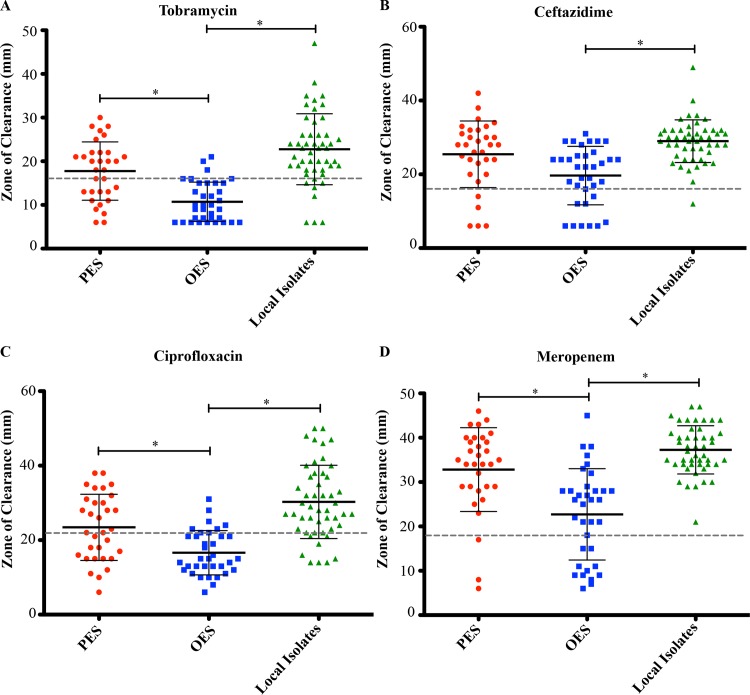
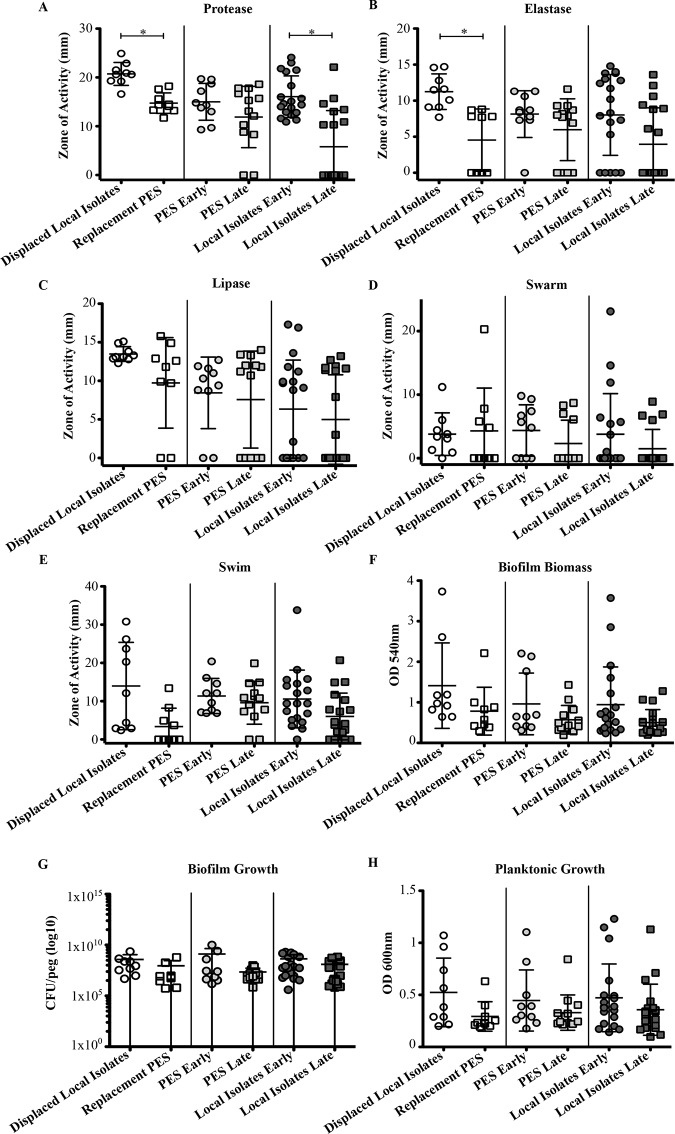
Epidemic strains of Pseudomonas aeruginosa have been found worldwide among the cystic fibrosis (CF) patient population. Using pulse-field gel electrophoresis, the Prairie Epidemic Strain (PES) has recently been found in one-third of patients attending the Calgary Adult CF Clinic in Canada. Using multi-locus sequence typing, PES isolates from unrelated patients were found to consistently have ST192. Though most patients acquired PES prior to enrolling in the clinic, some patients were observed to experience strain replacement upon transitioning to the clinic whereby local non-epidemic P. aeruginosa isolates were displaced by PES. Here we genotypically and phenotypically compared PES to other P. aeruginosa epidemic strains (OES) found around the world as well as local non-epidemic CF P. aeruginosa isolates in order to characterize PES. Since some epidemic strains are associated with worse clinical outcomes, we assessed the pathogenic potential of PES to determine if these isolates are virulent, shared properties with OES, and if its phenotypic properties may offer a competitive advantage in displacing local non-epidemic isolates during strain replacement. As such, we conducted a comparative analysis using fourteen phenotypic traits, including virulence factor production, biofilm formation, planktonic growth, mucoidy, and antibiotic susceptibility to characterize PES, OES, and local non-epidemic isolates. We observed that PES and OES could be differentiated from local non-epidemic isolates based on biofilm growth with PES isolates being more mucoid. Pairwise comparisons indicated that PES produced significantly higher levels of proteases and formed better biofilms than OES but were more susceptible to antibiotic treatment. Amongst five patients experiencing strain replacement, we found that super-infecting PES produced lower levels of proteases and elastases but were more resistant to antibiotics compared to the displaced non-epidemic isolates. This comparative analysis is the first to be completed on a large scale between groups of epidemic and non-epidemic CF P. aeruginosa isolates.
在全球范围内,囊性纤维化(CF)患者群体中均发现了铜绿假单胞菌的流行菌株。使用脉冲场凝胶电泳,最近在加拿大卡尔加里成人CF诊所就诊的三分之一患者中发现了草原流行菌株(PES)。通过多位点序列分型,发现来自无关患者的PES分离株始终具有ST192。尽管大多数患者在进入诊所之前就已感染PES,但观察到一些患者在转入诊所后出现菌株替代,即当地非流行的铜绿假单胞菌分离株被PES取代。在此,我们对PES与世界各地发现的其他铜绿假单胞菌流行菌株(OES)以及当地非流行的CF铜绿假单胞菌分离株进行了基因分型和表型比较,以对PES进行特征描述。由于一些流行菌株与更差的临床结果相关,我们评估了PES的致病潜力,以确定这些分离株是否具有毒性、与OES是否具有共同特性,以及其表型特性在菌株替代过程中取代当地非流行分离株时是否可能提供竞争优势。因此,我们使用14种表型特征进行了比较分析,包括毒力因子产生、生物膜形成、浮游生长、黏液样性以及对抗生素的敏感性,以对PES、OES和当地非流行分离株进行特征描述。我们观察到,基于生物膜生长情况,PES和OES可与当地非流行分离株区分开来,PES分离株更具黏液样性。成对比较表明,PES产生的蛋白酶水平显著高于OES,形成的生物膜也更好,但对抗生素治疗更敏感。在5例经历菌株替代的患者中,我们发现,与被取代的非流行分离株相比,超级感染的PES产生的蛋白酶和弹性蛋白酶水平较低,但对抗生素更具抗性。这种比较分析是首次在大量流行和非流行的CF铜绿假单胞菌分离株组之间完成的。