• 文献检索
  • 文档翻译
  • 深度研究
  • 学术资讯
  • Suppr Zotero 插件Zotero 插件
  • 邀请有礼
  • 套餐&价格
  • 历史记录
应用&插件
Suppr Zotero 插件Zotero 插件浏览器插件Mac 客户端Windows 客户端微信小程序
定价
高级版会员购买积分包购买API积分包
服务
文献检索文档翻译深度研究API 文档MCP 服务
关于我们
关于 Suppr公司介绍联系我们用户协议隐私条款
关注我们

Suppr 超能文献

核心技术专利:CN118964589B侵权必究
粤ICP备2023148730 号-1Suppr @ 2026

文献检索

告别复杂PubMed语法,用中文像聊天一样搜索,搜遍4000万医学文献。AI智能推荐,让科研检索更轻松。

立即免费搜索

文件翻译

保留排版,准确专业,支持PDF/Word/PPT等文件格式,支持 12+语言互译。

免费翻译文档

深度研究

AI帮你快速写综述,25分钟生成高质量综述,智能提取关键信息,辅助科研写作。

立即免费体验

增材制造奥氏体不锈钢的力学性能

Mechanical Properties of Austenitic Stainless Steel Made by Additive Manufacturing.

作者信息

Luecke William E, Slotwinski John A

机构信息

National Institute of Standards and Technology, Gaithersburg, MD 20899.

出版信息

J Res Natl Inst Stand Technol. 2014 Oct 10;119:398-418. doi: 10.6028/jres.119.015. eCollection 2014.

DOI:10.6028/jres.119.015
PMID:26601037
原文链接:https://pmc.ncbi.nlm.nih.gov/articles/PMC4487277/
Abstract

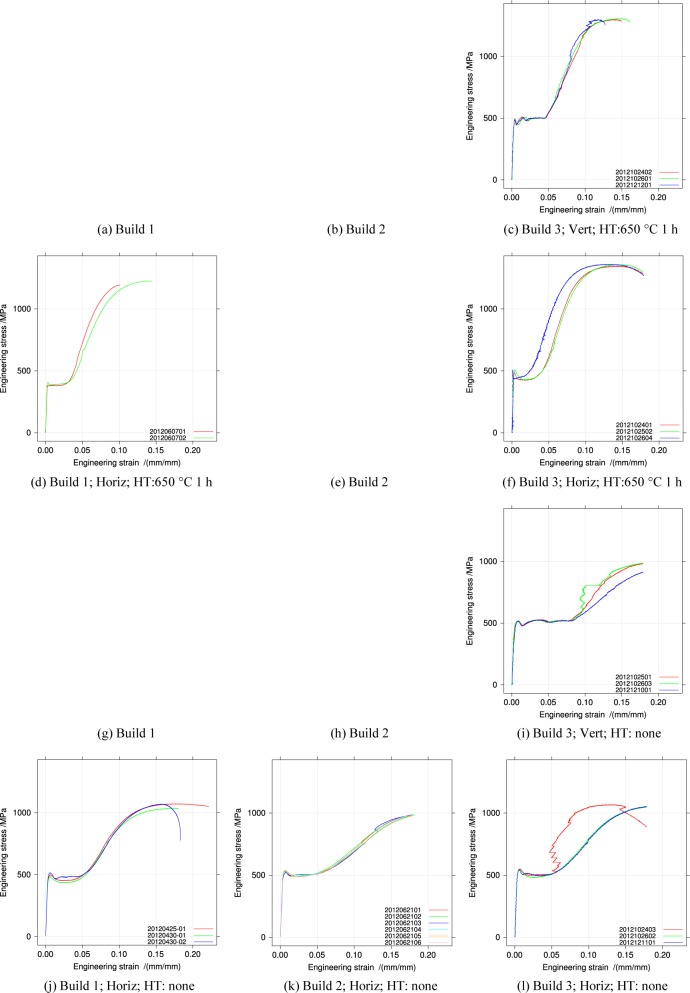
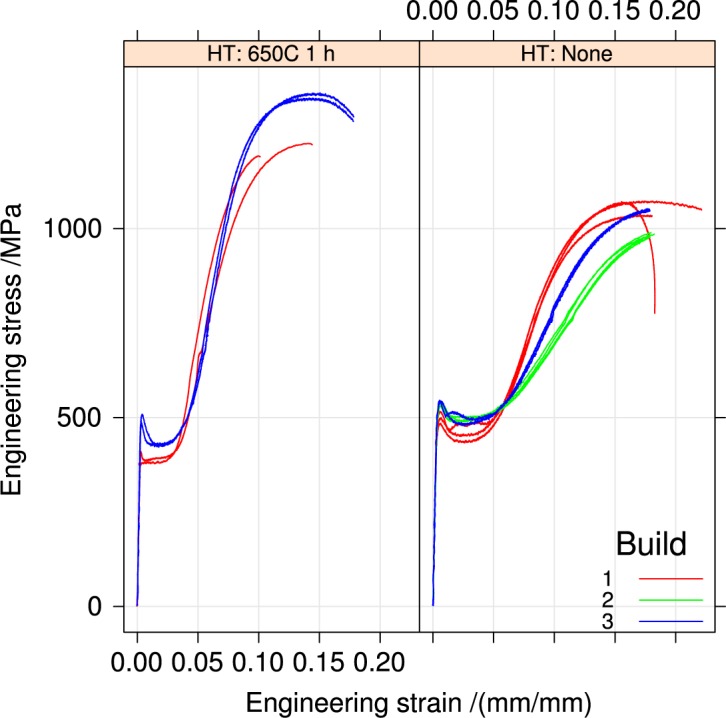
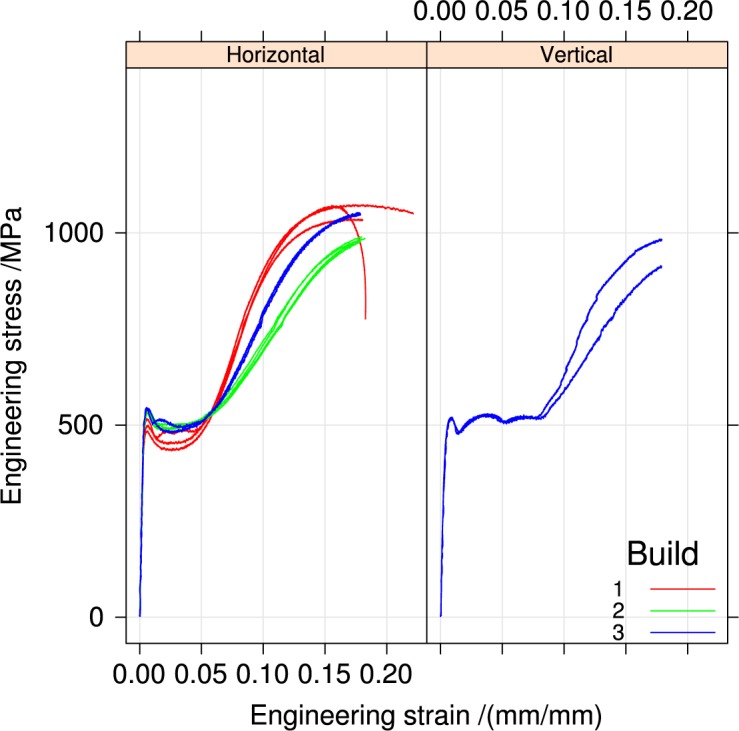
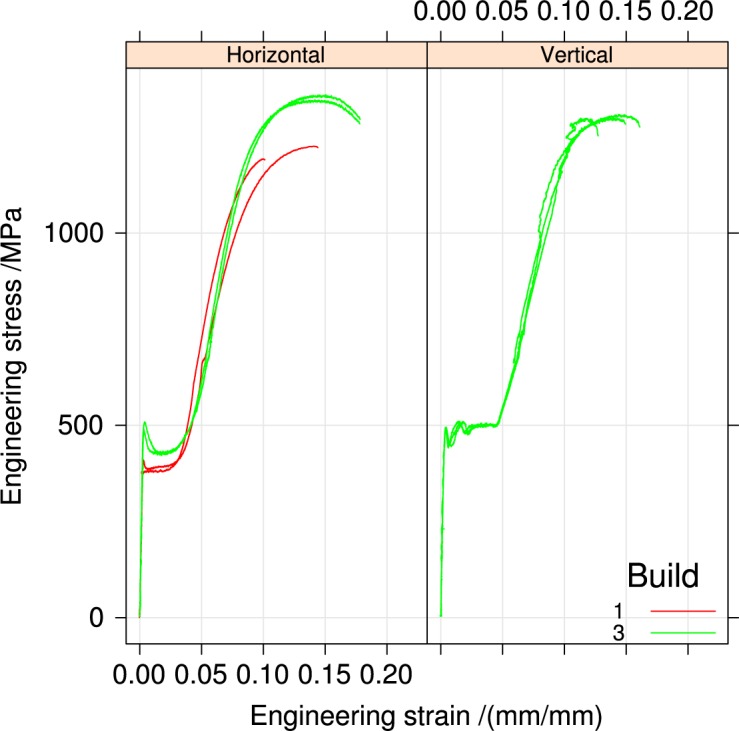
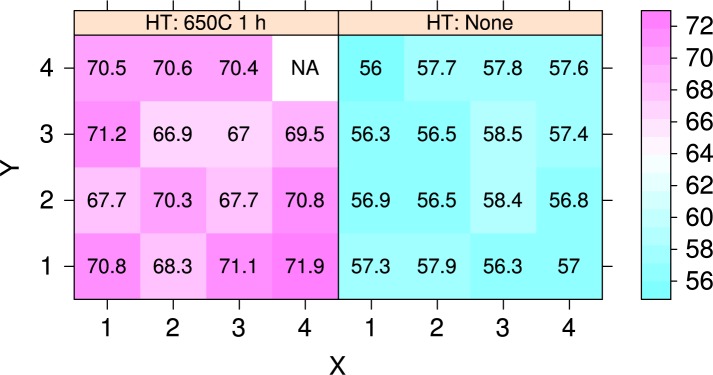
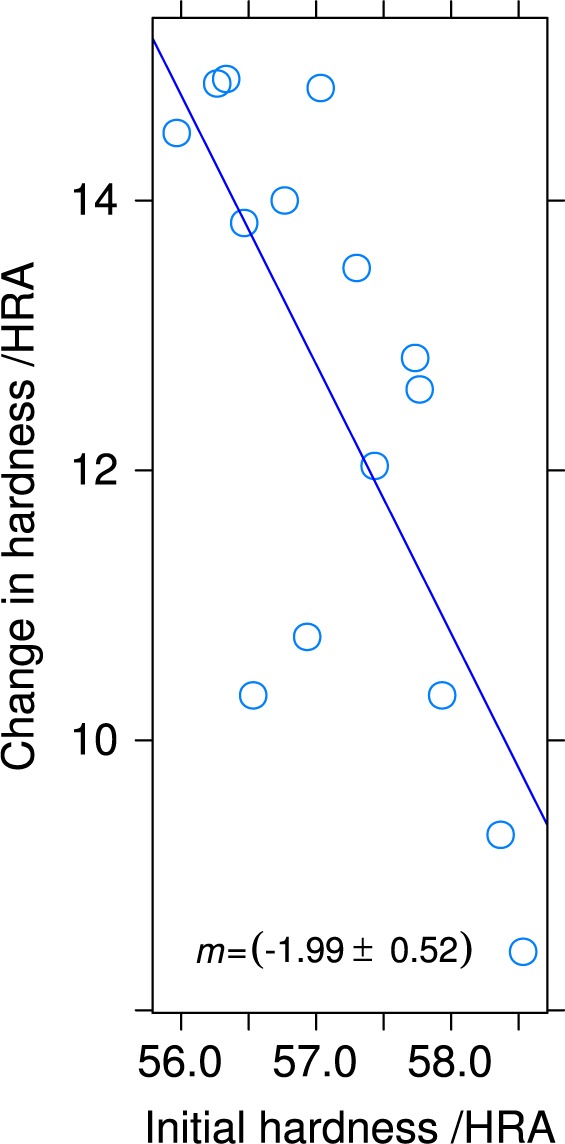
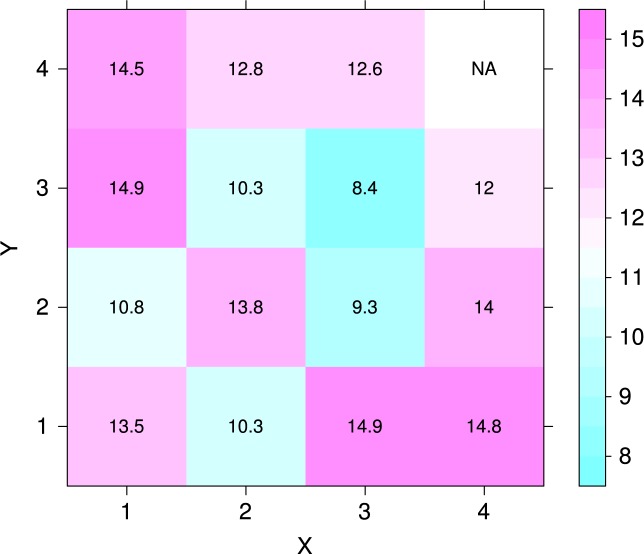
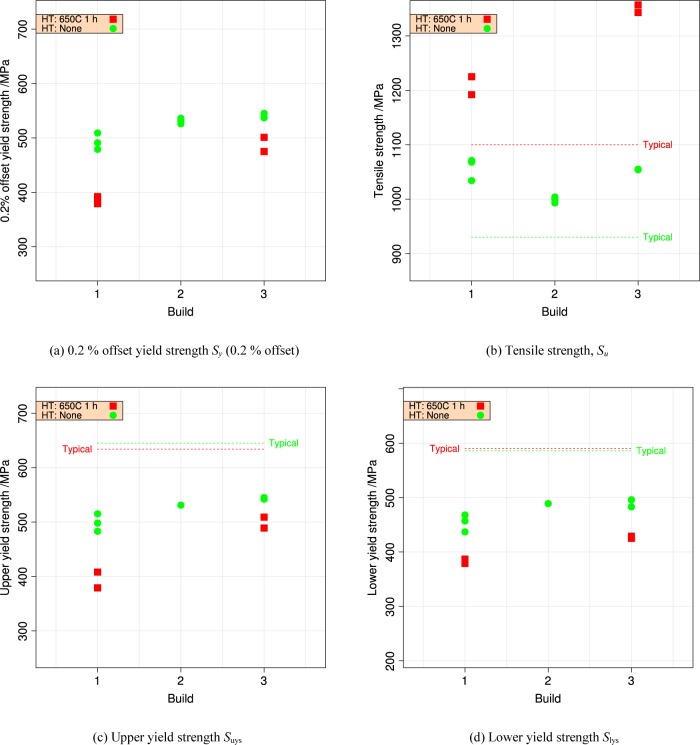
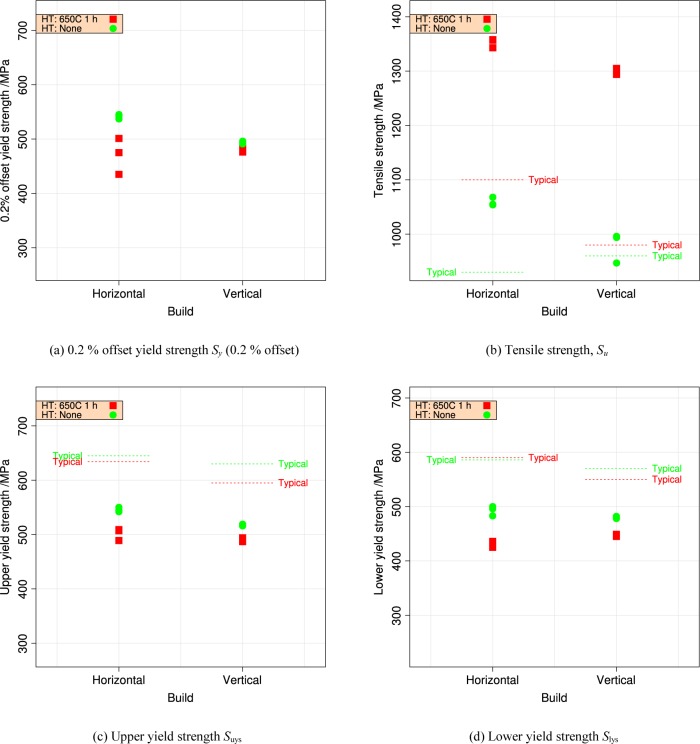
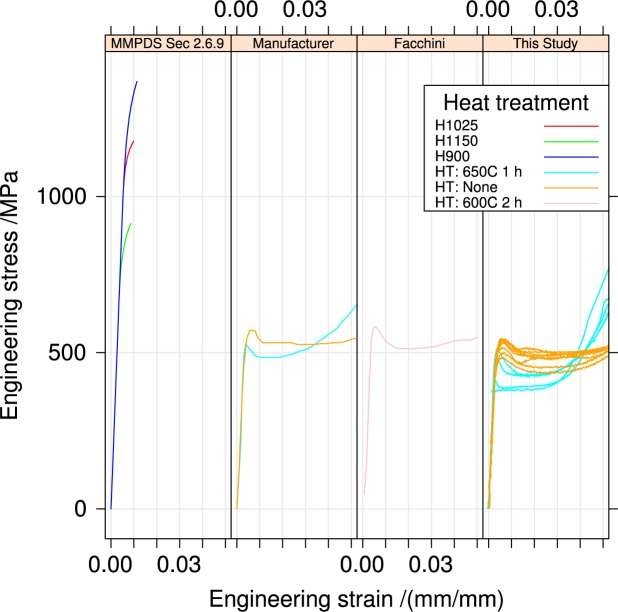
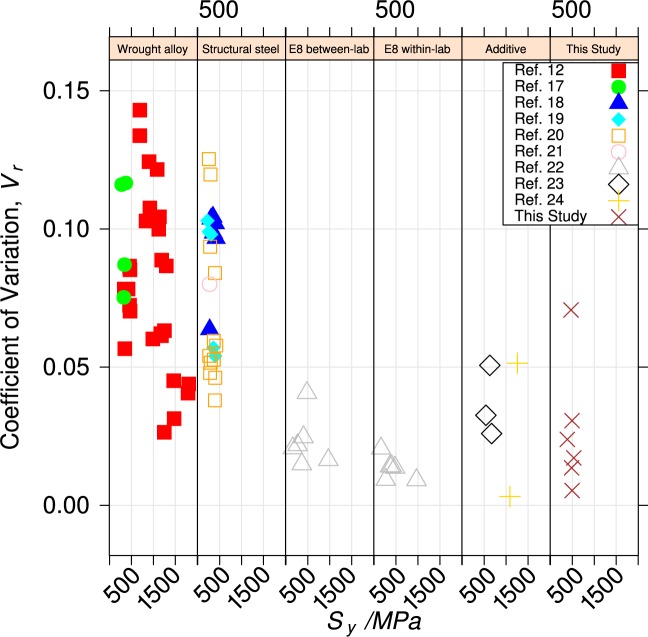
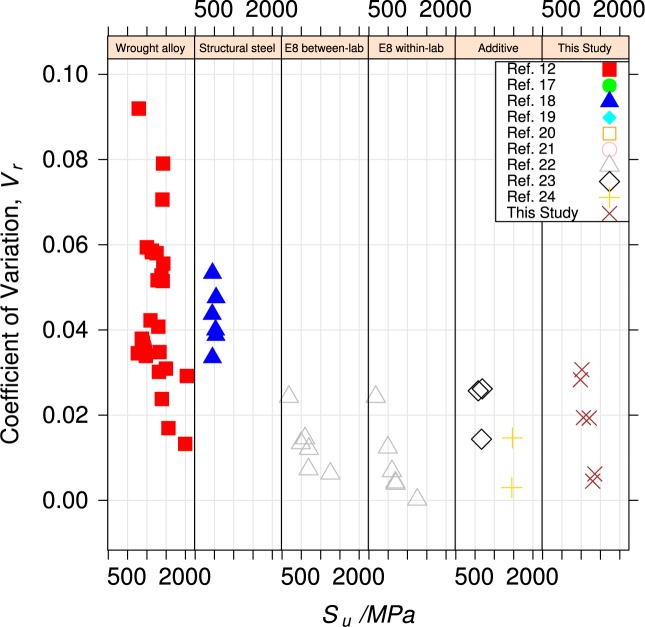
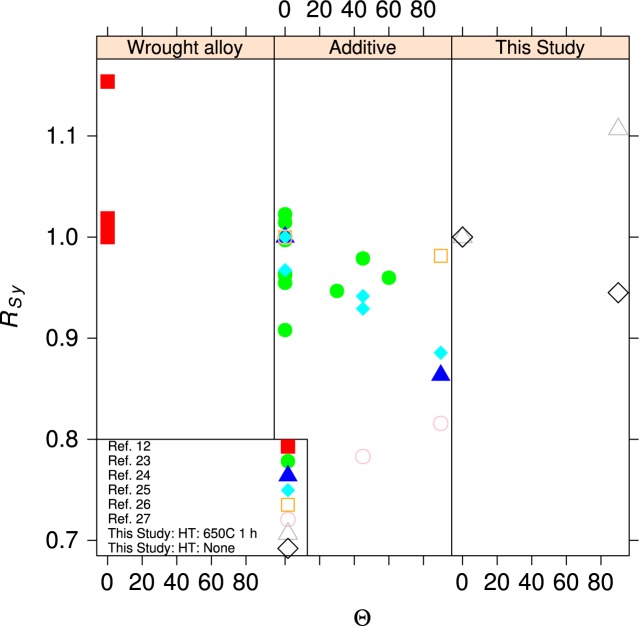
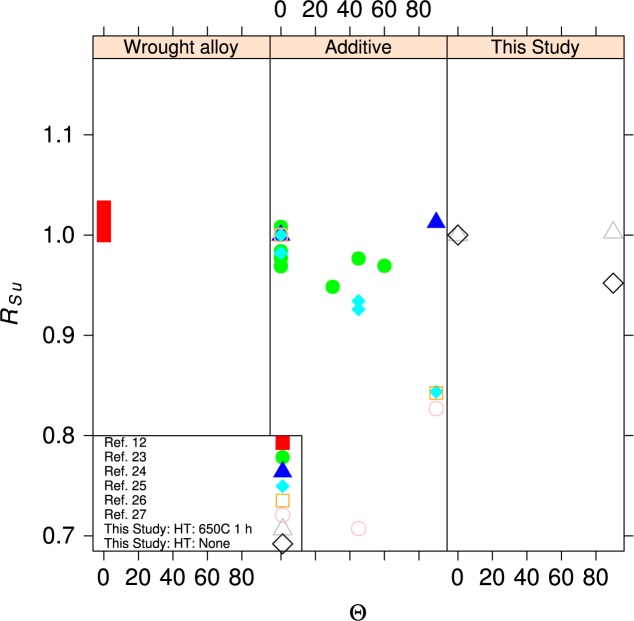
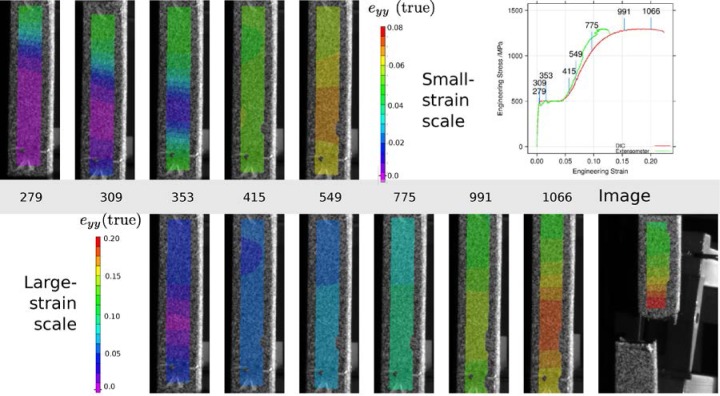
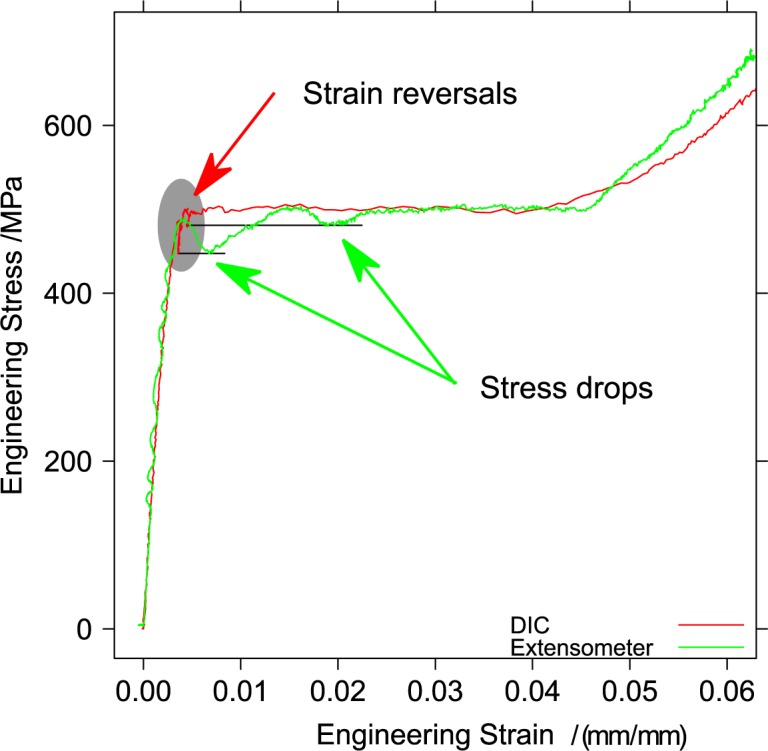
Using uniaxial tensile and hardness testing, we evaluated the variability and anisotropy of the mechanical properties of an austenitic stainless steel, UNS S17400, manufactured by an additive process, selective laser melting. Like wrought materials, the mechanical properties depend on the orientation introduced by the processing. The recommended stress-relief heat treatment increases the tensile strength, reduces the yield strength, and decreases the extent of the discontinuous yielding. The mechanical properties, assessed by hardness, are very uniform across the build plate, but the stress-relief heat treatment introduced a small non-uniformity that had no correlation to position on the build plate. Analysis of the mechanical property behavior resulted in four conclusions. (1) The within-build and build-to-build tensile properties of the UNS S17400 stainless steel are less repeatable than mature engineering structural alloys, but similar to other structural alloys made by additive manufacturing. (2) The anisotropy of the mechanical properties of the UNS S17400 material of this study is larger than that of mature structural alloys, but is similar to other structural alloys made by additive manufacturing. (3) The tensile mechanical properties of the UNS S17400 material fabricated by selective laser melting are very different from those of wrought, heat-treated 17-4PH stainless steel. (4) The large discontinuous yielding strain in all tests resulted from the formation and propagation of Lüders bands.

摘要

通过单轴拉伸和硬度测试,我们评估了采用增材制造工艺(选择性激光熔化)制造的奥氏体不锈钢UNS S17400的力学性能的变异性和各向异性。与锻造材料一样,力学性能取决于加工过程中引入的取向。推荐的消除应力热处理可提高抗拉强度、降低屈服强度并减小不连续屈服的程度。通过硬度评估的力学性能在整个成型板上非常均匀,但消除应力热处理引入了一个与成型板上位置无关的小不均匀性。对力学性能行为的分析得出了四个结论。(1)UNS S17400不锈钢在成型内部和不同成型之间的拉伸性能比成熟的工程结构合金更不可重复,但与通过增材制造制成的其他结构合金相似。((2)本研究中UNS S17400材料力学性能的各向异性大于成熟结构合金,但与通过增材制造制成的其他结构合金相似。(3)通过选择性激光熔化制造的UNS S17400材料的拉伸力学性能与锻造、热处理的17-4PH不锈钢有很大不同。(4)所有测试中较大的不连续屈服应变是由吕德斯带的形成和扩展引起的。
https://cdn.ncbi.nlm.nih.gov/pmc/blobs/43e3/4487277/3f7025b8b281/jres.119.015f19.jpg
https://cdn.ncbi.nlm.nih.gov/pmc/blobs/43e3/4487277/9690f3717381/jres.119.015f1.jpg
https://cdn.ncbi.nlm.nih.gov/pmc/blobs/43e3/4487277/5574b3b0296c/jres.119.015f2.jpg
https://cdn.ncbi.nlm.nih.gov/pmc/blobs/43e3/4487277/0c1bef41191f/jres.119.015f3.jpg
https://cdn.ncbi.nlm.nih.gov/pmc/blobs/43e3/4487277/56f734f8d623/jres.119.015f4.jpg
https://cdn.ncbi.nlm.nih.gov/pmc/blobs/43e3/4487277/0e7285407cea/jres.119.015f5.jpg
https://cdn.ncbi.nlm.nih.gov/pmc/blobs/43e3/4487277/2497b09d67de/jres.119.015f6.jpg
https://cdn.ncbi.nlm.nih.gov/pmc/blobs/43e3/4487277/19a6c0c61157/jres.119.015f7.jpg
https://cdn.ncbi.nlm.nih.gov/pmc/blobs/43e3/4487277/6aa40502e3c6/jres.119.015f8.jpg
https://cdn.ncbi.nlm.nih.gov/pmc/blobs/43e3/4487277/f94f16a75d6d/jres.119.015f9.jpg
https://cdn.ncbi.nlm.nih.gov/pmc/blobs/43e3/4487277/a1ced92d99fa/jres.119.015f10.jpg
https://cdn.ncbi.nlm.nih.gov/pmc/blobs/43e3/4487277/9b6553d39bab/jres.119.015f11.jpg
https://cdn.ncbi.nlm.nih.gov/pmc/blobs/43e3/4487277/54d7b8338dd2/jres.119.015f12.jpg
https://cdn.ncbi.nlm.nih.gov/pmc/blobs/43e3/4487277/620d74468e5e/jres.119.015f13.jpg
https://cdn.ncbi.nlm.nih.gov/pmc/blobs/43e3/4487277/8ef8b466b23c/jres.119.015f14.jpg
https://cdn.ncbi.nlm.nih.gov/pmc/blobs/43e3/4487277/fe27a1b7fc2f/jres.119.015f15.jpg
https://cdn.ncbi.nlm.nih.gov/pmc/blobs/43e3/4487277/33f306222acb/jres.119.015f16.jpg
https://cdn.ncbi.nlm.nih.gov/pmc/blobs/43e3/4487277/9097ec4a23b0/jres.119.015f17.jpg
https://cdn.ncbi.nlm.nih.gov/pmc/blobs/43e3/4487277/6bc80235790f/jres.119.015f18.jpg
https://cdn.ncbi.nlm.nih.gov/pmc/blobs/43e3/4487277/3f7025b8b281/jres.119.015f19.jpg
https://cdn.ncbi.nlm.nih.gov/pmc/blobs/43e3/4487277/9690f3717381/jres.119.015f1.jpg
https://cdn.ncbi.nlm.nih.gov/pmc/blobs/43e3/4487277/5574b3b0296c/jres.119.015f2.jpg
https://cdn.ncbi.nlm.nih.gov/pmc/blobs/43e3/4487277/0c1bef41191f/jres.119.015f3.jpg
https://cdn.ncbi.nlm.nih.gov/pmc/blobs/43e3/4487277/56f734f8d623/jres.119.015f4.jpg
https://cdn.ncbi.nlm.nih.gov/pmc/blobs/43e3/4487277/0e7285407cea/jres.119.015f5.jpg
https://cdn.ncbi.nlm.nih.gov/pmc/blobs/43e3/4487277/2497b09d67de/jres.119.015f6.jpg
https://cdn.ncbi.nlm.nih.gov/pmc/blobs/43e3/4487277/19a6c0c61157/jres.119.015f7.jpg
https://cdn.ncbi.nlm.nih.gov/pmc/blobs/43e3/4487277/6aa40502e3c6/jres.119.015f8.jpg
https://cdn.ncbi.nlm.nih.gov/pmc/blobs/43e3/4487277/f94f16a75d6d/jres.119.015f9.jpg
https://cdn.ncbi.nlm.nih.gov/pmc/blobs/43e3/4487277/a1ced92d99fa/jres.119.015f10.jpg
https://cdn.ncbi.nlm.nih.gov/pmc/blobs/43e3/4487277/9b6553d39bab/jres.119.015f11.jpg
https://cdn.ncbi.nlm.nih.gov/pmc/blobs/43e3/4487277/54d7b8338dd2/jres.119.015f12.jpg
https://cdn.ncbi.nlm.nih.gov/pmc/blobs/43e3/4487277/620d74468e5e/jres.119.015f13.jpg
https://cdn.ncbi.nlm.nih.gov/pmc/blobs/43e3/4487277/8ef8b466b23c/jres.119.015f14.jpg
https://cdn.ncbi.nlm.nih.gov/pmc/blobs/43e3/4487277/fe27a1b7fc2f/jres.119.015f15.jpg
https://cdn.ncbi.nlm.nih.gov/pmc/blobs/43e3/4487277/33f306222acb/jres.119.015f16.jpg
https://cdn.ncbi.nlm.nih.gov/pmc/blobs/43e3/4487277/9097ec4a23b0/jres.119.015f17.jpg
https://cdn.ncbi.nlm.nih.gov/pmc/blobs/43e3/4487277/6bc80235790f/jres.119.015f18.jpg
https://cdn.ncbi.nlm.nih.gov/pmc/blobs/43e3/4487277/3f7025b8b281/jres.119.015f19.jpg

相似文献

1
Mechanical Properties of Austenitic Stainless Steel Made by Additive Manufacturing.增材制造奥氏体不锈钢的力学性能
J Res Natl Inst Stand Technol. 2014 Oct 10;119:398-418. doi: 10.6028/jres.119.015. eCollection 2014.
2
Effect of Phase Transformation on Stress Corrosion Behavior of Additively Manufactured Austenitic Stainless Steel Produced by Directed Energy Deposition.相变对直接能量沉积增材制造奥氏体不锈钢应力腐蚀行为的影响。
Materials (Basel). 2020 Dec 24;14(1):55. doi: 10.3390/ma14010055.
3
Selective Laser Melting and Mechanical Properties of Stainless Steels.不锈钢的选择性激光熔化与力学性能
Materials (Basel). 2022 Oct 28;15(21):7575. doi: 10.3390/ma15217575.
4
Wire Arc Additive Manufactured Mild Steel and Austenitic Stainless Steel Components: Microstructure, Mechanical Properties and Residual Stresses.电弧增材制造的低碳钢和奥氏体不锈钢部件:微观结构、力学性能和残余应力
Materials (Basel). 2022 Oct 12;15(20):7094. doi: 10.3390/ma15207094.
5
Effect of nitrogen and cold working on structural and mechanical behavior of Ni-free nitrogen containing austenitic stainless steels for biomedical applications.无镍含氮奥氏体不锈钢的氮含量和冷加工对其结构和力学性能的影响及其在生物医学中的应用。
Mater Sci Eng C Mater Biol Appl. 2015 Feb;47:196-203. doi: 10.1016/j.msec.2014.10.078. Epub 2014 Oct 31.
6
Crack Growth Behavior of Additively Manufactured 316L Steel-Influence of Build Orientation and Heat Treatment.增材制造316L钢的裂纹扩展行为——构建方向和热处理的影响
Materials (Basel). 2020 Jul 22;13(15):3259. doi: 10.3390/ma13153259.
7
Effects of Build Direction on the Mechanical Properties of a Martensitic Stainless Steel Fabricated by Selective Laser Melting.构建方向对选择性激光熔化制备的马氏体不锈钢力学性能的影响
Materials (Basel). 2020 Nov 15;13(22):5142. doi: 10.3390/ma13225142.
8
Comparative Analysis of Mechanical Properties: Conventional vs. Additive Manufacturing for Stainless Steel 316L.力学性能的比较分析:316L不锈钢的传统制造与增材制造
Materials (Basel). 2024 Sep 29;17(19):4808. doi: 10.3390/ma17194808.
9
Comparison of Different Additive Manufacturing Methods for 316L Stainless Steel.316L不锈钢不同增材制造方法的比较
Materials (Basel). 2021 Oct 29;14(21):6504. doi: 10.3390/ma14216504.
10
Selective Laser Melting of Duplex Stainless Steel 2205: Effect of Post-Processing Heat Treatment on Microstructure, Mechanical Properties, and Corrosion Resistance.双相不锈钢2205的选择性激光熔化:后处理热处理对微观结构、力学性能和耐腐蚀性的影响。
Materials (Basel). 2019 Aug 2;12(15):2468. doi: 10.3390/ma12152468.

引用本文的文献

1
A Dynamic Tensile Method Using a Modified M-Typed Specimen Loaded by Split Hopkinson Pressure Bar.一种使用经改进的M型试样由分离式霍普金森压杆加载的动态拉伸方法。
Materials (Basel). 2025 Jan 2;18(1):149. doi: 10.3390/ma18010149.
2
Additive Manufacturing of 17-4 PH Stainless Steel: Post Processing Heat Treatment to Achieve Uniform Reproducible Microstructure.17-4 PH不锈钢的增材制造:进行后处理热处理以实现均匀且可重复的微观结构。
JOM (1989). 2016 Mar;68. doi: 10.1007/s11837-015-1754-4.
3
Formation of the NiNb δ-phase in stress-relieved Inconel 625 produced via laser powder-bed fusion additive manufacturing.

本文引用的文献

1
Characterization of Metal Powders Used for Additive Manufacturing.用于增材制造的金属粉末的表征
J Res Natl Inst Stand Technol. 2014 Sep 16;119:460-93. doi: 10.6028/jres.119.018. eCollection 2014.
2
The future of dental devices is digital.牙科器械的未来是数字化的。
Dent Mater. 2012 Jan;28(1):3-12. doi: 10.1016/j.dental.2011.10.014. Epub 2011 Nov 26.
通过激光粉末床熔融增材制造生产的应力消除型因科镍合金625中NiNb δ相的形成。
Metall Mater Trans A Phys Metall Mater Sci. 2017;48(11). doi: 10.1007/s11661-017-4304-6.
4
Precipitation and dissolution of and during heat treatment of a laser powder-bed fusion produced Ni-based superalloy.激光粉末床熔融制备的镍基高温合金在热处理过程中γ'相和γ相的析出与溶解
Scr Mater. 2018 Sep;154. doi: 10.1016/j.scriptamat.2018.05.025.
5
Nitrogen Effects in Additively Manufactured Martensitic Stainless Steels: Conventional Thermal Processing and Comparison with Wrought.增材制造马氏体不锈钢中的氮效应:传统热加工及与锻造材料的比较
Metall Mater Trans A Phys Metall Mater Sci. 2020 May;51(5). doi: 10.1007/s11661-020-05703-6.
6
The Characteristic Microstructures and Properties of Steel-Based Alloy via Additive Manufacturing.基于增材制造的钢基合金的微观组织与性能特征
Materials (Basel). 2023 Mar 28;16(7):2696. doi: 10.3390/ma16072696.
7
Understanding of Excellent Mechanical Performance of 304L Manufactured by Optimal Selective Laser Melting (SLM) Conditions.通过优化的选择性激光熔化(SLM)条件制造的304L的优异机械性能的理解。
Materials (Basel). 2023 Feb 16;16(4):1661. doi: 10.3390/ma16041661.
8
Investigation of the Effect of Artificial Internal Defects on the Tensile Behavior of Laser Powder Bed Fusion 17-4 Stainless Steel Samples: Simultaneous Tensile Testing and X-Ray Computed Tomography.人工内部缺陷对激光粉末床熔融17-4不锈钢样品拉伸行为影响的研究:同步拉伸试验与X射线计算机断层扫描
Exp Mech. 2020;60(7). doi: 10.1007/s11340-020-00604-6.
9
Strength Properties of 316L and 17-4 PH Stainless Steel Produced with Additive Manufacturing.增材制造生产的316L和17-4 PH不锈钢的强度性能
Materials (Basel). 2022 Sep 9;15(18):6278. doi: 10.3390/ma15186278.
10
Mechanical and Acoustic Properties of Alloys Used for Musical Instruments.乐器用合金的机械性能和声学性能。
Materials (Basel). 2022 Jul 26;15(15):5192. doi: 10.3390/ma15155192.