Tada Kohei, Kobayashi Masayuki, Takiuchi Yoko, Iwai Fumie, Sakamoto Takashi, Nagata Kayoko, Shinohara Masanobu, Io Katsuhiro, Shirakawa Kotaro, Hishizawa Masakatsu, Shindo Keisuke, Kadowaki Norimitsu, Hirota Kouji, Yamamoto Junpei, Iwai Shigenori, Sasanuma Hiroyuki, Takeda Shunichi, Takaori-Kondo Akifumi
Department of Hematology and Oncology, Graduate School of Medicine, Kyoto University, 54 Shogoin-kawaracho, Sakyo-ku, Kyoto 606-8507, Japan.
Department of Chemistry, Graduate School of Science and Engineering, Tokyo Metropolitan University, 1-1 Minami-Osawa, Hachioji-shi, Tokyo 192-0397, Japan.
Sci Adv. 2015 Apr 24;1(3):e1400203. doi: 10.1126/sciadv.1400203. eCollection 2015 Apr.
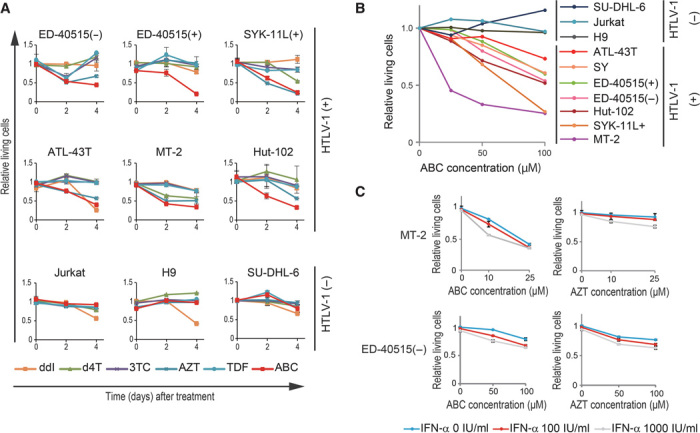
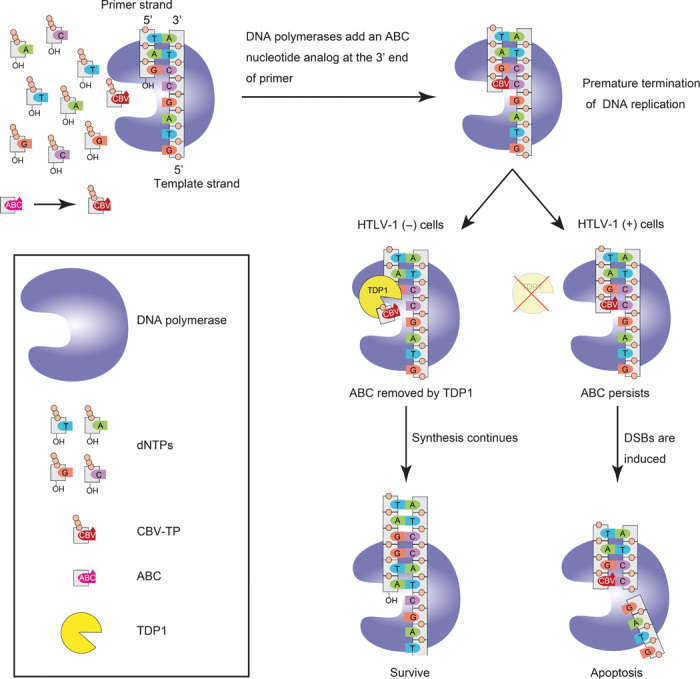
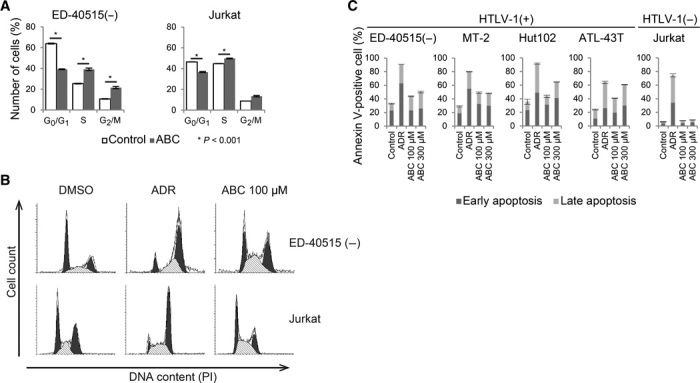
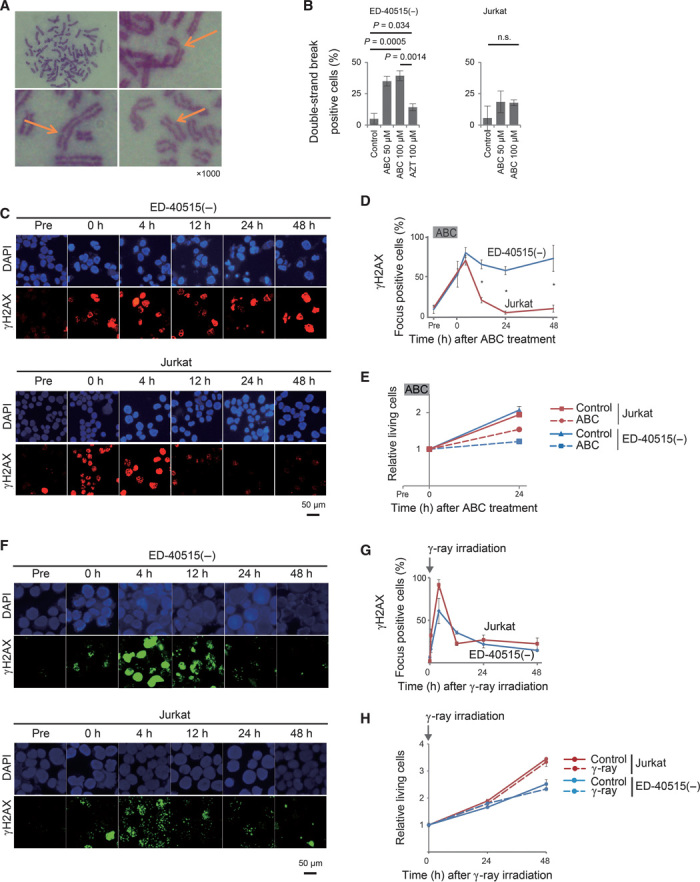
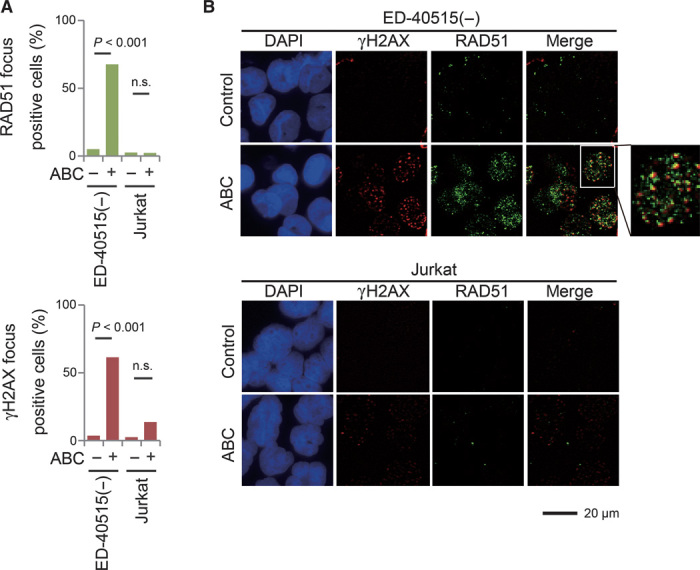
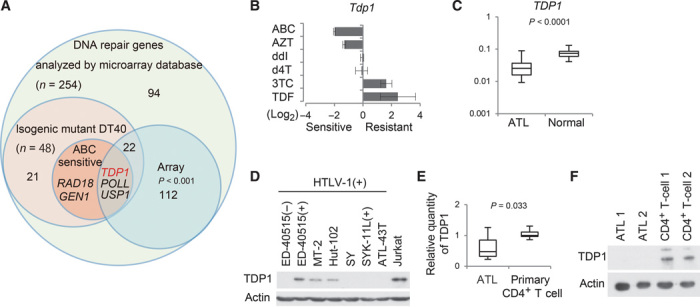
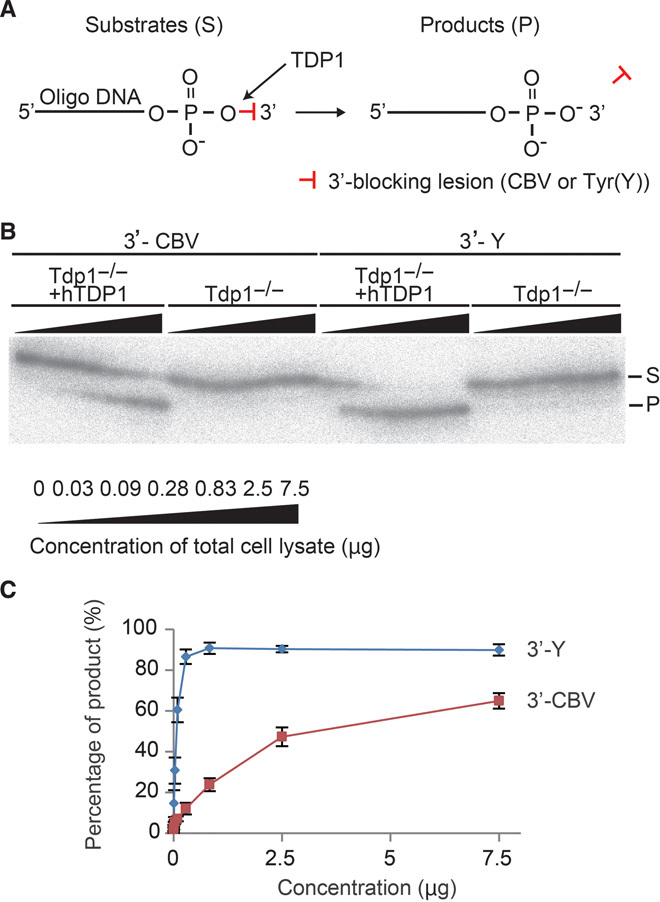
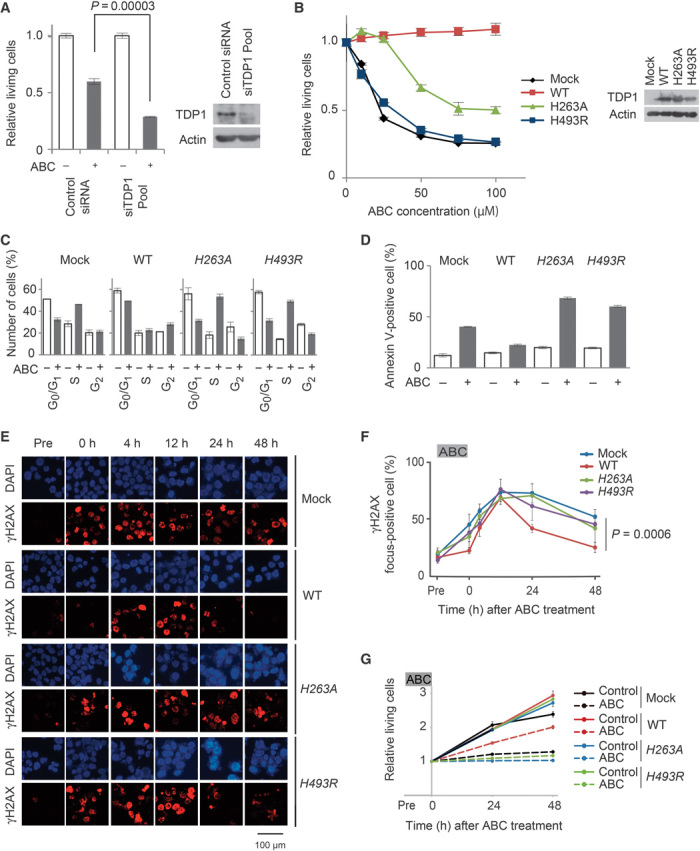
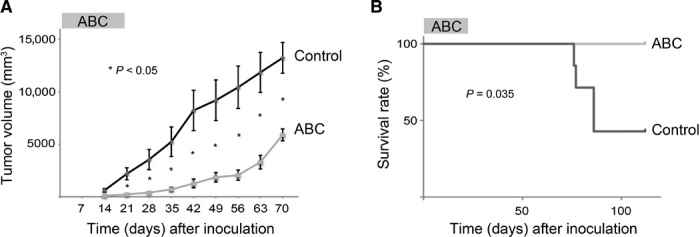
Adult T cell leukemia (ATL) is an aggressive T cell malignancy caused by human T cell leukemia virus type 1 (HTLV-1) and has a poor prognosis. We analyzed the cytotoxic effects of various nucleoside analog reverse transcriptase inhibitors (NRTIs) for HIV-1 on ATL cells and found that abacavir potently and selectively kills ATL cells. Although NRTIs have minimal genotoxicities on host cells, the therapeutic concentration of abacavir induced numerous DNA double-strand breaks (DSBs) in the chromosomal DNA of ATL cells. DSBs persisted over time in ATL cells but not in other cell lines, suggesting impaired DNA repair. We found that the reduced expression of tyrosyl-DNA phosphodiesterase 1 (TDP1), a repair enzyme, is attributable to the cytotoxic effect of abacavir on ATL cells. We also showed that TDP1 removes abacavir from DNA ends in vitro. These results suggest a model in which ATL cells with reduced TDP1 expression are unable to excise abacavir incorporated into genomic DNA, leading to irreparable DSBs. On the basis of the above mechanism, we propose abacavir as a promising chemotherapeutic agent for ATL.
成人T细胞白血病(ATL)是一种由1型人类T细胞白血病病毒(HTLV-1)引起的侵袭性T细胞恶性肿瘤,预后较差。我们分析了多种用于治疗HIV-1的核苷类似物逆转录酶抑制剂(NRTIs)对ATL细胞的细胞毒性作用,发现阿巴卡韦能有效且选择性地杀死ATL细胞。尽管NRTIs对宿主细胞的基因毒性极小,但阿巴卡韦的治疗浓度在ATL细胞的染色体DNA中诱导了大量DNA双链断裂(DSBs)。DSBs在ATL细胞中随时间持续存在,而在其他细胞系中则不然,这表明DNA修复受损。我们发现,作为一种修复酶的酪氨酰-DNA磷酸二酯酶1(TDP1)表达降低,是阿巴卡韦对ATL细胞产生细胞毒性作用的原因。我们还表明,TDP1在体外可从DNA末端去除阿巴卡韦。这些结果提示了一种模型,即TDP1表达降低的ATL细胞无法切除掺入基因组DNA中的阿巴卡韦,导致无法修复的DSBs。基于上述机制,我们提出阿巴卡韦作为一种有前景的ATL化疗药物。