Su Ran, Xiong Sijing, Zink Daniele, Loo Lit-Hsin
Bioinformatics Institute, 30 Biopolis Street, #07-01 Matrix, Singapore, 138671, Singapore.
Institute of Bioengineering and Nanotechnology, 31 Biopolis Way, The Nanos, Singapore, 138669, Singapore.
Arch Toxicol. 2016 Nov;90(11):2793-2808. doi: 10.1007/s00204-015-1638-y. Epub 2015 Nov 27.
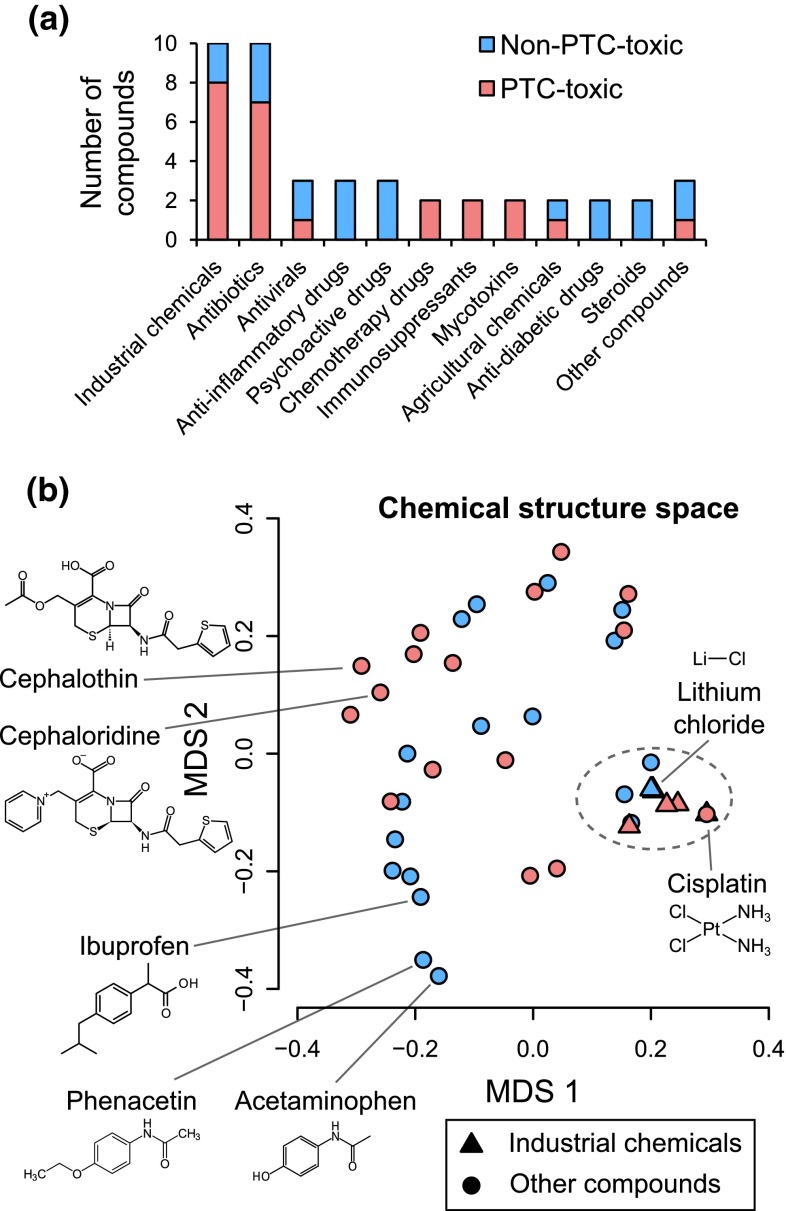
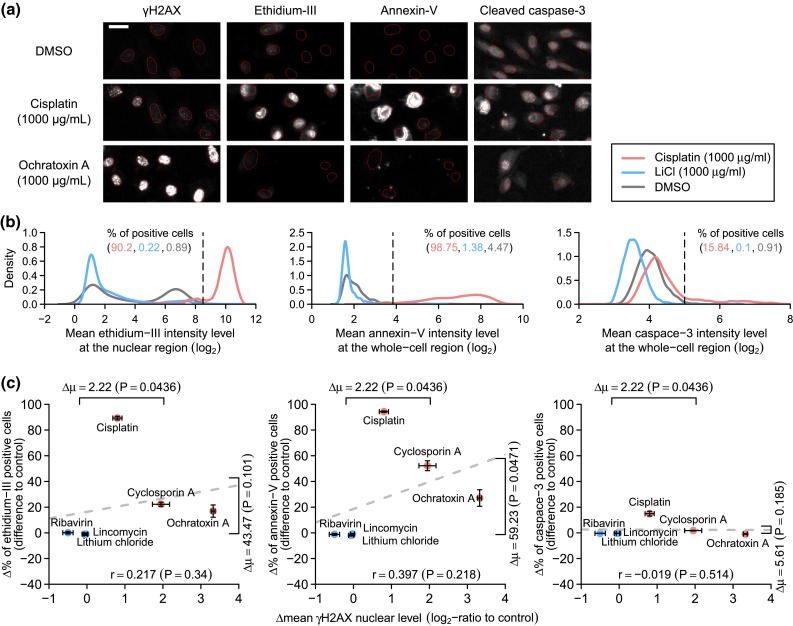
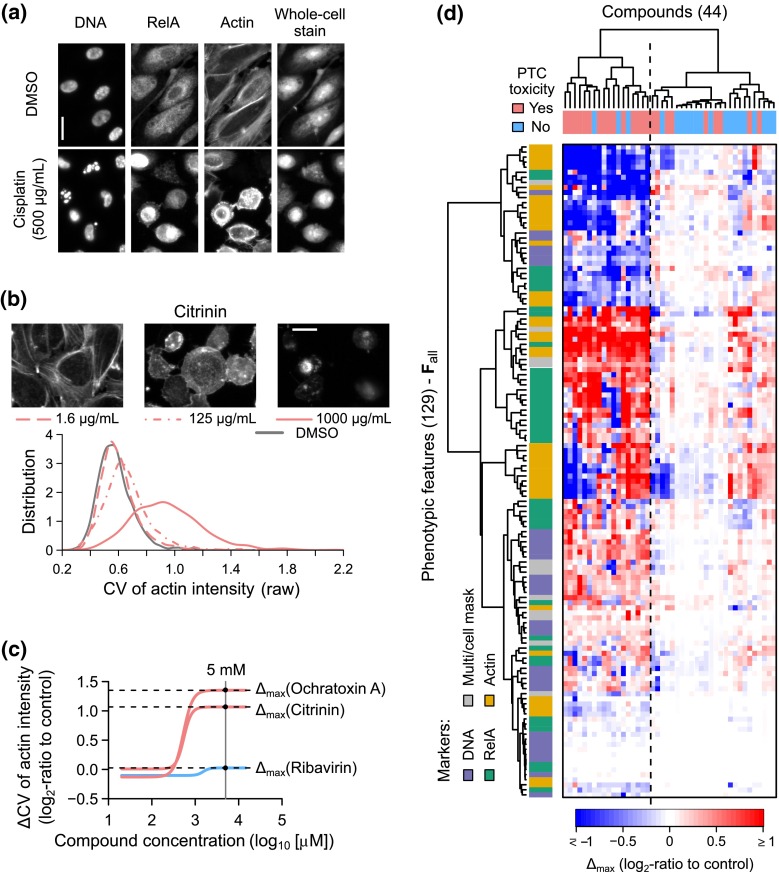
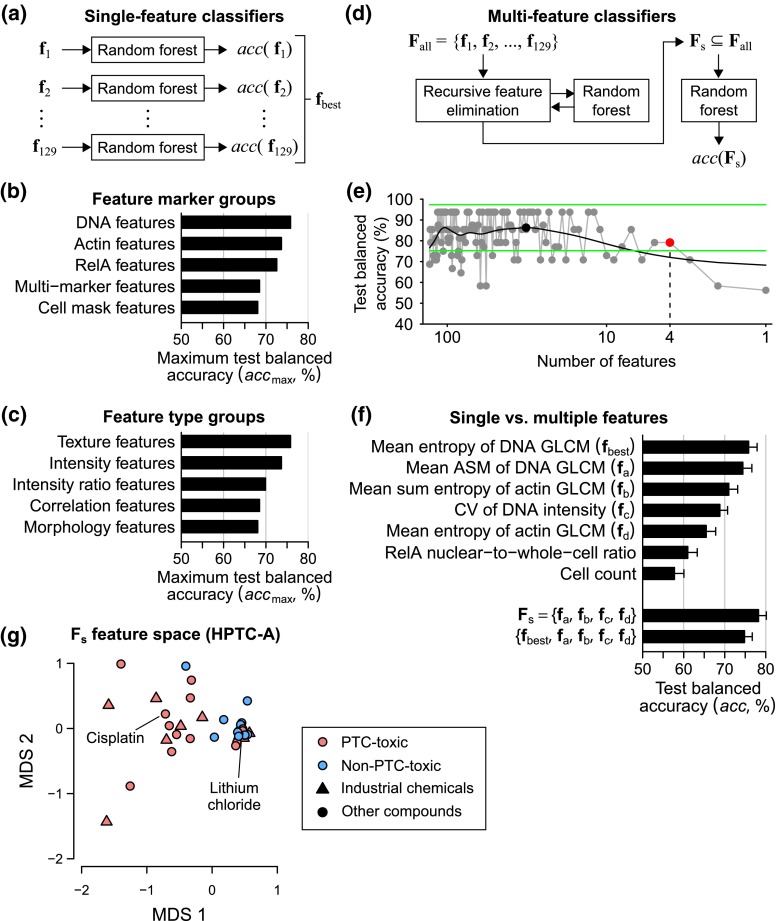
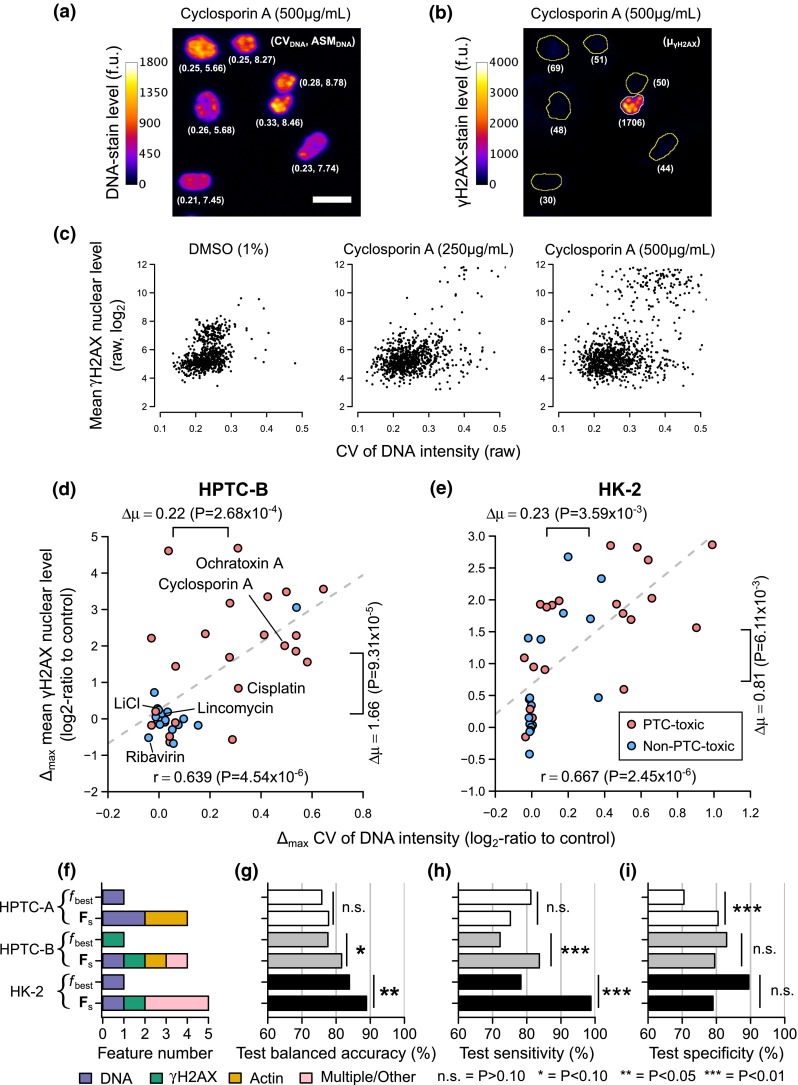
The kidney is a major target for xenobiotics, which include drugs, industrial chemicals, environmental toxicants and other compounds. Accurate methods for screening large numbers of potentially nephrotoxic xenobiotics with diverse chemical structures are currently not available. Here, we describe an approach for nephrotoxicity prediction that combines high-throughput imaging of cultured human renal proximal tubular cells (PTCs), quantitative phenotypic profiling, and machine learning methods. We automatically quantified 129 image-based phenotypic features, and identified chromatin and cytoskeletal features that can predict the human in vivo PTC toxicity of 44 reference compounds with ~82 % (primary PTCs) or 89 % (immortalized PTCs) test balanced accuracies. Surprisingly, our results also revealed that a DNA damage response is commonly induced by different PTC toxicants that have diverse chemical structures and injury mechanisms. Together, our results show that human nephrotoxicity can be predicted with high efficiency and accuracy by combining cell-based and computational methods that are suitable for automation.
肾脏是异生物素的主要作用靶点,异生物素包括药物、工业化学品、环境毒物及其他化合物。目前尚无准确的方法来筛选大量具有不同化学结构的潜在肾毒性异生物素。在此,我们描述了一种肾毒性预测方法,该方法结合了培养的人肾近端小管细胞(PTC)的高通量成像、定量表型分析和机器学习方法。我们自动量化了129个基于图像的表型特征,并识别出可预测44种参考化合物人源体内PTC毒性的染色质和细胞骨架特征,在原代PTC中测试平衡准确率约为82%,在永生化PTC中为89%。令人惊讶的是,我们的结果还表明,不同化学结构和损伤机制的PTC毒物通常会诱导DNA损伤反应。总之,我们的结果表明,通过结合适用于自动化的基于细胞和计算的方法,可以高效、准确地预测人类肾毒性。