Laboratory of DNA Viruses, Division of Viral Products, Center for Biologics Evaluations and Research, Food and Drug Administration, Silver Spring, MD, USA.
Laboratory of Respiratory Viral Diseases, Division of Viral Products, Center for Biologics Evaluations and Research, Food and Drug Administration, Silver Spring, MD, USA.
Influenza Other Respir Viruses. 2016 Mar;10(2):134-40. doi: 10.1111/irv.12365. Epub 2016 Jan 29.
The potency of inactivated influenza vaccines is determined using a single-radial immunodiffusion (SRID) assay and requires standardized reagents consisting of a Reference Antigen and an influenza strain-specific antiserum. Timely availability of reagents is a critical step in influenza vaccine production, and the need for backup approaches for reagent preparation is an important component of pandemic preparedness.
When novel H7N9 viruses emerged in China in 2013, candidate inactivated H7N9 influenza vaccines were developed for evaluation in clinical trials, and reagents were needed to measure vaccine potency.
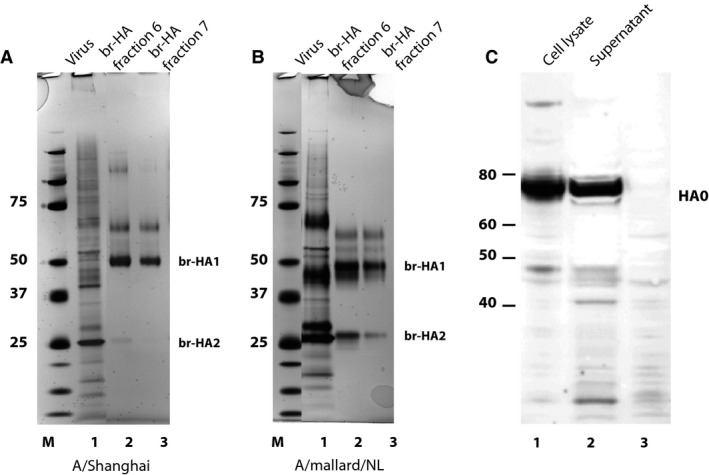
We previously described an alternative approach for generating strain-specific potency antisera, utilizing modified vaccinia virus Ankara vectors to produce influenza hemagglutinin (HA)-containing virus-like particles (VLPs) for immunization. Vector-produced HA antigen is not dependent upon the success of the traditional bromelain-digestion and HA purification.
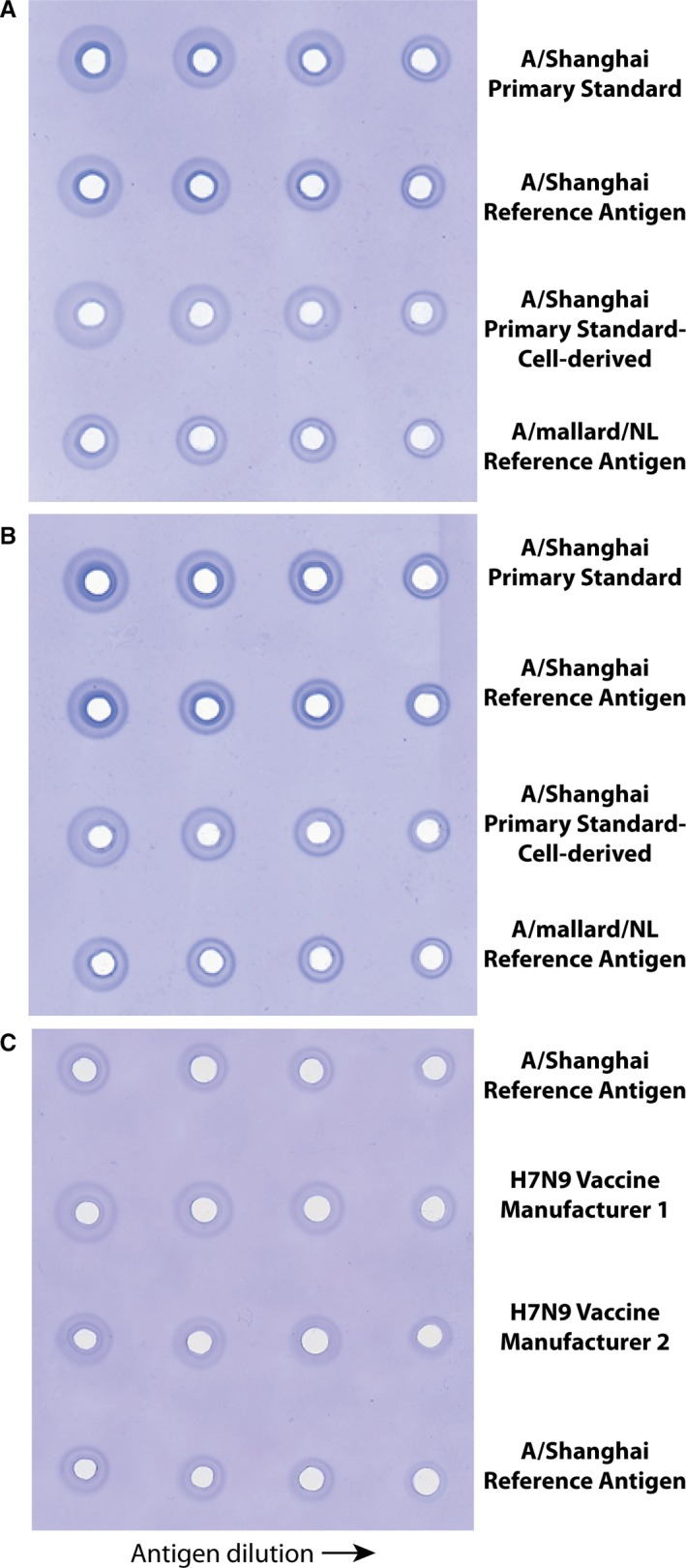
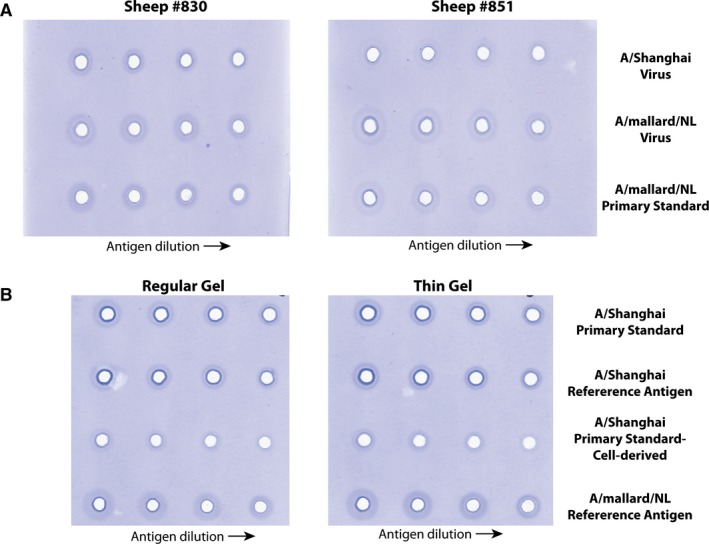
Antiserum for H7N9 vaccines, produced after immunization of sheep with preparations of bromelain-HA (br-HA), was not optimal for the SRID assay, and the supply of antiserum was limited. However, antiserum obtained from sheep boosted with VLPs containing H7 HA greatly improved the ring quality in the SRID assay. Importantly, this antiserum worked well with both egg- and cell-derived antigen and was distributed to vaccine manufacturers.
Utilizing a previously developed approach for preparing vaccine potency antiserum, we have addressed a major bottleneck encountered in preparation of H7N9 vaccine reagents. The combination of br-HA and mammalian VLPs for sequential immunization represents the first use of an alternative approach for producing an influenza vaccine potency antiserum.
灭活流感疫苗的效价是通过单向免疫扩散(SRID)测定来确定的,这需要使用包含参考抗原和流感株特异性抗血清的标准化试剂。试剂的及时供应是流感疫苗生产的关键步骤,而针对试剂制备的备用方法的需求是大流行性流感准备工作的一个重要组成部分。
2013 年中国出现新型 H7N9 病毒时,开发了候选灭活 H7N9 流感疫苗以进行临床试验评估,并且需要试剂来测量疫苗效价。
我们之前描述了一种产生株特异性效价抗血清的替代方法,利用改良安卡拉牛痘病毒载体来产生用于免疫的含有流感血凝素(HA)的病毒样颗粒(VLPs)。载体产生的 HA 抗原不依赖于传统的菠萝蛋白酶消化和 HA 纯化的成功。
用溴化氢酶-HA(br-HA)制备物免疫绵羊后产生的 H7N9 疫苗抗血清不适合 SRID 测定,而且抗血清的供应有限。但是,用含有 H7HA 的 VLPs 加强免疫的绵羊获得的抗血清大大提高了 SRID 测定中的环质量。重要的是,这种抗血清与鸡蛋和细胞来源的抗原都很好地结合,并且已经分发给疫苗制造商。
我们利用先前开发的制备疫苗效价抗血清的方法,解决了在制备 H7N9 疫苗试剂时遇到的主要瓶颈。用 br-HA 和哺乳动物 VLPs 进行序贯免疫代表了首次使用替代方法生产流感疫苗效价抗血清。