Angulo Jenniffer, Ulryck Nathalie, Deforges Jules, Chamond Nathalie, Lopez-Lastra Marcelo, Masquida Benoît, Sargueil Bruno
CNRS UMR 8015, Laboratoire de cristallographie et RMN Biologiques, Université Paris Descartes, 4 avenue de l'Observatoire, 75270 Paris Cedex 06, France Laboratorio de Virología Molecular, Instituto Milenio de Inmunología e Inmunoterapia, Centro de Investigaciones Médicas, Escuela de Medicina, Pontificia Universidad Católica de Chile, Marcoleta 391, Santiago, Chile.
CNRS UMR 8015, Laboratoire de cristallographie et RMN Biologiques, Université Paris Descartes, 4 avenue de l'Observatoire, 75270 Paris Cedex 06, France.
Nucleic Acids Res. 2016 Feb 18;44(3):1309-25. doi: 10.1093/nar/gkv1325. Epub 2015 Nov 30.
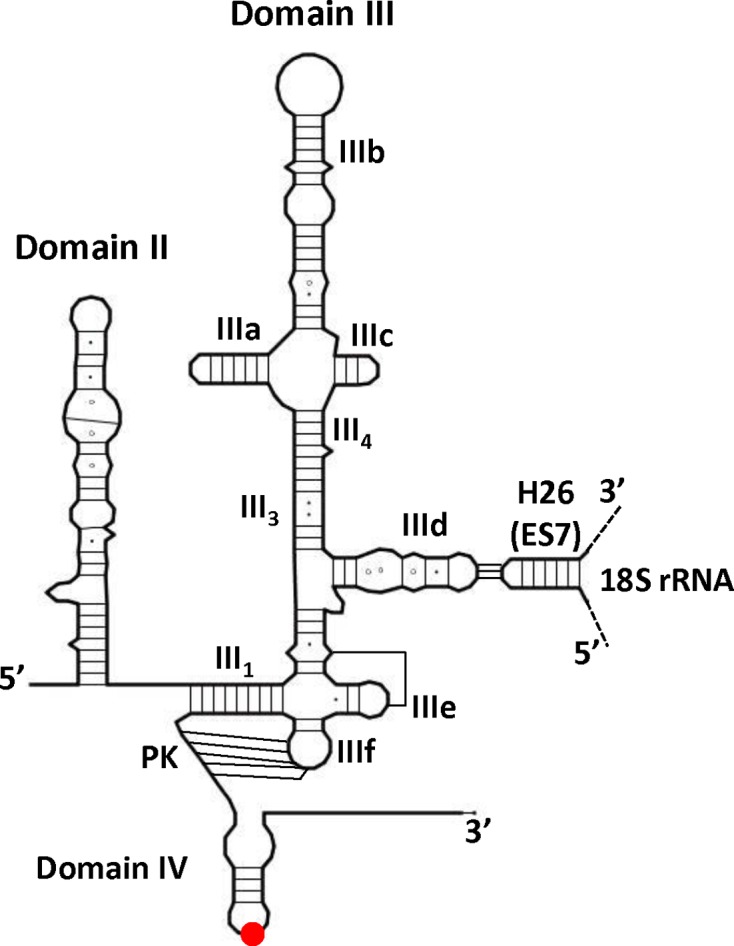
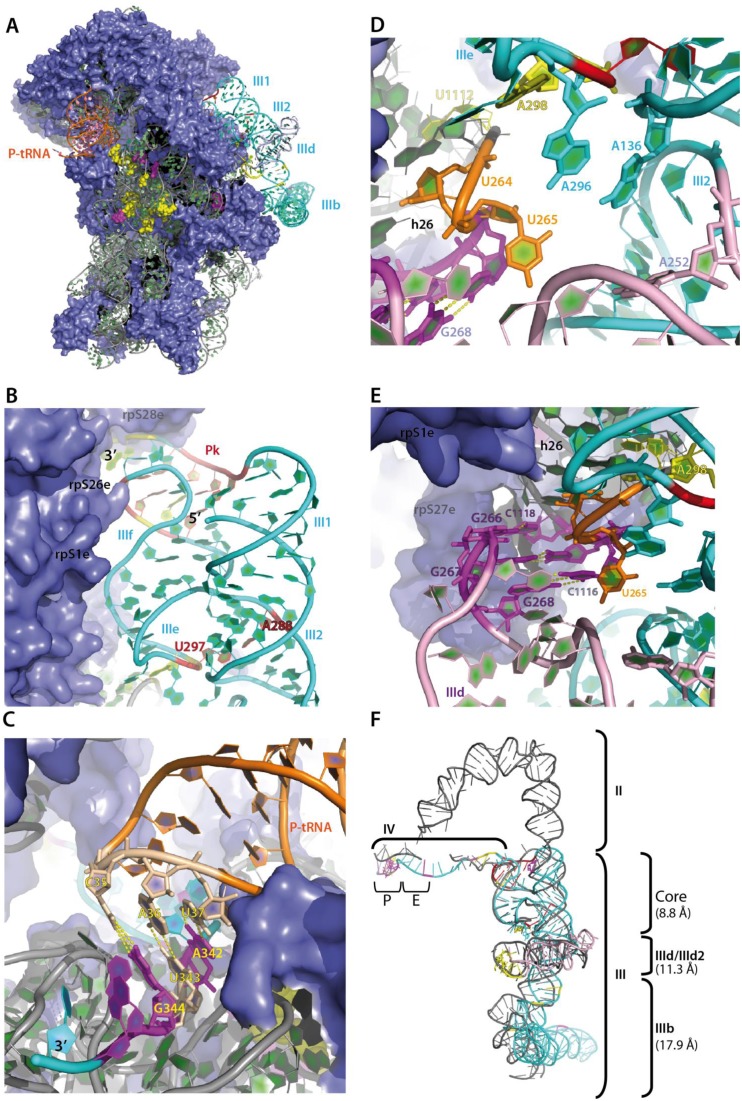
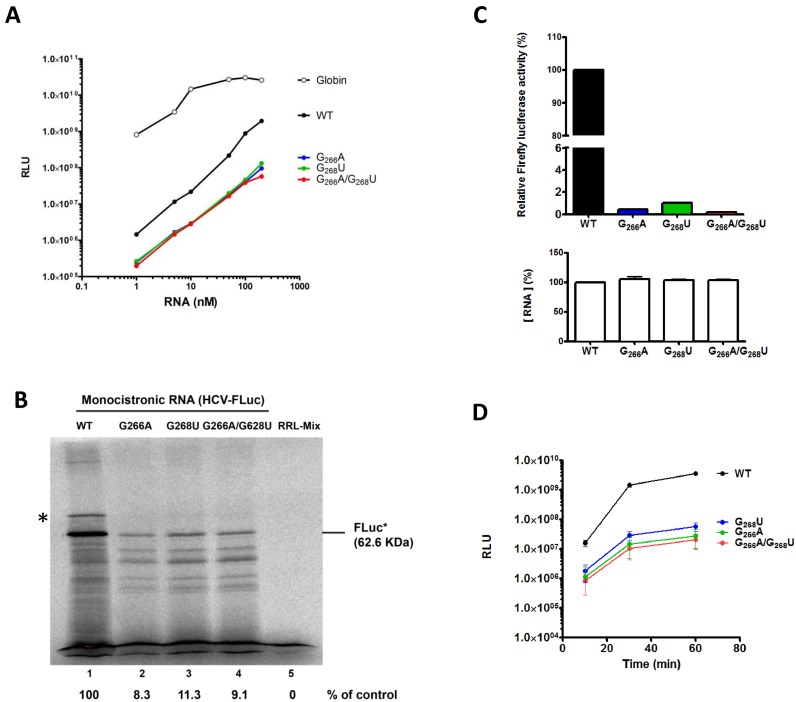
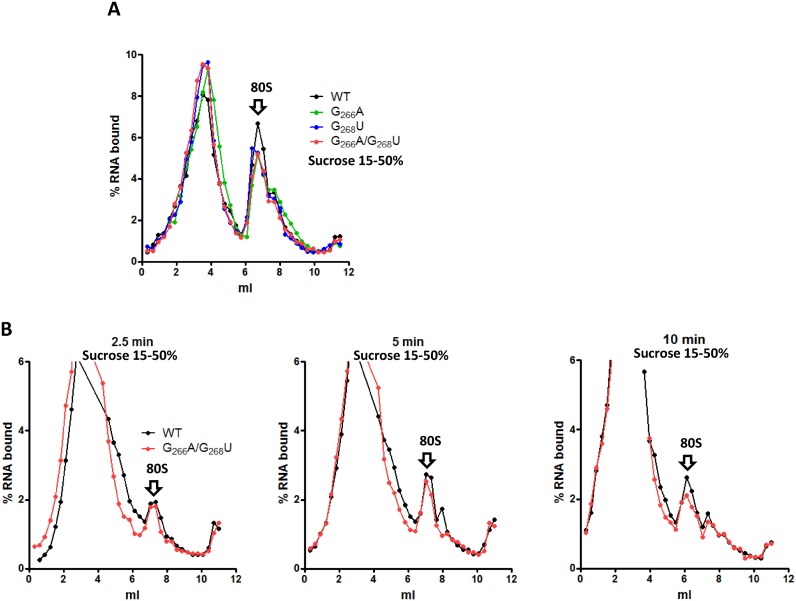
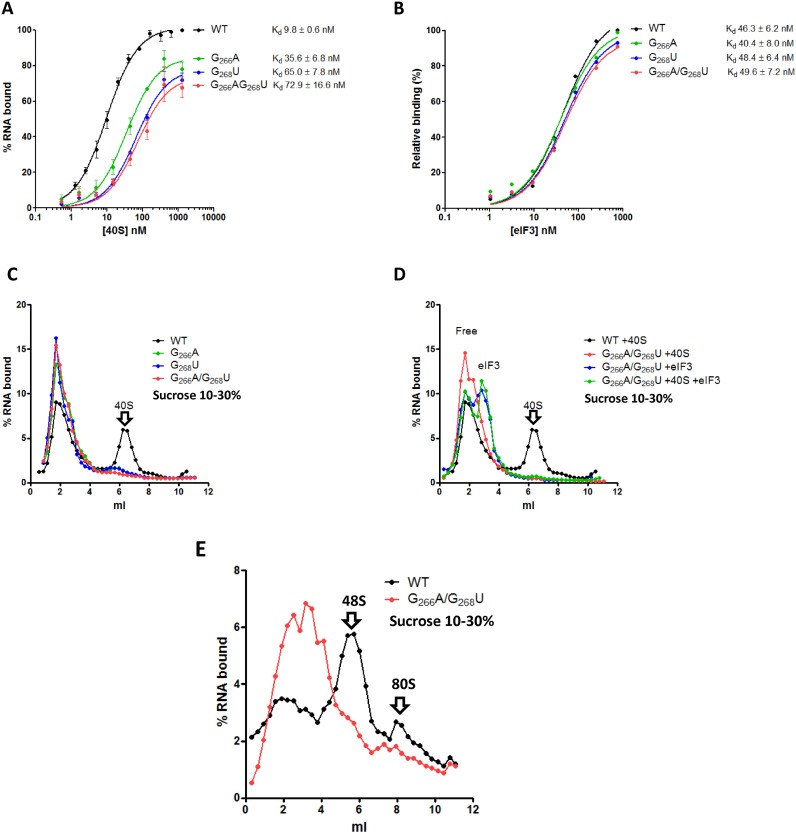
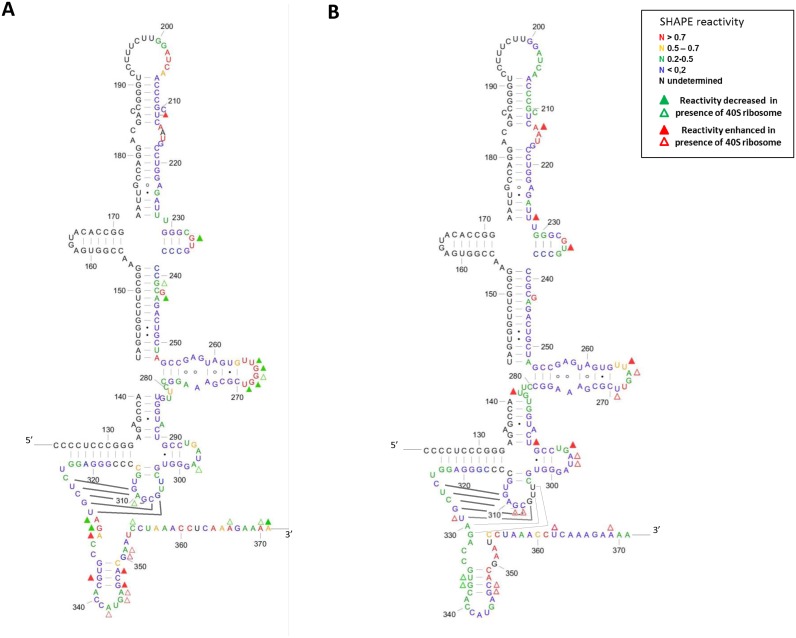
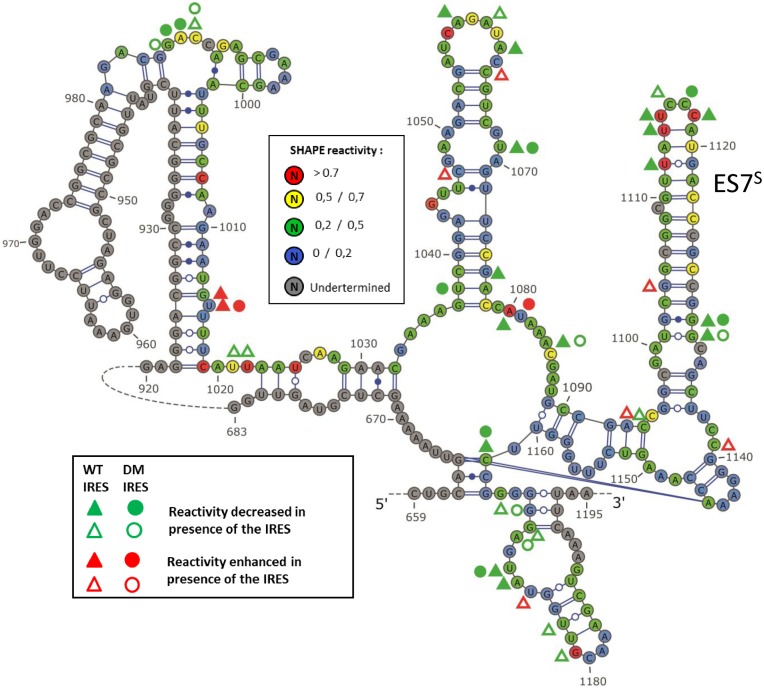
As obligatory intracellular parasites, viruses rely on cellular machines to complete their life cycle, and most importantly they recruit the host ribosomes to translate their mRNA. The Hepatitis C viral mRNA initiates translation by directly binding the 40S ribosomal subunit in such a way that the initiation codon is correctly positioned in the P site of the ribosome. Such a property is likely to be central for many viruses, therefore the description of host-pathogen interaction at the molecular level is instrumental to provide new therapeutic targets. In this study, we monitored the 40S ribosomal subunit and the viral RNA structural rearrangement induced upon the formation of the binary complex. We further took advantage of an IRES viral mutant mRNA deficient for translation to identify the interactions necessary to promote translation. Using a combination of structure probing in solution and molecular modeling we establish a whole atom model which appears to be very similar to the one obtained recently by cryoEM. Our model brings new information on the complex, and most importantly reveals some structural rearrangement within the ribosome. This study suggests that the formation of a 'kissing complex' between the viral RNA and the 18S ribosomal RNA locks the 40S ribosomal subunit in a conformation proficient for translation.
作为专性细胞内寄生虫,病毒依赖细胞机制来完成其生命周期,最重要的是,它们招募宿主核糖体来翻译其mRNA。丙型肝炎病毒mRNA通过直接结合40S核糖体亚基起始翻译,使得起始密码子正确定位在核糖体的P位点。这种特性可能对许多病毒至关重要,因此在分子水平上描述宿主-病原体相互作用有助于提供新的治疗靶点。在本研究中,我们监测了二元复合物形成时诱导的40S核糖体亚基和病毒RNA结构重排。我们进一步利用缺乏翻译能力的IRES病毒突变体mRNA来确定促进翻译所需的相互作用。通过结合溶液中的结构探测和分子建模,我们建立了一个全原子模型,该模型似乎与最近通过冷冻电镜获得的模型非常相似。我们的模型为该复合物带来了新信息,最重要的是揭示了核糖体内的一些结构重排。这项研究表明,病毒RNA与18S核糖体RNA之间形成的“亲吻复合物”将40S核糖体亚基锁定在有利于翻译的构象中。