Cheng Fang, Cheng Zhihui
College of Horticulture, Northwest A&F University , Yangling, China.
Front Plant Sci. 2015 Nov 17;6:1020. doi: 10.3389/fpls.2015.01020. eCollection 2015.
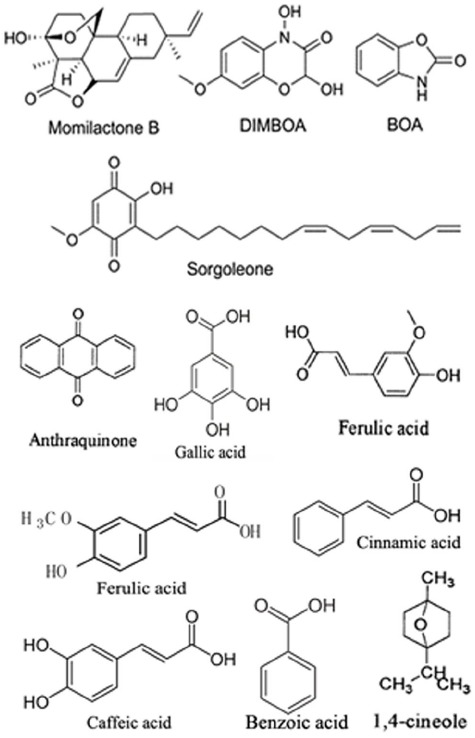
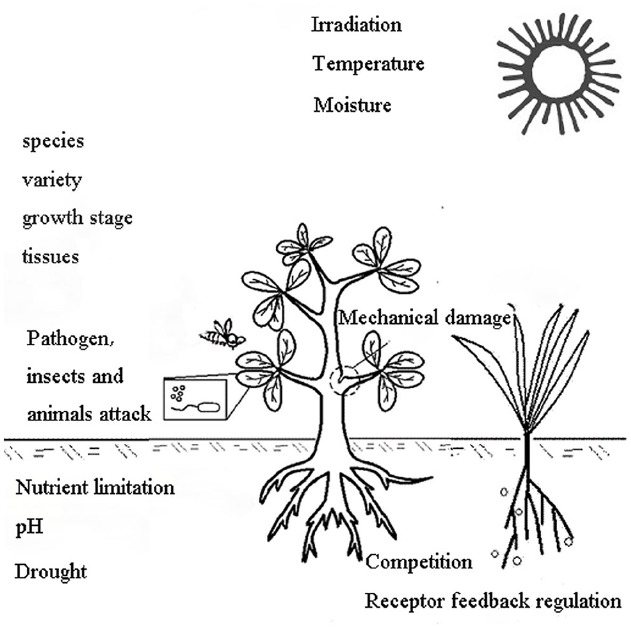
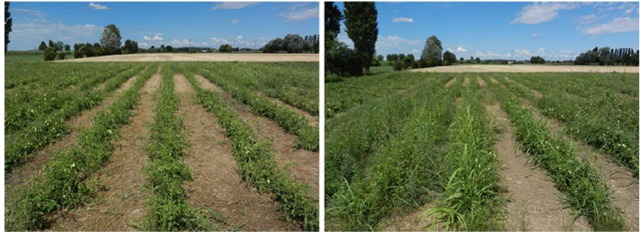
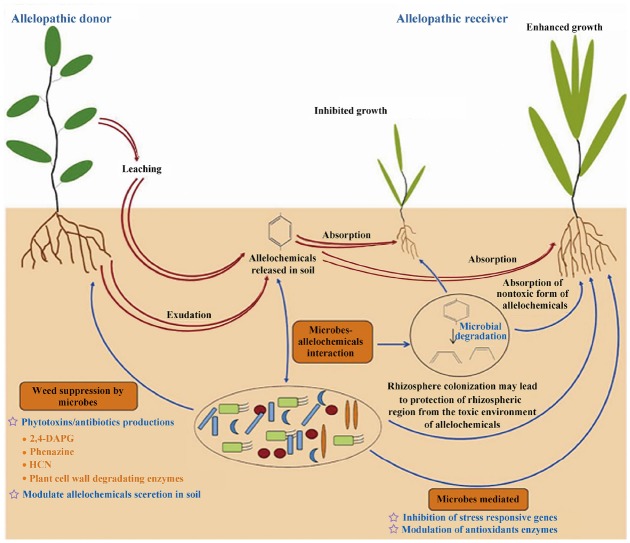
Allelopathy is a common biological phenomenon by which one organism produces biochemicals that influence the growth, survival, development, and reproduction of other organisms. These biochemicals are known as allelochemicals and have beneficial or detrimental effects on target organisms. Plant allelopathy is one of the modes of interaction between receptor and donor plants and may exert either positive effects (e.g., for agricultural management, such as weed control, crop protection, or crop re-establishment) or negative effects (e.g., autotoxicity, soil sickness, or biological invasion). To ensure sustainable agricultural development, it is important to exploit cultivation systems that take advantage of the stimulatory/inhibitory influence of allelopathic plants to regulate plant growth and development and to avoid allelopathic autotoxicity. Allelochemicals can potentially be used as growth regulators, herbicides, insecticides, and antimicrobial crop protection products. Here, we reviewed the plant allelopathy management practices applied in agriculture and the underlying allelopathic mechanisms described in the literature. The major points addressed are as follows: (1) Description of management practices related to allelopathy and allelochemicals in agriculture. (2) Discussion of the progress regarding the mode of action of allelochemicals and the physiological mechanisms of allelopathy, consisting of the influence on cell micro- and ultra-structure, cell division and elongation, membrane permeability, oxidative and antioxidant systems, growth regulation systems, respiration, enzyme synthesis and metabolism, photosynthesis, mineral ion uptake, protein and nucleic acid synthesis. (3) Evaluation of the effect of ecological mechanisms exerted by allelopathy on microorganisms and the ecological environment. (4) Discussion of existing problems and proposal for future research directions in this field to provide a useful reference for future studies on plant allelopathy.
化感作用是一种常见的生物学现象,即一种生物体产生影响其他生物体生长、存活、发育和繁殖的生物化学物质。这些生物化学物质被称为化感物质,对目标生物体具有有益或有害的影响。植物化感作用是受体植物与供体植物之间的相互作用模式之一,可能产生积极影响(例如,用于农业管理,如杂草控制、作物保护或作物重建)或消极影响(例如,自毒作用、土壤病害或生物入侵)。为确保农业可持续发展,利用能借助化感植物的刺激/抑制作用来调节植物生长发育的种植系统,并避免化感自毒作用,这一点很重要。化感物质有潜力用作生长调节剂、除草剂、杀虫剂和抗菌作物保护产品。在此,我们综述了农业中应用的植物化感作用管理实践以及文献中描述的潜在化感作用机制。所涉及的要点如下:(1)描述农业中与化感作用和化感物质相关的管理实践。(2)讨论化感物质作用方式和化感作用生理机制方面的进展,包括对细胞微观和超微结构、细胞分裂和伸长、膜通透性、氧化和抗氧化系统、生长调节系统、呼吸作用、酶合成与代谢、光合作用、矿质离子吸收、蛋白质和核酸合成的影响。(3)评估化感作用对微生物和生态环境产生的生态机制效应。(4)讨论该领域现存问题并提出未来研究方向建议,以为今后植物化感作用研究提供有益参考。