Traka Maria, Podojil Joseph R, McCarthy Derrick P, Miller Stephen D, Popko Brian
Department of Neurology, The University of Chicago Center for Peripheral Neuropathy, The University of Chicago, Chicago, Illinois, USA.
Department of Microbiology-Immunology and Interdepartmental Immunobiology Center, Northwestern University Feinberg School of Medicine, Chicago, Illinois, USA.
Nat Neurosci. 2016 Jan;19(1):65-74. doi: 10.1038/nn.4193. Epub 2015 Dec 14.
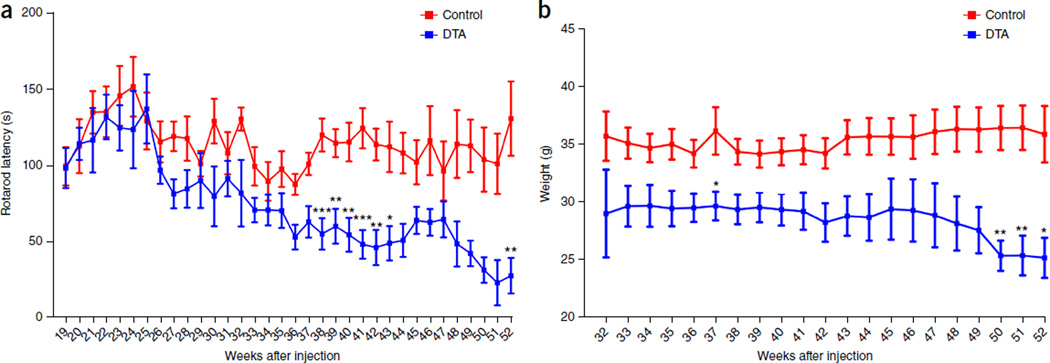
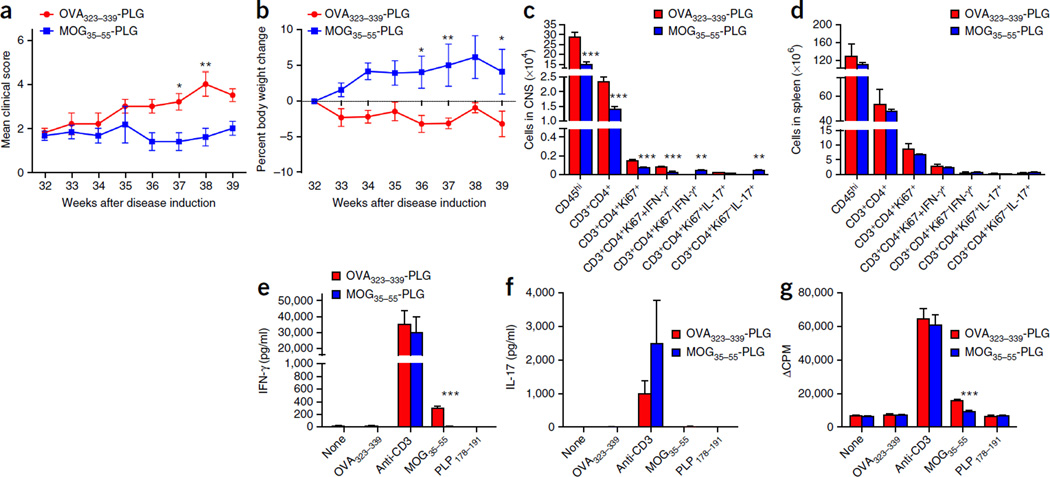
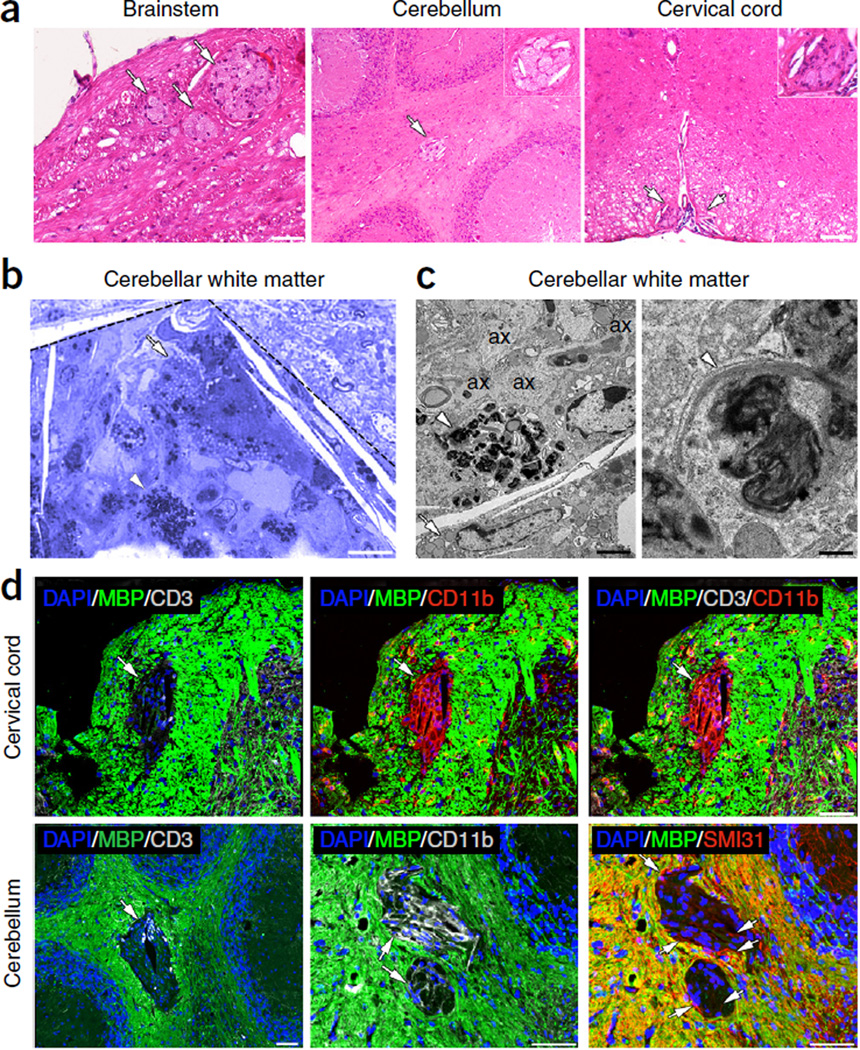
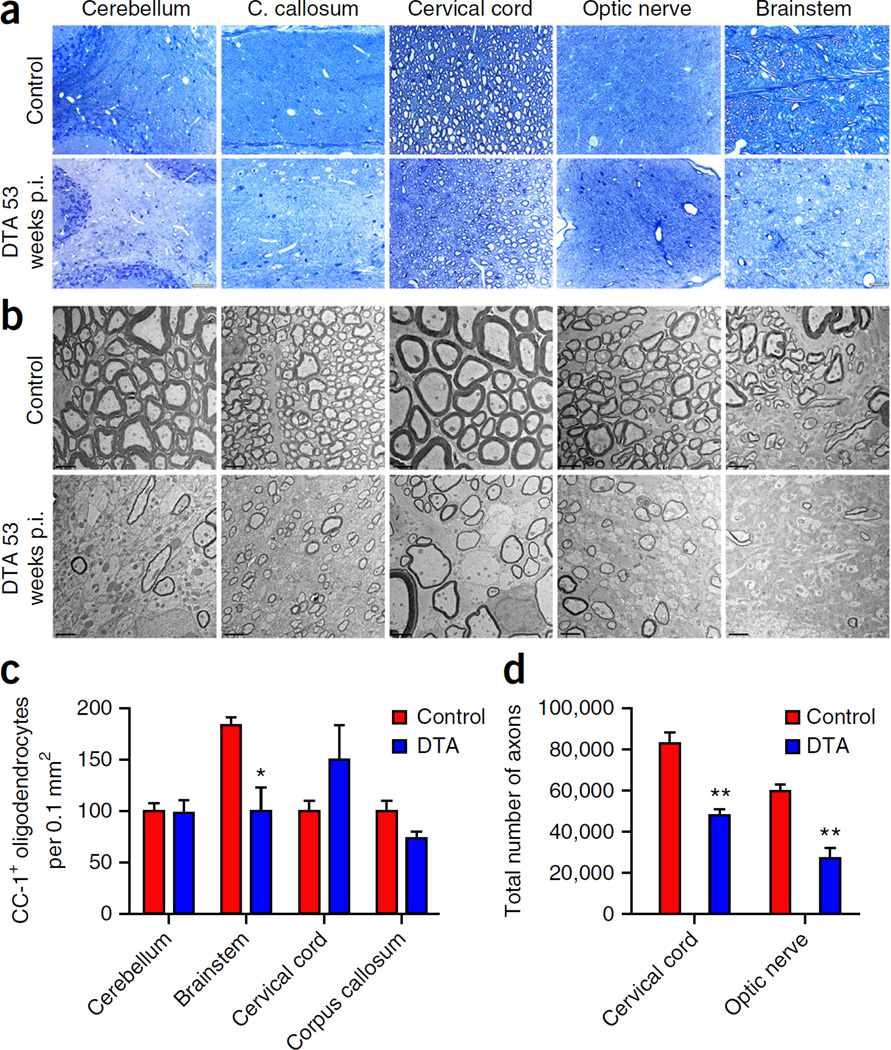
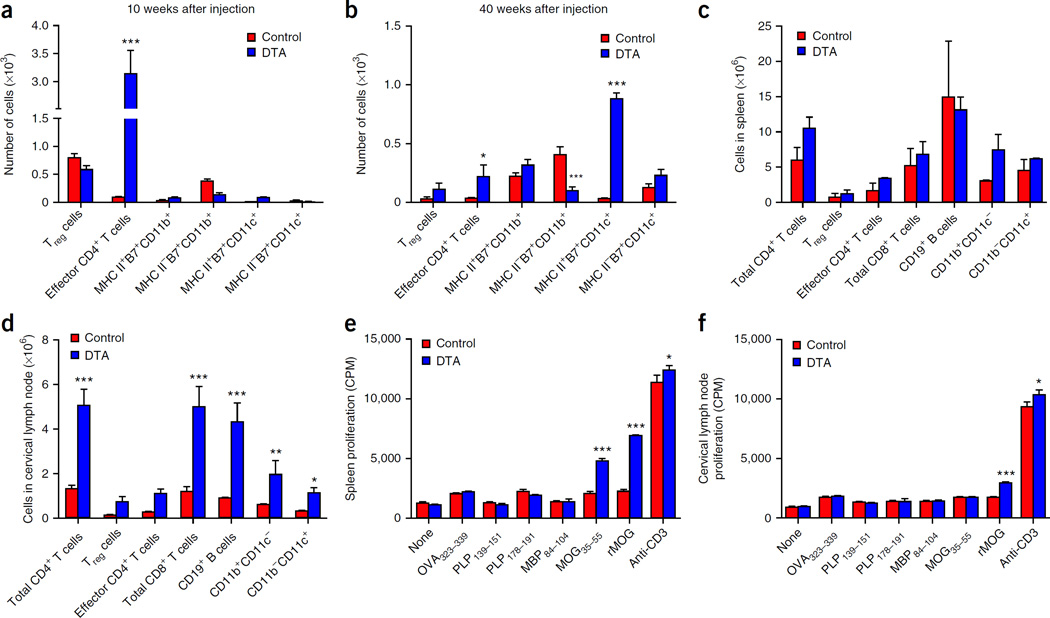
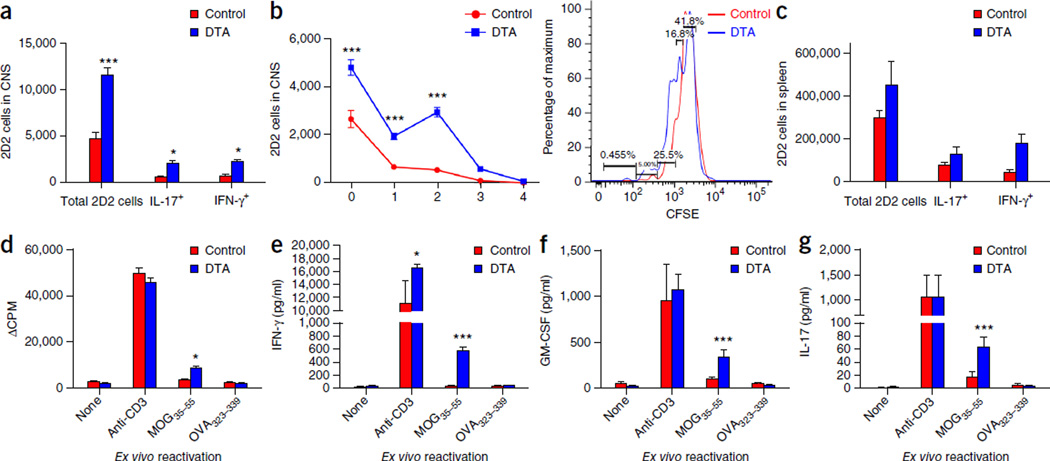
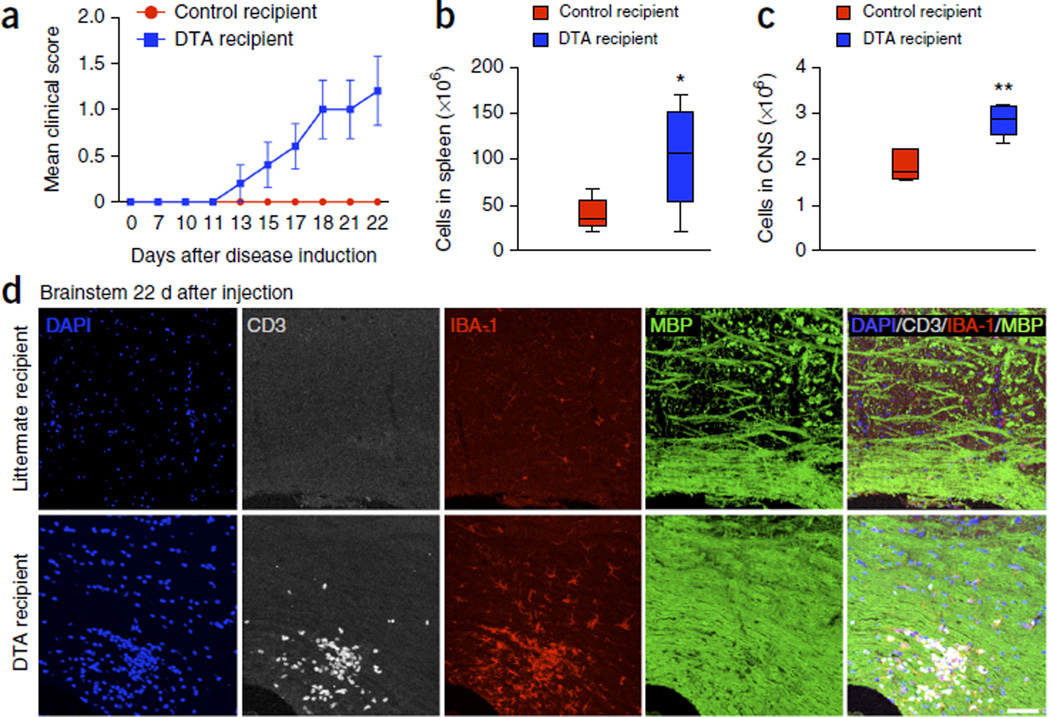
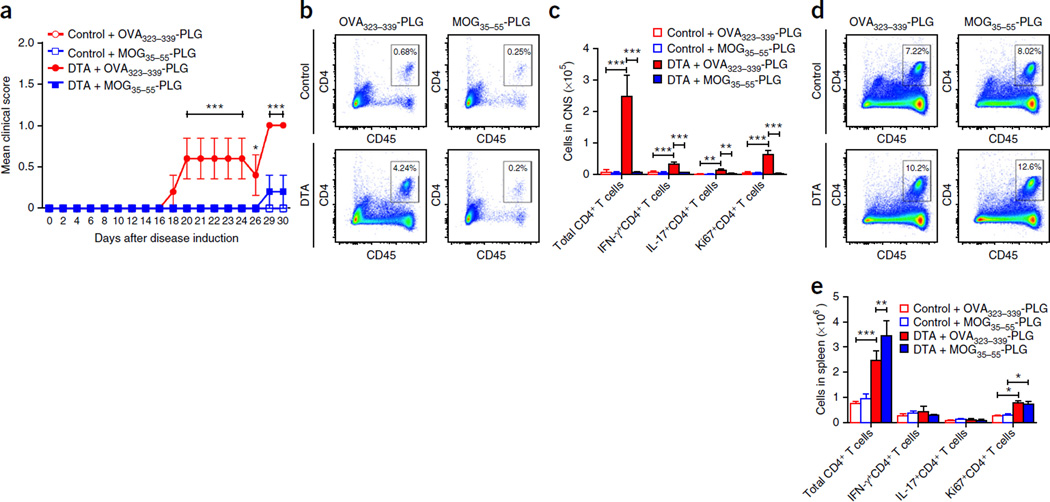
Although multiple sclerosis is a common neurological disorder, the origin of the autoimmune response against myelin, which is the characteristic feature of the disease, remains unclear. To investigate whether oligodendrocyte death could cause this autoimmune response, we examined the oligodendrocyte ablation Plp1-CreER(T);ROSA26-eGFP-DTA (DTA) mouse model. Approximately 30 weeks after recovering from oligodendrocyte loss and demyelination, DTA mice develop a fatal secondary disease characterized by extensive myelin and axonal loss. Strikingly, late-onset disease was associated with increased numbers of T lymphocytes in the CNS and myelin oligodendrocyte glycoprotein (MOG)-specific T cells in lymphoid organs. Transfer of T cells derived from DTA mice to naive recipients resulted in neurological defects that correlated with CNS white matter inflammation. Furthermore, immune tolerization against MOG ameliorated symptoms. Overall, these data indicate that oligodendrocyte death is sufficient to trigger an adaptive autoimmune response against myelin, suggesting that a similar process can occur in the pathogenesis of multiple sclerosis.
尽管多发性硬化症是一种常见的神经系统疾病,但针对髓磷脂的自身免疫反应的起源仍不清楚,而这种自身免疫反应是该疾病的特征。为了研究少突胶质细胞死亡是否会引发这种自身免疫反应,我们检测了少突胶质细胞消融的Plp1-CreER(T);ROSA26-eGFP-DTA(DTA)小鼠模型。在从少突胶质细胞丢失和脱髓鞘恢复约30周后,DTA小鼠会发展出一种致命的继发性疾病,其特征是广泛的髓磷脂和轴突丢失。令人惊讶的是,迟发性疾病与中枢神经系统中T淋巴细胞数量增加以及淋巴器官中髓鞘少突胶质细胞糖蛋白(MOG)特异性T细胞数量增加有关。将来自DTA小鼠的T细胞转移到未接触过抗原的受体中会导致与中枢神经系统白质炎症相关的神经缺陷。此外,针对MOG的免疫耐受可改善症状。总体而言,这些数据表明少突胶质细胞死亡足以引发针对髓磷脂的适应性自身免疫反应,这表明类似的过程可能在多发性硬化症的发病机制中发生。