University of Zürich , Zürich , Switzerland.
Heinrich Heine-Universität , Düsseldorf , Germany.
Front Cardiovasc Med. 2014 Dec 29;1:15. doi: 10.3389/fcvm.2014.00015. eCollection 2014.
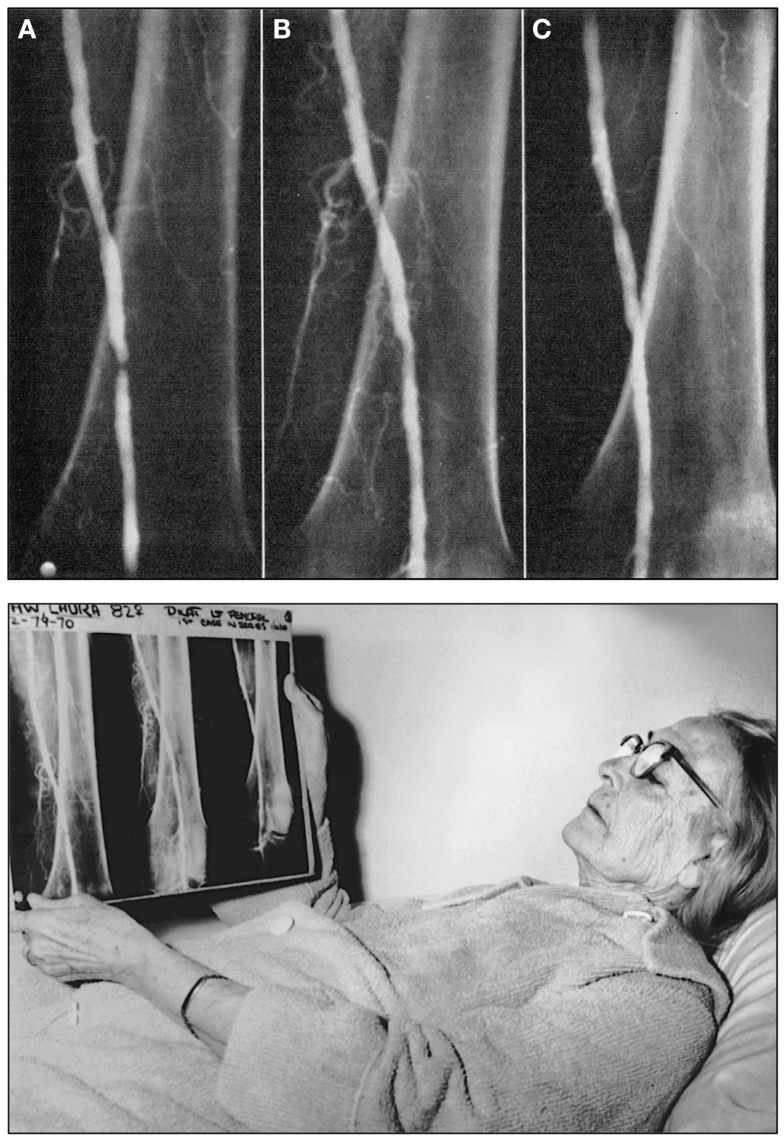
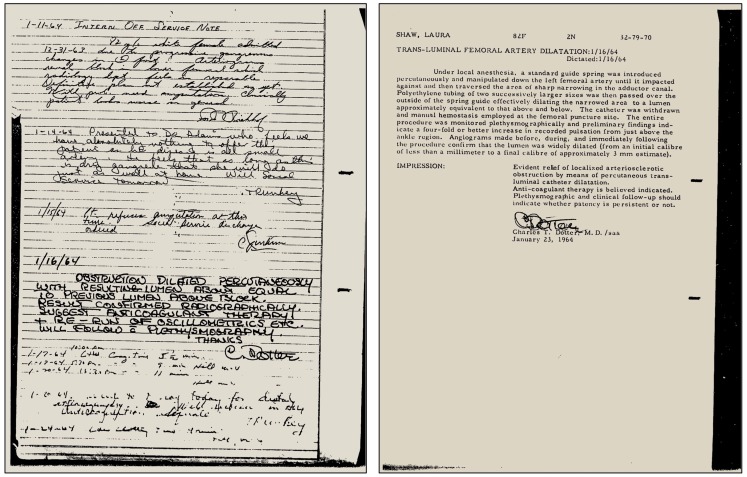
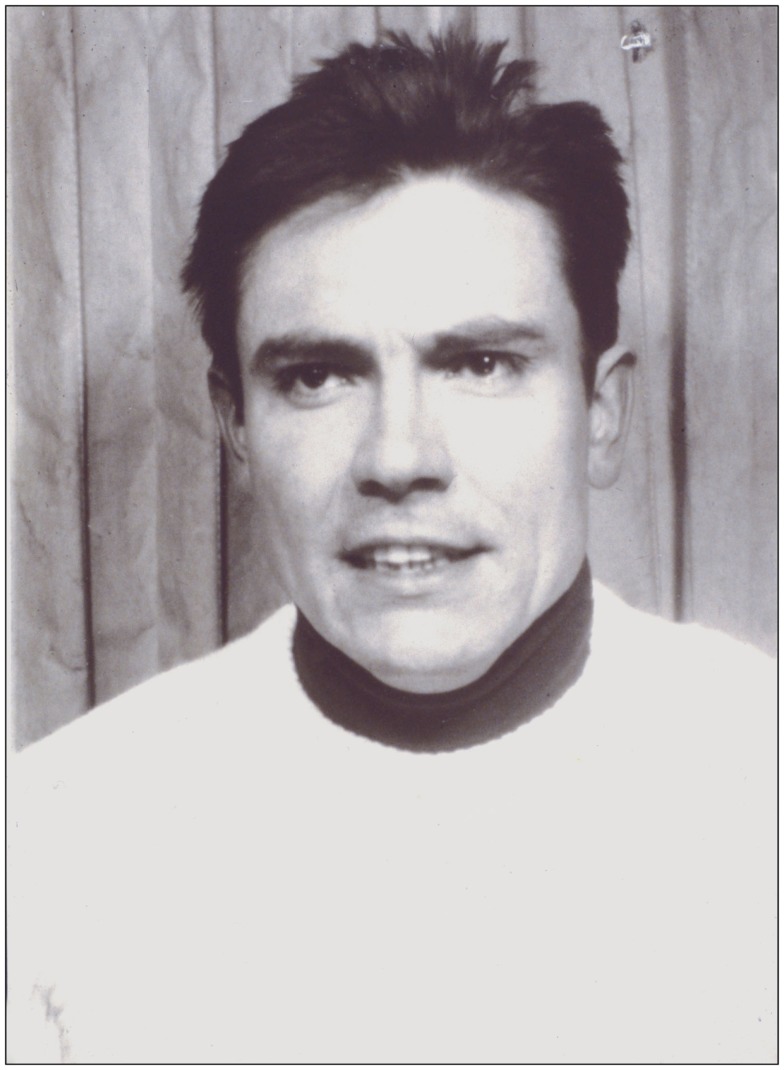
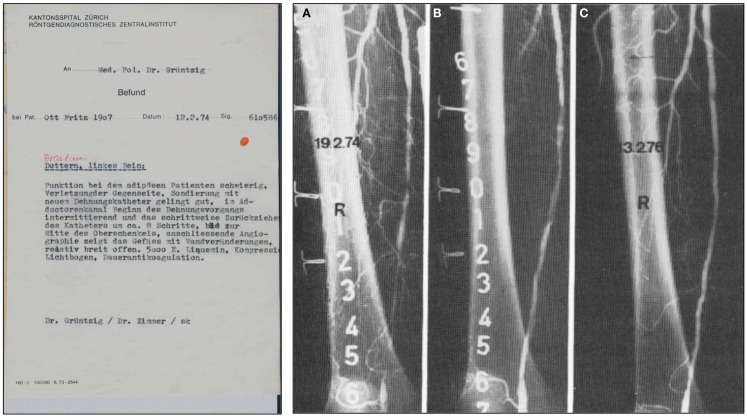
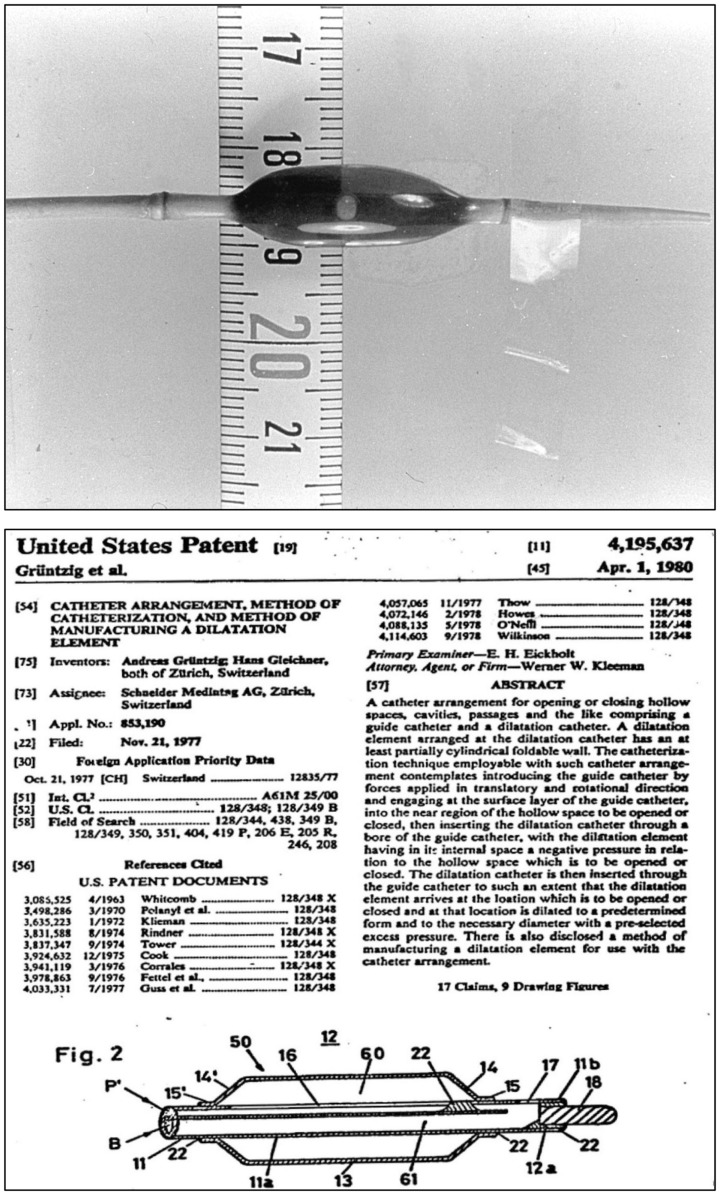
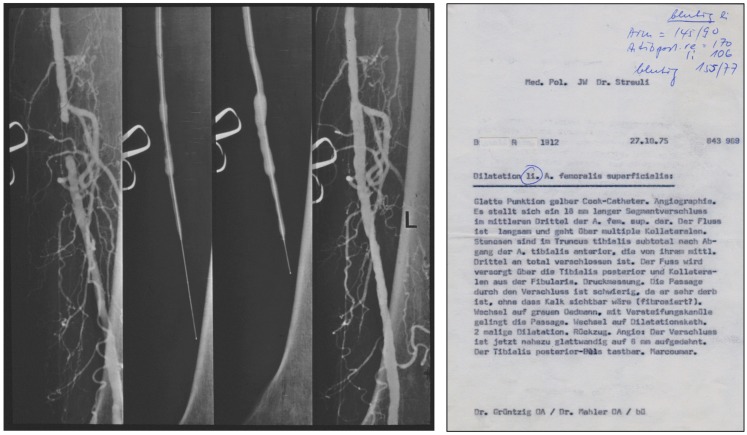
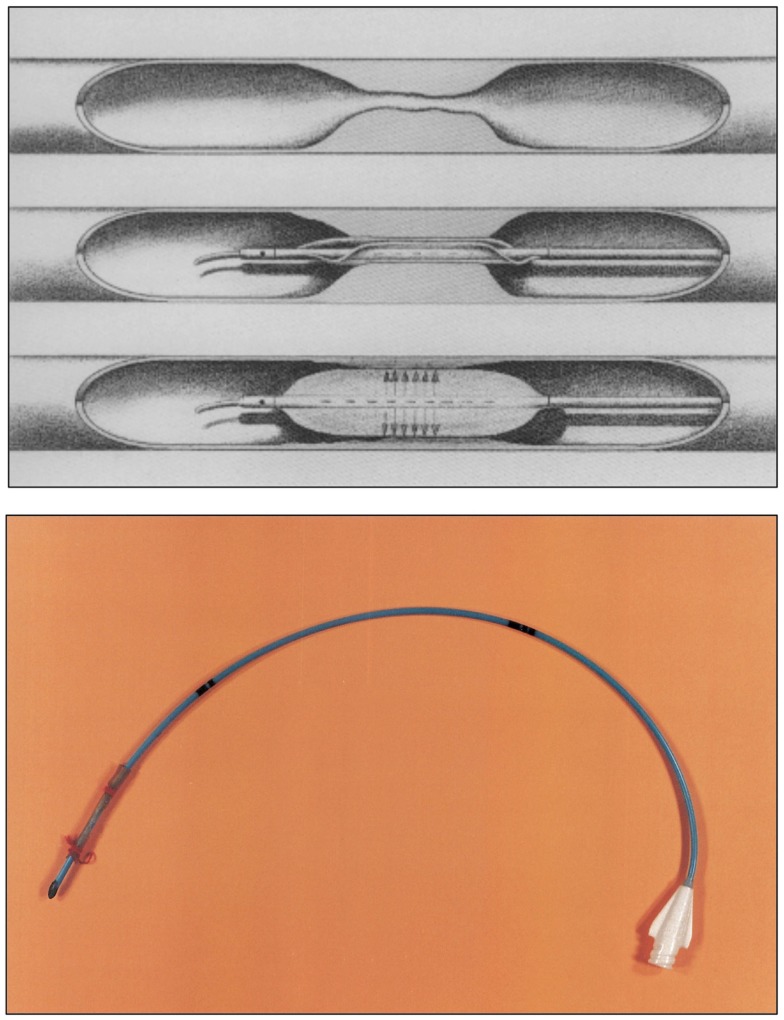
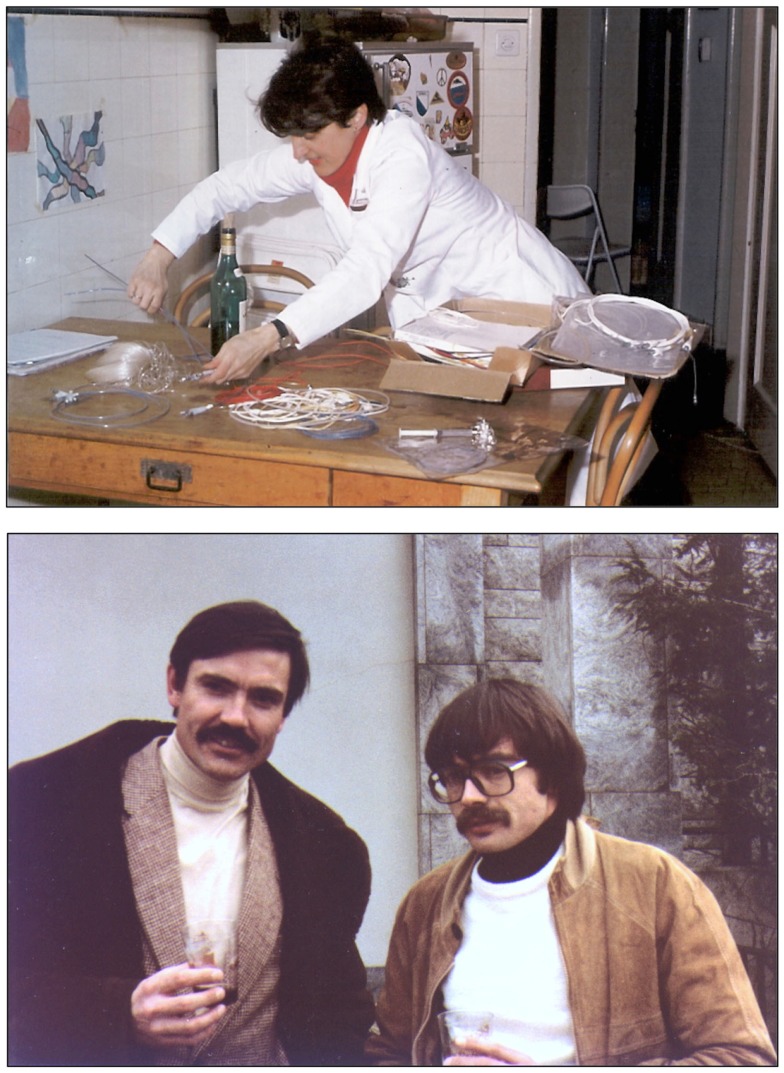
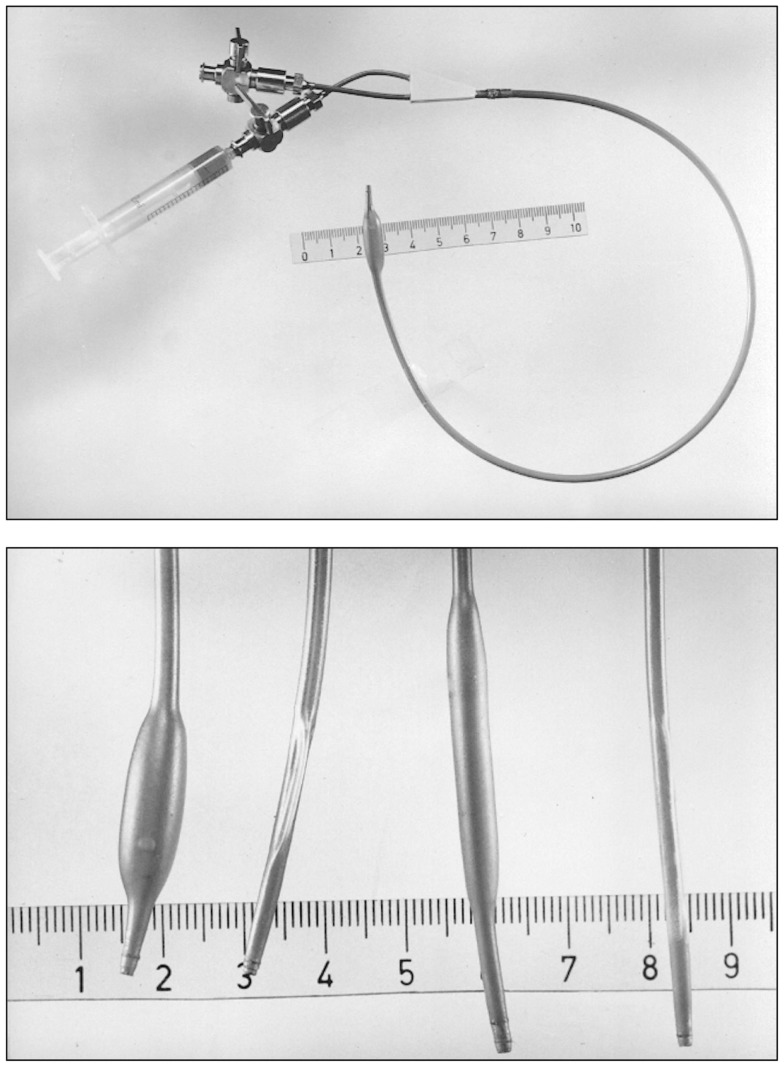
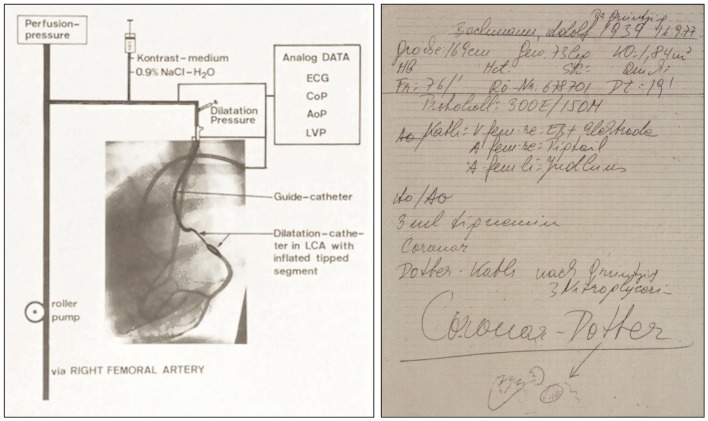
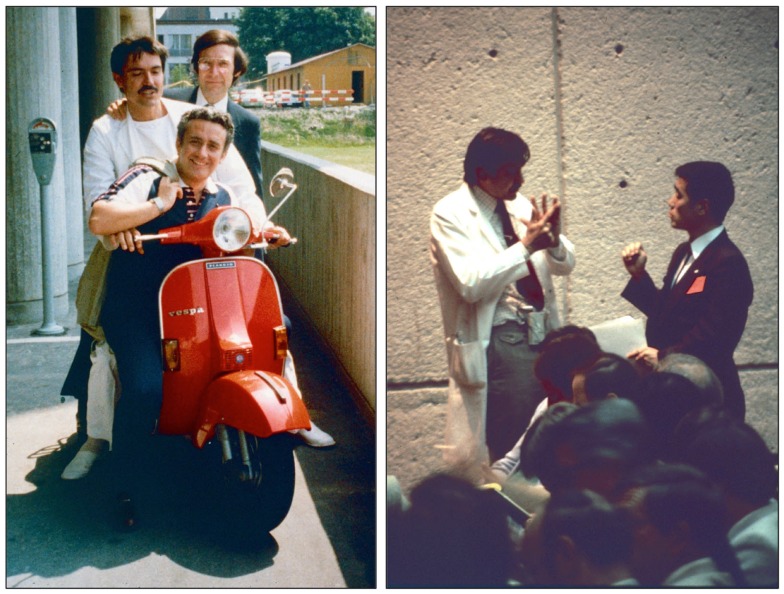
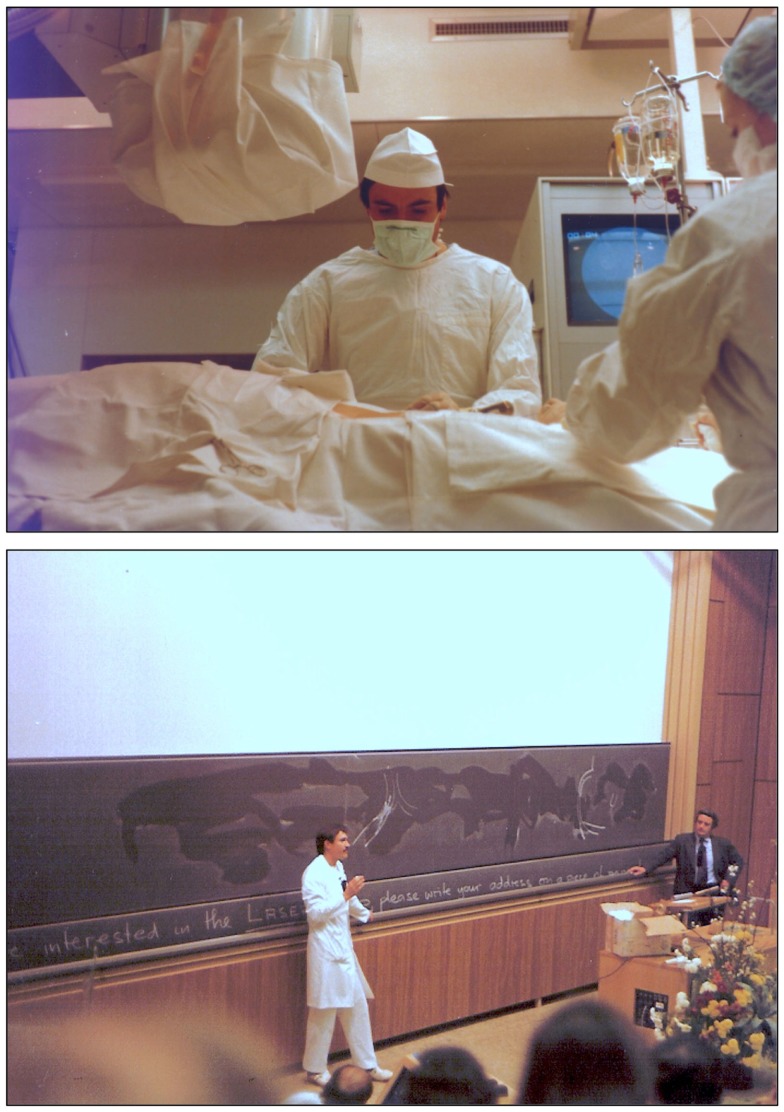
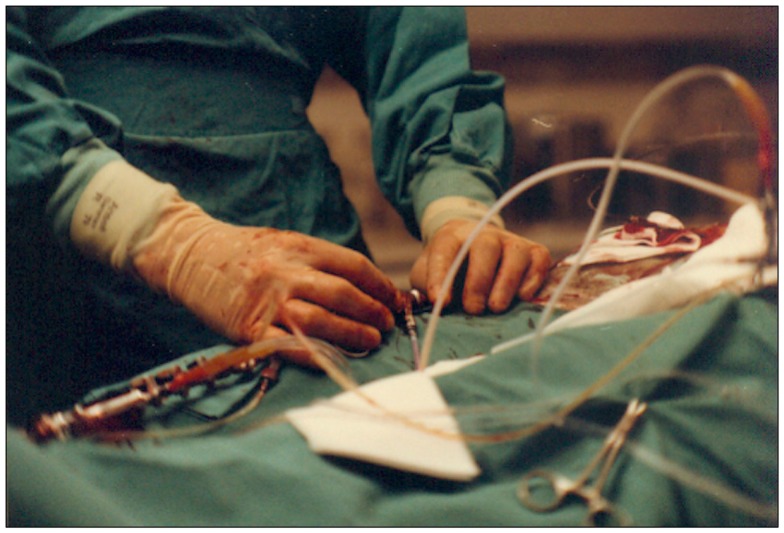
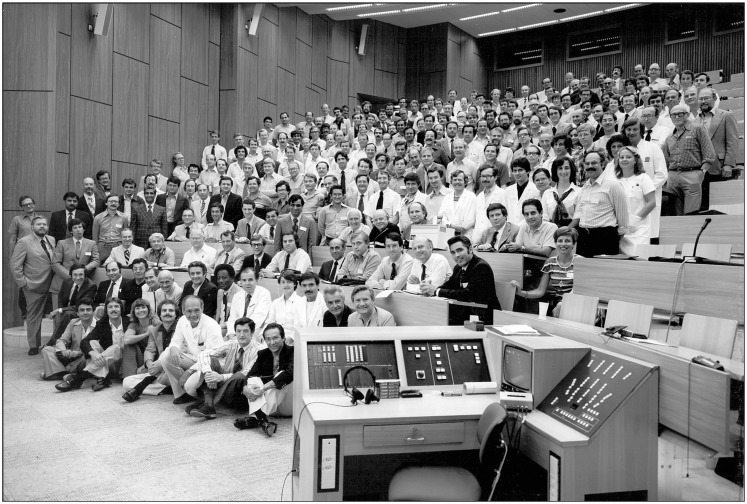
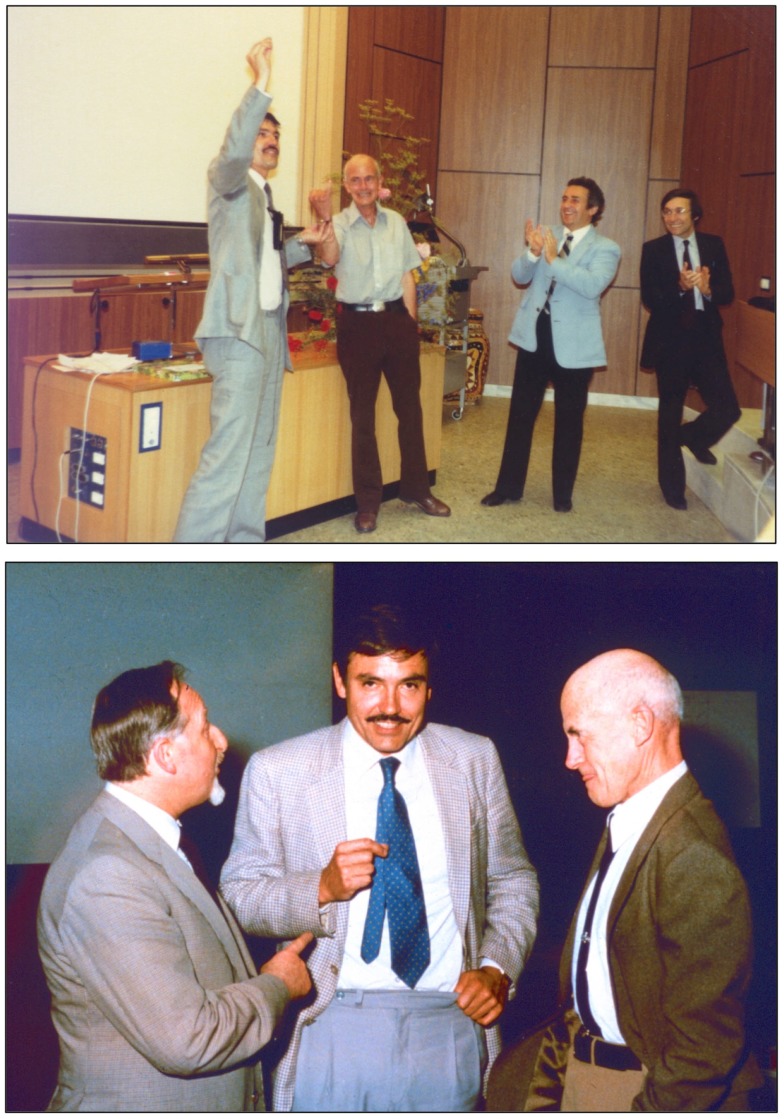
In 1974, at the Medical Policlinic of the University of Zürich, German-born physician-scientist Andreas Grüntzig (1939-1985) for the first time applied a balloon-tipped catheter to re-open a severely stenosed femoral artery, a procedure, which he initially called "percutaneous transluminal dilatation". Balloon angioplasty as a therapy of atherosclerotic vascular disease, for which Grüntzig and Charles T. Dotter (1920-1985) received a nomination for the Nobel Prize in Physiology or Medicine in 1978, became one of the most successful examples of translational medicine in the twentieth century. Known today as percutaneous transluminal angioplasty (PTA) in peripheral arteries or percutaneous transluminal coronary angioplasty (PTCA) or percutaneous coronary intervention (PCI) in coronary arteries, balloon angioplasty has become the method of choice to treat patients with acute myocardial infarction or occluded leg arteries. On the occasion of the 40(th) anniversary of balloon angioplasty, we summarize Grüntzig's life and career in Germany, Switzerland, and the United States and also review the developments in vascular medicine from the 1890s to the 1980s, including Dotter's first accidental angioplasty in 1963. The work of pioneers of catheterization, including Pedro L. Fariñas in Cuba, André F. Cournand in France, Werner Forssmann, Werner Porstmann and Eberhard Zeitler in Germany, António Egas Moniz and Reynaldo dos Santos in Portugal, Sven-Ivar Seldinger in Sweden, and Barney Brooks, Thomas J. Fogarty, Melvin P. Judkins, Richard K. Myler, Dickinson W. Richards, and F. Mason Sones in the United States, is discussed. We also present quotes by Grüntzig and excerpts from his unfinished autobiography, statements of Grüntzig's former colleagues and contemporary witnesses, and have included hitherto unpublished historic photographs and links to archive recordings and historic materials. This year, on June 25, 2014, Andreas Grüntzig would have celebrated his 75(th) birthday. This article is dedicated to his memory.
1974 年,在苏黎世大学医学门诊部,德裔医师科学家安德烈亚斯·格里茨格(Andreas Grüntzig,1939-1985 年)首次应用球囊导管对严重狭窄的股动脉进行再通,他最初将该程序称为“经皮腔内血管成形术”。球囊血管成形术作为治疗动脉粥样硬化性血管疾病的一种疗法,格里茨格和查尔斯·T·多特(Charles T. Dotter,1920-1985 年)因此于 1978 年获得诺贝尔生理学或医学奖提名。该疗法成为 20 世纪转化医学最成功的范例之一。如今,在周围动脉中称为经皮腔内血管成形术(PTA),在冠状动脉中称为经皮腔内冠状动脉血管成形术(PTCA)或经皮冠状动脉介入治疗(PCI),球囊血管成形术已成为治疗急性心肌梗死或闭塞性腿部动脉患者的首选方法。值此球囊血管成形术 40 周年之际,我们总结了格里茨格在德国、瑞士和美国的生平和职业生涯,还回顾了从 19 世纪 90 年代到 20 世纪 80 年代血管医学的发展,包括多特在 1963 年首次意外实施的血管成形术。我们还讨论了导管插入术先驱的工作,包括古巴的佩德罗·L·法里尼亚斯(Pedro L. Fariñas)、法国的安德烈·F·考恩南(André F. Cournand)、维尔纳·福斯曼(Werner Forssmann)、维尔纳·波斯特曼(Werner Porstmann)和埃伯哈德·齐特勒(Eberhard Zeitler)、葡萄牙的安东尼奥·埃加斯·莫尼斯(António Egas Moniz)和雷纳尔多·多斯桑托斯(Reynaldo dos Santos)、瑞典的斯文-伊瓦尔·塞尔丁格(Sven-Ivar Seldinger)、以及美国的巴尼·布鲁克斯(Barney Brooks)、托马斯·J·福格蒂(Thomas J. Fogarty)、梅尔文·P·朱迪斯(Melvin P. Judkins)、理查德·K·迈勒(Richard K. Myler)、迪金森·W·理查兹(Dickinson W. Richards)和 F·梅森·索恩斯(F. Mason Sones)。我们还提供了格里茨格的引述和他未完成自传的摘录、他的前同事和同时代证人的陈述,并收录了迄今未发表的历史照片以及与档案录音和历史资料的链接。今年,也就是 2014 年 6 月 25 日,安德烈亚斯·格里茨格将迎来他的 75 岁生日。本文以此纪念他。