Soldi Sara, Vasileiadis Sotirios, Uggeri Francesca, Campanale Mariachiara, Morelli Lorenzo, Fogli Maria Vittoria, Calanni Fiorella, Grimaldi Maria, Gasbarrini Antonio
AAT - Advanced Analytical Technologies Srl, Piacenza, Italy.
Centre for Environmental Risk Assessment and Remediation, University of South Australia, Mawson Lakes, Australia.
Clin Exp Gastroenterol. 2015 Dec 4;8:309-25. doi: 10.2147/CEG.S89999. eCollection 2015.
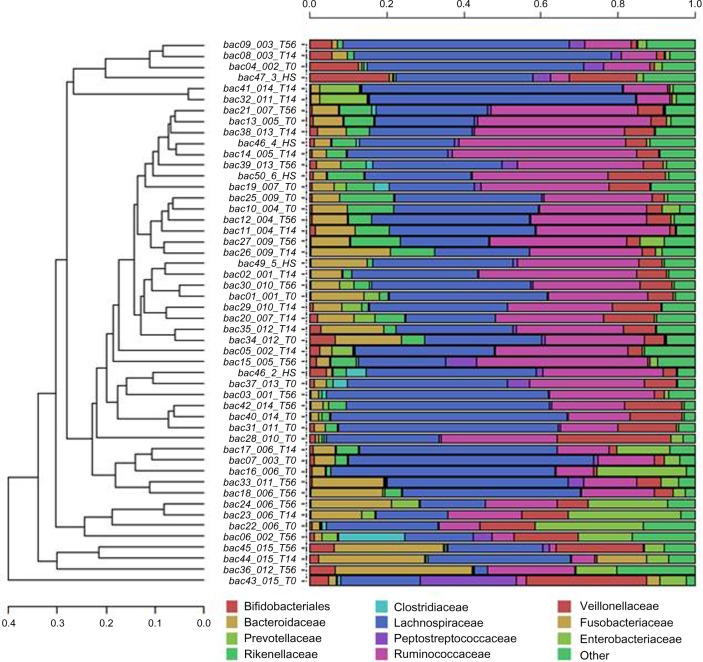
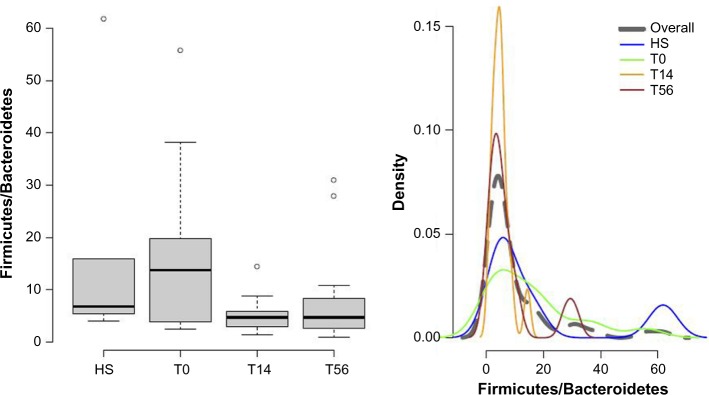
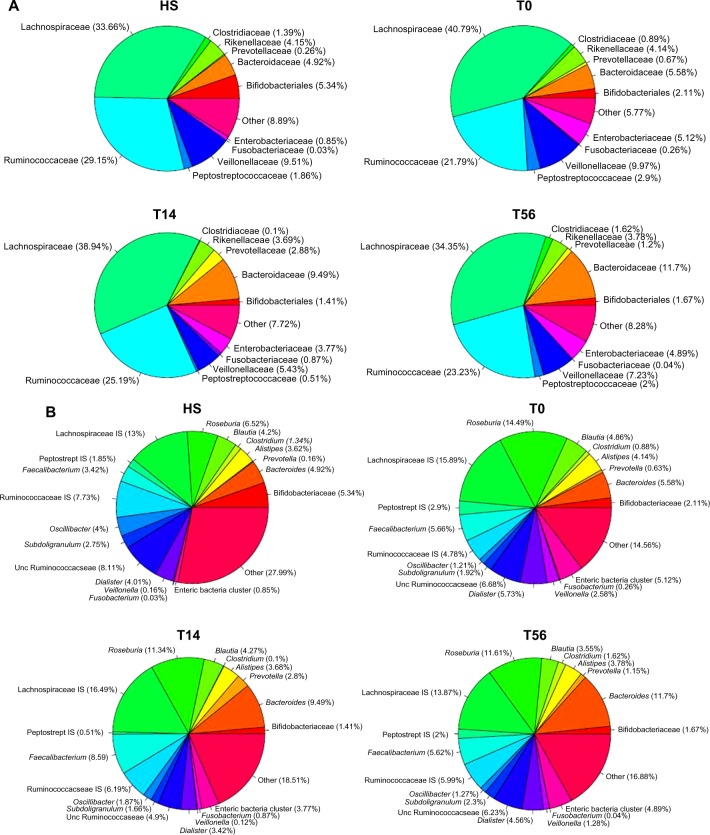
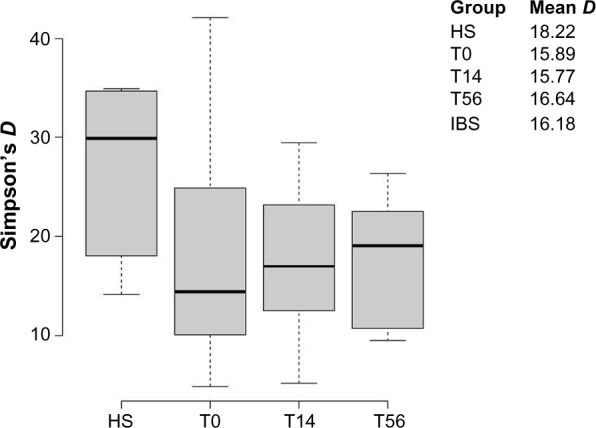
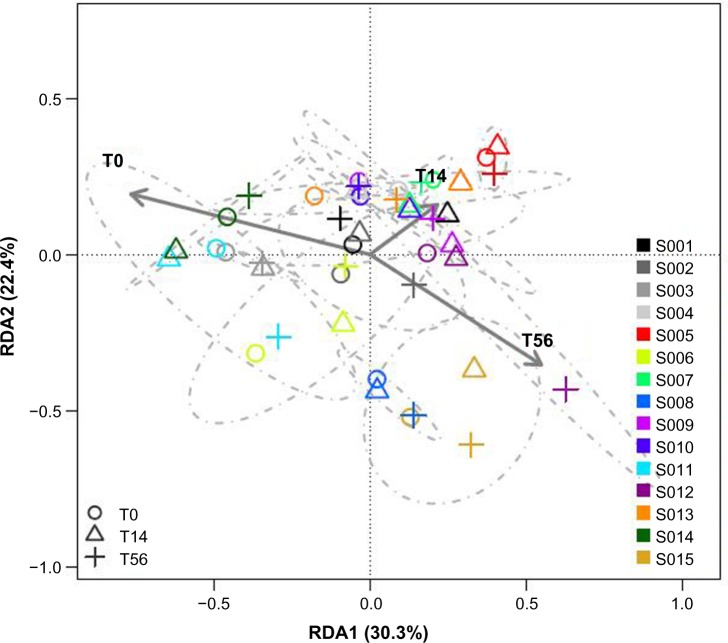
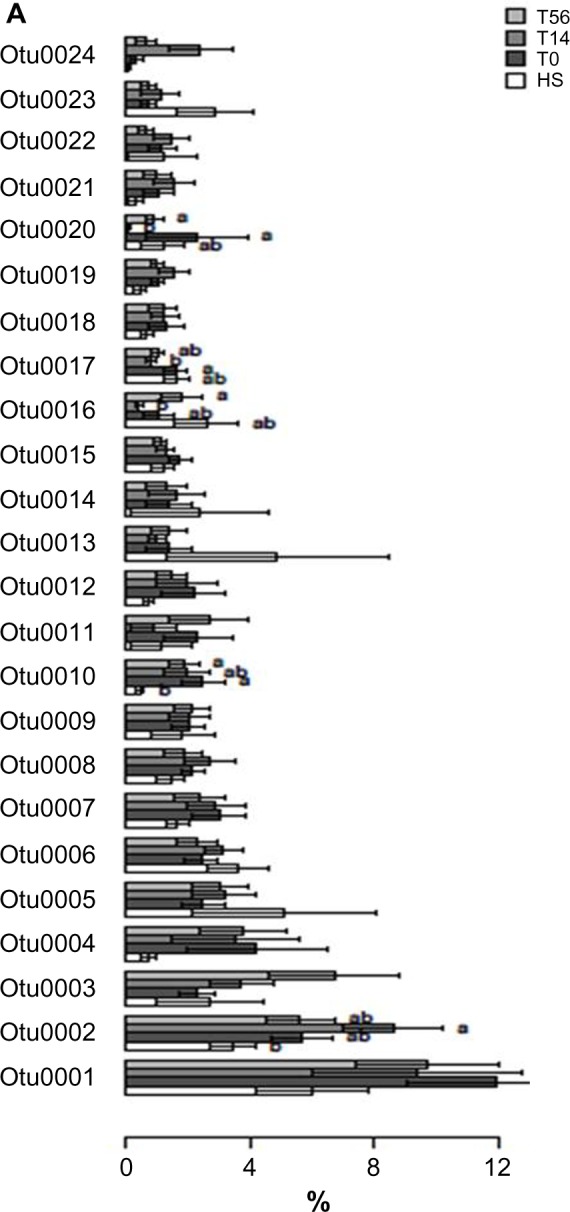
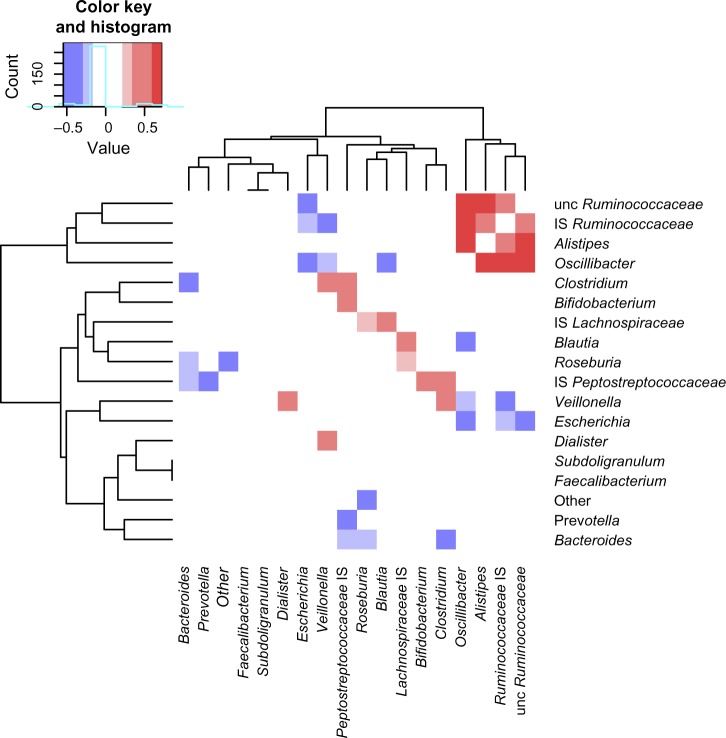
Rifaximin, with its low systemic absorption, may represent a treatment of choice for irritable bowel syndrome (IBS), mainly due to its ability to act on IBS pathogenesis, through the influence on gut microbiota. The aim of the present study was to assess, by biomolecular tools, the rifaximin active modulation exerted on gut microbiota of non-constipated IBS patients. Fifteen non-constipated IBS subjects were treated with 550 mg rifaximin three times a day for 14 days. Stool samples were collected before starting the treatment, at the end of it, and after a 6-week washout period. Real-time polymerase chain reaction, denaturing gradient gel electrophoresis, and next-generation sequencing were applied to all the samples to verify and quantify possible microbial fluctuations. Rifaximin treatment did not affect the overall composition of the microbiota of the treated subjects, inducing fluctuations in few bacterial groups, balanced by the replacement of homologs or complementary bacterial groups. Rifaximin appeared to influence mainly potentially detrimental bacteria, such as Clostridium, but increasing the presence of some species, such as Faecalibacterium prausnitzii. A decrease in the Firmicutes/Bacteroidetes ratio after 14 days of treatment and bacterial profiles with higher biodiversity were observed during the follow-up compared to baseline. Rifaximin treatment, although effective on IBS symptom relief and normalization of lactulose breath test, did not induce dramatic shifts in the microbiota composition of the subjects, stimulating microbial reorganization in some populations toward a more diverse composition. It was not possible to speculate on differences of fecal microbiota modification between responders vs nonresponders and to correlate the quali-/quantitative modification of upper gastrointestinal microbiota and clinical response.
利福昔明全身吸收低,可能是肠易激综合征(IBS)的首选治疗药物,主要是因为它能够通过影响肠道微生物群作用于IBS的发病机制。本研究的目的是通过生物分子工具评估利福昔明对非便秘型IBS患者肠道微生物群的活性调节作用。15名非便秘型IBS受试者接受550mg利福昔明治疗,每日3次,共14天。在开始治疗前、治疗结束时以及6周洗脱期后采集粪便样本。对所有样本应用实时聚合酶链反应、变性梯度凝胶电泳和下一代测序来验证和量化可能的微生物波动。利福昔明治疗并未影响受试对象微生物群的总体组成,仅引起少数细菌类群的波动,这些波动通过同源或互补细菌类群的替代而得到平衡。利福昔明似乎主要影响潜在有害细菌,如梭状芽孢杆菌,但增加了一些物种的存在,如普拉梭菌。与基线相比,治疗14天后观察到厚壁菌门/拟杆菌门比率下降,随访期间细菌谱具有更高的生物多样性。利福昔明治疗虽然对缓解IBS症状和使乳果糖呼气试验正常化有效,但并未引起受试对象微生物群组成的显著变化,而是刺激了一些菌群的微生物重组,使其组成更加多样化。无法推测应答者与非应答者之间粪便微生物群改变的差异,也无法将上消化道微生物群的定性/定量改变与临床反应相关联。