Nim Hieu T, Furtado Milena B, Costa Mauro W, Kitano Hiroaki, Rosenthal Nadia A, Boyd Sarah E
Australian Regenerative Medicine Institute, Monash University, Clayton, VIC, 3800, Australia.
Faculty of Information Technology, Monash University, Clayton, VIC, 3800, Australia.
PLoS One. 2015 Dec 16;10(12):e0143274. doi: 10.1371/journal.pone.0143274. eCollection 2015.
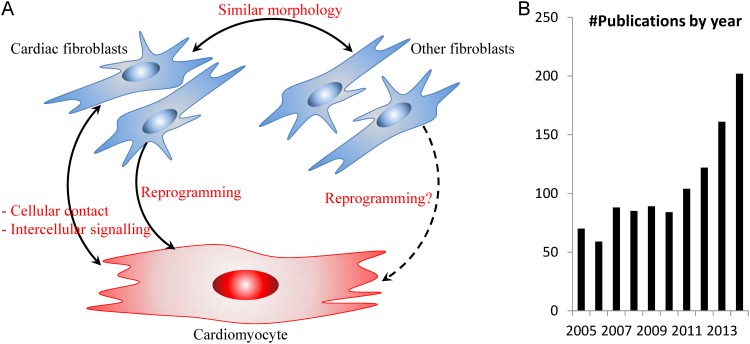
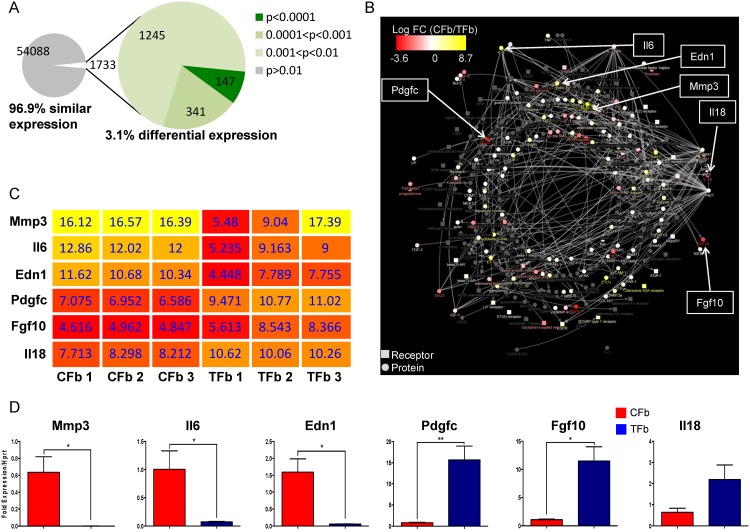
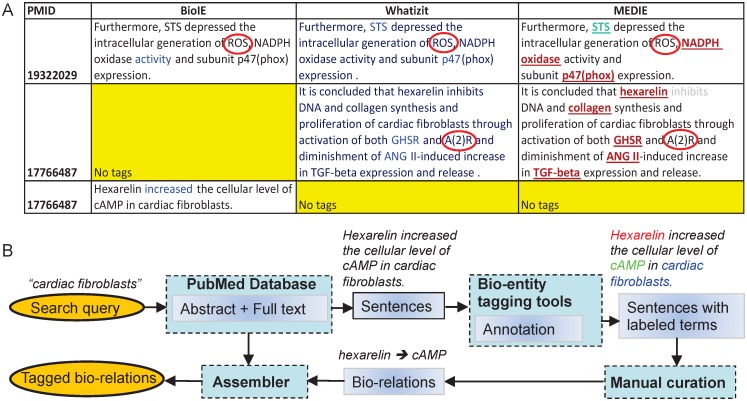
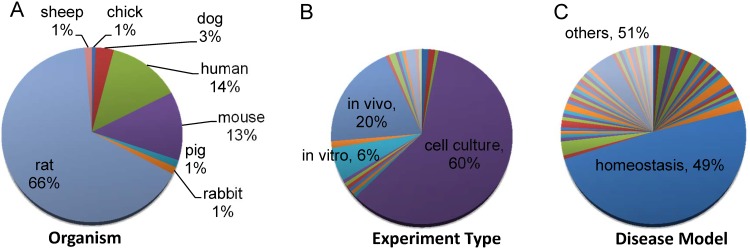
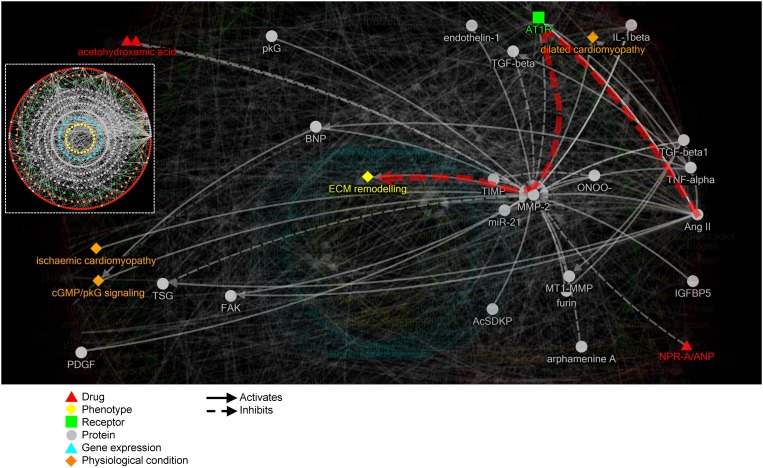
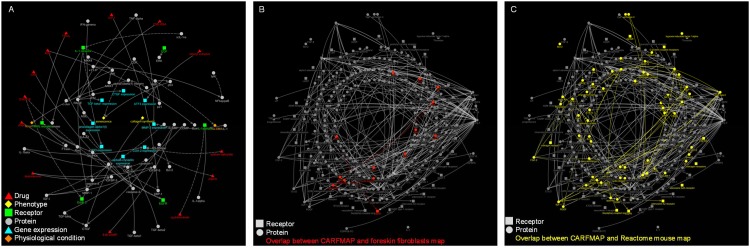
The adult mammalian heart contains multiple cell types that work in unison under tightly regulated conditions to maintain homeostasis. Cardiac fibroblasts are a significant and unique population of non-muscle cells in the heart that have recently gained substantial interest in the cardiac biology community. To better understand this renaissance cell, it is essential to systematically survey what has been known in the literature about the cellular and molecular processes involved. We have built CARFMAP (http://visionet.erc.monash.edu.au/CARFMAP), an interactive cardiac fibroblast pathway map derived from the biomedical literature using a software-assisted manual data collection approach. CARFMAP is an information-rich interactive tool that enables cardiac biologists to explore the large body of literature in various creative ways. There is surprisingly little overlap between the cardiac fibroblast pathway map, a foreskin fibroblast pathway map, and a whole mouse organism signalling pathway map from the REACTOME database. Among the use cases of CARFMAP is a common task in our cardiac biology laboratory of identifying new genes that are (1) relevant to cardiac literature, and (2) differentially regulated in high-throughput assays. From the expression profiles of mouse cardiac and tail fibroblasts, we employed CARFMAP to characterise cardiac fibroblast pathways. Using CARFMAP in conjunction with transcriptomic data, we generated a stringent list of six genes that would not have been singled out using bioinformatics analyses alone. Experimental validation showed that five genes (Mmp3, Il6, Edn1, Pdgfc and Fgf10) are differentially regulated in the cardiac fibroblast. CARFMAP is a powerful tool for systems analyses of cardiac fibroblasts, facilitating systems-level cardiovascular research.
成年哺乳动物心脏包含多种细胞类型,它们在严格调控的条件下协同工作以维持体内平衡。心脏成纤维细胞是心脏中一类重要且独特的非肌肉细胞群体,最近在心脏生物学领域引起了广泛关注。为了更好地了解这种复兴的细胞,系统地梳理文献中关于其涉及的细胞和分子过程的已知信息至关重要。我们构建了CARFMAP(http://visionet.erc.monash.edu.au/CARFMAP),这是一个交互式心脏成纤维细胞通路图,它是通过软件辅助的手动数据收集方法从生物医学文献中推导出来的。CARFMAP是一个信息丰富的交互式工具,使心脏生物学家能够以各种创新方式探索大量文献。令人惊讶的是,心脏成纤维细胞通路图、包皮成纤维细胞通路图以及REACTOME数据库中的全小鼠生物体信号通路图之间几乎没有重叠。CARFMAP的应用案例之一是我们心脏生物学实验室中的一项常见任务,即识别(1)与心脏文献相关且(2)在高通量检测中差异调节的新基因。从小鼠心脏和尾部成纤维细胞的表达谱中,我们利用CARFMAP来表征心脏成纤维细胞通路。将CARFMAP与转录组数据结合使用,我们生成了一份严格的六个基因列表,仅通过生物信息学分析是无法挑选出这些基因的。实验验证表明,五个基因(Mmp3、Il6、Edn1、Pdgfc和Fgf10)在心脏成纤维细胞中差异调节。CARFMAP是用于心脏成纤维细胞系统分析的强大工具,有助于进行系统水平的心血管研究。