Swick Todd J
Department of Neurology, University of Texas School of Medicine-Houston, Houston, TX, USA ; The Sleep Center at North Cypress Medical Center, Cypress, TX, USA ; Apnix Sleep Diagnostics, Houston, TX, USA ; Neurology and Sleep Medicine Consultants, Houston, TX, USA.
Nat Sci Sleep. 2015 Dec 11;7:159-69. doi: 10.2147/NSS.S92140. eCollection 2015.
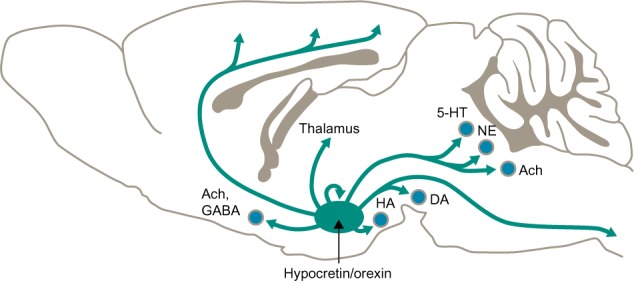
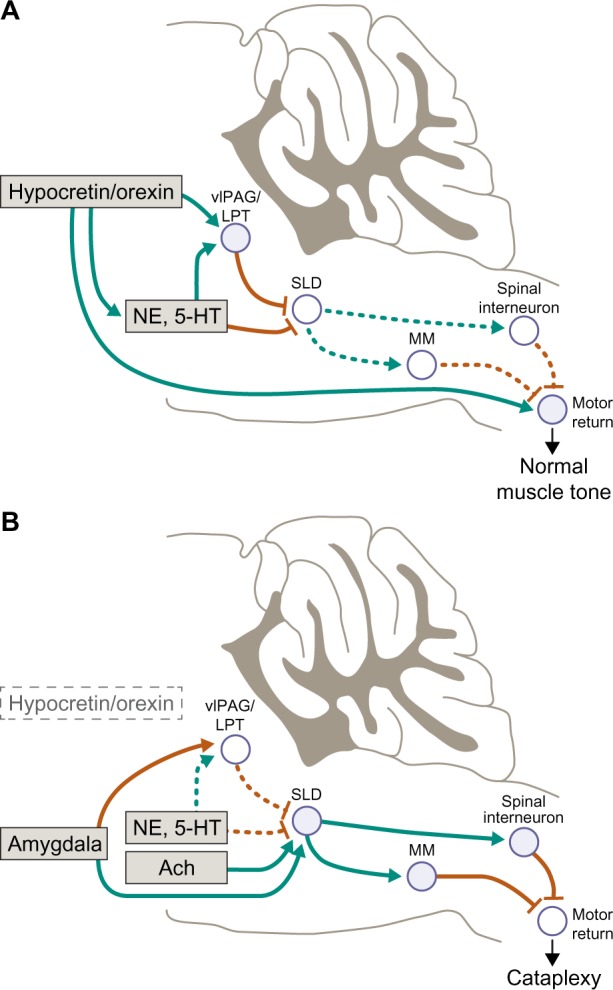
Cataplexy is defined as episodes of sudden loss of voluntary muscle tone triggered by emotions generally lasting <2 minutes. Cataplexy is most commonly associated with and considered pathognomonic for narcolepsy, a sleep disorder affecting ~0.05% of the general population. Knowledge of the pathophysiology of cataplexy has advanced through study of canine, murine, and human models. It is now generally considered that loss of signaling by hypothalamic hypocretin/orexin-producing neurons plays a key role in the development of cataplexy. Although the cause of hypocretin/orexin neuron loss in narcolepsy with cataplexy is unknown, an autoimmune etiology is widely hypothesized. Despite these advances, a literature review shows that treatment of cataplexy remains limited. Multiple classes of antidepressants have been commonly used off-label for cataplexy in narcolepsy and are suggested for this use in expert consensus guidelines based on traditional practice, case reports, and small trials. However, systematic research evidence supporting antidepressants for cataplexy is lacking. The single pharmacotherapy indicated for cataplexy and the guideline-recommended first-line treatment in Europe and the US is sodium oxybate, the sodium salt of gamma-hydroxybutyrate. Clinical trial evidence of its efficacy and safety in cataplexy is robust, and it is hypothesized that its therapeutic effects may occur through gamma-aminobutyric acid receptor type B-mediated effects at noradrenergic, dopaminergic, and thalamocortical neurons. Additional possible mechanisms for cataplexy therapy suggested by preliminary research include antagonism of the histamine H3 autoreceptor with pitolisant and intravenous immunoglobulin therapy for amelioration of the presumed autoimmune-mediated hypocretin/orexin cell loss. Further research and development of therapeutic approaches to cataplexy are needed.
猝倒症被定义为由情绪引发的突发性随意肌肌张力丧失发作,通常持续时间小于2分钟。猝倒症最常与发作性睡病相关联,并且被认为是发作性睡病的特征性症状,发作性睡病是一种影响约0.05%普通人群的睡眠障碍。通过对犬类、鼠类和人类模型的研究,猝倒症的病理生理学知识有了进展。现在普遍认为,下丘脑分泌食欲素的神经元信号传导丧失在猝倒症的发生发展中起关键作用。尽管伴有猝倒症的发作性睡病中食欲素神经元丧失的原因尚不清楚,但广泛推测其病因是自身免疫性的。尽管有这些进展,但文献综述表明,猝倒症的治疗仍然有限。多种抗抑郁药已被常用于发作性睡病猝倒症的非标签治疗,基于传统实践、病例报告和小型试验,专家共识指南建议可用于此用途。然而,缺乏支持抗抑郁药治疗猝倒症的系统研究证据。在美国和欧洲,被指定用于猝倒症且是指南推荐的一线治疗药物是羟丁酸钠,即γ-羟基丁酸的钠盐。其在猝倒症中疗效和安全性的临床试验证据确凿,据推测其治疗作用可能通过γ-氨基丁酸B型受体介导,作用于去甲肾上腺素能、多巴胺能和丘脑皮质神经元。初步研究提出的猝倒症治疗的其他可能机制包括用匹莫林拮抗组胺H3自身受体,以及静脉注射免疫球蛋白治疗,以改善推测的自身免疫介导的食欲素细胞丧失。需要进一步研究和开发猝倒症的治疗方法。